علاج سرطان العظام في الهند: 15 مستشفيات


تمت مراجعة المقالة طبيا من قبل
فهد مولود
ما هي تكلفة سرطان العظام إجراءات التشخيص والعلاج في الهند؟ اعرف الآن
Bone cancer treatment cost in India typically ranges from السعر عند الطلب to السعر عند الطلب for complex surgical interventions like bone resection with implant replacement. Total expenses depend on the cancer stage, the necessity of specialized radiotherapy, and the hospital tier. Patients often save approximately 60-80% compared to US healthcare prices. Leading medical hubs for oncology include Gurgaon, Delhi, and Chennai.
Typical Bone Cancer Treatment Costs in India
- Resection of bone with implant replacement: السعر عند الطلب
- Bone resection: $3,800 – $6,000
- Bone deformity correction surgery: $3,800 – $8,200
- Actinium-225 Therapy: $5,000 – $8,500
- Halcyon: $5,500 – $8,200
Bookimed Expert Insight: For advanced cases, multidisciplinary centers like Apollo Hospital Indraprastha offer significant value with JCI-accredited oncology teams. Patients requiring high-precision radiation benefit from Artemis Hospitals, the first in India to provide Image Guided Radiation Therapy. For complex limb-sparing needs, Fortis Gurgaon utilizes CyberKnife technology to treat hard-to-reach tumors without incisions. International departments at these clinics typically provide comprehensive visa and accommodation support.
| الهند | تركيا | إسبانيا | |
|---|---|---|---|
| جراحة تصحيح تشوه العظام | ≈ $3,800 | من $6,400 | من $22,400 |
| العلاج بالأنتيوم-225 | ≈ $5,000 | من $20,500 | ≈ $28,000 |
| العلاج الكيميائي لسرطان الثدي | ≈ $3,200 | من $1,900 | من $1,700 |
| العلاج الإشعاعي لسرطان القولون والمستقيم | ≈ $4,500 | من $5,000 | من $7,500 |
| استئصال العظام | ≈ $3,800 | من $9,000 | من $16,800 |
مزاياك وضماناتك مع Bookimed
أسعار مباشرة
Bookimed لا يضيف رسوماً إضافية على أسعار علاج سرطان العظام. الأسعار مأخوذة من قوائم الأسعار الرسمية للعيادات. تدفع مباشرة في العيادة مقابل علاجك عند وصولك إلى البلد.
عيادات وأطباء معتمدون فقط
Bookimed ملتزم بسلامتك. نحن نعمل فقط مع المؤسسات الطبية التي تحافظ على معايير دولية عالية في علاج سرطان العظام ولديها التراخيص اللازمة لخدمة المرضى الدوليين في جميع أنحاء العالم.
مساعدة مجانية على مدار الساعة
Bookimed يقدم مساعدة خبراء مجانية. منسق طبي شخصي يدعمك قبل وأثناء وبعد العلاج، ويحل أي مشاكل. لن تكون وحيداً أبداً في رحلة علاج سرطان العظام.

منسقك الطبي الشخصي في Bookimed
- يدعمك في كل مرحلة
- المساعدة في اختيار العيادة الطبية المناسبة والطبيب المناسب
- يضمن الوصول السريع والمريح إلى المعلومات
اكتشف أفضل سرطان العظام العيادات في الهند: 15 خيارات معتمدة والأسعار







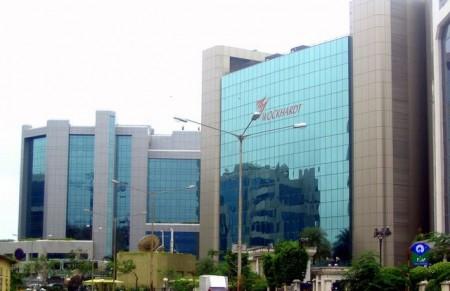
Wockhardt Hospital




Dr. Rela Institute & Medical Centre
احصل على تقييم طبي لـ في الهند. استشر الآن 6 أطباء ذوي الخبرة.
عرض جميع الأطباء
Sridhar P.S.
الدكتور سريدهار بي. إس. هو طبيب أورام إشعاعي يتمتع بتدريب مكثف وشهادة البورد في العلاج الإشعاعي.
- أكثر من عقدين من الخبرة في علاج الأورام بالإشعاع
- متخصص في العلاج الإشعاعي لعلاج سرطان العظام
- عضو في جمعية الأورام العصبية
- حاصل على دبلوم المجلس الوطني في العلاج الإشعاعي

Raj Nagarkar
_doctor_2241_عاماً_ من الخبرة في إجراء أكثر من 50,000 جراحة للسرطان – يجمع الدكتور راج ناجاركار بين الخبرة الواسعة والنهج الذي يركز على المريض في مركز HCG Manavata للسرطان.
- تدرب في مستشفى تاتا التذكاري والكلية الملكية للجراحين
- متخصص في جراحة أورام الثدي والصدر
- أجرى أكثر من 200 تجربة سريرية لأساليب علاجية جديدة
- أستاذ في تخصص جراحة الأورام (DNB)

Shaunak Valame
يتخصص الدكتور شوناك فلام في علاج سرطان العظام باستخدام العلاجات الموجهة، مع التركيز على الأساس الجزيئي للسرطان.
- تدرب في طب الأورام في مستشفى إندرابراستا أبولو
- قدم بحثاً عن سرطان المعدة في ندوة ASCO
- لديه خبرة في إلقاء المحاضرات في المدرسة الشتوية الدولية لعلم الأورام
- يعمل في مركز HCG مانافاتا للسرطان

Shruti Kate
تتخصص الدكتورة شروتي كيت في علاج سرطان العظام، مع خبرة في العلاج المناعي والعلاج المترونومي للحالات المتقدمة. تدربت في مستشفى تاتا التذكاري، أحد أفضل مراكز السرطان في الهند.
- درجة الدكتوراه في الطب (DM) في الأورام الطبية من مستشفى تاتا التذكاري
- عضو في الجمعية الأمريكية لعلم الأورام السريري (ASCO)، والجمعية الأوروبية لعلم الأورام الطبي (ESMO)، وجمعيات أورام رائدة أخرى
- قدمت أبحاثاً في المؤتمر العالمي لسرطان الرئة
- خبرة في سرطانات الرئة والثدي والسرطانات النسائية
مشاركة المحتوى
قصص فيديو من مرضى Bookimed
 Anna Leonova
أسئلة متكررة حول علاج سرطان العظام في الهند
ما هي المستشفيات في الهند الأكثر شهرة لعلاج سرطان العظام؟
تضم الهند مراكز نخبة لعلاج سرطان العظام بما في ذلك مستشفى تاتا التذكاري، ومستشفى أبولو إندرابراستا، ومعهد فورتيس التذكاري للأبحاث. تتخصص هذه المرافق في جراحة إنقاذ الأطراف واستئصال الأورام المعقدة. وغالباً ما تحتفظ هذه المراكز باعتماد اللجنة الدولية المشتركة (JCI) وتستخدم مجالس متعددة التخصصات لتخطيط بروتوكولات الأورام المتقدمة.
- الجراحة المتخصصة: تقوم المراكز بإجراء استئصال العظام بتقنيات استبدال الغرسات عالية الدقة.
- التشخيص المتقدم: تستخدم المرافق فحوصات PET-CT لتحديد مراحل الورم ومراقبته بدقة.
- الطب النووي: تقدم عيادات مثل HCG Manavata علاجات مستهدفة باستخدام الأكتينيوم-225 واللوتيتيوم-177.
- الدقة الروبوتية: يستخدم مستشفى فورتيس جورجاون أنظمة مساعدة روبوتية لاستئصال أورام الجهاز العضلي الهيكلي بدقة عالية.
رؤية خبير Bookimed: تُظهر البيانات تركيزاً عالياً للخبرات المتخصصة في منطقة دلهي-NCR، لا سيما في مستشفيات فورتيس وأبولو. توفر هذه المراكز إمكانية الوصول إلى أطباء مثل الدكتور شوناك فلامي، الذي تدرب في مؤسسات كبرى. عند اختيار مرفق، أعط الأولوية لتلك التي تدمج بنجاح بين طب الأورام العظمي والطب النووي، حيث أن هذا النهج المزدوج أمر بالغ الأهمية لإدارة مرض العظام النقيلي بفعالية.
إجماع المرضى: يؤكد المرضى على اختيار المستشفيات التي لديها فرق مخصصة للساركوما بدلاً من أقسام العظام العامة. يوصي الكثيرون بإحضار جميع تقارير الخزعة الأصلية وصور الأشعة إلى الاستشارة الأولى لتجنب تأخير التشخيص.
ما هي خيارات العلاج الرئيسية المتاحة لسرطان العظام؟
يستخدم علاج سرطان العظام في الهند بشكل أساسي الاستئصال الجراحي جنبًا إلى جنب مع العلاجات الجهازية. توفر مراكز الأورام الهندية عمليات الحفاظ على الأطراف، والعلاج الكيميائي، والإشعاع المتقدم مثل Halcyon. تعتمد خطط العلاج على نوع الورم المحدد، مثل الساركوما العظمية، أو الساركوما الغضروفية، أو ساركوما إيوينغ العدوانية.
- التدخل الجراحي: يقوم الجراحون بإزالة الأورام عن طريق استئصال العظام أو تقنيات الحفاظ على الأطراف باستخدام الغرسات.
- العلاج الكيميائي الجهازي: يستخدم أطباء الأورام الأدوية المساعدة والمساعدة الجديدة للساركوما العظمية وساركوما إيوينغ.
- العلاج الإشعاعي: تستهدف أنظمة الدقة مثل Halcyon الأورام غير القابلة للاستئصال بدقة دون مليمترية.
- الطب النووي المتقدم: تقدم المراكز المتخصصة علاجات الأكتينيوم-225 واللوتيتيوم-177 لأورام خبيثة معينة.
رؤية خبير Bookimed: توفر مراكز الأورام الهندية مثل مستشفى جلوبال تشيناي وأبولو إندرابراستا عمقًا تشخيصيًا كبيرًا من خلال الجمع بين التصوير المقطعي بالإصدار البوزيتروني (PET-CT) والوحدات الجراحية المتخصصة. تظهر البيانات أن هذه المراكز ذات الحجم الكبير تعالج أكثر من 1,000,000 مريض سنويًا. يسمح هذا النطاق لجراحين مثل الدكتور راج ناجاركار بإجراء أكثر من 50,000 عملية جراحية. يستفيد المرضى من هذه الخبرة المركزة في عمليات إعادة البناء المعقدة باستخدام بدائل الغرسات المتقدمة.
إجماع المرضى: يشير المرضى إلى أن جراحة الحفاظ على الأطراف هي الهدف الأكثر شيوعًا للحفاظ على الحركة. وغالبًا ما يؤك
ما هو معدل نجاح علاج سرطان العظام في الهند؟
تتراوح معدلات النجاح لسرطان العظام في مراحله المبكرة في الهند من 70% إلى 80% للبقاء على قيد الحياة لمدة 5 سنوات. تحقق مراكز الأورام المتخصصة معدلات حفظ عالية باستخدام جراحات إنقاذ الأطراف. تنخفض النتائج للحالات النقيلية إلى حوالي 20% إلى 30% اعتمادًا على الاستجابة للعلاج ونوع الورم.
- البقاء على قيد الحياة الموضعي: يؤدي الكشف المبكر إلى معدلات بقاء على قيد الحياة لمدة 5 سنوات تتراوح بين 70% إلى 80% للمرض الموضعي.
- نتائج ساركوما العظام: تظهر الحالات الموضعية التي يتم علاجها بالعلاج الكيميائي والجراحة معدل بقاء على قيد الحياة بنسبة 60% إلى 70%.
- ساركوما إيوينج: يحقق الإدارة متعددة الوسائط نجاحًا بنسبة 70% إلى 80% عندما يكون السرطان موضعيًا.
- نجاح ساركوما الغضروف: تؤدي الإزالة الجراحية المتخصصة للأورام منخفضة الدرجة إلى نجاح بنسبة 80% إلى 85%.
رؤية خبير Bookimed: يُظهر تحليل المؤسسات الهندية الرائدة مثل مستشفى جلوبال في تشيناي ومستشفى أبولو إندرابراستا حجمًا كبيرًا يزيد عن 800,000 مريض سنويًا. غالبًا ما يؤدي هذا النطاق الهائل إلى نجاح أكبر في الأمراض النادرة لأن جراحين مثل الدكتور راج ناجاركار يجرون آلاف الإجراءات المتخصصة. يجب على المرضى إعطاء الأولوية للعيادات التي تضم مجالس متعددة التخصصات بدلاً من مرافق العظام العامة لضمان العلاج الكيميائي المتكامل والتخطيط الجراحي الذي يحافظ على الأطراف.
إجماع المرضى: يؤكد المرضى أن النجاح ليس مجرد البقاء على قيد الحياة بل الحفاظ على الحركة من خلال جراحة الحفاظ على الأطراف. يوصي الك
ما هي الآثار الجانبية طويلة المدى التي يجب أن يستعد لها المرضى الصغار؟
يجب على المرضى الصغار الاستعداد للآثار المتأخرة الجسدية والمعرفية والإنجابية مع استجابة أنظمتهم النامية للعلاج. غالبًا ما يواجه الناجون من سرطان العظام قيودًا في الحركة، ومشاكل في القلب والأوعية الدموية، وأورامًا خبيثة ثانوية. كما قد تظهر اضطرابات الغدد الصماء والتحديات النفسية، بما في ذلك القلق ومخاوف صورة الجسم، بعد عقود من انتهاء العلاج.
- قيود الحركة: غالبًا ما تسبب الجراحة أو إجراءات إنقاذ الأطراف تيبسًا أو ضعفًا مزمنًا.
- ضعف الأعضاء: يمكن أن يؤدي العلاج الكيميائي إلى خلل وظيفي مبكر في القلب أو الرئة أو الكلى.
- مشاكل النمو: قد يعاني الأطفال الأصغر سنًا من اختلافات في طول الأطراف وتلف في صفائح النمو.
- الصحة الإنجابية: غالبًا ما تسبب العلاجات الجهازية نقصًا في الهرمونات أو ضعفًا في الخصوبة المستقبلية.
رؤية خبير Bookimed: يجب على المرضى إعطاء الأولوية للعيادات مثل مستشفى جلوبال في تشيناي أو مستشفى أبولو في دلهي التي تقدم الجراحة الروبوتية والتقنيات طفيفة التوغل. تظهر البيانات أن هذه الأساليب المتقدمة ترتبط بحفظ أفضل للأطراف. غالبًا ما توفر المراكز ذات الحجم الكبير إعادة تأهيل متكاملة، وهو أمر حيوي لمنع ارتخاء أو كسر الأجهزة الذي يظهر في حالات الزرع طويلة المدى.
إجماع المرضى: يؤكد المرضى أن تفويت جلسات العلاج الطبيعي يمكن أن يسبب تيبسًا دائمًا في المفاصل. ويشير الكثيرون إلى أن خدر الأعصاب المستمر والتعب عند المشي يظلان من التحديات اليومية الشائعة بعد سنوات من العلاج.
ما هو الخطأ الأكثر أهمية الذي يجب تجنبه أثناء التشخيص المبكر؟
الخطأ الأكثر أهمية الذي يجب تجنبه هو الإغلاق التشخيصي المبكر قبل استبعاد وجود ورم خبيث. إن قبول تشخيص أولي مثل التواء أو التهاب مفاصل دون مراجعة سريرية متخصصة يمكن أن يؤخر العلاج بشكل خطير. يجب على الأطباء تجنب التمسك بالأعراض المبكرة وضمان إجراء فحص شامل في طب الأورام العظمي.
- الإغلاق التشخيصي: قبول التشخيصات الروتينية الأولية قبل استبعاد الأورام العظمية الخبيثة النادرة تماماً.
- خطر سوء التفسير: الخلط بين آلام العظام المتفاقمة والإصابات الشائعة أو الالتهابات أو الحالات الروماتيزمية.
- التقييم المتخصص: البحث عن أطباء أورام خبراء في مراكز معتمدة من اللجنة الدولية المشتركة (JCI) مثل مستشفيات أرتميس أو أبولو.
- بروتوكولات التصوير: تجاوز الأشعة السينية القياسية إلى مسح PET/CT لتحديد مرحلة الورم بشكل نهائي.
رؤية خبير Bookimed: يرتبط حجم التشخيص بالدقة في الحالات النادرة مثل سرطان العظام. تخدم مستشفيات مانيبال 2,000,000 مريض سنوياً، مما يوفر لفرقها تعرضاً هائلاً لمختلف الأمراض. تساعد هذه البيئة ذات الحجم الكبير أطباء مثل الدكتور تشايتانيا بورد، الذي أدار 30,000 مسح PET، على التعرف على المؤشرات الدقيقة التي قد تغفل عنها المراكز ذات الحجم المنخفض.
إجماع المرضى: يؤكد المرضى أن التعامل مع آفة عظمية مشبوهة كمسألة عظام روتينية هو مصدر ندم كبير. ويشيرون إلى أن الخزعات الأولية سيئة التخطيط يمكن أن تجعل جراحات الحفاظ على الأطراف اللاحقة أكثر صعوبة بكثير.
ما هي المدة التي يجب أن يخطط لها المريض الدولي للبقاء في الهند؟
يجب على المرضى الدوليين الذين يسعون للحصول على علاج لسرطان العظام في الهند التخطيط لإقامة إجمالية تتراوح من 6 إلى 12 أسبوعاً. تأخذ هذه الفترة الزمنية في الاعتبار التشخيصات الأساسية قبل الجراحة، والإجراءات الجراحية المعقدة مثل إنقاذ الأطراف أو استبدال الغرسات، والتعافي الأولي بعد الجراحة قبل الحصول على التصريح الطبي للسفر جواً.
- التشخيص قبل الجراحة: يشمل مراجعات التصوير المقطعي بالإصدار البوزيتروني (PET-CT) وعلم الأمراض على مدار 3 إلى 5 أيام.
- دخول المستشفى: توقع قضاء 7 إلى 14 يوماً للجراحة والرعاية الداخلية الفورية.
- مراقبة التعافي: تتطلب 14 إلى 21 يوماً بعد الخروج من المستشفى لفحص الجروح والعلاج الطبيعي.
- تصريح الطيران: يتطلب الجراحون عادةً التئاماً مستقراً للجرح لمنع المضاعفات المتعلقة بالسفر.
رؤية خبير Bookimed: تشير البيانات الصادرة عن مؤسسات هندية رائدة مثل مانيبال وأبولو إلى أنه على الرغم من أن الجراحة هي محور التركيز، إلا أن مرحلة التشخيص هي المكان الذي تحدث فيه التأخيرات غالباً. على سبيل المثال، تعامل المتخصصون في HCG Manavata مع أكثر من 30,000 فحص PET، ومع ذلك يمكن أن يستغرق تأكيد علم الأمراض لأورام العظام عدة أيام إضافية. يجب على المرضى اختيار مراكز في جورجاون أو بنغالورو حيث تتجمع المستشفيات ذات القدرة العالية، مما يسمح بتنسيق أسرع بين فرق التصوير والجراحة.
إجماع المرضى: يؤكد المرضى أن خطة الرحلة لمدة أسبوعين نادراً ما تكون واقعية لعلم الأورام. تسلط التعليقات المتكررة الضوء على الحاجة إلى فترة سماح مدتها 7
كيف يتم تشخيص وتحديد مرحلة سرطان العظام في المستشفيات الهندية؟
تقوم المستشفيات الهندية بتشخيص سرطان العظام باستخدام نهج متعدد التخصصات يتبع إرشادات الشبكة الوطنية للسرطان (National Cancer Grid). تستخدم المرافق المتقدمة التصوير الشعاعي الرقمي والتصوير بالرنين المغناطيسي لتحديد مواقع الأورام. وتستخدم المراكز الرائدة مثل مانيبال وأبولو التصوير المقطعي بالإصدار البوزيتروني لتحديد الانتشار الأيضي عبر الهيكل العظمي.
- التصوير الأولي: تقيم الأشعة السينية الرقمية تدمير العظام وأنماط مصفوفة الورم العدوانية.
- تحديد المرحلة الموضعية: يحدد التصوير بالرنين المغناطيسي مدى امتداد الورم إلى النخاع والحزم العصبية الوعائية.
- الخزعة الموجهة: يقوم جراحون متخصصون بإجراء خزعات بالإبرة الأساسية لضمان الأهلية لجراحة الحفاظ على الأطراف.
- فحص النقائل: يحدد التصوير المقطعي المحوسب للصدر ومسح العظام الانتشار إلى الرئتين أو العظام.
رؤية خبير Bookimed: غالبًا ما تدمج شبكات الأورام الهندية مثل مستشفيات مانيبال ومستشفيات أبولو نظام IBM Watson أو مجالس مختبرية متخصصة للتحقق من الأنواع الفرعية للورم. على سبيل المثال، يجري مستشفى جلوبال تشيناي أكثر من 18,000 عملية سنويًا، مما يسلط الضوء على سبب كون المراكز ذات الحجم الكبير أكثر أمانًا لتحديد المراحل المعقدة. يضمن هذا الحجم أن يقوم أخصائيو أمراض الساركوما، وليس الممارسون العامون، بمراجعة عينات الأنسجة للحصول على دقة تشخيصية أعلى.
إجماع المرضى: يؤكد المرضى أن آلام العظام غالبًا ما يتم تشخيصها خطأً على أنها آلام نمو أو إصابات رياضية، مما يؤخر الاختبارات الحاسمة. وينص