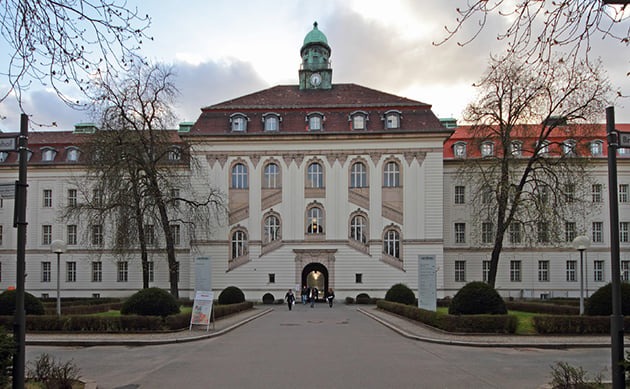
Hospital Havelhoehe
ألمانيا, برلين


تمت مراجعة المقالة طبيا من قبل
فهد مولود
Bookimed لا يضيف رسوماً إضافية على أسعار علاج عيب الحاجز الأذيني. الأسعار مأخوذة من قوائم الأسعار الرسمية للعيادات. تدفع مباشرة في العيادة مقابل علاجك عند وصولك إلى البلد.
Bookimed ملتزم بسلامتك. نحن نعمل فقط مع المؤسسات الطبية التي تحافظ على معايير دولية عالية في علاج عيب الحاجز الأذيني ولديها التراخيص اللازمة لخدمة المرضى الدوليين في جميع أنحاء العالم.
Bookimed يقدم مساعدة خبراء مجانية. منسق طبي شخصي يدعمك قبل وأثناء وبعد العلاج، ويحل أي مشاكل. لن تكون وحيداً أبداً في رحلة علاج عيب الحاجز الأذيني.


متخصص في أمراض القلب الخلقية – يرأس الدكتور بيرغر الجمعية الألمانية لأمراض قلب الأطفال.
 Anna Leonova
تعطي مراكز أمراض القلب الألمانية الأولوية للإغلاق داخل الأوعية الدموية طفيف التوغل لما يقرب من 90% من حالات عيب الحاجز الأذيني (ASD). يستخدم الخبراء القسطرة لوضع سدادات شبكية من النيتينول عبر الفخذ. تتطلب العيوب المعقدة التي تتجاوز 40 مم أو التي تنطوي على حواف نسيجية غير كافية إصلاحاً جراحياً متخصصاً باستخدام رقع أو غرز.
رؤية خبير Bookimed: تحتل ألمانيا المرتبة الثانية عالمياً في شبكة عياداتنا من حيث حجم عمليات القلب. غالباً ما يتمتع كبار المتخصصين مثل الدكتور فيليكس بيرجر في مركز القلب الألماني ببرلين (Deutsches Herzzentrum Berlin) بخبرة تزيد عن 30 عاماً. يسمح هذا التركيز العالي للخبرة للعيادات الألمانية بإجراء أكثر من 5700 عملية سنوياً. يستفيد المرضى من المراكز الجامعية المتخصصة مثل شاريتيه (Charité)، التي تحافظ على أعلى تصنيفات Focus لجراحة القلب مع إدارة أكثر من 840,000 حالة سنوياً.
إجماع المرضى: يشير المرضى إلى أنه م
لا يتطلب كل عيب في الحاجز الأذيني إغلاقًا. العيوب الصغيرة التي يقل حجمها عن 5 ملم نادرًا ما تسبب إجهادًا للقلب وقد تغلق تلقائيًا عند الرضع. التدخل الطبي ضروري فقط إذا كان الثقب يسبب تضخمًا في الجانب الأيمن من القلب، أو تحويلًا كبيرًا للدم، أو أعراضًا مثل ضيق التنفس.
رؤية خبير Bookimed: تؤكد المراكز الألمانية المتخصصة مثل Deutsches Herzzentrum Berlin على التشخيص الدقيق بدلاً من الجراحة الفورية. تظهر البيانات أن العيادات ذات الحجم الكبير غالبًا ما تستخدم تصوير القلب بالموجات فوق الصوتية لتتبع نسبة التحويل قبل اتخاذ قرار بشأن التدخل. على سبيل المثال، يتمتع الدكتور فيليكس بيرجر بأكثر من 30 عامًا من الخبرة في إدارة أمراض القلب الخلقية. غالبًا ما تعطي المراكز المتخصصة مثل هذا الأولوية للإغلاق عبر القسطرة، وهو أقل توغلاً من جراحة القلب المفتوح، بشرط أن تسمح تشريح العيب بذلك.
إجماع المرضى: يشير المرضى إلى أن الأطباء غالبًا ما يقترحون نهج المراقبة والانتظار للثقوب الصغيرة. يؤكد الكثيرون على أهمية التحقق مما إذا كان الجانب الأيمن من القلب متضخمًا قبل اختيار الجراحة.
يبلغ معدل نجاح إغلاق عيب الحاجز الأذيني (ASD) في ألمانيا أكثر من 95%. تتراوح فعالية الإجراء للحالات القياسية عادةً بين 95% و99%. تبلغ مراكز القلب الرائدة عن نجاح تقني يصل إلى 99% للتدخلات القائمة على القسطرة. يحافظ الإغلاق الجراحي المتخصص على معدل نجاح ميكانيكي يتراوح بين 98% و100%.
رؤية خبير Bookimed: تصنف ألمانيا ضمن أفضل وجهتين نطلبهما لرعاية القلب على مستوى العالم. تظهر بيانات مركز القلب الألماني في برلين (Deutsches Herzzentrum Berlin) أنهم يجرون أكثر من 5700 عملية سنويًا. غالبًا ما يشمل هذا الحجم الكبير حالات معقدة من العيوب الخلقية لدى البالغين. نلاحظ اتجاهًا حيث يعطي المرضى الأولوية للمراكز المتخصصة مثل هذا المركز على المستشفيات متعددة التخصصات لإغلاق ASD. من المحتمل أن يساهم هذا التركيز في الخبرة في معدلات النجاح المحلية العالية.
إجماع المرضى: غالبًا ما يتفاجأ المرضى بأن العوامل التشريحية مثل حجم الثقب أو حافة الأنسجة يمكن أن تمنع الإغلاق عبر القسطرة. أولئك الذين يخضعون للإجراء يبلغون بشكل متكرر عن تحسن فوري في مستويات الطاقة والتنفس.
تشمل المراكز الألمانية الرائدة لعلاج عيب الحاجز الأذيني (ASD) مؤسسات متخصصة مثل Deutsches Herzzentrum Berlin و Charité - Universitätsmedizin Berlin. تقدم هذه المراكز إغلاق العيب باستخدام أجهزة عبر القسطرة وإصلاحات جراحية يقوم بها متخصصون معتمدون في أمراض القلب الخلقية لدى البالغين (ACHD).
رؤية خبير Bookimed: تظهر مراكز القلب الألمانية اتجاهاً واضحاً نحو التخصص عالي الحجم. يجري Deutsches Herzzentrum Berlin أكثر من 5,700 عملية سنوياً. هذا الحجم بالغ الأهمية لحالات ASD لأن المراكز الكبيرة أكثر قدرة على تحديد متى يكون الإغلاق غير ضروري بسبب مشاكل ضغط الرئة الكامنة.
إجماع المرضى: يؤكد المرضى أن البحث عن مستشفى جامعي كبير ببرنامج مخصص لـ ACHD أمر حيوي للتشريح المعقد. وغالباً ما يوصون بالمراكز التي تتعامل بشكل روتيني مع كل من الخيارات القائمة على الأجهزة والخيارات الجراحية لضمان مسار العلاج الأكثر ملاءمة.
يتطلب علاج عيب الحاجز الأذيني (ASD) في ألمانيا عادةً من ليلة إلى ليلتين في المستشفى لإجراء عمليات الإغلاق بالقسطرة. تدير مراكز القلب المتخصصة مثل Deutsches Herzzentrum Berlin هذه الإجراءات. يجب على المرضى التخطيط لحوالي 7 أيام في البلاد لتشمل التقييمات قبل الجراحة ورعاية المتابعة.
رؤية خبير Bookimed: في حين أن متوسط الإقامة في المستشفيات العامة في ألمانيا يبلغ 9 أيام، تظهر البيانات الخاصة بأمراض القلب أن عمليات إغلاق ASD أسرع بكثير. تعطي المراكز الرائدة مثل Deutsches Herzzentrum Berlin، التي تجري 5700 عملية سنويًا، الأولوية لتقنيات القسطرة الفعالة. يسمح هذا التركيز المتخصص بإقامات أقصر مقارنة بالمستشفيات متعددة التخصصات العامة مثل عيادة Lippe Detmold.
إجماع المرضى: يشير المرضى إلى أنه على الرغم من أن إجراء القلب نفسه قصير، إلا أن لوجستيات السفر غالبًا ما تطيل الرحلة. يسلط الكثيرون الضوء على أن التعب بعد الإجراء أو خفقان القلب الخفيف أمر شائع خلال الأسبوع الأول من التعافي.
يعتمد التعافي بعد إغلاق عيب الحاجز الأذيني (ASD) في ألمانيا على التقنية المستخدمة. يسمح الإغلاق عبر القسطرة لمعظم المرضى بالعودة إلى المنزل في غضون يوم واحد. أما الجراحة التقليدية التي تتطلب إصلاح القلب المفتوح فتستلزم البقاء في المستشفى لمدة تتراوح بين 3 إلى 5 أيام. يشعر معظم المرضى بتحسن كبير في التعب في غضون أسابيع.
رؤية خبير Bookimed: تُظهر مراكز القلب الألمانية تخصصاً عالياً في إدارة البالغين المصابين بأمراض القلب الخلقية. يتمتع الدكتور فيليكس بيرجر في Deutsches Herzzentrum Berlin بخبرة تزيد عن 30 عاماً. هذه الخبرة حيوية لأن حجرات القلب قد تستغرق ما يصل إلى 12 شهراً لتغيير حجمها. اختيار المراكز المتخصصة يضمن مراقبة دقيقة خلال مرحلة إعادة التشكيل الحرجة هذه.
إجماع المرضى: يلاحظ المرضى أن موقع الإدخال في الفخذ غالباً ما يكون أكثر إيلاماً من القلب نفسه في البداية. يؤكد الكثيرون على أهمية اتباع خطة العودة التدريجية للنشاط حتى لو شعروا أنهم طبيعيون في غضون أيام.
تضم ألمانيا بعضًا من أرقى أقسام جراحة الأعصاب في العالم، بقيادة مستشفى شاريتيه الجامعي في برلين ومستشفى جامعة هايدلبرغ. وتتميز هذه المراكز بخبرتها الواسعة في علاج أورام الدماغ المعقدة وأمراض الأوعية الدموية الدماغية. ولتحقيق أقصى قدر من الفعالية في عملياتها، تستخدم هذه المراكز أحدث التقنيات، مثل التصوير بالرنين المغناطيسي أثناء الجراحة والتوجيه العصبي بمساعدة الحاسوب.
رأي خبراء بوكيمد: تشير البيانات إلى أن اختيار المراكز ذات الحجم الجراحي الكبير غالبًا ما يؤدي إلى توصيات علاجية أكثر تحفظًا. ففي مركز سولينجن الطبي، الذي يعالج أكثر من 60,000 مريض
في ألمانيا، تتميز العمليات الجراحية العصبية بالغة التعقيد بمستوى أمان استثنائي. تصل نسبة نجاح عمليات دمج الفقرات إلى 99%، بينما تبلغ نسبة النجاة بعد استئصال أورام الدماغ الأولية 97%. كما يتمتع المرضى بقدرة عالية على الاعتماد على أنفسهم في أداء وظائفهم اليومية، حيث يغادر أكثر من 82% منهم المستشفى مباشرةً بعد العلاج. وتولي المراكز الألمانية اهتماماً بالغاً بالحفاظ على الوظائف العصبية باستخدام أحدث تقنيات التخطيط العصبي.
رأي خبراء بوكيمد: يُجري جراحون ذوو خبرة، مثل الدكتور أوفه كولر من عيادة أسكليبيوس ألتونا، أكثر من 2000 عملية جراحية سنويًا. تُشير البيانات إلى أن هؤلاء المتخصصين يحافظون على معدلات نجاح تصل إلى 90%، حتى
تُدخل عيادات جراحة الأعصاب الألمانية بانتظام أدوات رقمية عالية الدقة وتقنيات تصوير فوري في الممارسة الجراحية. تشمل التقنيات الرئيسية الملاحة العصبية الحاسوبية لجراحات الدماغ والحبل الشوكي. تستخدم مؤسسات مثل عيادة أسكليبيوس نورد التصوير بالرنين المغناطيسي أثناء الجراحة للتحقق من استئصال الورم في الوقت الفعلي. توفر هذه الأنظمة للجراحين نظام ملاحة ثلاثي الأبعاد.
رأي خبراء بوكيمد: تُجري مراكز طبية كبيرة، مثل مستشفى شاريتيه الج
في ألمانيا، يتعين على جراحي الأعصاب إكمال برنامج إقامة تخصصي لمدة ست سنوات بعد التخرج من كلية الطب. يشمل هذا البرنامج المنظم العناية المركزة، والتدريب السريري، وكتابة مقالات في مجلة جراحية إلزامية. بعد ذلك، يجتاز المرشحون امتحانًا حكوميًا للحصول على لقب طبيب مقيم (Facharzt für Neurochirurgie).
رأي خبراء بوكيميد: يركز التدريب الألماني في جراحة الأعصاب على الخبرة الجراحية الواسعة. فعلى سبيل المثال، أجرى الدكتور رالف بول من المركز الطبي في سولينجن أكثر من 4000 عملية جراحية. ويتمتع الدكتور يورغن كيويت من مستشفى ميوكلينيك بخبرة تزيد عن 25 عامًا. يضمن هذا النظام الدقيق أن يتعامل المتخصصون في المراكز الكبرى مع الحالات المعقدة بدقة مثبتة.
آراء المرضى: يشع