قصور الصمام الأبهري العلاج في كوريا الجنوبية - التكاليف 2026


تمت مراجعة المقالة طبيا من قبل
فهد مولود
ما هي تكلفة قصور الصمام الأبهري إجراءات التشخيص والعلاج في كوريا الجنوبية؟ اعرف الآن
تتراوح تكلفة علاج قصور الصمام الأورطي في جمهورية كوريا عادةً ما بين $32,000 إلى $47,000 للاستبدال الجراحي، بينما تتراوح تكلفة زراعة الصمام الأورطي عبر القسطرة (TAVI) طفيفة التوغل ما بين $38,000 إلى $50,000. تعتمد النفقات الإجمالية على نوع الصمام، والتقنية الجراحية، ومستوى المستشفى. غالباً ما يوفر المرضى ما بين 30 إلى 50% مقارنة بالتكاليف الطبية في الولايات المتحدة. تعد سيول وإنشيون الوجهات الرئيسية لهذه الإجراءات القلبية المتقدمة.
تكاليف علاج قصور الصمام الأورطي النموذجية في جمهورية كوريا
- استبدال الصمام الأورطي: $32,000 – $47,000
- زراعة الصمام الأورطي عبر القسطرة (TAVI): $38,000 – $50,000
- استبدال صمام القلب: من $27,500
- جراحة تجميل صمام القلب: $28,000 – $38,000
رؤية خبراء Bookimed: بالنسبة للحالات المعقدة، يعد اختيار مركز ذو حجم عمليات كبير أمراً بالغ الأهمية للسلامة. يعتبر مركز آسان الطبي (Asan Medical Center) خياراً من الدرجة الأولى، حيث يجري 45% من إجمالي عمليات زراعة القلب في كوريا الجنوبية. وتُظهر نسبة نجاح زراعة الأعضاء لديهم التي تبلغ 90% دقة جراحية استثنائية. يجب على المرضى الذين يبحثون عن الابتكار التفكير في مستشفى جامعة سيول الوطنية بوندانغ (Seoul National University Bundang Hospital)، فهو أول مستشفى رقمي في كوريا ويستخدم نظام BESTcare لتقليل الأخطاء الطبية أثناء فترة التعافي.
| كوريا الجنوبية | تركيا | إسبانيا | |
|---|---|---|---|
| زرع الصمام الأبهري عبر القثطار (TAVI) | ≈ $38,000 | من $19,000 | من $50,500 |
| رأب الصمام | ≈ $14,000 | من $8,000 | ≈ $16,500 |
| الجراحة التجميلية لصمام القلب | ≈ $28,000 | من $11,000 | من $46,000 |
| استبدال صمام القلب | من $27,500 | من $15,000 | من $44,900 |
| استبدال الصمام الأورطي للأطفال | ≈ $32,000 | من $12,000 | ≈ $38,000 |
مزاياك وضماناتك مع Bookimed
أسعار مباشرة
Bookimed لا يضيف رسوماً إضافية على أسعار علاج قصور الصمام الأبهري. الأسعار مأخوذة من قوائم الأسعار الرسمية للعيادات. تدفع مباشرة في العيادة مقابل علاجك عند وصولك إلى البلد.
عيادات وأطباء معتمدون فقط
Bookimed ملتزم بسلامتك. نحن نعمل فقط مع المؤسسات الطبية التي تحافظ على معايير دولية عالية في علاج قصور الصمام الأبهري ولديها التراخيص اللازمة لخدمة المرضى الدوليين في جميع أنحاء العالم.
مساعدة مجانية على مدار الساعة
Bookimed يقدم مساعدة خبراء مجانية. منسق طبي شخصي يدعمك قبل وأثناء وبعد العلاج، ويحل أي مشاكل. لن تكون وحيداً أبداً في رحلة علاج قصور الصمام الأبهري.

منسقك الطبي الشخصي في Bookimed
- يدعمك في كل مرحلة
- المساعدة في اختيار العيادة الطبية المناسبة والطبيب المناسب
- يضمن الوصول السريع والمريح إلى المعلومات
اكتشف أفضل قصور الصمام الأبهري العيادات في كوريا الجنوبية: 7 خيارات معتمدة والأسعار














احصلوا على تقييم طبي لـ قصور الصمام الأبهري في كوريا الجنوبية: استشيروا أطباء ذوي خبرة الآن
عرض جميع الأطباء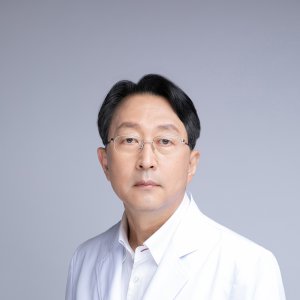
Kim Ki Bong
يتخصص الأستاذ الدكتور كيم كي-بونغ في جراحة مجازة الشريان التاجي (CABG)، وجراحة الصمامات، والرجفان الأذيني، وزراعة القلب. يشغل منصب مدير مراكز جراحة القلب والأوعية الدموية في مستشفى ميونغجي، وقد كان رائدًا في تقنيات جراحة مجازة الشريان التاجي المتقدمة في كوريا. يتمتع بخبرة واسعة في جراحة القلب النابض (OPCAB) ويعمل ضمن فريق جراحة مجازة الشريان التاجي بالمنظار الكامل (TECAB) باستخدام نظام دافنشي إكس آي (da Vinci Xi).
في عام 2025، أجرى فريقه أول عملية جراحية لمجازة الشريان التاجي بالمنظار
مشاركة المحتوى
قصص فيديو من مرضى Bookimed
 Anna Leonova
أسئلة متكررة حول علاج قصور الصمام الأبهري في كوريا الجنوبية
ما هي أفضل المستشفيات في كوريا لجراحة الصمام الأورطي؟
يُعد مركز أسان الطبي (Asan Medical Center)، ومستشفى سيفيرانس (Severance Hospital)، ومستشفى جامعة سيول الوطنية (Seoul National University Hospital) الوجهات الأولى لجراحة الصمام الأورطي في كوريا. تحافظ هذه المراكز على معدلات نجاح تتجاوز 99% في إجراءات الصمامات المعقدة. وهي تستخدم تقنية استبدال الصمام الأورطي عبر القسطرة (TAVI) وبروتوكولات جراحية معتمدة من اللجنة الدولية المشتركة (JCI) لضمان أفضل النتائج السريرية.
- مركز أسان الطبي: يجري 45% من عمليات زراعة القلب في كوريا ويتمتع بخبرة واسعة بفضل حجم العمليات الكبير.
- مستشفى سيفيرانس: منشأة معتمدة من JCI تخدم 1.6 مليون مريض خارجي سنوياً مع فرق متخصصة في أمراض القلب والأوعية الدموية.
- مستشفى جامعة سيول الوطنية في بوندانغ: يستخدم نظام BESTcare الرقمي والذكاء الاصطناعي لتخطيط دقيق لجراحات القلب والأوعية الدموية.
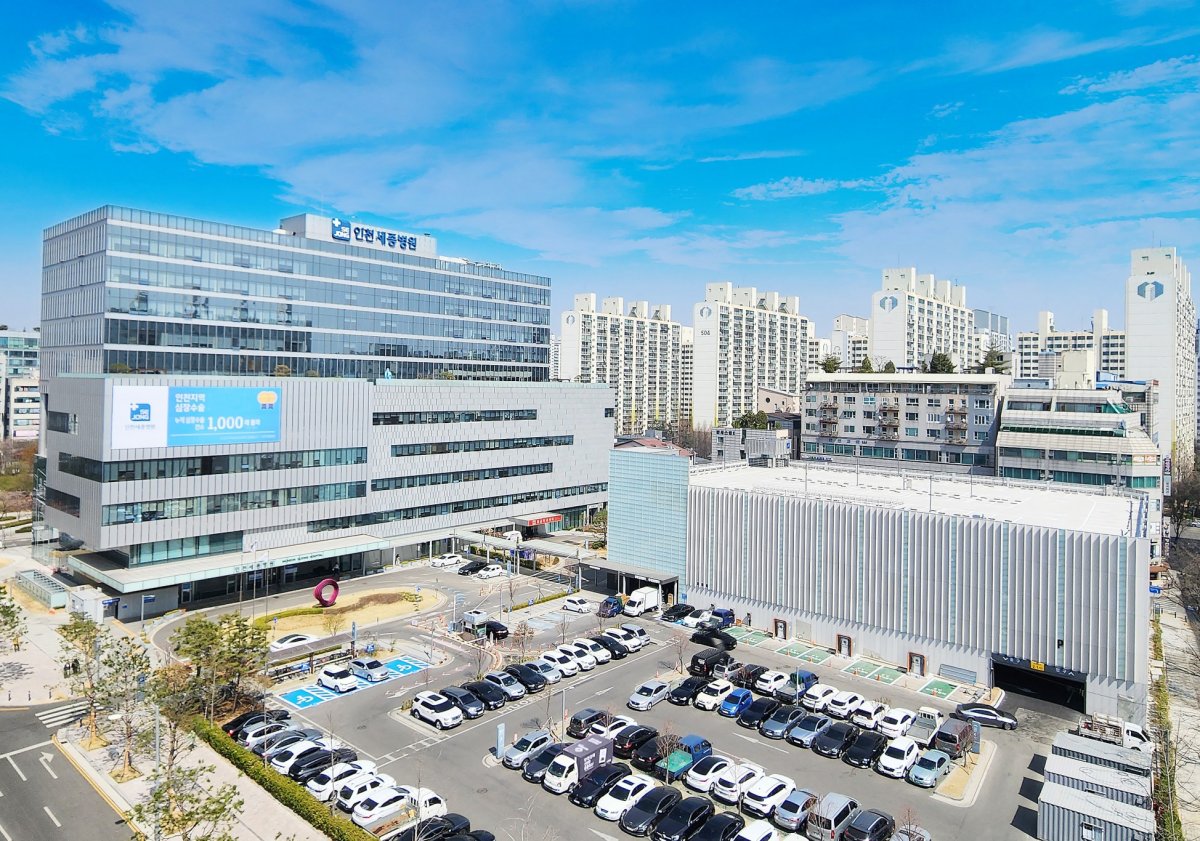
- مستشفى سيجونغ: مستشفى عام متخصص في إنتشون يعالج أكثر من 400,000 مريض سنوياً لأمراض القلب.
رؤية خبير Bookimed: بينما يركز المرضى غالباً على تصنيفات المستشفيات العامة، يجب أن يعتمد الاختيار على حجم الإجراءات اليومية. يدير مركز أسان الطبي أكثر من 2,500 مريض داخلي يومياً، وهو ما يرتبط بمهارة جراحية أعلى. توفر المستشفيات التي تحتوي على أنظمة روبوتية مثل مستشفى جامعة سيول الوطنية (SNUH) أو سيفيرانس تعافياً أسرع للمرضى الأصغر سناً الذين يحتاجون إلى إصلاح الصمام بدلاً من استبداله بالكامل.
إجماع المرضى: يؤكد المرضى أنه على الرغم من أهمية العلامة التجارية للمستشفى، إلا أن خبر
هل تتوفر إجراءات TAVI طفيفة التوغل في كوريا؟
تتوفر إجراءات TAVI طفيفة التوغل على نطاق واسع في كوريا الجنوبية في المراكز التخصصية المعتمدة من اللجنة الدولية المشتركة (JCI). تقوم المؤسسات الرائدة في سيول بإجراء عمليات استبدال الصمام هذه منذ عام 2010. يستخدم فرق القلب المتخصصة هذه الطريقة المعتمدة على القسطرة للمرضى المعرضين لمخاطر عالية في جراحة القلب المفتوح التقليدية.
- اعتماد المستشفيات: تحافظ مراكز مثل مستشفى سيفيرانس على شهادات السلامة JCI و KOIHA.
- خبرة عالية الحجم: أجرى مركز آسان الطبي أكثر من 370 حالة في عام 2023 وحده.
- النطاق المؤسسي: يدير مستشفى جامعة سيول الوطنية أكثر من 10,700 مريض كل يوم.
- التخصص السريري: يوفر مستشفى سيجونغ رعاية متكاملة مع 103 طبيباً تحت سقف واحد.
رؤية خبير Bookimed: البنية التحتية للقلب في كوريا مركزة للغاية. يجري مركز آسان الطبي 45% من عمليات زرع القلب في البلاد. يترجم هذا الحجم الهائل إلى مهارة تقنية فائقة في إجراءات TAVI. على الرغم من أن العديد من المستشفيات تقدم استبدال صمام القلب، فإن إعطاء الأولوية لمراكز الزرع ذات الحجم الكبير يضمن وجود أكثر الفرق الجراحية خبرة.
إجماع المرضى: يقدر المرضى فترة التعافي الأقصر والألم الأقل مقارنة بالجراحة المفتوحة. يلاحظ العديد من المقيمين أن الأطباء يقيمون بعناية ما إذا كان إجراء TAVI مناسباً لحالات القصور البحت أو في الغالب لحالات التضيق.
هل يفضل الجراحون الكوريون إصلاح الصمام أم استبداله في حالات قصور الأبهر؟
يفضل جراحو القلب الكوريون بشكل أساسي استبدال الصمام الأبهري كعلاج قياسي لقصور الأبهر. وعلى الرغم من أن المراكز المتخصصة تجري إصلاحات معقدة للصمامات للحالات ذات التشريح المناسب، إلا أن الاستبدال يظل أكثر شيوعاً. تستخدم المستشفيات ذات الحجم الكبير مرافق معتمدة من اللجنة الدولية المشتركة (JCI) وتقنيات تعويضية حديثة لضمان نتائج جراحية موثوقة على المدى الطويل.
- تفضيل العلاج: الاستبدال هو الخيار الافتراضي للشرفات التالفة أو جذور الأبهر المتضخمة.
- معايير الإصلاح: يختار الجراحون الإصلاح فقط عندما تظهر شرفات الصمام تشريحاً مناسباً وقابلاً للإصلاح.
- أحجام العمليات الجراحية: يجري مركز آسان الطبي 45% من عمليات زرع القلب في كوريا الجنوبية.
- التكامل الرقمي: يستخدم مستشفى جامعة سيول الوطنية أنظمة رقمية بالكامل للتخطيط الجراحي.
رؤية خبير Bookimed: على الرغم من أن كوريا الجنوبية تحتل مرتبة عالية عالمياً في رعاية القلب، إلا أن القدرة الاستيعابية تختلف بشكل كبير. يتعامل مركز آسان الطبي مع أكثر من 65,000 عملية جراحية سنوياً، مما يعكس خبرة سريرية هائلة. ومع ذلك، يجب على المرضى الذين يسعون للحفاظ على الصمام استهداف المستشفيات الجامعية التي تضم مراكز قلب متخصصة. غالباً ما تمتلك هذه المرافق، مثل مستشفى سيفيرانس الذي يضم 3,700 سرير، فرقاً متعددة التخصصات مطلوبة لنجاح الإصلاحات المعقدة.
إجماع المرضى: يلاحظ المرضى أن الاستبدال هو التوصية الروتينية للأضرار الجسيمة. يسعى الكثيرون للحصول على آراء طبية ثانية لاستكشاف خيار الإصلاح وتجنب أدوية مضادا
ما نوع الدعم المقدم للمرضى الدوليين أثناء العلاج؟
توفر المستشفيات في كوريا الجنوبية تنسيقًا شاملاً للمرضى الدوليين الذين يسافرون لعلاج الصمام الأبهري. يشمل الدعم الترجمة الطبية، والمساعدة في الحصول على التأشيرة، وجدولة المواعيد. كما يدير منسقون متخصصون عمليات دخول المستشفى، ونقل السجلات الرقمية، والخدمات اللوجستية المحلية لضمان رحلة طبية سلسة.
- التنسيق الطبي: يدير المنسقون المواعيد، والتصوير الطبي، والإحالات بين الأقسام.
- خدمات الترجمة: توفر المستشفيات موظفين يتحدثون الإنجليزية للاستشارات ونماذج الموافقة.
- المساعدة الإدارية: يساعد الموظفون في التسجيل، والفواتير، ومتطلبات وثائق التأمين.
- الدعم اللوجستي: غالبًا ما تشمل الخدمات المساعدة في النقل المحلي والاستقبال من المطار.
رؤية خبير Bookimed: على الرغم من أن الكثيرين يختارون سيول للرعاية القلبية، إلا أن مركز آسان الطبي يجري 45% من عمليات زراعة القلب في كوريا الجنوبية ويحافظ على معدل نجاح 90% للإجراءات المعقدة. بالنسبة لمرضى الصمامات، فإن اختيار مركز جامعي كبير مثل آسان أو مستشفى جامعة سيول الوطنية يضمن الوصول إلى مكاتب المرضى الدوليين الأكثر تنظيمًا وأنظمة التنسيق الرقمي المتقدمة.
إجماع المرضى: يشير المرضى إلى أهمية طلب جميع تعليمات الأدوية وخطط الخروج كتابيًا. يوصى بشدة بالمستشفيات الجامعية الكبيرة لأنها توفر تواصلًا أكثر سلاسة من المرافق الصغيرة.
ما مدى نجاح استبدال الصمام الأبهري في كوريا؟
يعتبر استبدال الصمام الأبهري في كوريا ناجحًا للغاية. تبلغ المراكز عن معدلات بقاء على قيد الحياة تتراوح بين 87.8% و 91.2% بعد 5 سنوات. تحقق المستشفيات المتخصصة معدل نجاح 99.2% للإجراءات المنفردة. تسمح التقنيات المتقدمة مثل استبدال الصمام الأبهري عبر القسطرة (TAVI) بالتعافي في غضون 2 إلى 3 أيام.
- سلامة الجراحة: تشير السجلات الكورية المتخصصة إلى معدل بقاء على قيد الحياة بنسبة 99.2% للاستبدال المنفرد.
- النتائج طويلة المدى: يظل أكثر من 95% من المرضى خاليين من الوفيات القلبية بعد 5 سنوات من الجراحة.
- تقنية TAVI طفيفة التوغل: تستغرق هذه التقنية غير الجراحية عادةً 30 دقيقة مع الحد الأدنى من الألم بعد الجراحة.
- الحجم السريري: يجري مركز آسان الطبي أكثر من 65,000 عملية سنويًا مع وحدات قلب متخصصة.
رؤية خبير Bookimed: الجودة في كوريا مدفوعة بأحجام الإجراءات الهائلة والتكامل الرقمي. يستخدم مستشفى جامعة سيول الوطنية في بوندانغ نظام BESTcare لمنع الأخطاء الطبية. يتعامل مركز آسان الطبي مع الحالات المعقدة، ويجري 45% من عمليات زراعة القلب في كوريا. يضمن معدل دوران المرضى المرتفع احتفاظ الفرق الجراحية بأعلى مستويات الكفاءة التقنية في تدخلات الصمامات.
إجماع المرضى: يؤكد المرضى على أهمية اختيار المراكز ذات الحجم الكبير لضمان تعافي أكثر سلاسة وخروج أسرع. يعتمد النجاح العملي غالبًا على التواصل المبكر بشأن إدارة الأدوية وبروتوكولات إعادة التأهيل الخاصة بالمستشفى.