علاج قصور الصمام الأبهري في ألمانيا: 5 مستشفيات


تمت مراجعة المقالة طبيا من قبل
فهد مولود
ما هي تكلفة قصور الصمام الأبهري إجراءات التشخيص والعلاج في ألمانيا؟ اعرف الآن
تختلف التكلفة الإجمالية لعلاج قصور الصمام الأبهري في ألمانيا بناءً على الإجراءات والتقييمات اللازمة. تتراوح تكلفة التشخيصات الأولية والفحص القلبي الشامل، بما في ذلك الاستشارات، بين $3,300 و $3,800. تبلغ تكلفة العلاج بالحد الأدنى من التدخل الجراحي باستخدام تقنيات متقدمة مثل TAVI (زرع الصمام الأبهري عبر القسطرة) بين $57,700 و $65,000. تبلغ تكلفة الاستشارات الإضافية والرعاية اللاحقة حوالي $600. يتم تخصيص برنامج العلاج بعد تقييم مفصل من قبل فريق أمراض القلب.
| تركيا | إسبانيا | ألمانيا | |
|---|---|---|---|
| زرع الصمام الأبهري عبر القثطار (TAVI) | من $19,000 | من $50,400 | من $35,000 |
| رأب الصمام | من $8,000 | ≈ $16,500 | ≈ $24,000 |
| الجراحة التجميلية لصمام القلب | من $11,000 | من $46,000 | ≈ $28,000 |
| استبدال صمام القلب | من $15,000 | من $44,800 | من $28,000 |
| استبدال الصمام الأورطي للأطفال | من $12,000 | ≈ $38,000 | ≈ $42,000 |
مزاياك وضماناتك مع Bookimed
أسعار مباشرة
Bookimed لا يضيف رسوماً إضافية على أسعار علاج قصور الصمام الأبهري. الأسعار مأخوذة من قوائم الأسعار الرسمية للعيادات. تدفع مباشرة في العيادة مقابل علاجك عند وصولك إلى البلد.
عيادات وأطباء معتمدون فقط
Bookimed ملتزم بسلامتك. نحن نعمل فقط مع المؤسسات الطبية التي تحافظ على معايير دولية عالية في علاج قصور الصمام الأبهري ولديها التراخيص اللازمة لخدمة المرضى الدوليين في جميع أنحاء العالم.
مساعدة مجانية على مدار الساعة
Bookimed يقدم مساعدة خبراء مجانية. منسق طبي شخصي يدعمك قبل وأثناء وبعد العلاج، ويحل أي مشاكل. لن تكون وحيداً أبداً في رحلة علاج قصور الصمام الأبهري.

منسقك الطبي الشخصي في Bookimed
- يدعمك في كل مرحلة
- المساعدة في اختيار العيادة الطبية المناسبة والطبيب المناسب
- يضمن الوصول السريع والمريح إلى المعلومات
اكتشف أفضل قصور الصمام الأبهري العيادات في ألمانيا: 5 خيارات معتمدة والأسعار







احصلوا على تقييم طبي لـ قصور الصمام الأبهري في ألمانيا: استشيروا أطباء ذوي خبرة الآن
عرض جميع الأطباء
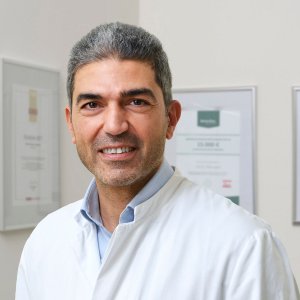
Marc Ulrich Becher
يتخصص الدكتور مارك أولريش بيشر في الرعاية القلبية الوعائية الشاملة مع التركيز على تقنيات التشخيص الحديثة لأمراض القلب.
- يجري ما بين 3000 إلى 4000 إجراء تشخيصي وعلاجي سنوياً
- خبير في استبدال الصمام الأبهري عبر القسطرة (TAVR)
- يستخدم التصوير داخل الأوعية للتقييم الدقيق لتضيق الشرايين التاجية
- يوفر جاهزية القسطرة على مدار 24 ساعة لحالات القلب الحادة
Mahmoud Diab
مشاركة المحتوى
قصص فيديو من مرضى Bookimed
 Anna Leonova
أسئلة متكررة حول علاج قصور الصمام الأبهري في ألمانيا
ما هي الخيارات الجراحية الأساسية لقصور الأبهر في المستشفيات الألمانية؟
تعطي مراكز القلب الألمانية الأولوية لإصلاح أو استبدال الصمام الأبهري عن طريق جراحة القلب المفتوح. تستخدم المستشفيات المتخصصة الموجات فوق الصوتية ثلاثية الأبعاد وسجل الصمام الأبهري الألماني (GARY) لاختيار البروتوكولات. تلتزم الإجراءات بالمبادئ التوجيهية السريرية لـ EACTS لضمان معدلات البقاء على قيد الحياة لمدة عام واحد والاستقرار الوظيفي على المدى الطويل.
- إعادة بناء الصمام الأبهري: يحافظ الجراحون على الوريقات الأصلية لتجنب علاجات مضادات التخثر مدى الحياة.
- استبدال الصمام الجراحي: تستخدم المراكز أطرافاً صناعية ميكانيكية أو بيولوجية بناءً على عمر المريض.
- عملية ديفيد: تستبدل جذر الأبهر مع إعادة زرع صمام المريض نفسه.
- إجراء روس: خيار متخصص ينقل الصمام الرئوي للمرضى الأطفال أو الشباب.
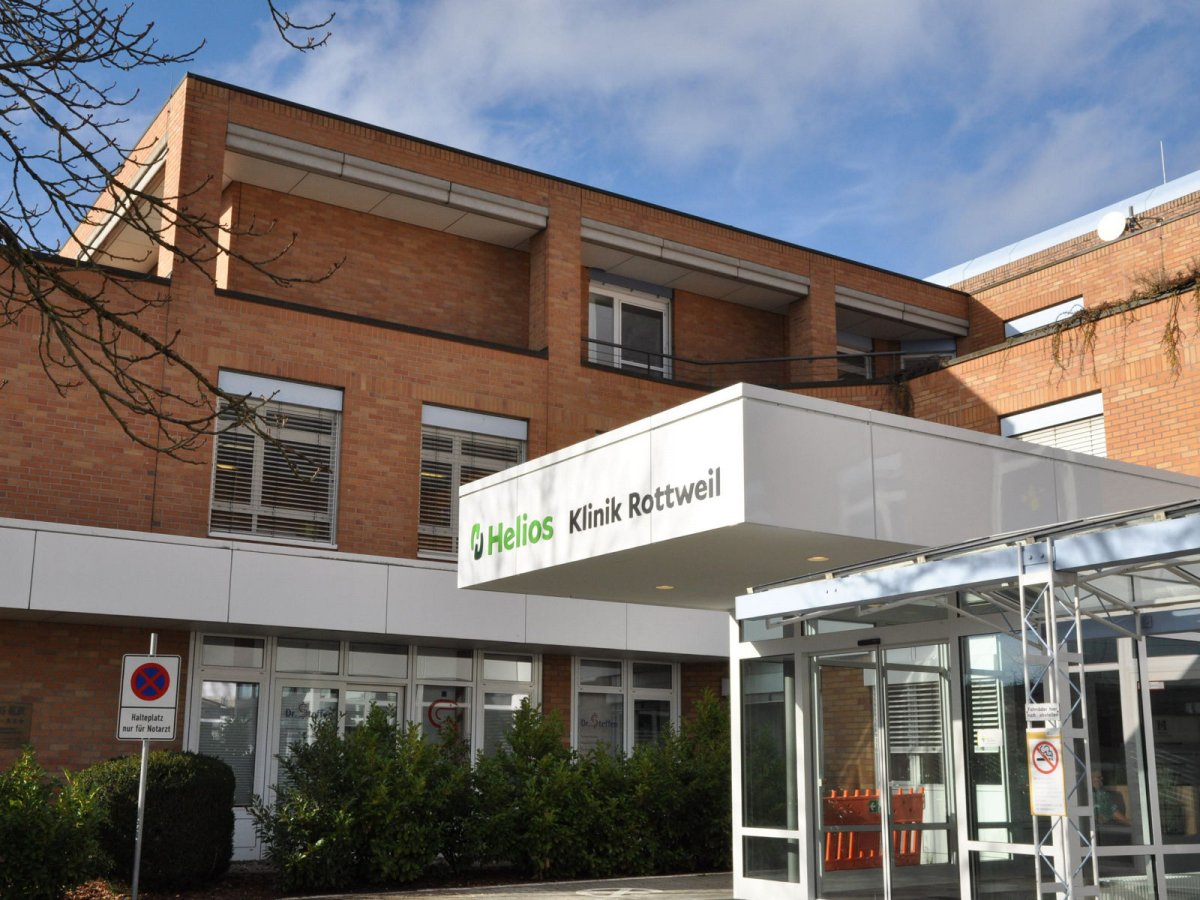
رؤية خبير Bookimed: بينما تقدم العديد من المرافق استبدال الصمام القياسي، يضم مجمع عيادات شمال الراين-وستفاليا أكبر مركز للقلب في ألمانيا. تسمح هذه البيئة ذات الحجم الكبير للمتخصصين بإجراء إجراءات معقدة تعتمد على القسطرة حتى للمرضى المعرضين لمخاطر عالية. يجري الدكتور مارك أولريش بيشر في عيادته ما يصل إلى 4000 إجراء قلبي سنوياً. يضمن هذا التخصص الشديد حصول المرضى على رعاية مخصصة من جراحين يتعاملون مع آلاف الحالات الفريدة كل عام.
إجماع المرضى: يشير المرضى إلى أن اختيار نوع الصمام المناسب يتضمن موازنة خطر إعادة الجراحة مقابل عبء تناول أدوية تسييل الدم اليومية. يسلط الكثيرون الضوء على أن الجراحين قد يقررون التحول من الإصلاح إلى الاستبدال أثناء ا
هل يمكن استخدام إجراء TAVR / TAVI طفيف التوغل لصمام أورطي متسرب (قصور)؟
يمكن لـ TAVR طفيف التوغل علاج الصمام الأورطي المتسرب لدى مرضى محددين ذوي مخاطر عالية. في حين تتطلب الأجهزة القياسية الكالسيوم للتثبيت، تسمح تقنية تحديد المواقع المتخصصة الآن بالتثبيت الآمن في الحالات غير المتكلسة. تعطي مراكز القلب الألمانية الأولوية لهذا النهج للمرضى الضعفاء الذين لا يستطيعون الخضوع لجراحة مفتوحة.
- أجهزة متخصصة: تستخدم الأنظمة الجديدة تقنية تحديد المواقع للتثبيت بشكل آمن على شرفات الصمام غير المتكلسة.
- المخاطر الجراحية: يقتصر TAVI بشكل أساسي على المرشحين المسنين أو ذوي المخاطر الجراحية العالية في ألمانيا.
- المعايير التشريحية: يعتمد النجاح على حجم جذر الأبهر ووجود أعراض حادة.
- الاستخدام خارج التسمية: قد يستخدم الجراحون صمامات قياسية كبيرة الحجم إذا لم تتوفر أجهزة مخصصة.
رؤية خبير Bookimed: توفر مراكز القلب الألمانية ميزة متميزة لحالات الصمامات المعقدة بسبب حجم العمل الكبير. يعمل مجمع عيادات شمال الراين-وستفاليا، على سبيل المثال، كأكبر مركز للقلب في ألمانيا، حيث يعالج 145,000 مريض سنويًا. غالبًا ما تتمتع المراكز واسعة النطاق مثل هذه بإمكانية الوصول إلى مجموعة متنوعة من مشابك الصمامات المتخصصة، وهو أمر ضروري عند علاج الصمامات المتسربة التي تفتقر إلى الكالسيوم اللازم لتثبيت TAVR القياسي.
إجماع المرضى: يؤكد المرضى على سؤال فريقك الطبي عما إذا كان الصمام متكلسًا بدرجة كافية لجهاز قياسي. يلاحظ الكثيرون أن TAVI غالبًا ما يكون خيارًا أكثر قابلية للتطبيق للصمامات الاصطناعية الفاشلة منه للصمامات الطبيعية.
ما هو الجدول الزمني النموذجي للتعافي بعد جراحة صمام القلب في ألمانيا؟
يستغرق التعافي بعد جراحة صمام القلب في ألمانيا عادةً من 4 إلى 12 أسبوعاً. يقضي معظم المرضى من 7 إلى 10 أيام في مراكز القلب المتخصصة. يتبع ذلك برنامج إعادة تأهيل داخلي قياسي مدته 3 أسابيع. يستغرق التئام عظمة القص بالكامل عادةً 3 أشهر.
- الإقامة في المستشفى: توقع من 5 إلى 7 أيام لجراحة القلب المفتوح التقليدية.
- جراحة طفيفة التوغل: غالباً ما تتطلب إجراءات TAVI أو TAVR إقامة لمدة يوم إلى 3 أيام فقط.
- إعادة التأهيل القلبي: يركز برنامج إعادة التأهيل الداخلي القياسي لمدة 21 يوماً (AHB) على العلاج الطبيعي تحت الإشراف.
- القيود البدنية: تجنب رفع أكثر من 5 كيلوغرامات خلال الأسابيع الثمانية الأولى.
- التعافي الكامل: يتم العودة إلى الرياضات الشاقة والعمل اليدوي بعد 12 أسبوعاً.
رؤية خبير Bookimed: تدمج العيادات الألمانية مثل مجمع عيادات شمال الراين-وستفاليا التعافي مباشرة مع مراكز القلب الخاصة بها. تُظهر بياناتنا أن كبار المتخصصين مثل الدكتور مارك أولريش بيشر يجرون ما يصل إلى 4000 إجراء سنوياً. ترتبط أحجام الجراحات العالية بحركة أسرع. غالباً ما يبدأ المرضى في هذه المراكز بالمشي في غضون 24 ساعة. هذا النشاط المبكر ضروري لمنع الالتهاب الرئوي بعد الجراحة.
إجماع المرضى: يشير المرضى إلى أن الأسابيع الستة الأولى مرهقة جسدياً على الرغم من الشعور بالتحسن يومياً. يؤكد الكثيرون أن إعادة التأهيل الداخلي المجدولة تجعل الانتقال إلى المنزل أكثر أماناً وأقل توتراً.
لماذا يفضل المرضى الدوليون ألمانيا لإجراء جراحة صمام القلب؟
يختار المرضى الدوليون ألمانيا لرعاية القلب بسبب معدلات البقاء على قيد الحياة التي تصل إلى 97.7% في إجراءات الصمام المنفردة واللوائح الطبية الوطنية الصارمة. توفر مراكز القلب الألمانية خيارات متقدمة طفيفة التوغل مثل TAVI والإصلاح الروبوتي. تضمن المستشفيات ذات الحجم الكبير أن تحافظ الفرق الجراحية على خبرة سريرية عميقة من خلال آلاف العمليات السنوية.
- حجم جراحي خبير: يقوم متخصصون مثل الدكتور مارك أولريش بيشر بإجراء 4000 إجراء تشخيصي وعلاجي سنويًا.
- شهادات متقدمة: تحتفظ المرافق بشهادات الجودة ISO وTÜV وKTQ الألمانية للسلامة الفنية.
- التركيز على التدخل الجراحي البسيط: يعطي الجراحون الأولوية لـ TAVI/TAVR واستبدال جذر الصمام مع الحفاظ عليه لتجنب جراحة الصدر المفتوح.
- بنية تحتية واسعة النطاق: يضم مجمع عيادات شمال الراين-وستفاليا 1800 سرير وأقسامًا متخصصة للحالات المعقدة.
رؤية خبير Bookimed: توفر مراكز القلب الألمانية ميزة واضحة للمرضى ذوي المخاطر العالية الذين يحتاجون إلى جراحات صمام ثانوية. يخدم مجمع عيادات شمال الراين-وستفاليا وحده 145,000 مريض كل عام. يسمح هذا الحجم الهائل للجراحين بإتقان تحديات القلب الهيكلية النادرة التي نادرًا ما تراها المراكز الدولية الأصغر. بالنسبة للمرضى الذين يبحثون عن رأي ثانٍ، توفر هذه المؤسسات ذات القدرة العالية مستوى من اليقين التشخيصي وسلامة الإجراءات التي يصعب العثور عليها في أي مكان آخر.
إجماع المرضى: يقدر المرضى كيف يعطي المتخصصون الألمان الأولوية لإصلاح الصمام على استبداله لتجنب الاعتماد طوي
ما هي المستشفيات في ألمانيا التي تحظى بأعلى التقييمات في جراحة الأعصاب؟
تضم ألمانيا بعضًا من أرقى أقسام جراحة الأعصاب في العالم، بقيادة مستشفى شاريتيه الجامعي في برلين ومستشفى جامعة هايدلبرغ. وتتميز هذه المراكز بخبرتها الواسعة في علاج أورام الدماغ المعقدة وأمراض الأوعية الدموية الدماغية. ولتحقيق أقصى قدر من الفعالية في عملياتها، تستخدم هذه المراكز أحدث التقنيات، مثل التصوير بالرنين المغناطيسي أثناء الجراحة والتوجيه العصبي بمساعدة الحاسوب.
- مستشفى شاريتيه برلين: يُجري أكثر من 5000 عملية جراحية سنوياً. ويرأس العيادة جراح الأعصاب الشهير الدكتور بيتر فايكوتشي.
- المركز الطبي في سولينجن: أجرى الدكتور رالف بوهل أكثر من 4000 عملية جراحية، بما في ذلك جراحات العمود الفقري طفيفة التوغل.
- عيادة أسكليبيوس نورد: مجهزة بنظام التصوير بالرنين المغناطيسي الثنائي الوحيد في ألمانيا أثناء الجراحة لضمان الدقة الجراحية في الوقت الحقيقي أثناء إزالة الورم.
- عيادة نوردويست: تم الاعتراف بها من قبل مجلة نيوزويك كمستشفى رائد في مجال الابتكار في تكنولوجيا الموجات فوق الصوتية ثلاثية الأبعاد.
رأي خبراء بوكيمد: تشير البيانات إلى أن اختيار المراكز ذات الحجم الجراحي الكبير غالبًا ما يؤدي إلى توصيات علاجية أكثر تحفظًا. ففي مركز سولينجن الطبي، الذي يعالج أكثر من 60,000 مريض
ما هي نسب نجاح العمليات الجراحية العصبية المعقدة في ألمانيا؟
في ألمانيا، تتميز العمليات الجراحية العصبية بالغة التعقيد بمستوى أمان استثنائي. تصل نسبة نجاح عمليات دمج الفقرات إلى 99%، بينما تبلغ نسبة النجاة بعد استئصال أورام الدماغ الأولية 97%. كما يتمتع المرضى بقدرة عالية على الاعتماد على أنفسهم في أداء وظائفهم اليومية، حيث يغادر أكثر من 82% منهم المستشفى مباشرةً بعد العلاج. وتولي المراكز الألمانية اهتماماً بالغاً بالحفاظ على الوظائف العصبية باستخدام أحدث تقنيات التخطيط العصبي.
- استئصال الورم: يحقق الجراحون استئصالًا كاملاً للورم في 87.2% من حالات النقائل الدماغية.
- النجاح في علاج أمراض الأوعية الدموية: أفادت المستشفيات الألمانية بنسبة نجاة بلغت 98.7% لحالات تمدد الأوعية الدموية غير الممزقة.
- تحسن الحالة العصبية: يشهد ما يقرب من 43% من المرضى تحسناً في المعايير الوظيفية بعد عمليات الاستئصال المعقدة.
- سلامة التدخلات الجراحية: في المراكز الجراحية الكبيرة، تتراوح معدلات بقاء المرضى على قيد الحياة بعد جراحة العمود الفقري بين 98-99%.
رأي خبراء بوكيمد: يُجري جراحون ذوو خبرة، مثل الدكتور أوفه كولر من عيادة أسكليبيوس ألتونا، أكثر من 2000 عملية جراحية سنويًا. تُشير البيانات إلى أن هؤلاء المتخصصين يحافظون على معدلات نجاح تصل إلى 90%، حتى
ما هي التقنيات المتقدمة المتوفرة عادةً في عيادات جراحة الأعصاب الألمانية؟
تُدخل عيادات جراحة الأعصاب الألمانية بانتظام أدوات رقمية عالية الدقة وتقنيات تصوير فوري في الممارسة الجراحية. تشمل التقنيات الرئيسية الملاحة العصبية الحاسوبية لجراحات الدماغ والحبل الشوكي. تستخدم مؤسسات مثل عيادة أسكليبيوس نورد التصوير بالرنين المغناطيسي أثناء الجراحة للتحقق من استئصال الورم في الوقت الفعلي. توفر هذه الأنظمة للجراحين نظام ملاحة ثلاثي الأبعاد.
- الملاحة العصبية: توفر تصورًا ثلاثي الأبعاد وتتبعًا فوريًا للأدوات لتحقيق دقة جراحية تصل إلى مستوى أقل من المليمتر.
- التصوير أثناء العملية: تسمح أنظمة مثل التصوير بالرنين المغناطيسي أثناء العملية (iMRI) والتصوير المقطعي المحوسب ذي الذراع O (O-arm CT) بالتأكيد الفوري على نجاح عملية الاستئصال.
- المراقبة العصبية: تراقب الوظائف الحركية والحسية أثناء الجراحة لحماية الجهاز العصبي.
- التشخيص الفلوري: يتم استخدام صبغة 5-ALA لتسليط الضوء على حدود الورم من أجل إزالته بشكل أكثر اكتمالاً.
- المساعدة الروبوتية: تعمل أنظمة مثل نظام دافنشي على تحسين الدقة في الإجراءات المعقدة ذات التدخل الجراحي البسيط.
رأي خبراء بوكيمد: تُجري مراكز طبية كبيرة، مثل مستشفى شاريتيه الج
ما هي التدريبات المتخصصة التي يتلقاها جراحو الأعصاب الممارسون في ألمانيا؟
في ألمانيا، يتعين على جراحي الأعصاب إكمال برنامج إقامة تخصصي لمدة ست سنوات بعد التخرج من كلية الطب. يشمل هذا البرنامج المنظم العناية المركزة، والتدريب السريري، وكتابة مقالات في مجلة جراحية إلزامية. بعد ذلك، يجتاز المرشحون امتحانًا حكوميًا للحصول على لقب طبيب مقيم (Facharzt für Neurochirurgie).
- الإقامة السريرية: تتطلب من 48 إلى 72 شهرًا من الممارسة المتخصصة في جراحة الأعصاب.
- العناية المركزة: تتضمن فترة تدريب إلزامية لمدة 6 أشهر في وحدة العناية المركزة لجراحة الأعصاب.
- المجلة الجراحية: يوثق الجراحون مئات العمليات الجراحية، بما في ذلك عمليات فتح الجمجمة وجراحات العمود الفقري.
- امتحان الترخيص: يجب على المتقدمين اجتياز امتحان طبي شفوي وعملي تديره الدولة.
رأي خبراء بوكيميد: يركز التدريب الألماني في جراحة الأعصاب على الخبرة الجراحية الواسعة. فعلى سبيل المثال، أجرى الدكتور رالف بول من المركز الطبي في سولينجن أكثر من 4000 عملية جراحية. ويتمتع الدكتور يورغن كيويت من مستشفى ميوكلينيك بخبرة تزيد عن 25 عامًا. يضمن هذا النظام الدقيق أن يتعامل المتخصصون في المراكز الكبرى مع الحالات المعقدة بدقة مثبتة.
آراء المرضى: يشع
ما هي متطلبات اللغة والترخيص المطلوبة للجراحين الأجانب الراغبين في التدرب أو مراقبة العمليات الجراحية العصبية في ألمانيا؟
يجب على جراحي الأعصاب الأجانب استيفاء متطلبات لغوية وترخيصية صارمة للالتحاق بالتدريب أو فترة التدريب العملي في ألمانيا. يتطلب التدريب رخصة طبية سارية أو تصريحًا مؤقتًا. أما المتدربون، فيجب عليهم الحصول على إذن من مستشفى محدد. ويتطلب كلا الخيارين إتقانًا عاليًا للغة الألمانية للمشاركة في المناقشات السريرية وإجراء العمليات الجراحية المعقدة بأمان.
- المهارات اللغوية: مطلوب مستوى عام في اللغة الألمانية B2 ومستوى في اللغة الطبية C1 (Fachsprachprüfung) للتدريب السريري.
- الترخيص السريري: يحتاج الجراحون إلى تصريح لممارسة دائمة (Approbation) أو تصريح مهني (Berufserlaubnis) للتدريب الداخلي المؤقت الخاضع للإشراف.
- حالة المراقبة: يسمح دخول المستشفى بمراقبة العمليات الجراحية دون تحمل المسؤولية الطبية أو الحصول على ترخيص رسمي.
- تقييم المؤهلات: غالباً ما يتعين على خريجي الطب من خارج الاتحاد الأوروبي الخضوع لعملية التحقق من صحة الشهادة في غضون 3-6 أشهر.
رأي خبراء بوكيمد: غالبًا ما تُعطي العيادات الألمانية ذات الأعداد الكبيرة من المرضى، مثل عيادة نوردويست أو أسكليبيوس نورد، الأولوية للمرشحين الذين خضعوا بالفعل لتقييم أولي للوثائق. تُظهر بياناتنا أن أساتذة مثل الدكتور أوفه كولر والدكتور
هل يوجد عدد كافٍ من جراحي الأعصاب في ألمانيا لعلاج المرضى المحليين والدوليين على حد سواء؟
تضم ألمانيا أعلى نسبة من جراحي الأعصاب في أوروبا، حيث يبلغ عددهم 2.94 متخصصًا لكل 100,000 نسمة. وبفضل 184 قسمًا متخصصًا، تستطيع هذه الكفاءات المتميزة التعامل بسهولة مع تدفق المرضى الدوليين. وتُجري مراكز طبية رئيسية، مثل مستشفى شاريتيه برلين، أكثر من 4,000 عملية جراحية سنويًا. ويُوفر هذا العدد الكبير من المتخصصين قدرة إضافية على التعامل مع الحالات الدولية المعقدة.
- الكثافة التخصصية: يوجد في ألمانيا 2.94 جراح أعصاب لكل 100000 شخص، وهو ضعف المتوسط الأوروبي.
- البنية التحتية السريرية: أكثر من 182 قسمًا متخصصًا في جراحة الأعصاب تضمن سهولة الوصول الجغرافي على نطاق واسع في جميع أنحاء ألمانيا.
- الخبرة الجراحية: يقوم البروفيسور الدكتور بيتر فايكوتشي من مستشفى شاريتيه برلين بإجراء أكثر من 4000 عملية جراحية سنوياً.
- التكنولوجيا المتطورة: تستخدم عيادات مثل عيادة أسكليبيوس نورد التصوير بالرنين المغناطيسي أثناء الجراحة والتوجيه العصبي الحاسوبي.
رأي خبراء بوكيمد: على الرغم من وجود العديد من المتخصصين ذوي الكفاءة العالية في ألمانيا، إلا أن أساتذةً مثل الدكتور رالف بول أو الدكتور أوفه كولر يتركزون غالبًا في مراكز طبية كبيرة مثل هامبورغ أو سولينغن. تُظهر بياناتنا أن هذه المراكز الكبيرة