الجراحة التجميلية لصمام القلب في تركيا — احصل على 3 عيادات مطابقة مع التكاليف


تمت مراجعة المقالة طبيا من قبل
فهد مولود
ما هي تكلفة الجراحة التجميلية لصمام القلب في تركيا؟ اكتشف الآن
من $11,000. تعتمد الأسعار على نوع الصمام، والتقنية الجراحية المستخدمة، واختيار المستشفى. تشمل الباقات القياسية غالباً العملية الجراحية، والإقامة في المستشفى، والفحوصات الأولية، والتنقلات من وإلى المطار.
- النهج الجراحي: تزيد التقنيات الجراحية الروبوتية أو طفيفة التوغل التكلفة الأساسية بنسبة تتراوح بين 20 و30%.
- نوع الصمام: تختلف أسعار الصمامات الميكانيكية عادةً عن أسعار صمامات الأنسجة البيولوجية.
- موقع المستشفى: تعد إسطنبول وأنقرة وإزمير مراكز طبية رئيسية، حيث تتركز المؤسسات المتقدمة في إسطنبول.
- درجة التعقيد: تتطلب عمليات إصلاح صمامين أو جراحات الأطفال فرقاً وموارد جراحية متخصصة.
رأي خبراء Bookimed: توفر المستشفيات الرائدة في إسطنبول قيمة استثنائية بفضل الخبرة التخصصية والاعتمادات الدولية. على سبيل المثال، يحمل مستشفى هيسار إنتركونتيننتال اعتماد JCI ويستقبل 250,000 مريض سنوياً. أجرى جراحوه، مثل دكتور علي فيداكار، أكثر من 4,000 جراحة قلب مفتوح. للحصول على أفضل توازن بين التكلفة والأمان، يُنصح باختيار مراكز معتمدة من JCI ومرتبطة بـ جونز هوبكنز مثل مركز الأناضول الطبي.
المزايا الرئيسية
لماذا يختار المرضى تركيا لجراحة الصمامات القلبية التجميلية؟
- عيادات معتمدة: يمكن للمرضى الاعتماد على المستشفيات المعتمدة من قبل JCI والمراكز المعتمدة من قبل وزارة الصحة التركية. تضمن هذه المؤسسات رعاية عالية الجودة.
- أحدث التقنيات: توفر تقنيات مثل استبدال الصمام الأبهري عبر القسطرة (TAVR) واستخدام المواد المتوافقة حيوياً من علامات تجارية مثل Edwards Lifesciences وMedtronic حلولاً فعالة.
- نسب نجاح عالية: تفتخر جراحة الصمامات القلبية التجميلية في تركيا بنسبة نجاح تصل إلى 95% عبر مختلف حالات المرضى.
- جراحون خبراء: يتمتع الجراحون القلبيون الرائدون، الذين غالباً ما يكونون معتمدين من هيئات دولية، بخبرة في إجراء آلاف العمليات الناجحة لاستبدال الصمامات. هذا يضمن أيدي خبيرة لإجراء عمليتك.
احصل على حلول متقدمة لجراحة الصمامات القلبية التجميلية في عيادات موثوقة من $11,000.
| تركيا | إسبانيا | ألمانيا | |
|---|---|---|---|
| الجراحة التجميلية لصمام القلب | من $11,000 | من $46,000 | ≈ $28,000 |
مزاياك وضماناتك مع Bookimed
أسعار مباشرة
Bookimed لا يضيف رسوماً إضافية على أسعار الجراحة التجميلية لصمام القلب. الأسعار مأخوذة من قوائم الأسعار الرسمية للعيادات. تدفع مباشرة في العيادة مقابل الجراحة التجميلية لصمام القلب عند وصولك.
عيادات وأطباء معتمدون فقط
Bookimed ملتزم بسلامتك. نحن نعمل فقط مع المؤسسات الطبية التي تحافظ على معايير دولية عالية في الجراحة التجميلية لصمام القلب ولديها التراخيص اللازمة لخدمة المرضى الدوليين في جميع أنحاء العالم.
مساعدة مجانية على مدار الساعة
Bookimed يقدم مساعدة خبراء مجانية. منسق طبي شخصي يدعمك قبل وأثناء وبعد العلاج، ويحل أي مشاكل. لن تكون وحيداً أبداً في رحلة الجراحة التجميلية لصمام القلب.

منسقك الطبي الشخصي في Bookimed
- يدعمك في كل مرحلة
- المساعدة في اختيار العيادة الطبية المناسبة والطبيب المناسب
- يضمن الوصول السريع والمريح إلى المعلومات
اكتشف أفضل الجراحة التجميلية لصمام القلب العيادات في تركيا: 24 خيارات معتمدة والأسعار




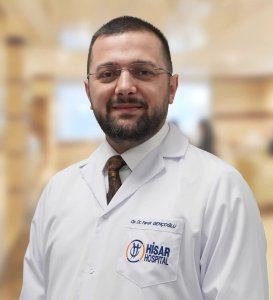
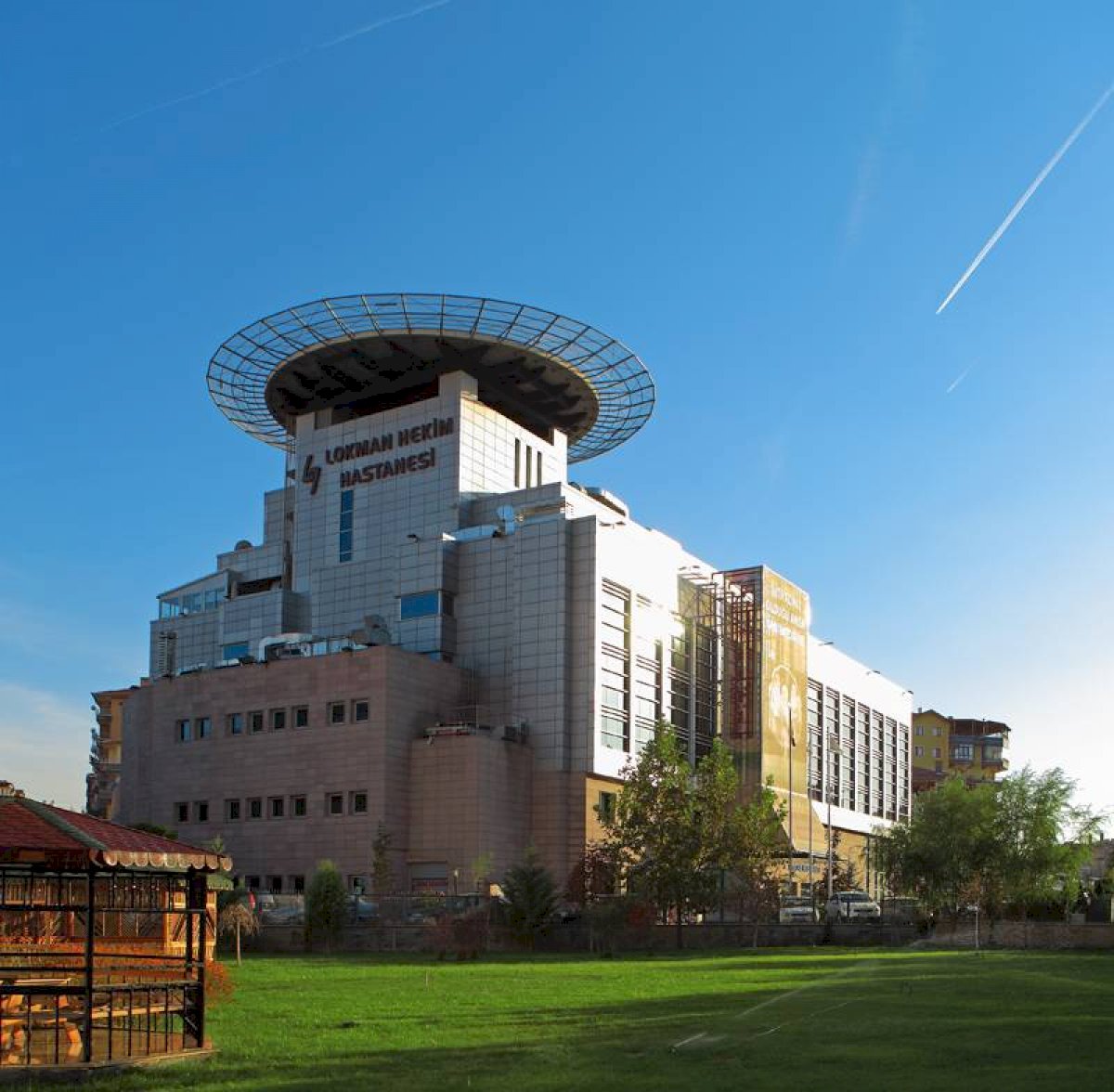
Hisar Intercontinental Hospital
Faruk Gencoglu
















نظرة عامة على الجراحة التجميلية لصمام القلب في تركيا
- استبدال صمام القلب - من $15,000
تستبدل هذه الجراحة صمامات القلب التالفة ، وتحسن تدفق الدم ووظيفة القلب لحياة أكثر صحة.
- الجراحة التجميلية لصمام القلب - من $11,000
تعدل العملية صمامات القلب لتحسين تدفق الدم ، باستخدام تقنيات طفيفة التوغل للتعافي السريع.
- زرع الصمام الأبهري عبر القثطار (TAVI) - من $19,000
يستبدل الإجراء صمام القلب الفاشل باستخدام قسطرة ، مما يقلل من وقت الغزو والتعافي.
- استبدال الصمام الأبهري - من $13,100
تستبدل العملية صمام قلب معطل بصمام صحي ، مما يعزز تدفق الدم ووظيفة القلب.
- استبدال الصمام التاجي للأطفال - من $12,000
تهدف العملية التي تستهدف صحة القلب إلى استبدال الصمام التاجي المعيب للطفل ، وتحسين تدفق الدم.
- استبدال الصمام الأورطي للأطفال - من $12,000
تحل هذه العملية محل صمام قلب الطفل التالف ، مما يحسن تدفق الدم ووظيفة القلب بشكل عام.
- رأب الصمام - من $8,000
هذا العلاج يصلح صمامات القلب ، ويعزز تدفق الدم. إنها طفيفة التوغل وأقل خطورة وتنطوي على تعافي أسرع.
اليوم الأول: الوصول
- الوصول إلى البلاد والانتقال إلى العيادة.
- الاستقرار في الغرفة الفردية المقدمة.
اليوم الثاني: ما قبل العملية
- التشاور مع جراح القلب وطبيب التخدير.
- إجراء الفحوصات الطبية اللازمة بما في ذلك فحوصات البول.
اليوم الثالث: الجراحة التجميلية لصمام القلب
- القبول في غرفة العمليات.
- التخدير العام.
- بدء إجراءات الجراحة التجميلية لصمام القلب.
- تستغرق الجراحة ما يقرب من ثلاث إلى ست ساعات.
من اليوم الرابع إلى اليوم العاشر: ما بعد العملية
- المراقبة والرعاية في وحدة العناية المركزة.
- فحوصات منتظمة من قبل الجراحين وأطباء القلب.
- يبقى المريض لمدة أسبوع على الأقل بعد الجراحة.
الأسبوع الثاني إلى الأسبوع الثامن: إعادة التأهيل
- يبدأ العلاج الطبيعي وإعادة تأهيل القلب.
- زيادة تدريجية في النشاط البدني.
- بحلول الأسبوع السادس ، يمكن العودة إلى العمل.
- بحلول الأسبوع الثامن ، عد إلى الرياضة والأنشطة الأخرى.
يرجى ملاحظة أن حالة كل مريض فريدة من نوعها وقد يختلف الجدول الزمني وفقًا لذلك.
- إيداع Bookimed: 200 دولار أو 200 يورو.
- وديعة العيادة: ادفع نسبة محددة مقدمًا.
احصل على تقييم طبي لـ الجراحة التجميلية لصمام القلب في تركيا. استشر الآن 45 أطباء ذوي الخبرة.
عرض جميع الأطباءFaruk Gencoglu
أجرى أكثر من 3000 عملية جراحية للقلب والأوعية الدموية، بما في ذلك إجراءات الصمام الأورطي والمترالي، في معهد جراح باشا لأمراض القلب في إسطنبول ومستشفى باتمان للتدريب والبحوث.
- متخصص في أمراض صمامات القلب منذ عام 2020
- رأس قسم جراحة القلب المفتوح لمدة 11 سنة
- حاصل على زمالة من معهد جراح باشا في إسطنبول – المركز الرائد لأمراض القلب في تركيا
- يجري عمليات جراحية معقدة في الشريان الأورطي والشريان السباتي

Ali Fedakar
أجرى أكثر من 4000 عملية قلب مفتوح – يتخصص البروفيسور فيداكار في إجراءات القلب المعقدة في مستشفى هيسار إنتركونتيننتال.
- خبير في تقنيات جراحة القلب طفيفة التوغل
- أجرى عمليات زراعة قلب كجراح رئيسي لـ 8 مرضى
- أسس عيادات جراحة القلب والأوعية الدموية في العديد من المستشفيات
- متخصص في جراحات إعادة إصلاح الصمامات (الإجراءات الثانية أو الثالثة)
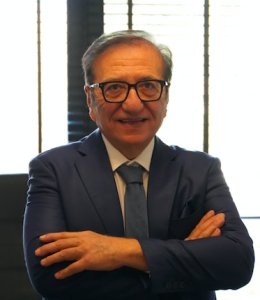
Öztekin Oto
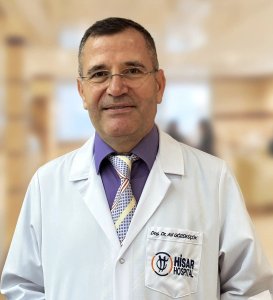
Ali Gozukucuk
يتخصص الدكتور علي جوزوكوك في جراحة الأطفال، مع التركيز على أمراض البطن والفتق، في مستشفى هيسار إنتركونتيننتال.
- أكمل زمالة في جراحة الأطفال في جامعة إرجييس
- نشر 3 مقالات في مجلات دولية محكمة
- قدم 13 مقالاً في مؤتمرات علمية دولية
- تشمل مجالات الخبرة علاج الفتق وحالات آلام البطن
قصص فيديو من مرضى Bookimed
المراجعات
جميع المراجعاتمشاركة المحتوى
 Anna Leonova
حقائق سريعة عن الجراحة التجميلية لصمام القلب

الجراحة التجميلية لصمام القلب
يركز هذا الإجراء على إصلاح صمامات القلب الموجودة أو تعديلها لتحسين وظيفتها وتدفق الدم.
أسئلة متكررة حول الجراحة التجميلية لصمام القلب في تركيا
ما هي أفضل المدن والمستشفيات لجراحة صمامات القلب في تركيا؟
تعد إسطنبول وأنقرة وأنطاليا الوجهات الأولى لجراحة صمامات القلب في تركيا، حيث تضم أعلى كثافة من مراكز القلب المعتمدة من قبل اللجنة الدولية المشتركة (JCI). تعمل إسطنبول كمركز رئيسي، وتضم مرافق عالمية المستوى مثل مستشفى هيسار إنتركونتيننتال ومستشفى ميموريال شيشلي، المتخصصين في إصلاح الصمامات الروبوتية وتقنية TAVI.
- أفضل المستشفيات: يقدم مستشفى ميموريال شيشلي ومركز الأناضول الطبي إصلاحات روبوتية وجراحية طفيفة التوغل متخصصة.
- جراحون خبراء: أجرى الدكتور علي فيداكار في مستشفى هيسار أكثر من 4000 عملية قلب ناجحة.
- تكنولوجيا متقدمة: تستخدم المرافق أنظمة Da Vinci الروبوتية وطريقة ميامي لإجراء شقوق أصغر.
- المراكز السريرية: تتصدر إسطنبول من حيث الحجم، بينما تشتهر أنقرة بحالات الأبحاث المعقدة التي يقودها الأكاديميون.
رؤية خبير Bookimed: بينما يبحث الكثيرون عن أقل سعر، فإن القيمة الحقيقية في تركيا تكمن في نسبة خبرة الجراح إلى التكلفة. يتمتع الدكتور علي فيداكار في مستشفى هيسار بحجم عمليات يزيد عن 4000 جراحة. من $11,000.
إجماع المرضى: يؤكد المرضى على إعطاء الأولوية للمراكز المعتمدة من JCI في إسطنبول أو أنقرة لضمان بروتوكولات سلامة على المستوى الأمريكي. يعد التواصل الواضح وخطة المتابعة القوية مع طبيب قلب محلي ضروريين للتعافي السلس.
هل `الجراحة التجميلية` لصمامات القلب هي نفسها جراحة التجميل؟
الجراحة التجميلية لصمام القلب هي إجراء ترميمي ضروري طبياً يسمى رأب الصمام أو رأب الحلقة، وليست تحسيناً تجميلياً. على عكس جراحات التجميل، تقوم هذه العمليات بإصلاح أنسجة أو هياكل الصمام التالفة لاستعادة تدفق الدم المناسب ومنع فشل القلب.
- الغرض الطبي: استعادة وظيفة القلب الحيوية عن طريق إصلاح صمامات القلب المسربة أو الضيقة.
- جراحون متخصصون: يتم إجراؤها بواسطة جراحي القلب والصدر، وغالباً ما يكونون معتمدين أو أعضاء في جمعية جراحي الصدر.
- التقنيات الإجرائية: تشمل رأب الصمام التاجي، ورأب الحلقة، وإعادة التشكيل الجراحي باستخدام رقع التامور.
- الإعداد السريري: يتم إجراؤها في مستشفيات معتمدة من JCI مثل Memorial Şişli أو Hisar Hospital Intercontinental.
رؤية خبير Bookimed: بينما يربط المرضى غالباً الجراحة التجميلية بالجماليات، تركز جراحة القلب التجميلية في تركيا على نجاح الإصلاحات ذات الحجم الكبير. أجرى جراحون مثل الدكتور علي فداكار أكثر من 4000 عملية قلب مفتوح. يسمح هذا الحجم الكبير للمراكز التركية بالحفاظ على معدلات نجاح تتجاوز 90% لعمليات إعادة بناء الصمامات المعقدة.
إجماع المرضى: يؤكد المرضى على ضرورة التأكد من أن الجراحة التجميلية تشير تحديداً إلى إصلاح الصمام أو رأب الصمام في التقارير الطبية باللغة الإنجليزية. يقترح الكثيرون إعطاء الأولوية للمرافق المعتمدة من JCI والتأكد من إجراء تصوير TEE قبل الجراحة لضمان أدق خطة جراحية.
ما هي المخاطر الشائعة المرتبطة بجراحة صمامات القلب في تركيا؟
تعتبر جراحة صمامات القلب في تركيا ناجحة للغاية، حيث تتراوح معدلات النجاح بين 91% و97% في المستشفيات المعتمدة من قبل اللجنة الدولية المشتركة (JCI). تشمل المخاطر الشائعة النزيف بعد الجراحة في 10% من الحالات، وعدم انتظام ضربات القلب المؤقت مثل الرجفان الأذيني، وخطر الإصابة بسكتة دماغية بنسبة 5%-10%. قد يعاني بعض المرضى أيضًا من خلل مؤقت في وظائف الكلى أو التهابات في موقع الشق الجراحي.
- معدلات النجاح: تصل معدلات نجاح إجراءات الصمام الأبهري إلى 94%-97% في أفضل المراكز التركية.
- خطر عدم انتظام ضربات القلب: يحدث الرجفان الأذيني لدى 40% من المرضى خلال فترة التعافي الأولية.
- متانة الصمام: تتطلب الصمامات النسيجية الحيوية عادةً استبدالها بعد 10 إلى 15 عامًا.
- الرعاية طويلة الأمد: تتطلب الصمامات الميكانيكية تناول أدوية مضادة للتخثر مدى الحياة لمنع تكون جلطات دموية خطيرة.
رؤية خبير Bookimed: بينما يركز الكثيرون على الجراحة، فإن فترة التعافي التي تتراوح بين 3 إلى 6 أشهر هي الوقت الذي تظهر فيه معظم المضاعفات. تظهر البيانات المستمدة من جراحين ذوي خبرة عالية مثل الدكتور علي فداكار في مستشفى هيسار إنتركونتيننتال، الذي أجرى أكثر من 4000 عملية، أن الالتزام بالبقاء محلياً لمدة أسبوعين يقلل بشكل كبير من معدلات إعادة الإدخال إلى المستشفى. كما أن الاستشارات الافتراضية مع طبيب القلب في بلد المريض قبل السفر ضرورية للكشف المبكر عن أي مشاكل بعد الجراحة.
إجماع المرضى: غالبًا ما يسلط المرضى الضوء على واقع "ضبابية الدماغ" بعد الجراحة وضرورة الحصول
ما هي معدلات النجاح المبلغ عنها لإجراءات صمامات القلب في المراكز التركية؟
تبلغ مراكز القلب التركية عن معدلات نجاح تتراوح بين 90% و98% لإجراءات صمامات القلب الرئيسية. تحقق المرافق الرائدة في إسطنبول نجاحاً يصل إلى 99.9% في عمليات استبدال الصمام الأورطي. هذه النتائج مدعومة بأحجام جراحية عالية والالتزام الصارم بمعايير السلامة الخاصة باللجنة الدولية المشتركة (JCI).
- استبدال الصمام الأورطي: تبلغ المراكز عن نجاح بنسبة 94% إلى 98% باستخدام صمامات ميكانيكية أو حيوية.
- جراحة TAVI طفيفة التوغل: يصل نجاح الإجراء إلى 95% إلى 98% للمرضى ذوي المخاطر العالية الذين تم اختيارهم بشكل مناسب.
- إصلاح الصمام الميترالي: تحقق العيادات المتخصصة نجاحاً بنسبة 95% من خلال تعديل أنسجة الصمام الموجودة.
- معايير البقاء على قيد الحياة: تحافظ المستشفيات المعتمدة من JCI على معدلات بقاء لمدة 30 يوماً تتجاوز 97% للحالات الاختيارية.
رؤية خبير Bookimed: يرتبط الحجم الكبير مباشرة بالسلامة في تركيا. على سبيل المثال، أجرى البروفيسور علي فيداكار في مستشفى هيسار إنتركونتيننتال شخصياً أكثر من 4000 عملية قلب مفتوح. هذا المستوى من الخبرة الفردية في المراكز التي تخدم أكثر من 250,000 مريض سنوياً يؤدي غالباً إلى معدلات مضاعفات أقل من المرافق الإقليمية الأصغر.
إجماع المرضى: يؤكد المرضى على أهمية التحقق من أحجام حالات الجراحين المحددين من خلال السجلات الدولية. على الرغم من أن التكاليف أقل بكثير، يوصي المسافرون بإعطاء الأولوية للعيادات التي لديها فرق مراقبة مخصصة لما بعد الجراحة لضمان استقرار الإصلاح على المدى الطويل.
ما هي فترة التعافي بعد جراحة صمام القلب في تركيا؟
عادةً ما يتضمن التعافي بعد جراحة صمام القلب في تركيا إقامة في المستشفى لمدة تتراوح بين 7 إلى 10 أيام، و6 إلى 12 أسبوعاً للشفاء البدني الكامل. غالباً ما يتعافى المرضى الذين يخضعون لتقنيات طفيفة التوغل مثل TAVI في غضون 2 إلى 4 أسابيع، بينما تتطلب إجراءات القلب المفتوح فترات أطول لالتئام عظمة الصدر.
- الجدول الزمني للسفر: يجب على المرضى الدوليين البقاء في تركيا لمدة 10 إلى 21 يوماً بعد العملية.
- قيود النشاط: يُمنع رفع الأثقال التي تزيد عن 4.5 كجم (10 أرطال) لمدة لا تقل عن 8 إلى 12 أسبوعاً.
- الاستعداد للقيادة: يطلب معظم الجراحين فترة تتراوح بين 4 إلى 6 أسابيع قبل استئناف القيادة لضمان السلامة.
- العودة للعمل: يمكن العودة للوظائف المكتبية بعد 6 أسابيع؛ بينما يتطلب العمل البدني 3 أشهر.
رؤية خبير Bookimed: تستخدم المراكز ذات الكثافة العالية مثل مستشفى هيسار إنتركونتيننتال ومستشفى ميموريال شيشلي بروتوكولات معتمدة من اللجنة الدولية المشتركة (JCI) تعطي الأولوية للتحرك المبكر. تُظهر البيانات أن الجراحين ذوي الخبرة مثل الدكتور علي فداكار، الذي أجرى أكثر من 4000 عملية، يحققون الاستقرار بشكل أسرع. يجب على المرضى اختيار العيادات التي توفر 5 إلى 7 ليالٍ من التعافي الفندقي المتكامل لمراقبة أفضل.
إجماع المرضى: يشعر الكثيرون أن الأسبوعين الأولين أصعب مما كان متوقعاً بسبب التعب ومحدودية الحركة. وبينما يقترح الجراحون 6 أسابيع للعودة إلى الحياة الطبيعية، يشير العديد من المرضى إلى أنهم يحتاجون من 3 إلى 6 أشهر ليشعروا بالتعافي الكامل.
ما الذي يتم تضمينه عادةً في باقة السفر الطبي الشاملة لجراحة صمامات القلب في تركيا؟
تجمع باقات جراحة صمامات القلب الشاملة في تركيا عادةً بين الإجراء الجراحي، والتشخيص قبل الجراحة مثل تخطيط صدى القلب وتصوير الأوعية، و3-7 أيام من الإقامة في المستشفى. تشمل معظم الخطط أيضًا انتقالات VIP من المطار إلى الفندق، ومنسقي مرضى ثنائيي اللغة، وإقامة لمرافق أثناء الإقامة السريرية.
- الجراحة الأساسية: تشمل أتعاب الجراح، والتخدير، وزراعة الصمامات الميكانيكية أو البيولوجية.
- مجموعة التشخيص: تغطي تحاليل الدم، وتخطيط القلب، والأشعة السينية للصدر، وتصوير القلب المتقدم.
- الإقامة في المستشفى: توفر عادةً 3-7 ليالٍ بما في ذلك 1-2 يوم في وحدة العناية المركزة للقلب.
- لوجستيات السفر: تشمل الباقات القياسية انتقالات خاصة وغرف مستشفى مشتركة للمرافقين.
رؤية خبير Bookimed: في حين أن العديد من العيادات مثل مستشفى هيسار إنتركونتيننتال أو ميموريال شيشلي تقدم إقامة قياسية في المستشفى لمدة 7 أيام، فإن الميزة الحقيقية هي النسبة بين العناية المركزة والجناح العادي. غالبًا ما تشمل المراكز ذات الحجم الكبير يومين كاملين من مراقبة القلب المكثفة. هذا أطول بـ 24 ساعة من المتوسط الأوروبي، مما يوفر شبكة أمان حاسمة قبل الانتقال إلى غرفة قياسية.
إجماع المرضى: يؤكد المرضى على أهمية طلب قائمة مفصلة بالأدوية. في حين أن الإقامة في المستشفى مغطاة، فإن أدوية الخروج ومضادات التخثر طويلة الأمد للصمامات الميكانيكية غالبًا ما تكون تكاليف منفصلة.