علاج كيس المبيض في كوريا الجنوبية — احصل على 3 عيادات مختارة خصيصاً لك


تمت مراجعة المقالة طبيا من قبل
فهد مولود
كيف نعمل؟
ما هي تكلفة كيس المبيض إجراءات التشخيص والعلاج في كوريا الجنوبية؟ اعرف الآن
من $9,000. تعتمد النفقات الإجمالية على مدى تعقيد الكيس، ومستوى العيادة، والتقنية الجراحية المختارة. يمكن للمرضى توفير ما يقرب من 30-50% مقارنة بالولايات المتحدة. تقع معظم المراكز المتخصصة في سيول وإنتشون.
تكاليف علاج كيس المبيض النموذجية في جمهورية كوريا
- استشارة طبيب أمراض النساء: $50 – $55
- فحص الحوض بالموجات فوق الصوتية: $90 – $190
- استئصال كيس المبيض بالمنظار: من $9,000
- العلاج الهرموني: $2,500 – $5,200
رؤية خبراء Bookimed: يجب على المرضى الذين يبحثون عن أعلى درجات الدقة الجراحية التفكير في الخيارات المساعدة بالروبوت. يقدم مستشفى سيول ميز (Seoul Miz Hospital) باقة استئصال الكيس باستخدام تقنية دافنشي (Da Vinci) مقابل حوالي 16,500 دولار. يشمل هذا العرض المميز إقامة فندقية لمدة سبعة أيام وخدمات نقل بالليموزين. بالنسبة لأولئك الذين يعطون الأولوية للخصوبة، تتخصص عيادة ترينيتي للنساء (Trinity Women’s Clinic) في العلاج بالتصليب غير الجراحي. تتجنب هذه التقنية الموجهة بالموجات فوق الصوتية الجراحة العامة تماماً. وقد أكملت المراكز المتخصصة في سيول بنجاح أكثر من 10,000 إجراء لعلاج كيس المبيض.
| كوريا الجنوبية | تركيا | إسبانيا | |
|---|---|---|---|
| العلاج بالهرمونات | ≈ $2,500 | من $1,100 | من $600 |
| استئصال كيس المبيض بالمنظار | من $9,000 | من $5,000 | من $13,500 |
| Оophorectomy | ≈ $5,500 | من $2,800 | من $10,100 |
اكتشف أفضل كيس المبيض العيادات في كوريا الجنوبية: 11 خيارات معتمدة والأسعار














احصل على تقييم طبي لـ في كوريا الجنوبية. استشر الآن 8 أطباء ذوي الخبرة.
عرض جميع الأطباء
Yeoun E Park
كبير المسؤولين الطبيين في مستشفى سيول ميز، يتخصص الدكتور بارك في الجراحة بالمنظار لأورام المبيض والحالات النسائية.
- أستاذ مساعد في العديد من الجامعات الطبية الكورية المرموقة
- عضو الجمعية الكورية لأمراض النساء والتوليد
- خبير في إدارة الحمل عالي الخطورة وبطانة الرحم المهاجرة
- يقود خدمات صحة المرأة بما في ذلك فحص السرطان النسائي
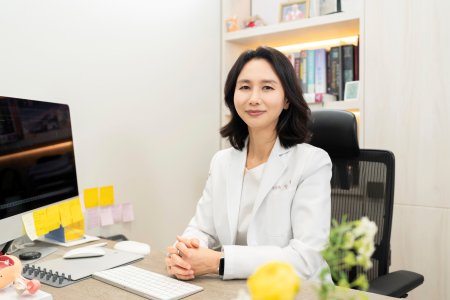
Yang Ki Yeol
الدكتورة كي يول يانغ، MD، PhD، هي المؤسسة والمديرة الممثلة لعيادة ترينيتي للنساء. تُعدّ متخصصة في سن اليأس ورائدة في الجراحة النسائية طفيفة التوغل مع الحفاظ على الرحم. تحمل البورد الكوري في التوليد وأمراض النساء، وهي أخصائية معتمدة في سن اليأس (الجمعية الكورية لسن اليأس). تستند ممارستها، المستفادة من عشرات الآلاف من الحالات السريرية، إلى تقديم علاج هرموني تعويضي مُفصَّل ورعاية دقيقة.
لديها خبرة في العلاج بالموجات فوق الصوتية المركزة عالية الشدة (HIFU) والاستئصال بالترددات الراديوية (RF
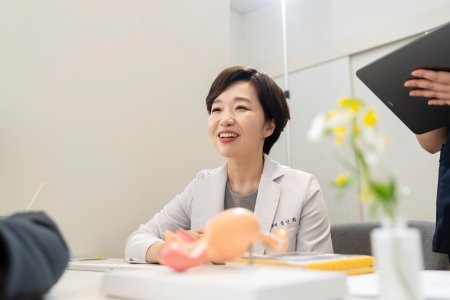
Jung Nan Hee
المؤسس لعيادة ترينيتي للنساء. حاصل على اعتماد Master Surgeon في طب أمراض النساء طفيفة التوغّل وجراحة التجميل النسائية. رائد في رعاية محافظة على الرحم وخالية من الندوب باستخدام RFA (الاستئصال بالترددات الراديوية)، وHIFU (الموجات فوق الصوتية المركزة عالية الكثافة)، والعلاج بالتصليب للمبيض.
أستاذ جراحة التجميل النسائية غير الجراحية في IFAAS. يقود دورات Master Class دولية في RFA في تايوان ومنغوليا. مدير الشؤون العامة في الجمعية الكورية لـ HIFU. يشغل مناصب مدير في KMPA وKCOG والجمعية الكوري

Heeseok Kang
تتخصص الدكتورة كانغ في جراحة أمراض النساء طفيفة التوغل، وتتمتع بخبرة واسعة في إجراءات تنظير البطن لأكياس المبيض في مستشفى سيول ميز.
- تدربت في مركز سامسونج الطبي - أحد أفضل المستشفيات في كوريا
- نشرت العديد من الدراسات حول تقنيات تنظير البطن لحالات المبيض
- حصلت على جوائز للتميز في أبحاث أورام أمراض النساء
- تعمل حالياً كأستاذ مساعد في مركز سامسونج الطبي
مشاركة المحتوى
قصص فيديو من مرضى Bookimed
 Anna Leonova
أسئلة متكررة حول علاج كيس المبيض في كوريا الجنوبية
ما هي أفضل المستشفيات في كوريا الجنوبية لعلاج تكيسات المبيض؟
تشمل أفضل المستشفيات الكورية لعلاج تكيسات المبيض مستشفى سيول ميز (Seoul Miz Hospital)، ومركز سامسونج الطبي (Samsung Medical Center)، وعيادة ترينيتي النسائية (Trinity Women's Clinic). تتخصص هذه المرافق في تقنيات الحفاظ على الخصوبة مثل تنظير البطن بفتحة واحدة والجراحة الروبوتية. غالبًا ما توفر المراكز المتخصصة باقات شاملة مع تشخيصات متقدمة مثل اختبارات AMH والتصوير بالرنين المغناطيسي.
- مراكز متخصصة: أجرى مستشفى سيول ميز أكثر من 10,000 عملية لعلاج تكيسات المبيض.
- تكنولوجيا متقدمة: يستخدم مركز سامسونج الطبي روبوتات دا فينشي لإزالة التكيسات بدقة وبأقل تدخل جراحي.
- التركيز على الخصوبة: تقدم عيادة ترينيتي النسائية العلاج بالتصلب الموجه بالموجات فوق الصوتية لحماية أنسجة المبيض السليمة.
- خبرة أكاديمية: يوفر مركز جامعة إيهوا النسائية الطبي رعاية حصرية ومتعددة التخصصات للنساء.
رؤية خبير Bookimed: يتميز مستشفى سيول ميز بمركز تكيسات المبيض المتخصص وحجم العلاجات المرتفع. بينما تتعامل المستشفيات الجامعية الكبرى مع ملايين المرضى، تركز العيادات المتخصصة مثل سيول ميز على الخبرة المركزة. غالبًا ما تتضمن باقات VIP الخاصة بهم خدمات غير طبية مثل الإقامة في الفندق لمدة 7 ليالٍ وخدمات النقل بالليموزين. وهذا يجعلها خيارًا أكثر عملية للمرضى الدوليين الذين يبحثون عن لوجستيات سلسة إلى جانب الدقة الجراحية.
إجماع المرضى: يؤكد المرضى على قيمة العثور على عيادات تقدم أكثر من 5 لغات لضمان تواصل طبي واضح. يلاحظ الكثيرون أنه من المفيد عندما تقوم المراف
هل الجراحة بالمنظار هي النهج القياسي لإزالة كيسات المبيض في كوريا؟
تعد الجراحة بالمنظار النهج الطبي القياسي لإزالة كيسات المبيض في كوريا الجنوبية. يفضل الجراحون هذه الطريقة طفيفة التوغل لسرعة التعافي والحد الأدنى من الندبات. تستخدم المراكز المتخصصة في سيول تقنيات متقدمة ذات منفذ واحد وأنظمة روبوتية لعلاج أكثر من 10,000 حالة سنوياً.
- التقنية الجراحية: تستخدم استئصال الكيس بالمنظار شقوقاً تتراوح بين 0.5 إلى 1 بوصة لأوقات شفاء أسرع.
- خيارات متقدمة: تقلل جراحة المنظار ذات المنفذ الواحد عبر السرة من الندبات المرئية والألم بعد العملية الجراحية.
- الأنظمة الروبوتية: تستخدم المراكز ذات الحجم الكبير منصة Da Vinci SP لجراحات الحفاظ على المبيض المعقدة.
- بدائل غير جراحية: تقدم العيادات المتخصصة العلاج بالتصليب الموجه بالموجات فوق الصوتية أو الاستئصال بالترددات الراديوية لكيسات حميدة محددة.
رؤية خبير Bookimed: تُظهر المستشفيات المتخصصة مثل مستشفى سيول ميز اتجاهاً كبيراً نحو الحفاظ على الرحم والمبيض. مع أكثر من 10,000 علاج ناجح، يشير تركيزهم على التقنيات الروبوتية وذات المنفذ الواحد إلى أن المراكز الكورية ذات الحجم الكبير تعطي الأولوية لإنقاذ الأنسجة السليمة. يجب على المرضى البحث عن جراحين مثل الدكتور هيسوك كانغ، الحاصل على جوائز محددة لأبحاث طب الأورام النسائية.
إجماع المرضى: يشير المرضى إلى أنه من المهم التأكد مما إذا كانت الكيسة مناسبة للمنظار بناءً على حجمها. ويؤكدون على ضرورة السؤال عما إذا كانت الخطة تتضمن إزالة الكيسة فقط أو المبيض بأكمله قبل بدء الإجراء.
ما مدى سرعة تعافي المرضى بعد إجراءات كيس المبيض في كوريا؟
يتعافى المرضى في كوريا الجنوبية عادةً في غضون أسبوع إلى أسبوعين بعد جراحة كيس المبيض بالمنظار. يتم خروج معظم المرضى في غضون يوم إلى يومين بفضل التقنيات طفيفة التوغل المتقدمة. غالبًا ما تجري المراكز عالية التخصص إجراءات بمساعدة الروبوت لتقليل صدمة الأنسجة وتسريع الشفاء بشكل أكبر.
- الإقامة في المستشفى: يتم خروج معظم المرضى بعد يوم إلى يومين من إجراءات المنظار.
- استئناف النشاط: يمكن عادةً استئناف المهام اليومية الخفيفة بعد يومين إلى 3 أيام من الجراحة.
- العودة إلى العمل: يعود معظم المرضى إلى الوظائف المكتبية في غضون أسبوع إلى 3 أسابيع.
- النهج الجراحي: تعمل الطرق بالمنظار والروبوتية على تقصير فترة التعافي بشكل كبير مقارنة بالجراحة المفتوحة التي تستغرق 8 أسابيع.
رؤية خبير Bookimed: بينما تشير البيانات العامة إلى إقامات تتراوح بين يوم إلى يومين، تقدم المستشفيات الكورية المتخصصة مثل مستشفى سيول ميز (Seoul Miz Hospital) باقات إقامة شاملة لمدة 4 أيام. غالبًا ما تتضمن هذه البروتوكولات تشخيصات مفصلة مثل اختبارات AMH والهرمونات لضمان صحة المبيض على المدى الطويل جنبًا إلى جنب مع الإجراء. تركز هذه الإقامة الأولية الأطول على الرعاية المكثفة بعد الجراحة مباشرة، مما قد يساعد في إدارة ذروة التعب وضغط البطن في أول 48 ساعة.
إجماع المرضى: يشير المرضى إلى أن المشي في غضون 24 ساعة أمر شائع، على الرغم من أنهم غالبًا ما يشعرون بالتعب أكثر مما كان متوقعًا. يسلط الكثيرون الضوء على أنه على الرغم من أن الشقوق الصغيرة تلتئم بسرعة، إلا أن ضيق البطن
ما هو الدعم الذي تقدمه المستشفيات الكورية للمرضى الدوليين؟
توفر المستشفيات الكورية دعمًا شاملاً للمرضى الدوليين من خلال مراكز مخصصة للمرضى الدوليين. تدير هذه المراكز الترجمة الفورية متعددة اللغات باللغات الإنجليزية والروسية والصينية. كما أنها تنسق التأشيرات الطبية، وخدمات النقل بالليموزين من المطار، وأماكن الإقامة لكبار الشخصيات. غالبًا ما تقدم المرافق المعتمدة من قبل اللجنة الدولية المشتركة (JCI) جدولة سريعة للتشخيصات النسائية المعقدة.
- المراكز الدولية: تدير أقسام مخصصة المواعيد والترجمات ولوجستيات الخروج للأجانب.
- المساعدة اللغوية: يساعد المترجمون الطبيون المحترفون في الموافقة على الجراحة واستشارات المتخصصين.
- الدعم اللوجستي: تشمل الخدمات الاستقبال في المطار، وحجوزات الفنادق، وتنسيق ترجمة السجلات الطبية.
- الباقات الشاملة: تقدم العديد من العيادات باقات تشمل غرف كبار الشخصيات، ووجبات تحت إشراف أخصائيي التغذية، والأدوية بعد الجراحة.
رؤية خبير Bookimed: تكشف بياناتنا أن المراكز ذات الحجم الكبير مثل مستشفى سيول ميز (Seoul Miz Hospital)، الذي أجرى أكثر من 10,000 عملية لعلاج تكيسات المبيض، تدمج الرعاية السريرية مع الأنظمة الرقمية المتقدمة. وهذا يسمح بتشخيص سريع حيث يتم الانتهاء من اختبارات الدم والموجات فوق الصوتية والأشعة المقطعية في غضون يوم إلى يومين. للحصول على تجربة سلسة، اختر المستشفيات التي تدمج إقامة فندقية لمدة 7 أيام وخدمات النقل بالليموزين في الباقة الجراحية لتبسيط التعافي بعد الجراحة.
إجماع المرضى: يؤكد المرضى أن إحضار الفحوصات السابقة المترجمة وجدول زمني واضح للأعراض