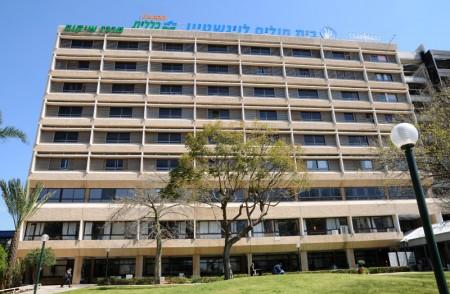
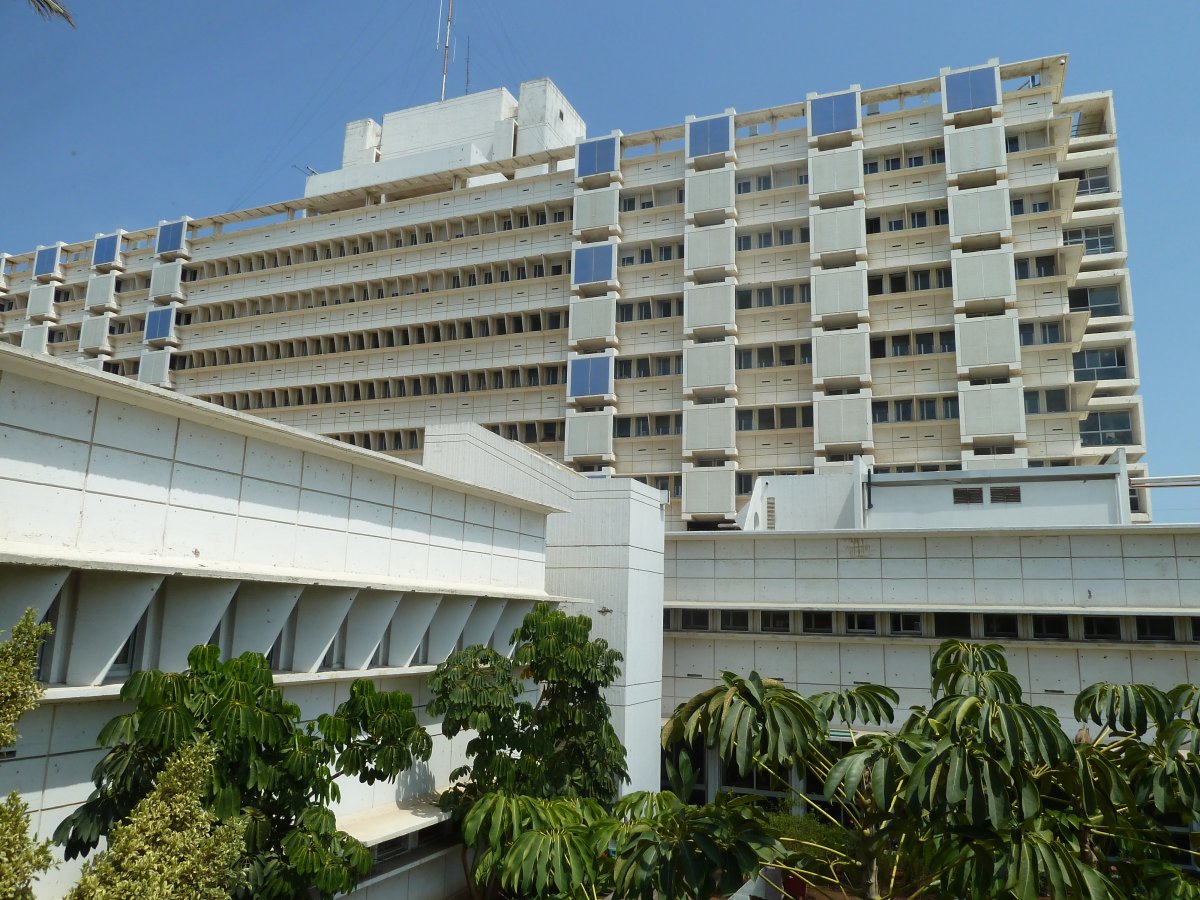
Sourasky Medical Center (Ichilov)
إسرائيل, Tel Aviv
Arnon Karni
41سنة خبره ١٦ سنة

العيادة معتمدة من قبل : 




تمت مراجعة المقالة طبيا من قبل
فهد مولود
تعتمد التكلفة الإجمالية لعلاج التصلب المتعدد في إسرائيل على الخطة الطبية المحددة المصممة خصيصًا للمريض. تبلغ تكلفة التقييم الأولي في مركز طبي $5,400، بينما يتم تسعير استشارة الخطة الشاملة بـ $1,000. للحصول على رؤى إضافية من المتخصصين، تتراوح تكلفة الاستشارة بين $600 و $800، وتكلفة الاستشارة عن بعد مع متخصص هي $1,000. يتم تطوير برنامج العلاج بعد مراجعة شاملة لبيانات المريض الطبية واستشارات الخبراء.
| إسرائيل | تركيا | إسبانيا | |
|---|---|---|---|
| دواء Ocrevus (ocrelizumab) | ≈ $16,500 | ≈ $4,500 | من $12,000 |
| تبادل البلازما | ≈ $4,500 | ≈ $3,900 | ≈ $2,400 |
| الفصل العلاجي للدم | ≈ $1,400 | من $4,500 | ≈ $1,400 |
| العلاج الدوائي لمرض التصلب المتعدد | ≈ $9,000 | من $3,100 | ≈ $3,000 |
| البلازما | ≈ $1,800 | من $3,200 | من $12,300 |
رئيس مركز المناعة العصبية في مركز سوراسكي الطبي – أخصائي إسرائيلي رائد في التصلب المتعدد مع خبرة بحثية من جامعة هارفارد.

متخصص في طب أعصاب الأطفال مع التركيز على التصلب المتعدد في مركز سوراسكي الطبي. يجمع بين الخبرة السريرية والرؤى البحثية.

أخصائي مناعة عصبية متخصص حصرياً في علاج التصلب المتعدد – ينصب تركيز الدكتور روزنبرغ بالكامل على هذه الحالة المعقدة.

يقود الدكتور ديميتريوس كاروسيس عيادة التصلب المتعدد متعددة التخصصات في مركز هداسا الطبي، مع 40 سنة من الخبرة المتخصصة في علم المناعة العصبية.
 Anna Leonova
تُعدّ إسرائيل رائدةً في علاج التصلب المتعدد بفضل تطويرها للأدوية المبتكرة وأبحاثها الرائدة عالميًا في مجال الخلايا الجذعية. وقد طوّر علماء محليون دواء كوباكسون، وهو الدواء الرائد لعلاج التصلب المتعدد المستخدم عالميًا. وتُقدّم مراكز متخصصة، مثل مركز هداسا الطبي، بروتوكولات فريدة لحقن الخلايا الجذعية المشتقة من نخاع العظم مباشرةً في السائل النخاعي.
رأي خبراء بوكيمد: تستقبل المراكز العصبية الإسرائيلية أعدادًا هائلة من المرضى الدوليين، حيث يخدم مركز هداسا الطبي وحده مليون مريض سنويًا. يتيح هذا التدفق الكبير للمرضى للأطباء التخصص في حالات نادرة من أمراض المناعة العصبية. ويُعرف أخصائيون بارزون، مثل الدكتور أرنون كارني من مركز سوراسكي الطب
تقدم العيادات الإسرائيلية علاجات متطورة للتصلب المتعدد، تشمل زراعة الخلايا الجذعية الذاتية، وحقن الخلايا الجذعية داخل القراب، والأجسام المضادة وحيدة النسيلة عالية الفعالية. وتستخدم مراكز متخصصة، مثل هداسا وسوراسكي، التصوير بالرنين المغناطيسي عالي الدقة وتحليل السائل النخاعي. وتهدف هذه البروتوكولات إلى إصلاح التلف العصبي وإعادة تنشيط الجهاز المناعي.
خبرة بوكيمد: ينبغي على المرضى الباحثين عن رعاية متخصصة في علم المناعة العصبية أن يعلموا أن الدكتور ديميتريوس كاروسيس والبروفيسور تامير بن حور من المركز الطبي هداسا متخصصان في الطب التجديدي. تُظهر بياناتنا أن هذين الطبيبين يشغلان مناصب قيادية في ل
رأي خبراء بوكيمد: بينما تعاني العديد من الدول من قوائم انتظار طويلة، فإنّ التركيز العالي للمراكز المتخصصة في إسرائيل يُتيح التشخيص السريع. في مركز هداسا الطبي، يجمع الدكتور ديميتريوس كاروسيس بين خبرة تزيد عن 30 عامًا وبحوث في علم المناعة العصبية. غالبًا ما تُؤدي هذه الخبرة المُركّزة إلى تأكيد التشخيص في غضون ثمانية أسابيع، بفضل الإحالات من صناديق التأم
يوصي الخبراء الإسرائيليون بدمج العلاج الدوائي للتصلب المتعدد مع تدخلات محددة، مثل اتباع نظام غذائي متوسطي غني بالعناصر الغذائية، وممارسة التمارين الرياضية المائية، واستخدام القنب الطبي. تهدف هذه الاستراتيجيات التكميلية إلى تعزيز حماية الأعصاب، وإعادة تأهيلها، وتخفيف الأعراض. كما تُعدّ العلاجات الحركية المتخصصة والعلاج الحراري من العلاجات السريرية القياسية.
رأي خبراء بوكيمد: تولي مراكز إعادة التأهيل الإسرائيلية، مثل مركز لوينشتاين، أهمية قصوى للسلامة، مع مراعاة المناخ. وتشير البيانات إلى أن البرامج تُعطي الأولوية لاستراتيجيات الوقاية من الحرارة، مثل استخدام سترات التبريد قبل التمرين. وهذا أمر بالغ الأهمية، إذ أن حتى ارتفاعًا ط
تُقدّم إسرائيل خدمات طبية عالية الجودة بأسعار تنافسية للمرضى الدوليين الذين يسعون لعلاج التصلب المتعدد. وتكون تكاليف العلاج عادةً أقل بنسبة 30-50% مقارنةً بالولايات المتحدة. وتضمّ مؤسسات مثل مركز سوراسكي الطبي ومركز هداسا الطبي أقسامًا متخصصة في علم المناعة العصبية معتمدة من قبل اللجنة الدولية المشتركة (JCI).
رأي خبراء بوكيمد: تُظهر المراكز العصبية الإسرائيلية توجهاً قوياً نحو إعادة التأهيل متعدد التخصصات. فعلى سبيل المثال، يتخصص مستشفى لوينشتاين حصراً في إعادة التأهيل. وبينما يتراوح متوسط تكلفة العلاج الدوائي في المستشفيات الكبرى بين 15,000 و31,000 دولار أمريكي، فإن الجمع بين العلاج الدوائي ومراكز إعادة التأهيل المتخصصة
تُعدّ إسرائيل مركزًا رائدًا في جراحة الأعصاب بفضل مزيجها من التطورات الطبية عالية التقنية والخبرات الجراحية المتميزة. وتستخدم مرافق متطورة مثل مركز شيبا الطبي أنظمة ملاحة تعتمد على الذكاء الاصطناعي والتصوير بالرنين المغناطيسي أثناء الجراحة في الوقت الفعلي. وتشير المراكز المتخصصة إلى نسبة نجاح تصل إلى 98% في العمليات الجراحية المعقدة، بما في ذلك جراحة الدماغ مع اليقظة وعلاج اضطرابات الحركة.
رأي خبراء بوكيمد: تُظهر البيانات فرقًا واضحًا بين خيارات العلاج في القطاعين العام والخاص في إسرائيل. تُجري المراكز الخاصة، مثل مركز أسوتا الطبي، أكثر من 92,000 عملية جراحية سنويًا، وتتيح للمرضى اختيار جراح را
يعالج جراحو الأعصاب الإسرائيليون طيفاً واسعاً من الحالات، بدءاً من أورام الدماغ والحبل الشوكي وصولاً إلى الاضطرابات الوظيفية المعقدة. وتستخدم المراكز المتخصصة أحدث التقنيات، مثل جهاز جاما نايف، والتحفيز العميق للدماغ، والتصوير بالرنين المغناطيسي أثناء الجراحة، لتشخيص دقيق للغاية لحالات الصرع، ومرض باركنسون، وأمراض الأوعية الدموية الدماغية.
رأي خبراء بوكيمد: غالبًا ما تجمع المستشفيات الإسرائيلية بين تخصصات طبية متعددة لمعالجة الحالات المعقدة. ففي مركز سوراسكي ا
تضم إسرائيل مراكز جراحة أعصاب عالمية المستوى، مثل مركز سوراسكي الطبي، ومركز شيبا الطبي، ومركز هداسا الطبي. وتُعدّ هذه المؤسسات رائدة عالميًا في علاج أورام الدماغ المعقدة، وأمراض العمود الفقري، واضطرابات الحركة. وتستخدم أحدث التقنيات، مثل جهاز جاما نايف، والأنظمة الروبوتية، والتصوير بالرنين المغناطيسي أثناء الجراحة.
رأي خبراء بوكيمد: تُظهر بياناتنا أنه بينما يلجأ معظم المرضى للعلاج في تل أبيب، يُقدّم مركز رامبام الطبي في حيفا رعايةً فريدةً لإصابات الدماغ. فهو يضم وحدةً متخصصةً للعناية المركزة العصبية تُعالج ما يقارب مليون مريض سنويًا. وهذا ما يجعله
من بين أبرز جراحي الأعصاب الإسرائيليين البروفيسور تسفي رام، والبروفيسور شلومي كونستانتيني، والبروفيسور إسحاق فريد من مركز سوراسكي الطبي. ويشغل هؤلاء المتخصصون مناصب قيادية في الجمعية الأوروبية لجمعيات جراحة الأعصاب (EANS) والجمعية العالمية لجراحة الأعصاب التجسيمية والوظيفية (WSSFN). ويستخدمون تقنيات رسم الخرائط المتقدمة أثناء الجراحة وأنظمة الروبوتات.
رأي خبراء بوكيمد: تشير بيانات مركز سوراسكي وشيبا إلى وجود علاقة وثيقة بين ارتفاع عدد العمليات الجراحية وسلامة المرضى. فعلى سبيل المثال، يُجري مركز سوراسكي أكثر من 34,000 عملية جراحية لعلاج الأورام سنويًا بنسبة نجاح تصل إلى 90%. لذا، ينبغي على المرضى الذين يحتاجون إلى استئصال أورام معقدة إعطاء الأولوية لمراكز كهذه، حيث يُجري الجراحون مئات العمليات الجراحية ا
يجب على المرضى الأجانب الذين يحتاجون إلى علاج جراحي للأعصاب في إسرائيل تقديم وثائق طبية كاملة، بما في ذلك نتائج التصوير بالرنين المغناطيسي أو التصوير المقطعي المحوسب الحديثة، مترجمة إلى اللغة الإنجليزية. يتطلب دخول المستشفى فحصًا سريريًا من قبل أخصائيين للتأكد من ملاءمة المريض للعلاج. غالبًا ما تطلب المستشفيات دفعًا مسبقًا كاملًا أو دفعة مقدمة كبيرة قبل تأكيد مواعيد الجراحة أو إصدار وثائق التأشيرة.
رأي خبراء بوكيمد: تُظهر البيانات أن المؤسسات الطبية الإسرائيلية الرائدة، مثل مركز شيبا الطبي ومركز هداسا الطبي، تستقبل عددًا هائلًا من المرضى، يتجاوز مليون مريض سنويًا. هذا الطلب المرتفع يعني أن العيادات تُعطي الأول