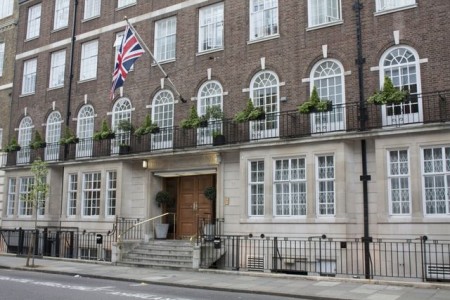
Harley Street Clinic
المملكة المتحدة, لندن


تمت مراجعة المقالة طبيا من قبل
فهد مولود
تتضمن تكلفة علاج التصلب المتعدد في المملكة المتحدة عادةً إجراءات الصيانة مثل تبادل البلازما، والتي تتراوح تكلفتها من $2,500 إلى $4,000، والعلاج الدوائي المتخصص للتصلب المتعدد الذي يتراوح من $14,000 إلى $28,000. تعتمد النفقات بشكل كبير على شدة المرض، ومستوى الإعاقة، والبيئة السريرية المختارة. وفي حين تغطي هيئة الخدمات الصحية الوطنية (NHS) العديد من المقيمين، غالبًا ما يسعى المرضى في القطاع الخاص للحصول على الرعاية في لندن.
تكاليف علاج التصلب المتعدد النموذجية في المملكة المتحدة
رؤية خبراء Bookimed: يستفيد المرضى الذين يبحثون عن رعاية خاصة عالية المستوى من البنية التحتية الطبية المركزة في لندن. يقدم مستشفى ويلينغتون، وهو أكبر عيادة خاصة في المملكة المتحدة، 52 قسماً متخصصاً للحالات المعقدة. وبالنسبة لأولئك الذين يحتاجون إلى أساليب مبتكرة، يُعرف مستشفى برينسيس غريس بأنه أحد أكثر العيادات ابتكاراً في لندن. وغالباً ما يختار المرضى الدوليون مستشفى لندن بريدج لما يقدمه من مساعدة طبية على مدار الساعة طوال أيام الأسبوع وتقييم المرضى الموثق بـ 4 نجوم.
| المملكة المتحدة | تركيا | إسبانيا | |
|---|---|---|---|
| دواء Ocrevus (ocrelizumab) | ≈ $5,600 | ≈ $4,500 | من $12,000 |
| تبادل البلازما | ≈ $6,500 | ≈ $3,900 | ≈ $2,400 |
| الفصل العلاجي للدم | ≈ $2,600 | ≈ $450 | ≈ $1,400 |
| العلاج الدوائي لمرض التصلب المتعدد | ≈ $14,000 | من $3,100 | ≈ $3,000 |
| البلازما | ≈ $2,500 | من $3,200 | من $12,300 |
Bookimed لا يضيف رسوماً إضافية على أسعار علاج التصلب المتعدد. الأسعار مأخوذة من قوائم الأسعار الرسمية للعيادات. تدفع مباشرة في العيادة مقابل علاجك عند وصولك إلى البلد.
Bookimed ملتزم بسلامتك. نحن نعمل فقط مع المؤسسات الطبية التي تحافظ على معايير دولية عالية في علاج التصلب المتعدد ولديها التراخيص اللازمة لخدمة المرضى الدوليين في جميع أنحاء العالم.
Bookimed يقدم مساعدة خبراء مجانية. منسق طبي شخصي يدعمك قبل وأثناء وبعد العلاج، ويحل أي مشاكل. لن تكون وحيداً أبداً في رحلة علاج التصلب المتعدد.

 Anna Leonova
العلاجات المعدلة للمرض (DMTs) هي أدوية متخصصة تستهدف العملية المناعية الكامنة في مرض التصلب المتعدد. تعمل هذه الأدوية على تقليل تكرار الانتكاسات وإبطاء تطور الإعاقة. تتوفر حالياً مجموعة واسعة تضم حوالي 20 علاجاً معتمداً من DMTs في هيئة الخدمات الصحية الوطنية (NHS) للمرضى المؤهلين.
رؤية خبير Bookimed: في حين توفر المراكز الخاصة مثل مستشفى ويلينغتون إعادة تأهيل عصبي متخصصة، فإن تكاليف الأدوية في القطاع الخاص في المملكة المتحدة كبيرة. على سبيل المثال، يمكن أن تتراوح تكلفة علاج Ocrevus بين 35,000 و 55,000 دولار لكل دورة. يجب على المرضى التحقق مما إذا كان طبيب الأعصاب الخاص بهم يمكنه تسهيل الانتقال إلى مسار NHS لإدارة تكاليف الأدوية طويلة الأجل بفعالية.
إجماع المرضى: يشير المرضى إلى أن توثيق كل انتكاسة وإحضار سجلات التصوير بالرنين المغناطيسي الكاملة أمر حيوي لإثبات الأهلية. كما يقترحون التحقق مما إذا كان المستشفى المحلي يمكنه الاستمرار في توفير دواء معين قبل الانتقال إلى مناطق أخرى.
تعتمد الأهلية للحصول على العلاج المعدل للمرض (DMT) على تشخيص مؤكد للتصلب المتعدد الانتكاسي. يقوم الأخصائيون بتقييم الالتهاب النشط عبر فحوصات التصوير بالرنين المغناطيسي والانتكاسات السريرية الأخيرة. يستخدم أطباء الأعصاب مقياس حالة الإعاقة الموسع (EDSS) لقياس الضعف الوظيفي قبل التوصية بعلاجات محددة.
رؤية خبير Bookimed: تؤكد العيادات اللندنية مثل مستشفى ويلينغتون على إعادة التأهيل العصبي المتكامل إلى جانب علاجات DMT لزيادة القدرة على الحركة. في حين تستخدم بعض المرافق نموذج التصعيد، غالباً ما توفر المراكز المعتمدة من CARF وصولاً مبكراً إلى أدوية عالية الفعالية مثل Ocrevus للمرضى الذين يعانون من تطور سريع للمرض. يساعد هذا النهج الاستباقي في تقليل تلف الأعصاب على المدى الطويل بشكل أكثر فعالية من انتظار فشل العلاجات الأخف.
إجماع المرضى: يلاحظ المرضى أن الوصول إلى الأدوية عالية الفعالية يعتمد غالباً على وجود أدلة واضحة من التصوير بالرنين المغناطيسي على نشاط المرض. من المفيد إحضار سجل مفصل للأعراض والفحوصات السابقة إ
يركز علاج التصلب المتعدد المترقي في المملكة المتحدة على إبطاء العجز وإدارة الأعراض. يظل عقار أوكريليزوماب (Ocrelizumab) الدواء الأساسي للتصلب المتعدد المترقي الأولي. أما بالنسبة للتصلب المتعدد المترقي الثانوي النشط، فيصف الأخصائيون عقار سيبونيمود (Siponimod). كما يتوفر فصادة الدم العلاجية وإعادة التأهيل العصبي المتخصص في مراكز لندن المتقدمة.
رؤية خبير Bookimed: غالباً ما توفر إعادة التأهيل تحسينات فورية في جودة الحياة أكثر من الأدوية وحدها في الحالات المترقية. يحمل مستشفى ويلينغتون اعتماد CARF لإعادة التأهيل العصبي، وهو أمر نادر. يشير هذا الاعتماد إلى مستوى أعلى لاستعادة الوظائف مقارنة بعيادات العلاج الطبيعي العامة.
إجماع المرضى: يشير المرضى إلى أن الأهداف يجب أن تظل واقعية لأن العلاجات تهدف إلى الاستقرار بدلاً من التعافي. يؤكد الكثيرون أن إدارة مشاكل المثانة والتعب لا تقل أهمية عن العثور على الدواء المناسب.
يتضمن التعامل مع أعراض التصلب المتعدد اليومية الجمع بين الأدوية المتخصصة، وإعادة التأهيل العصبي الموجه، وتعديلات نمط الحياة. تستخدم العيادات في المملكة المتحدة علاجات متقدمة مثل أوكريفوس (أوكريليزوماب) وفصادة البلازما للسيطرة على تطور المرض. تعطي الخطط الفردية الأولوية للحفاظ على الطاقة، والمساعدة في الحركة، والدعم الإدراكي لتعزيز الوظائف اليومية.
رؤية خبير Bookimed: حصل مستشفى ويلينغتون في لندن على اعتماد CARF خصيصاً لإعادة التأهيل العصبي. يشير هذا الاعتماد المتخصص إلى مستوى أعلى من الرعاية للتعامل مع أعراض التصلب المتعدد المعقدة مقارنة بالمرافق العامة. يستفيد المرضى من شبكة تعالج أكثر من 800,000 شخص سنوياً، مما يضمن الوصول إلى خبرات واسعة النطاق.
إجماع المرضى: يؤكد المرضى على أهمية أداء المهام الصعبة بعد الاستيقاظ مباشرة لتحقيق أقصى استفادة من الطاقة المحدودة. كما يوصون بالاحتفاظ بملاحظات مكتوبة وإيقاف إشعارات الهاتف لتقليل الضباب الدماغي الإدراكي.
تختلف خيارات علاج التصلب المتعدد في جميع أنحاء المملكة المتحدة بسبب سياسات الرعاية الصحية اللامركزية وقرارات التمويل الإقليمية. توافق الوكالات الوطنية مثل NICE وSMC على العلاجات المعدلة للمرض بمعدلات مختلفة. غالباً ما يعتمد الوصول إلى العلاج على مجالس الرعاية المتكاملة الإقليمية أو أولويات مجالس الصحة المحلية.
رؤية خبراء Bookimed: يعد حجم المرضى مؤشراً رئيسياً على البنية التحتية المتخصصة في لندن. يخدم مستشفى ويلينغتون 800,000 مريض سنوياً ويحمل اعتماد CARF لإعادة التأهيل العصبي. تشير هذه الشهادة المتخصصة إلى أن المراكز الإقليمية الأكبر قد توفر دعماً أكثر تنظيماً للتعافي طويل الأمد مقارنة بالعيادات المحلية العامة.
إجماع المرضى: يشير المرضى إلى أن استجابة ممرضات التصلب المتعدد المحليين غالباً ما تكون أكثر أهمية من حجم المستشفى. يؤكد الكثيرون على أهمية البحث في مراكز إقليمية محددة لأن بعض الفرق تكون أكثر استباقية في استخدام العلاجات الأحدث من غيرها.
للأسئلة العاجلة حول خطة رعاية التصلب المتعدد الخاصة بك في المملكة المتحدة، اتصل أولاً بممرض التصلب المتعدد المخصص لك. فهم يعملون كحلقة وصل سريرية أساسية لإدارة الأعراض والاستفسارات المتعلقة بالأدوية. إذا لم يكونوا متاحين، اتصل بعيادة الأعصاب الخاصة بك أو بطبيبك العام لتصعيد الطلب.
رؤية خبير Bookimed: توفر العيادات في المملكة المتحدة غالبًا هياكل دعم متخصصة ومحددة. يقدم مستشفى Princess Grace مساعدة على مدار الساعة طوال أيام الأسبوع لكل مريض. يخدم مستشفى Wellington 800,000 مريض سنويًا ويوفر إعادة تأهيل عصبي مخصصة. اختيار المراكز ذات أعداد المرضى الكبيرة والدعم على مدار الساعة يضمن استجابات أسرع لاحتياجات التصلب المتعدد المعقدة.
إجماع المرضى: يشير المرضى إلى أنه من المهم طلب مسار اتصال مكتوب خلال موعدك الأول. ويؤكدون أن خط المساعدة الخاص بجمعية التصلب المتعدد (MS Society) يعد احتياطيًا موثوقًا للتنقل في نظام الرعاية الصحية.


