التصلب المتعدد العلاج في الولايات المتحدة الامريكيه - التكاليف 2026


تمت مراجعة المقالة طبيا من قبل
فهد مولود
ما هي تكلفة التصلب المتعدد إجراءات التشخيص والعلاج في الولايات المتحدة الامريكيه؟ اعرف الآن
تتضمن تكلفة علاج التصلب المتعدد في الولايات المتحدة الأمريكية عادةً تشخيصات أساسية مثل التصوير بالرنين المغناطيسي للدماغ مع التباين، والذي تتراوح تكلفته من $900 إلى $2,600. يتراوح سعر العلاج الأساسي مثل أوكريفوس (أوكريليزوماب) من $65,000 إلى $95,000، بينما تتراوح تكلفة العلاج الدوائي المتخصص للتصلب المتعدد من $11,000 إلى $28,000. تعتمد النفقات الإجمالية بشكل كبير على استخدام العلاج المعدل للمرض وإعدادات الرعاية. تقع أفضل مراكز العلاج في برينستون، وماريلاند، ونيويورك.
تكاليف علاج التصلب المتعدد النموذجية في الولايات المتحدة الأمريكية
- التشخيص المعقد للتصلب المتعدد: السعر عند الطلب
- التصوير بالرنين المغناطيسي للدماغ مع التباين: $900 – $2,600
- اختبار الجهد البصري المستثار (VEP-test): السعر عند الطلب
- استشارة طبيب أعصاب: $450 – $750
- تحليل الدم الموسع: من $250
- أوكريفوس (أوكريليزوماب): $65,000 – $95,000
- العلاج الدوائي للتصلب المتعدد: $11,000 – $28,000
- فصادة البلازما: من $7,000
- إعادة تأهيل مرضى التصلب المتعدد: $6,500 – $17,500
- خزعة نخاع العظم: من $2,800
رؤية خبراء Bookimed: يستفيد المرضى الذين يبحثون عن رعاية عصبية متخصصة من المراكز الطبية الأكاديمية. يخدم مستشفى جونز هوبكنز المرضى من 49 ولاية، ويقدم خبرة عميقة في الحالات المعقدة. بالنسبة لأولئك الذين يعطون الأولوية لجودة المستشفى، يصنف مستشفى برينستون في بلينسبورو ضمن أفضل 5% من المستشفيات الأمريكية. تضمن الفرق متعددة التخصصات في هذه المستشفيات التعليمية إدارة متكاملة للاحتياجات التشخيصية والعلاجية طويلة الأمد.
| الولايات المتحدة الامريكيه | تركيا | إسبانيا | |
|---|---|---|---|
| دواء Ocrevus (ocrelizumab) | ≈ $65,000 | ≈ $4,500 | من $11,900 |
| تبادل البلازما | ≈ $6,000 | ≈ $3,900 | ≈ $2,400 |
| الفصل العلاجي للدم | ≈ $4,500 | من $4,500 | ≈ $1,400 |
| العلاج الدوائي لمرض التصلب المتعدد | ≈ $11,000 | من $2,500 | ≈ $3,000 |
| البلازما | من $7,000 | من $3,200 | من $12,200 |
مزاياك وضماناتك مع Bookimed
أسعار مباشرة
Bookimed لا يضيف رسوماً إضافية على أسعار علاج التصلب المتعدد. الأسعار مأخوذة من قوائم الأسعار الرسمية للعيادات. تدفع مباشرة في العيادة مقابل علاجك عند وصولك إلى البلد.
عيادات وأطباء معتمدون فقط
Bookimed ملتزم بسلامتك. نحن نعمل فقط مع المؤسسات الطبية التي تحافظ على معايير دولية عالية في علاج التصلب المتعدد ولديها التراخيص اللازمة لخدمة المرضى الدوليين في جميع أنحاء العالم.
مساعدة مجانية على مدار الساعة
Bookimed يقدم مساعدة خبراء مجانية. منسق طبي شخصي يدعمك قبل وأثناء وبعد العلاج، ويحل أي مشاكل. لن تكون وحيداً أبداً في رحلة علاج التصلب المتعدد.

منسقك الطبي الشخصي في Bookimed
- يدعمك في كل مرحلة
- المساعدة في اختيار العيادة الطبية المناسبة والطبيب المناسب
- يضمن الوصول السريع والمريح إلى المعلومات
اكتشف أفضل التصلب المتعدد العيادات في الولايات المتحدة الامريكيه: 4 خيارات معتمدة والأسعار
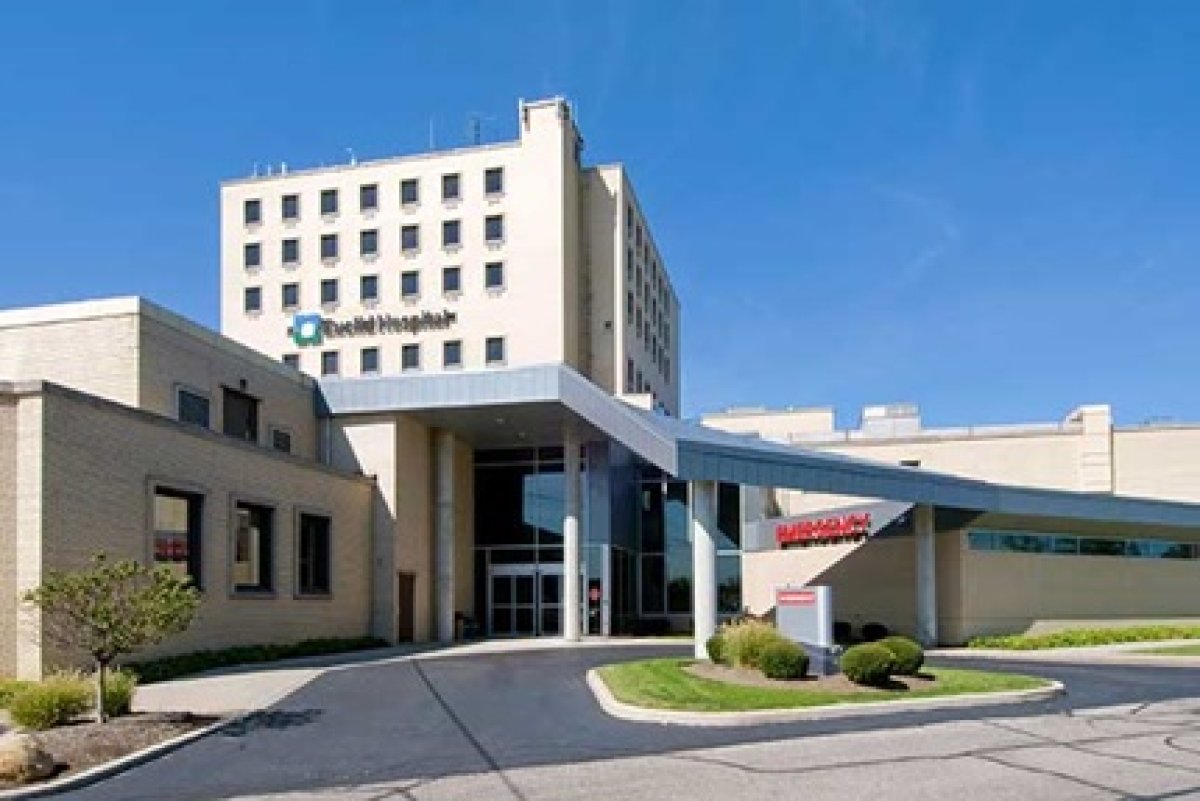





Princeton Hospital at Plainsboro

Johns Hopkins Hospital

Memorial Sloan Kettering Cancer Center
احصلوا على تقييم طبي لـ التصلب المتعدد في الولايات المتحدة الامريكيه: استشيروا أطباء ذوي خبرة الآن
عرض جميع الأطباء
Rafael Cruz
مشاركة المحتوى
قصص فيديو من مرضى Bookimed
 Anna Leonova
أسئلة متكررة حول علاج التصلب المتعدد في الولايات المتحدة الامريكيه
ما هي أنواع العلاجات المعدلة للمرض (DMTs) المتاحة في الولايات المتحدة لمرض التصلب المتعدد (MS)؟
تقدم الولايات المتحدة أكثر من 20 علاجاً معدلاً للمرض معتمداً من قبل إدارة الغذاء والدواء (FDA) لمرض التصلب المتعدد. تشمل هذه العلاجات الحقن ذاتية الإعطاء، والأدوية الفموية اليومية، والحقن الوريدي المكثف. يصف الأطباء هذه العلاجات لتقليل تكرار الانتكاسات وتأخير تطور الإعاقة الجسدية. يتم استخدام الخيارات عالية الفعالية بشكل متزايد في وقت مبكر من عملية العلاج.
- الأدوية القابلة للحقن: تشمل إنترفيرون بيتا مثل Avonex وأسيتات غلاتيرامر للأشكال الانتكاسية.
- العلاجات الفموية: تشمل الخيارات معدلات مستقبلات S1P والفومارات التي تؤخذ كأقراص يومية.
- علاجات الحقن الوريدي: يقوم المتخصصون بإعطاء Ocrevus أو Briumvi كل ستة أشهر في العيادات.
- مستنفدات الخلايا البائية: تستهدف هذه العلاجات عالية الفعالية خلايا مناعية معينة للحد من الضرر العصبي.
رؤية خبير Bookimed: تظهر البيانات السريرية من مراكز كبرى مثل مستشفى جونز هوبكنز تحولاً نحو العلاج التحريضي. وهذا يعني استخدام الحقن عالية الفعالية في وقت مبكر بدلاً من البدء بالحقن الأخف. غالباً ما يحصل المرضى في المراكز الأكاديمية على تركيبات أحدث مثل Ocrevus Zunovo. تقلل هذه الحقنة التي تستغرق 10 دقائق من الوقت المستغرق في العيادة بشكل كبير مقارنة بالحقن التقليدية.
إجماع المرضى: غالباً ما يواجه المرضى عقبات تأمينية مثل العلاج المتدرج الذي يمكن أن يؤخر الوصول إلى العلاجات المفضلة. يسلط الكثيرون الضوء على المقايضة بين سهولة تناول الأقراص والفعالية طويلة المدى للحقن نصف السنوية.
هل من الأفضل بدء العلاج بدواء خفيف أم دواء عالي الفعالية لمرض التصلب المتعدد (MS)؟
أصبح بدء العلاج بالعلاجات عالية الفعالية (HETs) هو المعيار الطبي المفضل الآن في الولايات المتحدة. يقلل العلاج المكثف المبكر من خطر الإصابة بإعاقة طويلة الأمد مقارنة بنهج التصعيد التقليدي. يمكن للأدوية الحديثة مثل Ocrevus (ocrelizumab) أن تخفض معدلات الانتكاس في السنة الأولى بنسبة تصل إلى 70%.
- الحفاظ العصبي: تعطي الأدوية عالية الفعالية الأولوية لوقف فقدان حجم الدماغ ومنع حدوث آفات جديدة في وقت مبكر.
- نتائج الإعاقة: يُظهر المرضى الذين يبدأون بالعلاج المكثف معدلات أقل بكثير في تطور الإعاقة.
- التحول في العلاج: يفضل المتخصصون العلاجات عالية الفعالية الفورية بدلاً من البدء بأدوية خفيفة ثم التغيير بعد تفاقم المرض.
- إدارة المخاطر: يساعد العلاج الأولي في تأخير التحول من التصلب المتعدد الانتكاسي التراجعي إلى التصلب المتعدد الثانوي المترقي.
رؤية خبير Bookimed: تجذب المؤسسات الطبية الأمريكية مثل مستشفى جونز هوبكنز مرضى من جميع الولايات الـ 49 الأخرى للحصول على رعاية متخصصة لمرض التصلب المتعدد. تشير البيانات إلى أن 70% من المرضى الذين يتناولون أدوية أخف قد يعانون من فشل العلاج في غضون عامين. اختيار المراكز ذات حجم المرضى الكبير والتشخيصات المتقدمة، مثل التصوير بالرنين المغناطيسي للدماغ مع التباين والتصوير المقطعي للترابط البصري (OCT)، يضمن مراقبة أفضل أثناء الانتقال إلى العلاجات عالية الفعالية.
إجماع المرضى: يشير العديد من المرضى إلى أن البدء بأدوية أقوى فور التشخيص ساعدهم في الحفاظ على حالة مستقرة لسنوات. وغالباً ما ينصحون الآخ
كيف يتحقق أطباء الأعصاب من فعالية دواء التصلب المتعدد الخاص بي؟
يراقب أطباء الأعصاب فعالية أدوية التصلب المتعدد من خلال الفحوصات السريرية المنتظمة وتصوير الرنين المغناطيسي المتسلسل. ويهدفون إلى الوصول إلى حالة "عدم وجود دليل على نشاط المرض"، والتي تُعرف بعدم حدوث انتكاسات جديدة واستقرار الوظيفة البدنية. تحدد أدوات التشخيص مثل الرنين المغناطيسي بالصبغة والتصوير المقطعي للترابط البصري التطور الصامت للمرض قبل ظهور الأعراض.
- التقييمات السريرية: يتتبع الأطباء الانتكاسات والتغيرات الوظيفية باستخدام مقياس حالة الإعاقة الموسع (EDSS).
- تصوير الرنين المغناطيسي: تكتشف فحوصات الدماغ والعمود الفقري المتسلسلة كل 6-12 شهرًا أي التهاب نشط جديد.
- اختبارات الرؤية: يقيس التصوير المقطعي للترابط البصري سمك عصب الشبكية لتحديد فقدان المحاور العصبية في مرحلة مبكرة.
- الاختبارات الوظيفية: تراقب اختبارات المشي القياسية لمسافة 25 قدمًا واختبار الأوتاد التسعة الحركة والتنسيق.
- العمل المخبري: تضمن تحاليل الدم الموسعة سلامة الدواء وتتحقق من علامات تلف الأعصاب.
رؤية خبراء Bookimed: غالبًا ما يتلقى المرضى في المراكز الأكاديمية الرائدة في الولايات المتحدة، مثل مستشفى جونز هوبكنز، مراقبة أكثر تكرارًا من الفحص السنوي القياسي. تُظهر البيانات أن فحوصات "إعادة التقييم الأساسي" (rebaseline) التي يتم إجراؤها بعد 3-6 أشهر بالضبط من بدء دواء جديد تعتبر حاسمة. تميز نقطة البيانات المبكرة هذه بين الضرر الموجود مسبقًا وفشل العلاج الجديد، مما يمنع تغيير الأدوية دون داعٍ.
إجماع المرضى: يؤكد المرضى على أ
هل من المحتمل أن أحتاج إلى كرسي متحرك في النهاية؟
استخدام الكرسي المتحرك ليس أمراً حتمياً لمعظم المصابين بالتصلب المتعدد في الولايات المتحدة. تعمل العلاجات الحديثة المعدلة لمسار المرض مثل Ocrevus و Kesimptha على تأخير أو منع التدهور بشكل كبير. تظل القدرة على الحركة بشكل مستقل واقعاً طويل الأمد للعديد من المرضى من خلال التدخل المبكر والقوي في مراكز متخصصة.
- العلاجات المعدلة لمسار المرض: الأدوية المبكرة عالية الفعالية تبطئ بشكل فعال العجز والتدهور العصبي.
- علامات التحذير الدقيقة: عدم استقرار التوازن والتعب المتكرر غالباً ما يسبقان استخدام وسائل المساعدة على الحركة الدائمة.
- المساعدة المتقطعة: يستخدم الكثيرون الكراسي المتحركة فقط للمسافات الطويلة أو أثناء نوبات التوهج المرتبطة بالحرارة.
- المراقبة السريرية: تكتشف فحوصات الرنين المغناطيسي السنوية التدهور قبل أن تؤثر الأعراض الجسدية على المشي الطبيعي.
رؤية خبير Bookimed: تشير البيانات الصادرة عن مؤسسات أمريكية رفيعة المستوى مثل مستشفى جونز هوبكنز إلى أن الرعاية متعددة التخصصات هي أقوى مؤشر على البقاء قادراً على الحركة. في حين أن عيادات مثل مستشفى برينستون في بلينسبورو تصنف ضمن أفضل 5% على المستوى الوطني، فإن أفضل النتائج تأتي من المراكز التي تجمع بين طب الأعصاب وإعادة التأهيل المتخصص. المرضى الذين يدمجون العلاج الطبيعي قبل أن يحتاجوا إلى وسائل المساعدة على الحركة يحافظون عادةً على الحركة المستقلة لفترات أطول بكثير.
إجماع المرضى: يؤكد المرضى أن الكرسي المتحرك غالباً ما يكون أداة بدوام جزئي للحفاظ على الطاقة بدلاً من كونه تغييراً د
هل هناك علاجات رائدة ناشئة لمرض التصلب المتعدد قد تكون متاحة قريبًا؟
من المتوقع صدور قرارات تنظيمية بشأن علاجات التصلب المتعدد الرائدة، بما في ذلك مثبطات BTK وعوامل إعادة الميالين، بحلول منتصف عام 2026. تستهدف هذه العلاجات الالتهاب المزمن داخل الجهاز العصبي المركزي. كما تخضع زراعة الخلايا الجذعية المكونة للدم وعلاج الخلايا التائية CAR-T لتحسينات سريرية داخل المؤسسات الطبية الرائدة في الولايات المتحدة.
- مثبطات BTK: يستهدف فينيبروتينيب وتوليبروتينيب الخلايا البائية والخلايا الدبقية الصغيرة داخل الدماغ.
- علاج إعادة الميالين: تهدف أدوية مثل PIPE-307 إلى إصلاح أغلفة الميالين الواقية التالفة.
- العلاجات الخلوية: تبحث تجارب الخلايا التائية CAR-T في القضاء على خلايا بائية معينة تسبب التصلب المتعدد.
- بدائل الحقن: حصلت نسخة Ocrevus تحت الجلد التي تستغرق 10 دقائق مؤخرًا على موافقة تنظيمية.
رؤية خبير Bookimed: بينما ينتظر العديد من المرضى الموافقة على أدوية جديدة، تتخصص المراكز الأكاديمية مثل مستشفى جونز هوبكنز في التشخيصات المعقدة التي غالبًا ما تحدد الأهلية للتجارب السريرية الجارية. يتطلب الوصول إلى هذه العلاجات الرائدة مبكرًا عادةً استشارة في مستشفى تعليمي متعدد التخصصات بدلاً من عيادة محلية. تظهر بياناتنا أن المرافق الأمريكية الأعلى تصنيفًا تدمج بين البحث والعلاج، مما يمنح المرضى وصولاً أسرع إلى بروتوكولات الجيل التالي.
إجماع المرضى: يشير المرضى إلى أن أخبار الاختراقات مثيرة، لكنهم يؤكدون على ضرورة الاستمرار في علاجات تعديل المرض الحالية لمنع حدوث ضرر لا رجعة فيه. كما يقترحون التحقق من متطلبات
هل يمكن لتغييرات نمط الحياة تعزيز فعالية علاج التصلب المتعدد (MS) الخاص بي؟
تعمل تغييرات نمط الحياة على تعزيز العلاجات الطبية بشكل كبير من خلال تقليل الالتهاب وإبطاء تطور المرض. تخلق تغييرات العادات مثل الإقلاع عن التدخين واتباع الأنظمة الغذائية المضادة للالتهابات بيئة مواتية للعلاجات المعدلة للمرض (DMTs). تساعد هذه التعديلات في الحفاظ على الاحتياطي العصبي وتحسين الحركة العامة والوظيفة الإدراكية.
- الإقلاع عن التدخين: التوقف عن التدخين أمر بالغ الأهمية لإبطاء تدهور الإعاقة الجسدية على المدى الطويل.
- النظام الغذائي المضاد للالتهابات: الأنظمة الغذائية مثل حمية البحر الأبيض المتوسط أو حمية MIND تقلل من المخاطر الأيضية التي تسرع من التصلب المتعدد.
- النشاط البدني: التمارين الهوائية وتمارين المقاومة المنتظمة تحسن قوة العضلات والتوازن والمزاج.
- إدارة التوتر: قد يقلل اليقظة الذهنية والعلاجات المعرفية من تطور آفات دماغية جديدة.
- تحسين النوم: تساعد نظافة النوم الجيدة الدماغ على التخلص من النفايات الأيضية وتقلل من الالتهاب العصبي.
رؤية خبير Bookimed: بينما يوفر مستشفى جونز هوبكنز ومستشفى برينستون تشخيصات متقدمة مثل التصوير المقطعي للترابط البصري (OCT)، لا ينبغي للمرضى تجاهل الاختبارات الأساسية البسيطة. تشير بياناتنا إلى التحقق من مستويات فيتامين د قبل البدء في تغييرات مكثفة في نمط الحياة. غالبًا ما يجعل تصحيح النقص إعادة التأهيل في المرحلة المبكرة أكثر فعالية. يمكن لهذه الخطوة الصغيرة تحسين قدرتك على تحمل برامج العلاج الطبيعي بشكل كبير.
إجماع المرضى: يلاحظ المرضى أن الجمع بين ال
ما هي المساعدة المالية المتاحة إذا لم أستطع تحمل تكلفة الدفع المشترك (co-pay) لدواء التصلب المتعدد الخاص بي؟
تشمل المساعدة المالية لتكاليف الدفع المشترك لأدوية التصلب المتعدد برامج شركات الأدوية والمنح المقدمة من المنظمات غير الربحية. يستخدم حاملو التأمين التجاري بطاقات الدفع المشترك لتقليل التكاليف إلى 0–10 دولارات. يجب على المرضى الذين لديهم Medicare أو Medicaid التقدم بطلب للحصول على منح مباشرة من مؤسسات مثل PAN أو HealthWell. توفر برامج الولاية والرعاية الخيرية في العيادات تغطية إضافية لأولئك الذين يقل دخلهم عن حدود معينة.
- بطاقات الدفع المشترك من الشركات المصنعة: تغطي برامج مثل Ocrevus (Roche) ما يصل إلى 25,000 دولار سنوياً للتأمين الخاص.
- منح المؤسسات الخيرية: توفر مؤسسة PAN ما بين 1,000 إلى 5,000 دولار سنوياً للمرضى الذين لديهم تأمين حكومي.
- برامج مساعدة المرضى: تقدم الشركات المصنعة أدوية مجانية للمرضى غير المؤمن عليهم من خلال خدمات دعم مخصصة.
- مساعدة Medicare الإضافية: تساعد المساعدة الفيدرالية كبار السن ذوي الدخل المحدود في دفع تكاليف أدوية الجزء D.
رؤية خبير Bookimed: بينما تقدم المراكز الكبرى مثل مستشفى جونز هوبكنز أو مستشفى برينستون في بلينسبورو رعاية فائقة للتصلب المتعدد، فإن الإغاثة المالية غالباً ما تبدأ قبل الموعد الأول. تُظهر بياناتنا أن المراكز الأكاديمية ذات الحجم الكبير توظف غالباً أخصائيين اجتماعيين متخصصين يتنقلون في قوانين "تعديل المجمع". يمكن لهؤلاء الخبراء تحديد ما إذا كانت ولايتك، مثل نيويورك، تمنع شركات التأمين من استبعاد قسائم الشركات المصنعة من خصمك، مما قد يوفر عليك آلاف الدولارات في تكاليف غير متوقعة.