
Sourasky Medical Center (Ichilov)
إسرائيل, Tel Aviv
Ofer Merimsky
41سنة خبره ١٦ سنة

الاعتمادات : 
العيادة معتمدة من قبل : 





تمت مراجعة المقالة طبيا من قبل
فهد مولود
خبير رائد في ساركوما العظام والأنسجة الرخوة – يرأس البروفيسور ميريمسكي قسم الساركوما في مركز سوراسكي الطبي.
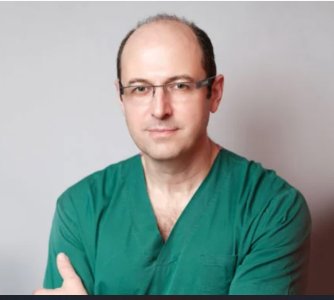
الدكتور يوري غولدس جرّاح عام يتمتع بأكثر من 20 عامًا من الخبرة السريرية. يختص بجراحات الجهاز الهضمي العلوي وجراحة الأورام. يشغل منصب نائب مدير قسم الجراحة العامة وزراعة الأعضاء في مركز شيبا الطبي بتل أبيب، ويرأس وحدة جراحة الجهاز الهضمي العلوي. أُدرِج ضمن قائمة أفضل أطباء فوربس إسرائيل لعام 2025، ومُصنّف ضمن أفضل جراحي الجهاز الهضمي في إسرائيل بحسب فوربس. في 2019، نال جائزة «طبيب العام» من وزارة الصحة الإسرائيلية.
خبير في الجراحة طفيفة التوغل والمتقدمة والروبوتية. يعالج فتق الحجاب الحا

يرأس قسم آفات العظام النقيلية في مركز إيخيلوف الطبي، مع التركيز بشكل خاص على سرطانات العظام المعقدة مثل الورم الحبلي.
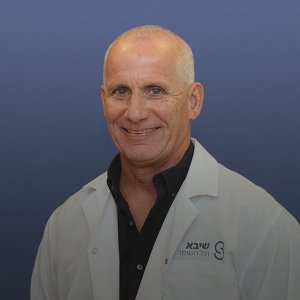
البروفيسور رعنان بيرغر، حاصل على درجتي MD وPhD، أخصائي أورام طبية ومعالِج إشعاعي. يشغل منصب مدير مركز السرطان في مركز شيبا الطبي ويرأس وحدة الأبحاث السريرية فيه. أُدرِج ضمن قائمة «أفضل الأطباء» لفوربس إسرائيل (2025). يقود برنامج أورام الجهاز البولي التناسلي مع تركيز على سرطان البروستاتا. تشمل رعايته العلاج الجهازي والعلاج الإشعاعي ضمن نموذج متعدد التخصصات محوره المريض.
يحمل شهادة البورد في طب الأورام. حصل على درجتي MD وPhD من جامعة تل أبيب وأكمل تدريبه السريري في شيبا. ثم أنهى زمالة ما
 Anna Leonova
تنطوي جراحة الورم الحبلي في إسرائيل على مخاطر عصبية تعتمد على موقع الورم وقربه من الأعصاب. قد تسبب إجراءات قاعدة الجمجمة معدلات عجز عصبي بنسبة 15%، بينما تؤدي عمليات استئصال العجز إلى خلل وظيفي في المسالك البولية أو الأمعاء في ما يصل إلى 81.5% من الحالات. تساعد الملاحة الدقيقة والفرق متعددة التخصصات في الحفاظ على الوظائف الحيوية.
رؤية خبير Bookimed: تبلغ مراكز الأورام الإسرائيلية مثل مركز سوراسكي الطبي عن معدل نجاح بنسبة 90% في علاج الأورام المعقدة. ينبع هذا الأداء العالي من أحجام الجراحة الضخمة، حيث يقوم مركزا سوراسكي وأسوتا معاً بإجراء أكثر من 125,000 عملية سنوياً. يجب على المرضى ملاحظة أن مراكز الحجم الكبير غالباً ما توفر نتائج وظيفية أكثر قابلية للتنبؤ بسبب بنيتها التحتية المتخصصة في طب الأعصاب والأورام.
إجماع المرضى: يؤكد المرضى أن الفقدان الحسي مثل تنميل العصعص يمثل تحديات يومية كبيرة. يشير الكثيرون إلى أهمية العثور على فرق إعادة التأهيل في وقت مبكر لإدارة التغيرات العصبية الدائمة أو الاعتماد على أنبوب التغذية.
يُجري الجراحون الإسرائيليون عدداً كبيراً من عمليات استئصال الورم الحبلي في مراكز متخصصة مثل مركز سوراسكي الطبي. تتخصص الفرق في الاستئصال الكامل (en bloc) والنهج عبر المدار (transorbital) طفيف التوغل. ومن بين كبار الخبراء الدكتور عوفر ميريمسكي والدكتور ياكوف بيكلز. تجمع المرافق بين المنصات الروبوتية والملاحة ثلاثية الأبعاد في الوقت الفعلي للحفاظ على الوظيفة العصبية.
رؤية خبير Bookimed: تُظهر مراكز الأورام الإسرائيلية خبرة عالية في أورام العظام النادرة. يعالج مركز سوراسكي الطبي وحده أكثر من 1,800,000 مريض سنوياً ويبلغ عن معدل نجاح متوسط قدره 90% في الأورام. يسمح هذا الحجم للجراحين مثل الدكتور ياكوف بيكلز بالتخصص بعمق في آفات العظام النقيلية. يستفيد المرضى من هذا التركيز في الخبرة في الحالات النادرة والتي غالباً ما تكون غير متوفرة في الأنظمة الطبية الأصغر.
إجماع المرضى: يؤكد المرضى على ضرورة تأكيد استخدام المراقبة العصبية أثناء الجراحة والتصوير في الوقت الفعلي قبل الجراحة. كما
يركز التعافي بعد جراحة الورم الحبلي العجزي في إسرائيل على إعادة التأهيل المكثف لاستعادة القدرة على الحركة وإدارة التغيرات العصبية. غالبًا ما يقضي المرضى من 6 إلى 12 شهرًا في علاج متخصص. تعطي الفرق متعددة التخصصات الأولوية للحفاظ على الأعصاب واستقرار الحوض من خلال العلاج الطبيعي والمهني في مراكز معتمدة من اللجنة الدولية المشتركة (JCI).
رؤية خبير Bookimed: تدمج المراكز الطبية الإسرائيلية مثل سوراسكي، التي تجري أكثر من 34,000 عملية سنويًا، بين الأورام وإعادة التأهيل داخل منشأة واحدة. يسمح هذا الهيكل للجراحين مثل الدكتور ياكوف بيكلز بالتنسيق مباشرة مع متخصصي إعادة التأهيل. تشير البيانات إلى أن المرضى يستفيدون من وحدات أورام العظام عالية التخصص هذه حيث يتعامل المعالجون مع أورام العجز النادرة يوميًا بدلاً من حالات العمود الفقري العامة.
إجماع المرضى: يؤكد المرضى أن تحمل الجلوس يعود ببطء وغالبًا ما يكون العقبة الأخيرة. يلاحظ الكثيرون أن تجهيز المنزل بمقاعد مرتفعة قبل الجراحة يقلل بشكل كبير من توتر ا
يتطلب علاج الورم الحبلي الكامل في إسرائيل عادةً إقامة تتراوح بين 21 إلى 30 يومًا. يغطي هذا الجدول الزمني تحديد مرحلة ما قبل الجراحة، وجراحة الأعصاب المتخصصة، والمتابعة المبكرة الحاسمة. يقضي معظم المرضى من 7 إلى 10 أيام في المستشفى. يجب أن تبقى في البلاد لمدة 14 يومًا بعد الخروج لضمان سلامة الطيران.
رؤية خبير Bookimed: تبلغ مراكز الأورام الإسرائيلية مثل مركز سوراسكي الطبي عن معدل نجاح يصل إلى 90%. تجري المراكز ذات الحجم الكبير 34,000 عملية سنويًا، مما يضمن أن الفرق الجراحية تتمتع بخبرة عالية. يوفر اختيار منشأة حاصلة على اعتماد JCI وتصنيفات Newsweek إطار عمل أمانًا تم التحقق منه لأورام العظام المعقدة. يعد هذا الارتباط بين الحجم والنتائج مؤشر جودة رئيسيًا في عيادات تل أبيب.
إجماع المرضى: يؤكد المرضى على التخطيط لمدة لا تقل عن 4 إلى 6 أسابيع إجمالاً. ويشيرون إلى أن التسرع في التعافي أو السفر جوًا في وقت مبكر جدًا قد يؤدي إلى مضاعفات أو عدم الراحة أثناء السفر.
يعد مركز تل أبيب سوراسكي الطبي ومركز شيبا الطبي المستشفيين الإسرائيليين الرئيسيين لعلاج الأورام الحبلية ذات الحجم الكبير. تدير هذه المؤسسات المعتمدة من قبل اللجنة الدولية المشتركة (JCI) حالات العمود الفقري وقاعدة الجمجمة المعقدة. وهي تجمع بين جراحة الأعصاب المتقدمة والعلاج الإشعاعي الموجه بالرنين المغناطيسي لضمان معدلات نجاح عالية.
رؤية خبير Bookimed: في حين أن شيبا وسوراسكي هما عملاقان عامان، يقدم مركز أسوتا الطبي بديلاً خاصاً. فهو يجري 92,000 عملية جراحية سنوياً مع رعاية أكثر تخصيصاً. غالباً ما يختار المرضى أسوتا عندما يرغبون في اختيار جراحهم المحدد يدوياً. هذه المرونة نادرة في المستشفيات الحكومية الكبيرة حيث يتم تعيين الفرق.
إجماع المرضى: يشير المرضى إلى أن المراكز الإسرائيلية تقدم علاجاً إشعاعياً متقدماً بأسعار معقولة أكثر من المستشفيات الأمريكية. يوصي الكثيرون بإحضار مترجم أو استخدام تطبيقات لتسهيل الاستشارات بسلاسة.
تعتمد الأهلية لإجراء عملية جراحية في إسرائيل على الوضع الإداري والجاهزية السريرية التي يحددها تقييم متعدد التخصصات. يجب على المرضى الأجانب الحصول على دعوة رسمية من المستشفى وتأمين تأشيرة دخول. تركز المعايير السريرية على قابلية استئصال الورم، وتقييم المخاطر قبل الجراحة، والموافقة المستنيرة الإلزامية من المريض.
رؤية خبير Bookimed: تُظهر البيانات الواردة من أفضل المرافق في تل أبيب مثل مركز سوراسكي الطبي (إيخيلوف) أن الأهلية لحالات العظام والأنسجة الرخوة المعقدة تعتمد غالبًا على حجم خبرة الجراح المحددة. قد يقبل البروفيسور الدكتور عوفر ميريمسكي وغيره من المتخصصين في المراكز الكبيرة متعددة التخصصات حالات معقدة تعيد المستشفيات الأصغر تصنيفها على أنها عالية المخاطر. في حين أن الأنظمة العامة لديها قوائم انتظار صارمة، غالبًا ما توفر العيادات الخاصة مثل مركز أسوتا الطبي، الذي يجري 92,000 عملية سنويًا، قرارات أسرع بشأن الأهلية السريرية للمرضى الدوليين الذين يدفعون تكاليفهم بأنفسهم.
إجماع المرضى: يشير المرضى إلى أن الأهلية تعتمد غالبًا على ح
تُعدّ إسرائيل مركزًا رائدًا في جراحة الأعصاب بفضل مزيجها من التطورات الطبية عالية التقنية والخبرات الجراحية المتميزة. وتستخدم مرافق متطورة مثل مركز شيبا الطبي أنظمة ملاحة تعتمد على الذكاء الاصطناعي والتصوير بالرنين المغناطيسي أثناء الجراحة في الوقت الفعلي. وتشير المراكز المتخصصة إلى نسبة نجاح تصل إلى 98% في العمليات الجراحية المعقدة، بما في ذلك جراحة الدماغ مع اليقظة وعلاج اضطرابات الحركة.
رأي خبراء بوكيمد: تُظهر البيانات فرقًا واضحًا بين خيارات العلاج في القطاعين العام والخاص في إسرائيل. تُجري المراكز الخاصة، مثل مركز أسوتا الطبي، أكثر من 92,000 عملية جراحية سنويًا، وتتيح للمرضى اختيار جراح را
يعالج جراحو الأعصاب الإسرائيليون طيفاً واسعاً من الحالات، بدءاً من أورام الدماغ والحبل الشوكي وصولاً إلى الاضطرابات الوظيفية المعقدة. وتستخدم المراكز المتخصصة أحدث التقنيات، مثل جهاز جاما نايف، والتحفيز العميق للدماغ، والتصوير بالرنين المغناطيسي أثناء الجراحة، لتشخيص دقيق للغاية لحالات الصرع، ومرض باركنسون، وأمراض الأوعية الدموية الدماغية.
رأي خبراء بوكيمد: غالبًا ما تجمع المستشفيات الإسرائيلية بين تخصصات طبية متعددة لمعالجة الحالات المعقدة. ففي مركز سوراسكي ا
تضم إسرائيل مراكز جراحة أعصاب عالمية المستوى، مثل مركز سوراسكي الطبي، ومركز شيبا الطبي، ومركز هداسا الطبي. وتُعدّ هذه المؤسسات رائدة عالميًا في علاج أورام الدماغ المعقدة، وأمراض العمود الفقري، واضطرابات الحركة. وتستخدم أحدث التقنيات، مثل جهاز جاما نايف، والأنظمة الروبوتية، والتصوير بالرنين المغناطيسي أثناء الجراحة.
رأي خبراء بوكيمد: تُظهر بياناتنا أنه بينما يلجأ معظم المرضى للعلاج في تل أبيب، يُقدّم مركز رامبام الطبي في حيفا رعايةً فريدةً لإصابات الدماغ. فهو يضم وحدةً متخصصةً للعناية المركزة العصبية تُعالج ما يقارب مليون مريض سنويًا. وهذا ما يجعله
من بين أبرز جراحي الأعصاب الإسرائيليين البروفيسور تسفي رام، والبروفيسور شلومي كونستانتيني، والبروفيسور إسحاق فريد من مركز سوراسكي الطبي. ويشغل هؤلاء المتخصصون مناصب قيادية في الجمعية الأوروبية لجمعيات جراحة الأعصاب (EANS) والجمعية العالمية لجراحة الأعصاب التجسيمية والوظيفية (WSSFN). ويستخدمون تقنيات رسم الخرائط المتقدمة أثناء الجراحة وأنظمة الروبوتات.
رأي خبراء بوكيمد: تشير بيانات مركز سوراسكي وشيبا إلى وجود علاقة وثيقة بين ارتفاع عدد العمليات الجراحية وسلامة المرضى. فعلى سبيل المثال، يُجري مركز سوراسكي أكثر من 34,000 عملية جراحية لعلاج الأورام سنويًا بنسبة نجاح تصل إلى 90%. لذا، ينبغي على المرضى الذين يحتاجون إلى استئصال أورام معقدة إعطاء الأولوية لمراكز كهذه، حيث يُجري الجراحون مئات العمليات الجراحية ا

