علاج سرطان المثانة في إسرائيل: 6 مستشفيات


تمت مراجعة المقالة طبيا من قبل
فهد مولود
كيف نعمل؟
ما هي تكلفة سرطان المثانة إجراءات التشخيص والعلاج في إسرائيل؟ اعرف الآن
من $1,500
تكاليف علاج سرطان المثانة النموذجية في إسرائيل
- فحص التصوير المقطعي بالإصدار البوزيتروني (PET-CT): من $1,500
- استشارة طبيب الأورام: $300 – $550
- التصوير المقطعي المحوسب (CT): من $510
- مراجعة الأنسجة المرضية: من $730
- العلاج الكيميائي مفرط الحرارة داخل الصفاق (HIPEC): من $60,000
رؤية خبراء Bookimed: بالنسبة للحالات المعقدة التي تتطلب إعادة بناء، اختر المراكز متعددة التخصصات مثل مركز سوراسكي الطبي. فهي تسجل معدل نجاح في علاج الأورام بنسبة 90% وتوفر خيارات الجراحة الروبوتية. يجب على المرضى الذين يبحثون عن رعاية متخصصة للغاية التفكير في مركز هداسا الطبي، حيث أجرى الدكتور فلاديمير يوتكين هناك أكثر من 300 جراحة روبوتية لأورام الكلى والمثانة. يعتبر مركز أسوتا الطبي هو الأفضل لأولئك الذين يعطون الأولوية للرعاية الخاصة واختيار الجراح بشكل شخصي.
| إسرائيل | تركيا | إسبانيا | |
|---|---|---|---|
| العلاج المناعي مع Keytruda (Pembolizumab) | ≈ $4,800 | من $3,900 | من $10,300 |
| العلاج الكيميائي لسرطان المرارة | ≈ $9,000 | ≈ $2,200 | من $1,300 |
| العلاج الكيميائي لسرطان الثدي | ≈ $22,500 | من $1,900 | من $1,700 |
| العلاج الكيميائي داخل الصفاق مفرط الحرارة (HIPEC) | من $60,000 | من $18,000 | من $29,100 |
| العلاج الإشعاعي لسرطان القولون والمستقيم | ≈ $14,000 | من $5,000 | من $7,500 |
اكتشف أفضل سرطان المثانة العيادات في إسرائيل: 6 خيارات معتمدة والأسعار
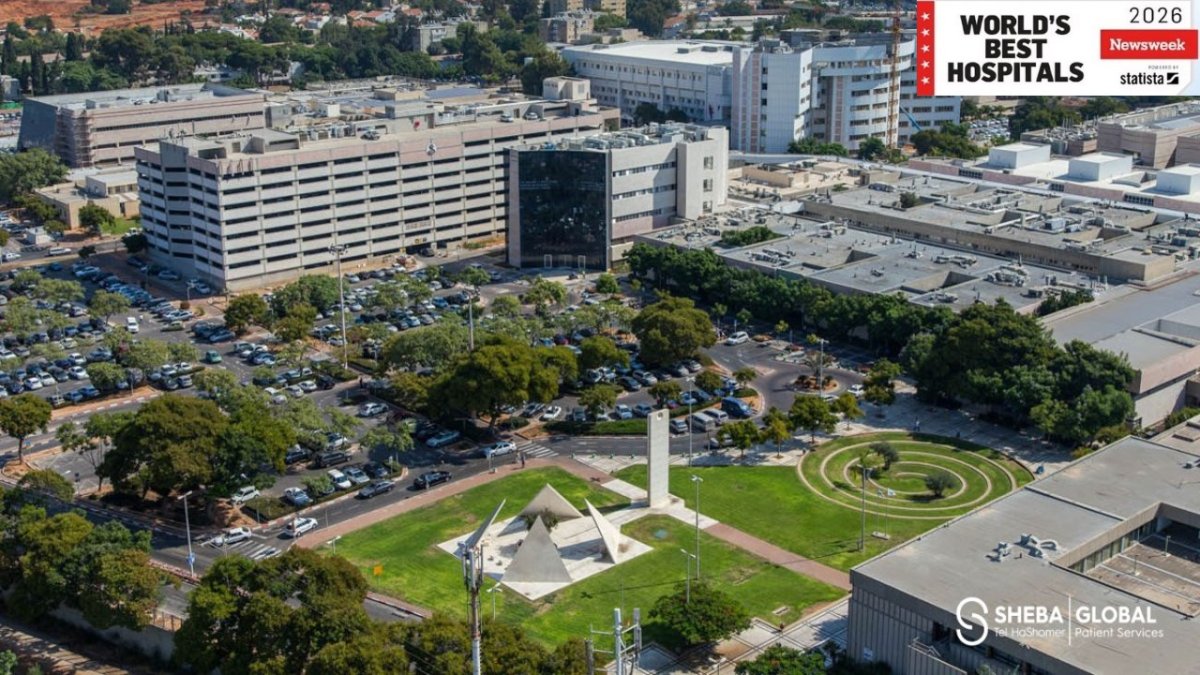











Assaf Harofeh Medical Center
احصل على تقييم طبي لـ في إسرائيل. استشر الآن 17 أطباء ذوي الخبرة.
عرض جميع الأطباء
David Sarid
يقود الدكتور ساريد قسم الأورام في مركز سوراسكي الطبي، وهو متخصص في سرطان المثانة باستخدام علاجات مبتكرة مثل العلاج المناعي والعلاج الموجه.
- طبيب أورام أول منذ عام 1997، ورئيس القسم منذ عام 2009
- زمالة في طب أورام المسالك البولية في جامعة أكسفورد
- باحث رئيسي في التجارب السريرية لعلاجات السرطان الجديدة
- نشر أكثر من 30 مقالاً حول علاج السرطان
- عضو في الجمعية الأوروبية لطب الأورام (ESMO)، والجمعية الأمريكية لعلم الأورام السريري (ASCO)، وجمعيات الأورام الإسرائيلية

Ofer Merimsky
يرأس البروفيسور ميريمسكي وحدة أورام الأنسجة الرخوة والعظام في مركز سوراسكي الطبي، مع 41 سنة من الخبرة في جراحة أورام العظام.
- أستاذ مشارك في الأورام بكلية ساكلر للطب
- زمالة في علاج الساركوما في معهد غوستاف روسي، باريس
- عضو نشط في كلية الساركوما التابعة لـ ESMO وASCO
- نشر أبحاثاً مكثفة حول سرطانات العظام والأنسجة الرخوة
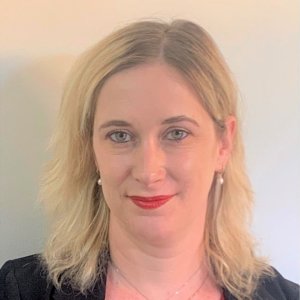
Shira Felder
الدكتورة شيرا فلدر أخصائية أولى في علاج الأورام بالإشعاع. تركز على الأورام النسائية وأورام المسالك البولية. تمتلك خبرة متقدمة في VMAT وIMRT وSBRT والمعالجة الكثبية النسائية. تقدم علاجاً دقيقاً بآثار جانبية أقل.
ترأس خدمة الأورام النسائية في مركز شيبا الطبي، وهي طبيبة أولى في قسم علاج الأورام بالإشعاع. نالت درجة الطب من هداسا، وأتمت الإقامة في شيبا والزمالة في برنامج طب الإشعاع بجامعة تورونتو ومركز الأميرة مارجريت للسرطان. حاصلة على البورد في علاج الأورام بالإشعاع، وعضو في ESTRO وجمعيات
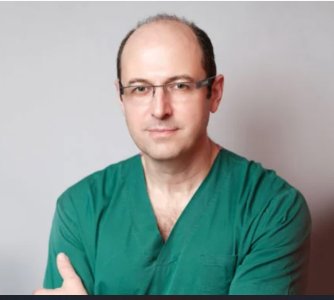
Yuri Goldes
الدكتور يوري غولدس جرّاح عام يتمتع بأكثر من 20 عامًا من الخبرة السريرية. يختص بجراحات الجهاز الهضمي العلوي وجراحة الأورام. يشغل منصب نائب مدير قسم الجراحة العامة وزراعة الأعضاء في مركز شيبا الطبي بتل أبيب، ويرأس وحدة جراحة الجهاز الهضمي العلوي. أُدرِج ضمن قائمة أفضل أطباء فوربس إسرائيل لعام 2025، ومُصنّف ضمن أفضل جراحي الجهاز الهضمي في إسرائيل بحسب فوربس. في 2019، نال جائزة «طبيب العام» من وزارة الصحة الإسرائيلية.
خبير في الجراحة طفيفة التوغل والمتقدمة والروبوتية. يعالج فتق الحجاب الحا
المراجعات
جميع المراجعاتمشاركة المحتوى
قصص فيديو من مرضى Bookimed
 Anna Leonova
أسئلة متكررة حول علاج سرطان المثانة في إسرائيل
ما هي طرق العلاج الرئيسية لسرطان المثانة في إسرائيل؟
تعالج إسرائيل سرطان المثانة باستخدام بروتوكولات جراحية وأورام متقدمة مصممة خصيصًا لمدى غزو الورم. تشمل الطرق الرئيسية استئصال المثانة بمساعدة الروبوت، واستئصال المثانة عبر الإحليل (TURBT)، وعلاجات مبتكرة مثل العلاج الكيميائي داخل المثانة مفرط الحرارة ومثبطات نقاط التفتيش. تبلغ المراكز المتخصصة مثل مركز سوراسكي الطبي عن معدل نجاح متوسط قدره 90% لعلاجات الأورام.
- الجراحة الروبوتية: يستخدم الجراحون نظام دا فينشي لإجراء عمليات إزالة وإعادة بناء دقيقة للمثانة.
- العلاج داخل المثانة: يقوم الأطباء بحقن BCG أو العلاج الكيميائي مباشرة في المثانة لمنع تكرار الإصابة.
- التشخيص المتقدم: تستخدم العيادات تنظير المثانة بالضوء الأزرق (PDD) لتحديد الأورام الصغيرة غير المرئية.
- طب الأورام الدقيق: تعالج مثبطات FGFR الموجهة وأدوية العلاج المناعي مثل Keytruda الحالات المتقدمة.
رؤية خبير Bookimed: غالبًا ما توفر مراكز الأورام الإسرائيلية وصولاً متخصصًا إلى بروتوكولات مجمعة غير متوفرة على نطاق واسع في أماكن أخرى. على سبيل المثال، يعد مركز شيبا الطبي رائدًا عالميًا في علاجات CAR-T و TIL المناعية. يمكن للمرضى الذين يطلبون رعاية معقدة العثور على باقات شاملة، مثل تلك الموجودة في مركز سوراسكي الطبي مقابل 52,300 دولار، والتي تشمل الفحوصات قبل الجراحة، والتخدير، والنقل الداخلي.
إجماع المرضى: يلاحظ المرضى أن استخدام تنظير المثانة بالضوء الأزرق أثناء الجراحة يساعد في اكتشاف أورام أكثر من الإجراءات القياسية. يؤكد الكثيرون على أهمية الحصول على رأي ثانٍ
ما هي المستشفيات والجراحون الإسرائيليون الرائدون في رعاية سرطان المثانة؟
تتصدر إسرائيل رعاية سرطان المثانة من خلال مراكز معتمدة من قبل اللجنة الدولية المشتركة (JCI) مثل شيبا، وسوراسكي، وهداسا. تستخدم هذه المرافق أنظمة دافنشي الروبوتية لاستئصال المثانة الجذري وبروتوكولات العلاج المناعي المتقدمة. من بين كبار أطباء الأورام المسالك البولية الدكتور فلاديمير يوتكين والبروفيسور جاك بانييل، المتخصصان في عمليات إعادة البناء التي تحافظ على الأعصاب والحفاظ على المثانة.
- الخبرة الروبوتية: أجرى الدكتور فلاديمير يوتكين في هداسا أكثر من 300 جراحة روبوتية.
- النجاح الجراحي: يبلغ مركز سوراسكي الطبي عن معدل نجاح متوسط قدره 90% لعلاجات الأورام.
- العلاجات المتقدمة: توفر شيبا وسوراسكي علاج HIPEC والعلاج المناعي بـ Keytruda للحالات المعقدة.
- سعة المرضى: يخدم مركز شيبا الطبي أكثر من 2 مليون مريض سنويًا عبر الأقسام المتخصصة.
رؤية خبير Bookimed: بينما يركز معظم المرضى على تصنيفات المستشفيات، فإن الميزة الحقيقية في إسرائيل هي نموذج اختيار الجراح في المراكز الخاصة. في أسوتا، يمكن للمرضى اختيار طبيبهم المعالج. هذا أمر حيوي لإعادة بناء المثانة، حيث تعتمد النتائج بشكل كبير على جراح مثل البروفيسور جاك بانييل، الذي نشر أكثر من 100 مقال علمي حول هذا الإجراء.
إجماع المرضى: يشير المرضى إلى أن السفر إلى مراكز تل أبيب ضروري للوصول إلى التجارب السريرية وخيارات العلاج القوية. يؤكد الكثيرون أن مقابلة الأطباء في هداسا وفرت لهم راحة البال عند اختيار إجراءات روبوتية معقدة.
هل تتوفر خيارات للحفاظ على المثانة أو خيارات طفيفة التوغل؟
توفر مراكز الأورام الإسرائيلية بروتوكولات شاملة للحفاظ على المثانة وجراحات طفيفة التوغل لعلاج سرطان المثانة. تستخدم هذه الخيارات أنظمة مساعدة روبوتية وعلاجات مناعية متقدمة مثل بيمبروليزوماب (Pembrolizumab). تحافظ المرافق المعتمدة مثل سوراسكي وهداسا على معدل نجاح يصل إلى 90% لعلاجات الأورام من خلال نهج متعدد التخصصات.
- علاج الحفاظ على المثانة: يجمع العلاج ثلاثي الوسائط بين استئصال الورم، والعلاج الإشعاعي الموجه، والعلاج الكيميائي المحسس.
- الجراحة الروبوتية: يقوم الدكتور فلاديمير يوتكين في هداسا بإجراء عمليات استئصال المثانة الروبوتية مع إعادة بناء ثلاثية الأبعاد.
- العلاج المناعي: تستخدم العيادات عقار كيترودا (بيمبروليزوماب) وعلاجات CAR-T لعلاج الحالات المتقدمة.
- التبخير بالليزر: يستخدم الجراحون مناظير مثانة متخصصة لتبخير الأورام الصغيرة دون الحاجة إلى شقوق خارجية.
- رعاية جراحية متخصصة: الدكتور هيوز هيون في سوراسكي متخصص في جراحة الأورام المسالك البولية بمساعدة الروبوت.
رؤية خبير Bookimed: بينما يخضع العديد من المرضى لجراحة مفتوحة في أماكن أخرى، تظهر بياناتنا تحولاً نحو الروبوتات في إسرائيل. أجرى الدكتور فلاديمير يوتكين أكثر من 300 إجراء روبوتي للكلى والمثانة. غالباً ما يؤدي هذا الحجم الكبير في مراكز مثل هداسا إلى تعافٍ أسرع وحفاظ أفضل على وظائف الأعصاب.
إجماع المرضى: يشير المرضى إلى أهمية طلب مناقشة مفصلة لجميع الخيارات مثل العلاج ثلاثي الوسائط (TMT) أو الجراحة الروبوتية. يؤكد الكثيرون على أهم
كم من الوقت يبقى المرضى الدوليون في إسرائيل لإجراء جراحة سرطان المثانة؟
يبقى المرضى الدوليون عادةً في إسرائيل لمدة تتراوح بين 10 إلى 14 يومًا لإجراء جراحة سرطان المثانة. تغطي هذه المدة التشخيص قبل الجراحة، والإجراء الجراحي، والمراقبة بعد الجراحة. تتطلب العمليات الجراحية الكبرى مثل استئصال المثانة الجذري إقامات أطول. تسمح الإجراءات الأصغر عادةً بزيارة أقصر مدتها 6 أيام.
- مرحلة التشخيص: تستغرق الاختبارات قبل الجراحة والاستشارات الأورام عادةً من 3 إلى 5 أيام.
- فترة الاستشفاء: تتراوح فترات الإقامة في المستشفى من ليلة واحدة لعملية TURBT إلى 10 أيام لاستئصال المثانة.
- مراقبة التعافي: تنصح العيادات بالبقاء من 5 إلى 10 أيام بعد الخروج للتحقق من وجود مضاعفات.
- الإطار الزمني الإجمالي: خطط لما مجموعه 14 يومًا لتشمل المتابعة ومعالم التعافي الأولية.
رؤية خبير Bookimed: تظهر البيانات أن المراكز الإسرائيلية الرائدة مثل شيبا وسوراسكي تعطي الأولوية للخبرة الجراحية عالية الحجم لتبسيط الإقامات. أجرى الدكتور فلاديمير يوتكين في هداسا أكثر من 300 جراحة روبوتية، مما يؤدي غالبًا إلى خروج أسرع. يمكن أن يؤدي اختيار مركز به منصات روبوتية متخصصة إلى تقليل أيام التعافي المطلوبة في المستشفى.
إجماع المرضى: يشير المرضى إلى أنه من المهم حجز رحلات عودة مرنة لمراعاة سرعة التعافي. يوصي العديد من الناجين بالبقاء بالقرب من المستشفى لعدة أيام بعد الخروج للتعامل مع الاحتياجات المحتملة بعد الجراحة مثل إدارة القسطرة أو إزالة الدعامة.
لماذا تُعد إسرائيل واحدة من الوجهات الرائدة في جراحة الأعصاب؟
تُعدّ إسرائيل مركزًا رائدًا في جراحة الأعصاب بفضل مزيجها من التطورات الطبية عالية التقنية والخبرات الجراحية المتميزة. وتستخدم مرافق متطورة مثل مركز شيبا الطبي أنظمة ملاحة تعتمد على الذكاء الاصطناعي والتصوير بالرنين المغناطيسي أثناء الجراحة في الوقت الفعلي. وتشير المراكز المتخصصة إلى نسبة نجاح تصل إلى 98% في العمليات الجراحية المعقدة، بما في ذلك جراحة الدماغ مع اليقظة وعلاج اضطرابات الحركة.
- التكنولوجيا المتقدمة: تستخدم العيادات الموجات فوق الصوتية المركزة الموجهة بالرنين المغناطيسي (MRgFUS) والأنظمة الروبوتية لإجراء الشقوق.
- الخبرة الجراحية: يقود جراحون مثل الدكتور تسفي رام جمعيات دولية بخبرة تزيد عن 25 عامًا.
- الوصول السريع: يمكن للمرضى الدوليين عادةً تحديد مواعيد لإجراء عمليات جراحية معقدة في الدماغ أو العمود الفقري في غضون 2-4 أسابيع.
- الرعاية الطبية المعتمدة: المراكز الكبيرة مثل سوراسكي (إيشيلوف) وأسوتا معتمدة من قبل اللجنة الدولية المشتركة، مما يؤكد سلامتها.
رأي خبراء بوكيمد: تُظهر البيانات فرقًا واضحًا بين خيارات العلاج في القطاعين العام والخاص في إسرائيل. تُجري المراكز الخاصة، مثل مركز أسوتا الطبي، أكثر من 92,000 عملية جراحية سنويًا، وتتيح للمرضى اختيار جراح را
ما هي أنواع الأمراض العصبية التي يتم علاجها في إسرائيل؟
يعالج جراحو الأعصاب الإسرائيليون طيفاً واسعاً من الحالات، بدءاً من أورام الدماغ والحبل الشوكي وصولاً إلى الاضطرابات الوظيفية المعقدة. وتستخدم المراكز المتخصصة أحدث التقنيات، مثل جهاز جاما نايف، والتحفيز العميق للدماغ، والتصوير بالرنين المغناطيسي أثناء الجراحة، لتشخيص دقيق للغاية لحالات الصرع، ومرض باركنسون، وأمراض الأوعية الدموية الدماغية.
- الأمراض السرطانية: علاج الأورام الدبقية والأورام السحائية وأورام الغدة النخامية باستخدام استئصال قاعدة الجمجمة.
- الاضطرابات الوظيفية: علاج مرض باركنسون والرعاش الأساسي باستخدام التحفيز العميق للدماغ.
- أمراض العمود الفقري: تصحيح الجنف، وانزلاق الغضروف، وأورام العمود الفقري باستخدام الأنظمة الروبوتية.
- علاج أمراض الأوعية الدموية الدماغية: العلاج الجراحي لتمدد الأوعية الدموية الدماغية والتشوهات الشريانية الوريدية باستخدام التدخلات داخل الأوعية الدموية.
- جراحة الأعصاب للأطفال: رعاية متخصصة لاستسقاء الرأس والتشوهات الخلقية في مراكز طب الأطفال المتخصصة.
رأي خبراء بوكيمد: غالبًا ما تجمع المستشفيات الإسرائيلية بين تخصصات طبية متعددة لمعالجة الحالات المعقدة. ففي مركز سوراسكي ا
ما هي المستشفيات في إسرائيل التي تشتهر بأقسام جراحة الأعصاب فيها؟
تضم إسرائيل مراكز جراحة أعصاب عالمية المستوى، مثل مركز سوراسكي الطبي، ومركز شيبا الطبي، ومركز هداسا الطبي. وتُعدّ هذه المؤسسات رائدة عالميًا في علاج أورام الدماغ المعقدة، وأمراض العمود الفقري، واضطرابات الحركة. وتستخدم أحدث التقنيات، مثل جهاز جاما نايف، والأنظمة الروبوتية، والتصوير بالرنين المغناطيسي أثناء الجراحة.
- سوراسكي (إيخيلوف): يجري أكثر من 2500 عملية جراحية عصبية سنوياً في تل أبيب بنسبة نجاح تبلغ 98%.
- مركز شيبا الطبي: مصنف ضمن أفضل عشرة مستشفيات في العالم، حيث يعالج 1.9 مليون مريض سنوياً.
- مركز هداسا الطبي: مرشح لجائزة نوبل للسلام. رائد في جراحة الأعصاب للأطفال والعلاج الجيني.
- مركز أسوتا الطبي: أكبر منشأة طبية خاصة في إسرائيل. متخصص في جراحات العمود الفقري والدماغ طفيفة التوغل.
- مستشفى شنايدر للأطفال: مركز رائد في جراحة الأعصاب للأطفال، يعالج 275000 طفل سنوياً.
رأي خبراء بوكيمد: تُظهر بياناتنا أنه بينما يلجأ معظم المرضى للعلاج في تل أبيب، يُقدّم مركز رامبام الطبي في حيفا رعايةً فريدةً لإصابات الدماغ. فهو يضم وحدةً متخصصةً للعناية المركزة العصبية تُعالج ما يقارب مليون مريض سنويًا. وهذا ما يجعله
من هم أبرز جراحي الأعصاب في إسرائيل؟
من بين أبرز جراحي الأعصاب الإسرائيليين البروفيسور تسفي رام، والبروفيسور شلومي كونستانتيني، والبروفيسور إسحاق فريد من مركز سوراسكي الطبي. ويشغل هؤلاء المتخصصون مناصب قيادية في الجمعية الأوروبية لجمعيات جراحة الأعصاب (EANS) والجمعية العالمية لجراحة الأعصاب التجسيمية والوظيفية (WSSFN). ويستخدمون تقنيات رسم الخرائط المتقدمة أثناء الجراحة وأنظمة الروبوتات.
- البروفيسور تسفي رام: خبير في جراحة أورام الدماغ طفيفة التوغل والعلاج الجيني للسرطان.
- الأستاذ شلومي كونستانتيني: متخصص في إجراءات التنظير العصبي المعقدة للأطفال والجراحة المجهرية لأورام الدماغ.
- الأستاذ إسحاق فريد: خبير في جراحة الصرع، ورسم خرائط الدماغ الوظيفية، وتحفيز الدماغ العميق.
- الدكتور إيلي أشكينازي: جراح عظام رائد في مستشفى أسوتا، متخصص في نظام TOPS المبتكر.
رأي خبراء بوكيمد: تشير بيانات مركز سوراسكي وشيبا إلى وجود علاقة وثيقة بين ارتفاع عدد العمليات الجراحية وسلامة المرضى. فعلى سبيل المثال، يُجري مركز سوراسكي أكثر من 34,000 عملية جراحية لعلاج الأورام سنويًا بنسبة نجاح تصل إلى 90%. لذا، ينبغي على المرضى الذين يحتاجون إلى استئصال أورام معقدة إعطاء الأولوية لمراكز كهذه، حيث يُجري الجراحون مئات العمليات الجراحية ا
ما هي متطلبات المرضى الدوليين القادمين الذين يسعون للحصول على رعاية جراحية عصبية؟
يجب على المرضى الأجانب الذين يحتاجون إلى علاج جراحي للأعصاب في إسرائيل تقديم وثائق طبية كاملة، بما في ذلك نتائج التصوير بالرنين المغناطيسي أو التصوير المقطعي المحوسب الحديثة، مترجمة إلى اللغة الإنجليزية. يتطلب دخول المستشفى فحصًا سريريًا من قبل أخصائيين للتأكد من ملاءمة المريض للعلاج. غالبًا ما تطلب المستشفيات دفعًا مسبقًا كاملًا أو دفعة مقدمة كبيرة قبل تأكيد مواعيد الجراحة أو إصدار وثائق التأشيرة.
- السجلات الطبية: تقديم تقارير مفصلة ونتائج التصوير مترجمة إلى اللغة الإنجليزية في غضون 48 ساعة للمراجعة السريرية.
- إثبات القدرة المالية: يرجى تقديم إثبات توفر الأموال بمبلغ تقريبي يتراوح بين $60,000 و $65,000 لتغطية تكاليف العلاج.
- دعم التأشيرة: تقوم عيادات مثل مركز سوراسكي الطبي (إيخيلوف) بإصدار خطابات رسمية للحصول على تأشيرة طبية من نوع B-2.
- مرحلة الاستشارة: غالبًا ما يتم إجراء التقييم الأولي عبر استشارة عبر الإنترنت مع جراحين مثل الدكتور شتراوس إيدو.
رأي خبراء بوكيمد: تُظهر البيانات أن المؤسسات الطبية الإسرائيلية الرائدة، مثل مركز شيبا الطبي ومركز هداسا الطبي، تستقبل عددًا هائلًا من المرضى، يتجاوز مليون مريض سنويًا. هذا الطلب المرتفع يعني أن العيادات تُعطي الأول
كم من الوقت سأحتاج للبقاء في إسرائيل لإجراء جراحة الأعصاب والمتابعة؟
تتراوح مدة الإقامة المعتادة في قسم جراحة الأعصاب في إسرائيل بين 10 و14 يومًا للحالات غير المعقدة. أما المرضى الذين يخضعون لإجراءات معقدة، مثل استئصال ورم دماغي أو تحفيز الدماغ العميق، فغالبًا ما يحتاجون إلى الإقامة لمدة تتراوح بين 4 و6 أسابيع. تشمل هذه الفترة التشخيص قبل الجراحة، والجراحة نفسها، والمتابعة اللازمة بعد العملية.
- مدة الإقامة في المستشفى: تستغرق الإجراءات طفيفة التوغل من يوم إلى ثلاثة أيام. أما عمليات فتح الجمجمة التقليدية فتستغرق في المتوسط من ثلاثة إلى عشرة أيام.
- التعافي في الموقع: بعد الخروج من المستشفى، البقاء في إسرائيل لمدة 7-14 يومًا لإجراء فحوصات المتابعة الإلزامية.
- سلامة الطيران: يوصي الجراحون بالانتظار من 4 إلى 6 أسابيع قبل السفر جواً للسماح لضغط الجمجمة الداخلي بالاستقرار.
- جدول المتابعة: عادة ما يتم إجراء الفحوصات السريرية الشخصية في الأيام 3 و7 و14 بعد الجراحة.
رأي خبراء بوكيمد: تُظهر بيانات مركز سوراسكي الطبي أنه يعالج أكثر من 400,000 مريض سنويًا بنسب نجاح عالية. غالبًا ما تتميز العيادات التي تستقبل هذا العدد الكبير من المرضى، مثل هاداسا وأسوتا، بإجراءات خروج مبسطة. وهذا يُسهّل على المرضى الدوليين الانتقال بسرعة أكبر إلى إعادة التأهيل في ا