علاج سرطان المثانة في النمسا: 6 مستشفيات


تمت مراجعة المقالة طبيا من قبل
فهد مولود
كيف نعمل؟
ما هي تكلفة سرطان المثانة إجراءات التشخيص والعلاج في النمسا؟ اعرف الآن
من $260. تتراوح تكلفة التدخلات الجراحية الأولية مثل استئصال المثانة من $24,000 إلى $35,000، بينما تبلغ تكلفة استئصال المثانة الأكثر تعقيداً مع إعادة البناء من $32,000 إلى $44,000. تعتمد النفقات الإجمالية على مرحلة السرطان، ومستوى المستشفى، واستخدام التقنيات المساعدة بالروبوت. وتعد فيينا المركز الرئيسي لهذه الإجراءات.
تكاليف علاج سرطان المثانة النموذجية في النمسا
- استشارة مع طبيب أورام: من $260
- استئصال المثانة: $24,000 – $35,000
- استئصال المثانة مع إعادة البناء: $32,000 – $44,000
- العلاج الكيميائي مفرط الحرارة داخل الصفاق (HIPEC): $24,000 – $37,000
- العلاج المناعي باستخدام كيترودا (Keytruda): $5,800 – $8,400
- علاج عصيات كالميت غيران (BCG): $2,800 – $5,200
- علاج الأكتينيوم-225: السعر عند الطلب
- العلاج الإشعاعي: من $6,700
- العلاج الكيميائي: $9,500 – $18,000
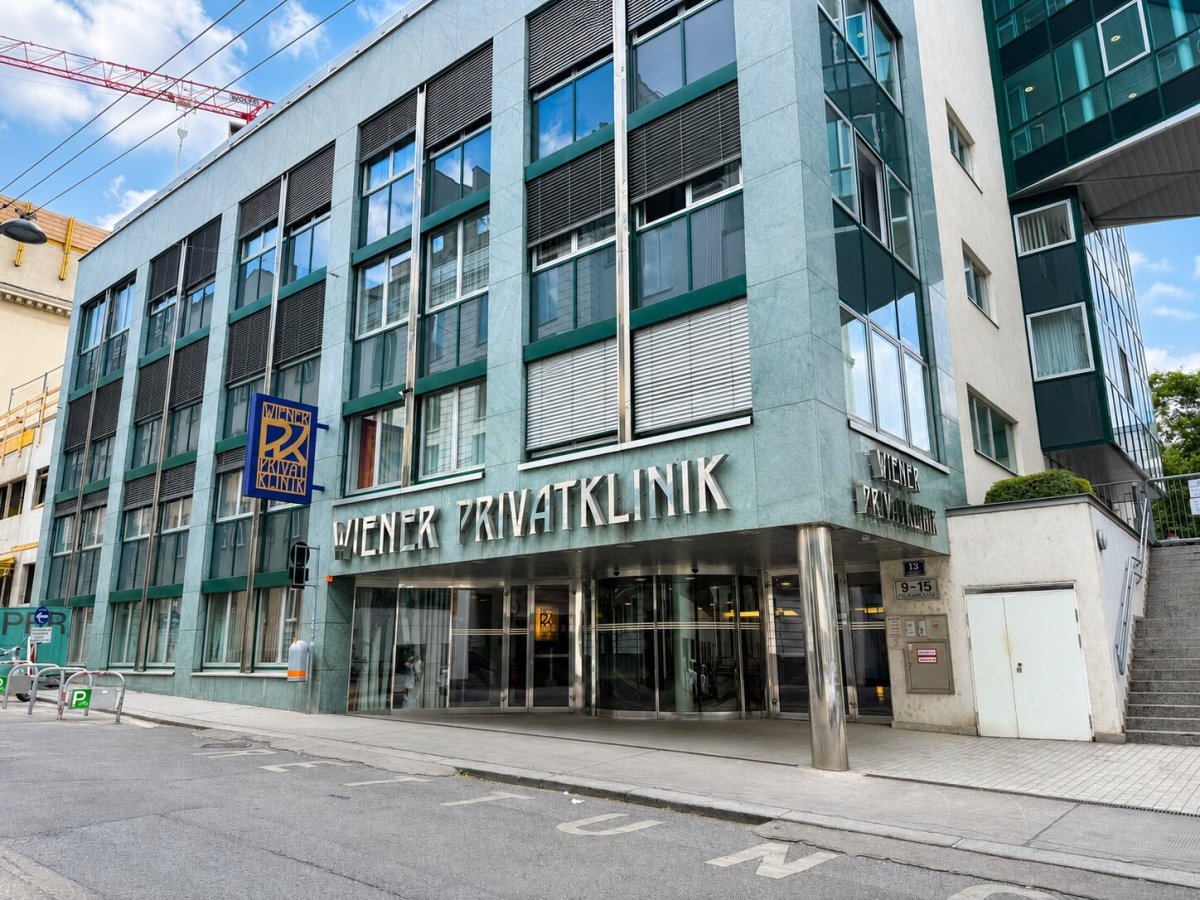
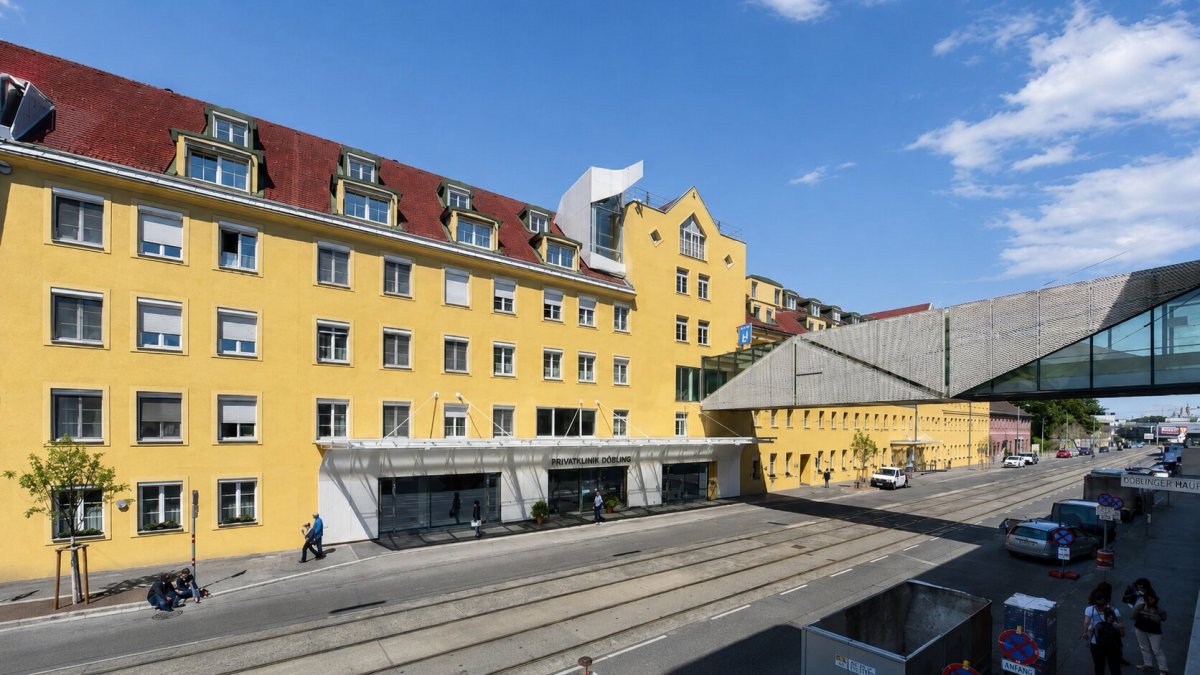
رؤية خبراء Bookimed: يستفيد المرضى الباحثون عن علاج أورام عالي الدقة من النهج متعدد التخصصات في عيادة فيينا الخاصة (Wiener Privatklinik). يضم مركز الأورام الدولي التابع لهم خبراء مثل البروفيسور كريستوف زيلينسكي، المتخصص في بروتوكولات العلاج المناعي. بالنسبة للاحتياجات الجراحية المعقدة، تعتبر مستشفى دوبلينج الخاص (Döbling Private Hospital) خياراً مثالياً، حيث تبلغ معدلات المضاعفات لديهم أقل من القيم الاسمية ويحافظون على معايير السلامة المعتمدة من اللجنة الدولية المشتركة (JCI). وتوفر المؤسسات الجامعية الكبيرة مثل مستشفى فيينا العام (AKH) خبرة عميقة مدعومة بالأبحاث للحالات المتقدمة.
| النمسا | تركيا | إسبانيا | |
|---|---|---|---|
| العلاج المناعي مع Keytruda (Pembolizumab) | ≈ $5,800 | من $3,900 | من $10,300 |
| العلاج الكيميائي لسرطان المرارة | ≈ $7,500 | ≈ $2,200 | من $1,300 |
| العلاج الكيميائي لسرطان الثدي | ≈ $9,500 | من $3,000 | من $1,700 |
| العلاج الكيميائي داخل الصفاق مفرط الحرارة (HIPEC) | ≈ $24,000 | من $18,000 | من $29,200 |
| العلاج الإشعاعي لسرطان القولون والمستقيم | من $6,700 | من $5,000 | من $7,500 |
اكتشف أفضل سرطان المثانة العيادات في النمسا: 6 خيارات معتمدة والأسعار




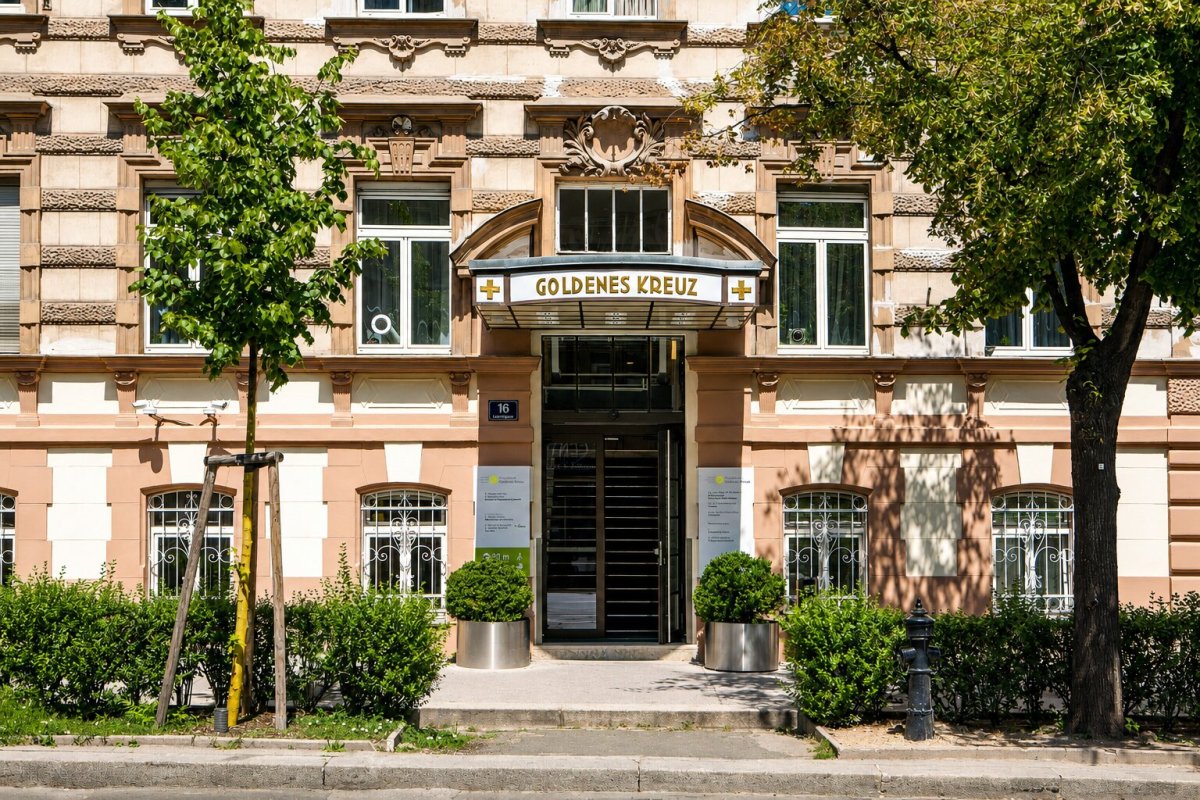
Confraternitaet Private Hospital



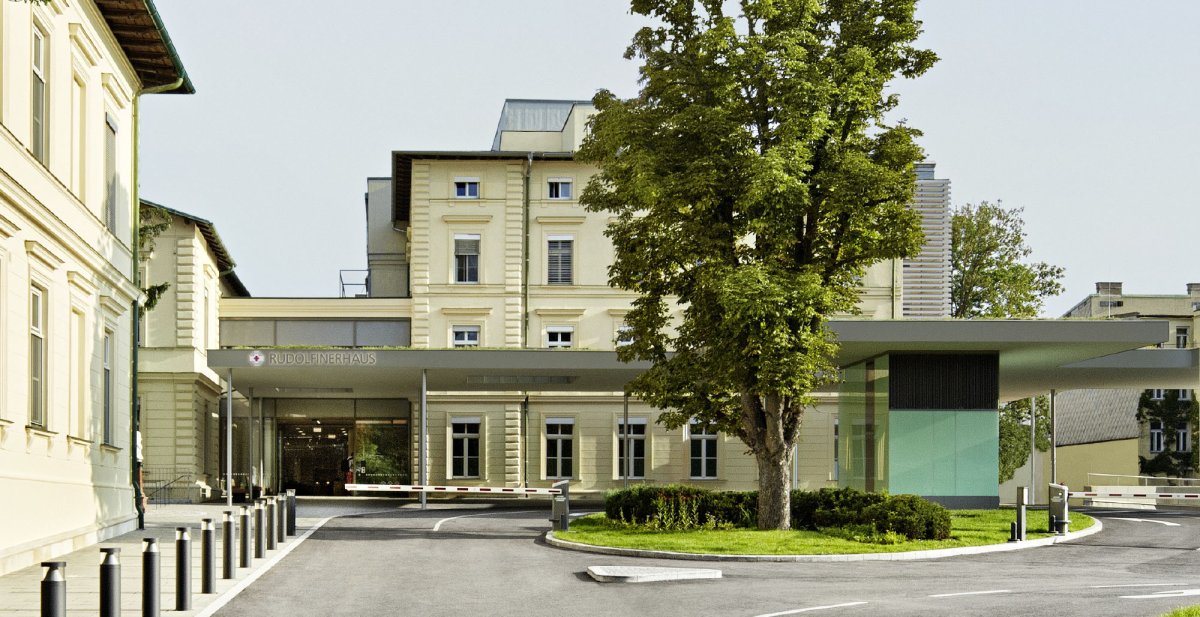
احصلوا على تقييم طبي لـ سرطان المثانة في النمسا: استشيروا أطباء ذوي خبرة الآن
عرض جميع الأطباء
Christoph Zielinski
يرأس البروفيسور زيلينسكي أكبر قسم للأورام في النمسا، وكان رائدًا في علاجات السرطان الشخصية في مركز فيينا للسرطان.
- 44 سنة متخصص في طب الأورام والعلاج المناعي
- مؤسس مركز فيينا الشامل للسرطان (CCC)
- الرئيس السابق لمجموعة وسط أوروبا التعاونية للأورام
- نشر العديد من الأبحاث في مجلات الأورام الرائدة
- المدير الطبي للمركز الدولي للأورام في عيادة فينر بريفاتكلينيك

David Kuczer
الدكتور ديفيد كوتسر اختصاصي طب الأورام الإشعاعي ذو خبرة طويلة في تشخيص السرطان وعلاجه. يوفّر وصولاً سريعاً إلى علاج إشعاعي دقيق وفق المعايير العلمية الراهنة.
هو عضو في مركز السرطان بعيادة فيينا الخاصة. يعرض حالة كل مريض على لجنة الأورام الداخلية، ما يتيح مناقشة متعددة التخصصات يجريها فريق ذو سمعة دولية ويساعد على اختيار أفضل علاج.
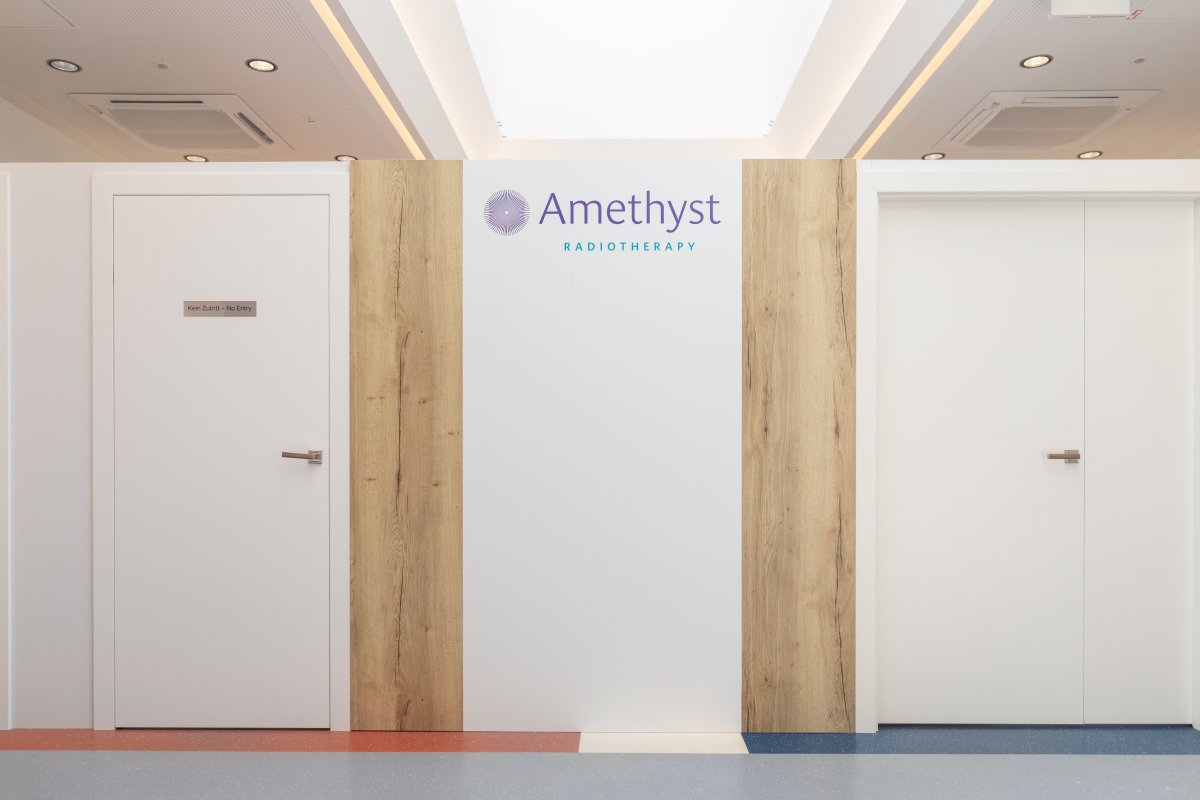
تُقدَّم جميع العلاجات الإشعاعية بالتعاون الوثيق مع Amethyst Radiotherapy في عيادة فيينا الخاصة.

Harald Rosen
_doctor_3825_عاماً_ متخصص في إجراءات الجهاز الهضمي طفيفة التوغل – يجمع الدكتور روزن بين الدقة الجراحية وخبرة الطب الباطني في عيادة فيينا الخاصة (Wiener Privatklinik).
- خبير في التنظير التشخيصي والعلاجي للحالات المعقدة
- رائد في طرق الجراحة التنظيرية الحديثة في النمسا
- يركز على العلاجات طفيفة التوغل لتعافي أسرع
- متخصص في أورام الجهاز الهضمي وأمراض الكبد

Wolfgang Köstler
يتخصص البروفيسور كوستلر في العلاجات الموجهة لسرطان المثانة، مع أبحاث مكثفة في طب الأورام الدقيق في عيادة فيينا الخاصة (Wiener Privatklinik).
- أكثر من 22 سنة من الخبرة في طب الأورام
- يركز على تطوير المؤشرات الحيوية والعلاج المناعي
- أستاذ مشارك في جامعة فيينا الطبية
- نشر أبحاث في مجلات الأورام الدولية الرائدة
مشاركة المحتوى
قصص فيديو من مرضى Bookimed
 Anna Leonova
أسئلة متكررة حول علاج سرطان المثانة في النمسا
ما هي خيارات العلاج الرئيسية لسرطان المثانة في النمسا؟
تُقدّم النمسا علاجات متطورة لسرطان المثانة باستخدام نهج متعدد التخصصات، ويتمركز هذا النهج في فيينا. يُتاح للمرضى استئصال ورم المثانة عبر الإحليل (TURBT)، واستئصال المثانة الجذري بمساعدة الروبوت، وإعادة بناء المثانة المتخصصة. كما تُوفّر طرق مبتكرة، مثل العلاج بالأكتينيوم-225، والعلاج المناعي باستخدام كيترودا، والعلاج الإشعاعي في مركز ميداسترون، علاجًا جهازيًا متطورًا.
- التدخلات الجراحية: في المراحل المبكرة، يقوم الجراحون بإجراء استئصال ورم المثانة عبر الإحليل (TURBT)، وفي حالات غزو العضلات، يتم إجراء استئصال المثانة الجذري.
- إعادة بناء الجهاز البولي: بعد استئصال المثانة، تتوفر خيارات لإنشاء مثانات بولية جديدة أو قنوات معوية من أجزاء الأمعاء.
- العلاجات المتقدمة: تقدم العيادات العلاج بالأكتينيوم-225، والعلاج الكيميائي داخل الصفاق عالي الحرارة (HIPEC)، والعلاج المناعي للحالات المعقدة أو الأمراض النقيلية.
- العلاج داخل المثانة: يتم حقن لقاح BCG (عصية كالميت غيران) وأدوية العلاج الكيميائي مباشرة في المثانة.
رأي خبراء بوكيمد: بينما تقدم العديد من المراكز خدمات الأورام التقليدية، تُعدّ فيينا مركزًا عالميًا للابتكار بقيادة الأطباء. يساهم أخصائيون مثل الدكتور كريستوف زيلينسكي وا
كيف يتأهل جراحو المسالك البولية النمساويون لعلاج سرطان المثانة، وما هي معايير السلامة المطبقة؟
يتأهل جراحو المسالك البولية النمساويون بعد ست سنوات من التعليم الطبي وست سنوات من الإقامة. وللحصول على شهادة البورد النمساوي في جراحة المسالك البولية، يجب عليهم اجتياز امتحانات تأهيلية صارمة. ويحصل العديد منهم على لقب زميل البورد الأوروبي لجراحة المسالك البولية. وتُضمن السلامة من خلال إرشادات سريرية صارمة صادرة عن الجمعية الأوروبية لجراحة المسالك البولية.
- يتكون برنامج الإقامة من أربع سنوات من التدريب في جراحة المسالك البولية بالإضافة إلى سنتين من التدريب في الجراحة أو الطب الباطني.
- برامج الإقامة في طب الأورام: غالباً ما يكمل الأخصائيون برامج إقامة لمدة عامين في طب الأورام البولية في المستشفيات الجامعية الكبرى.
- المعايير الجراحية: يجب على الجراحين إجراء استئصال كامل للورم مع أخذ خزعة من عضلة المثانة لتحديد مرحلة المرض.
- مراقبة الجودة: تقوم السجلات الوطنية برصد نتائج العلاج والحفاظ على معدلات البقاء على قيد الحياة لمدة خمس سنوات عند 75-80%.
رأي خبراء بوكيمد: تُظهر البيانات وجود صلة واضحة بين عبء العمل على الأخصائيين وسلامة المرضى في النمسا. تعالج المراكز الأكاديمية، مثل مستشفى فيينا العام (AKH)، ما يقارب 600,000 مريض سنويًا. يُحسّن اختيار جراح يُجري أكثر من 50 عملية ا
هل استئصال المثانة الروبوتي أو طفيف التوغل شائع في النمسا، وما هو وقت التعافي النموذجي؟
تتوفر عمليات استئصال المثانة الروبوتية والجراحية طفيفة التوغل على نطاق واسع في النمسا في مراكز متخصصة في فيينا ولينز. يستخدم الجراحون أحدث الأنظمة لإجراء هذه العمليات. عادةً ما يقضي المرضى وقتاً أقل في المستشفى ويتعافون بشكل أسرع مقارنةً بالجراحات التقليدية المفتوحة.
- مدة الإقامة في المستشفى: عادةً ما يبقى المرضى في المستشفى لمدة تتراوح من 3 إلى 10 أيام بعد الجراحة.
- التعافي الأولي: عادةً ما يستغرق استئناف النشاط الخفيف من أسبوع إلى أسبوعين بعد الجراحة.
- الاستقلال الوظيفي: يحقق معظم المرضى الاستقلال الوظيفي الأساسي في غضون 3-6 أشهر.
- التعافي الكامل: يستغرق التعافي الكامل بعد استئصال المثانة الجذري عادةً من 6 إلى 12 أسبوعًا.
- حجم العمليات الجراحية: يتم إجراء حوالي 2100 عملية جراحية بمساعدة الروبوت سنوياً في المراكز الطبية النمساوية.
رأي خبراء بوكيمد: على الرغم من أن فترات التعافي طويلة الأمد متقاربة عمومًا، إلا أن الجراحة الروبوتية في النمسا تُقلل بشكل ملحوظ من مدة الإقامة في المستشفى بعد العملية مباشرة. يُعالج مستشفى فيينا العام (AKH) أكثر من 595,000 مريض سنويًا، وهو مركز أكاديمي رائد. يُعد اختيار مراكز
ما هي المضاعفات المحتملة قصيرة المدى وطويلة المدى التي قد تنشأ بعد جراحة سرطان المثانة في النمسا، وكيف يتم التعامل معها؟
في المراكز النمساوية المتخصصة، تُعالج المضاعفات التي تلي جراحة المثانة باستخدام بروتوكولات تعافي مُحسّنة واستشارات متعددة التخصصات في طب الأورام. تشمل المخاطر قصيرة المدى العدوى واضطرابات الأمعاء. ويركز العلاج طويل المدى على مراقبة صحة التمثيل الغذائي ووظائف الجهاز البولي. وتلتزم عيادات مثل عيادة فيينا الخاصة ومستشفى فيينا العام بالمعايير الصارمة للجمعية الأوروبية لجراحة المسالك البولية.
- العدوى المبكرة: الاستخدام الموجه للمضادات الحيوية يعالج التهابات المسالك البولية أو التهابات الجروح التي تحدث في المستشفى.
- إدارة الأمعاء: يستخدم الجراحون العلكة والنشاط البدني المبكر لاستعادة الهضم بعد الجراحة.
- وظيفة الجهاز البولي: يمكن أن يساعد تدريب عضلات قاع الحوض والأدوية الخاصة في إدارة سلس البول أو المشاكل المرتبطة باحتباس البول في المثانة غير البولية.
- المراقبة الأيضية: تراقب فحوصات الدم مدى الحياة وظائف الكلى ومستويات فيتامين ب12 بعد إعادة البناء.
رأي خبراء بوكيميد: تُظهر البيانات من المراكز الرئيسية في فيينا، مثل مستشفى فيينا الخاص ومستشفى فيينا العام، أن معدلات المضاعفات لا تزال منخفضة بفضل الكثافة العالية للأطباء. يضم مستشفى فيينا العام وحده أكثر من 1600 طبيب، مما يضمن ح
كم من الوقت سأحتاج للبقاء في النمسا لتشخيص وعلاج سرطان المثانة، وما هو التسلسل المعتاد لهذه الإجراءات؟
تتراوح مدة الإقامة في النمسا لعلاج سرطان المثانة من 3 أيام للتشخيص إلى 6 أسابيع للجراحة الكبرى. تستغرق الفحوصات الأولية عادةً من 3 إلى 14 يومًا، وتشمل تنظير المثانة وأخذ خزعة. تتطلب العمليات الجراحية الكبرى، مثل استئصال المثانة الجذري، إقامة في المستشفى لمدة 7 أيام، تليها فترة نقاهة محلية.
- المرحلة التشخيصية: تقوم المراكز المحلية بإجراء تنظير المثانة وأخذ الخزعة في غضون 3-7 أيام.
- التدخل الجراحي: عادةً ما يتطلب استئصال الورم عبر الإحليل (TURBT) الإقامة في المستشفى لمدة يوم أو يومين فقط.
- التعافي المعزز: يجب على المرضى الذين خضعوا لاستئصال المثانة الجذري البقاء في فيينا لمدة تتراوح من 4 إلى 6 أسابيع.
- الدورات الجهازية: غالبًا ما يتم تصميم بروتوكولات العلاج المناعي أو العلاج الكيميائي لمدة 3-4 أشهر من العلاج.
رأي خبراء بوكيمد: يمكن للمرضى تقليل وقت السفر باختيار مستشفيات مثل عيادة فيينا الخاصة أو مستشفى فيينا العام (AKH)، التي توفر خدمات علم الأنسجة المرضية في الموقع. فبينما تتطلب بعض المختبرات الأوروبية عشرة أيام، غالبًا ما تُسرّع هذه المراكز الرئيسية في فيينا من إصدار النتائج. وهذا يُتيح للمرضى بدء العلاج داخل المثانة بلقاح BCG أو تحديد موعد للجراحة خلال نفس الرحلة ال
هل تقدم العيادات النمساوية خدمات الترجمة، والوثائق باللغة الإنجليزية، والدعم للسياح الطبيين؟
تُقدّم العيادات النمساوية مجموعة واسعة من خدمات الترجمة والوثائق باللغة الإنجليزية لمرضى سرطان المثانة. وتُوفّر مؤسسات رائدة، مثل عيادة فيينا الخاصة، نهجًا علاجيًا مُخصّصًا في بيئة متعددة اللغات. ويُتقن معظم الأطباء اللغة الإنجليزية. وتضمن المتطلبات القانونية حصول المرضى على معلومات العلاج بلغة يفهمونها تمامًا.
- طاقم مؤهل: يتولى أخصائيون مثل الدكتور كريستوف زيلينسكي إدارة حالات السرطان الدولية باللغة الإنجليزية.
- الوثائق: توفر العيادات نسخاً باللغة الإنجليزية من اتفاقيات العلاج ونماذج الموافقة المستنيرة.
- دعم التأشيرة: غالباً ما تصدر المستشفيات دعوات للعلاج لتسهيل إجراءات الحصول على التأشيرة.
- خدمات الترجمة: يتوفر مترجمون فوريون في الموقع للتسجيل والفحوصات التشخيصية والإجراءات الجراحية.
رأي خبراء بوكيمد: بينما تعالج المستشفيات العامة مثل مستشفى فيينا العام حوالي 600 ألف مريض سنويًا، تقدم العيادات الخاصة رعاية أكثر تخصصًا. توفر عيادة فيينا الخاصة إمكانية الوصول إلى أساتذة من جامعة فيينا الطبية في بيئة أكثر خصوصية. وهذا يضمن حصول حالات سرطان المثانة المعقدة على الخبرة الأكاديمية والدعم اللوجستي المتكامل.
ملاحظات الم
ما هي المدن النمساوية التي تعتبر الأفضل لعلاج سرطان المثانة ولماذا؟
تُعدّ فيينا وغراتس وإنسبروك من المدن النمساوية الرائدة في علاج سرطان المثانة، إذ تضمّ ثلاثة مراكز شاملة لعلاج السرطان معترف بها وطنياً. تُقدّم هذه المراكز خدمات تشخيصية متعددة التخصصات وأساليب علاجية قائمة على الأدلة. وتُعتبر فيينا المركز الوطني الرائد في الجراحة الروبوتية المعقدة والعلاج المناعي المتقدم.
- مركز فيينا للسرطان: يقدم مستشفى فيينا العام وعيادة فيينا الخاصة استئصال المثانة الروبوتي والعلاج المناعي.
- مراكز الأبحاث في غراتس: يتخصص مركز راغنيتز في غراتس وجامعة غراتس الطبية في إجراء الاستشارات حول علاج عدد كبير من الأورام.
- الرعاية الأكاديمية في إنسبروك: يقدم مستشفى جامعة إنسبروك خدمات متطورة في إعادة بناء المثانة باستخدام بدائل غير بولية ويجري أبحاثًا سريرية.
- العلاج الدقيق المتخصص: تقوم عيادة MedAustron في مدينة فينر نويشتات القريبة بإجراء العلاج الإشعاعي عالي الدقة باستخدام الجسيمات.
رأي خبراء بوكيمد: بينما تعالج المستشفيات الجامعية مثل مستشفى فيينا الجامعي حوالي 600 ألف مريض سنويًا، توفر العيادات الخاصة وصولًا أسرع بكثير للمرضى الدوليين. تحافظ عيادات مثل عيادة فيينا الخاصة أو مستشفى دوبلينغ الخاص على معدلات مضاعفات أقل من خلال الاستعانة بأساتذة من جامعة في