علاج تصلب الشرايين في إسرائيل — احصل على 3 عيادات مختارة خصيصاً لك


تمت مراجعة المقالة طبيا من قبل
فهد مولود
كيف نعمل؟
ما هي تكلفة تصلب الشرايين إجراءات التشخيص والعلاج في إسرائيل؟ اعرف الآن
| إسرائيل | تركيا | إسبانيا | |
|---|---|---|---|
| فصل البروتين الدهني منخفض الكثافة | ≈ $1,600 | ≈ $450 | ≈ $1,100 |
| الفصل العلاجي للدم | ≈ $1,400 | من $4,500 | ≈ $1,400 |
اكتشف أفضل تصلب الشرايين العيادات في إسرائيل: 12 خيارات معتمدة والأسعار










Assaf Harofeh Medical Center


Herzliya Medical Center
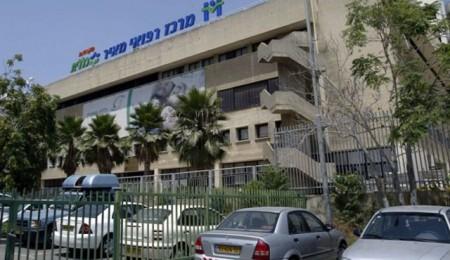
Meir Medical Center

Kaplan Medical Center
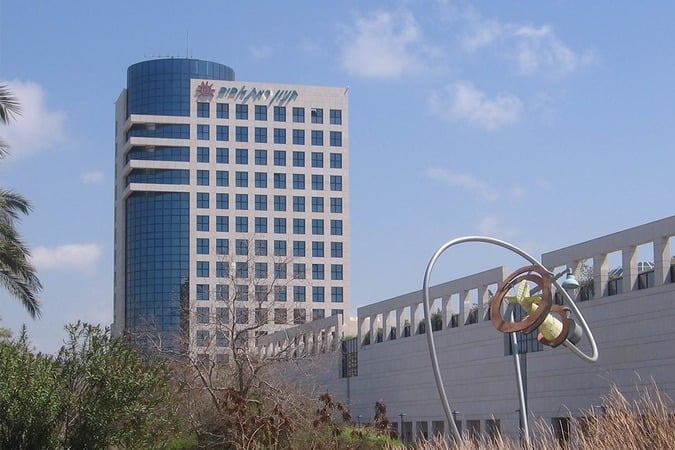
Ramat Aviv Medical Center
احصل على تقييم طبي لـ في إسرائيل. استشر الآن 13 أطباء ذوي الخبرة.
عرض جميع الأطباء
Levi Yehuda
يتمتع البروفيسور ليفي يهودا بخبرة تقارب _doctor_3477_ عاماً في مجال أمراض القلب والأوعية الدموية، مع ممارسة واسعة في تشخيص وعلاج تصلب الشرايين والحالات ذات الصلة في مركز سوراسكي الطبي.
- عضو في جمعيات القلب الدولية المرموقة
- خبير في الإجراءات التداخلية المتقدمة مثل دعامات الشرايين التاجية
- تدريب في العناية المركزة للقلب في مركز شيبا الطبي
- يشمل التدريب طب الصدمات العسكري ورعاية القلب قبل دخول المستشفى

Helkin Amir
مدير خدمة أمراض القلب الهيكلية في مركز تل أبيب الطبي – الدكتور أمير متخصص في تقنيات طب القلب التداخلي المتقدمة.
- أكثر من _doctor_3449_عاماً_ من الخبرة في طب القلب
- تدرب في طب القلب التداخلي في مستشفى لينوكس هيل في نيويورك
- طبيب أول في مختبرات القسطرة
- نشر عشرات الأوراق المهنية حول طب القلب

Bella Koifman
ترأس قسم تخطيط صدى القلب في مركز تل أبيب سوراسكي الطبي (إيخيلوف)، وهي متخصصة في تشخيص أمراض القلب المتقدمة. تدربت في طب القلب في مركز رائد في لندن.
- تعالج حالات تشمل مرض الشريان التاجي، وتمدد الأوعية الدموية الأبهري، والرجفان الأذيني
- تدربت في مستشفى رويال برومبتون في لندن، وهو مركز عالمي رائد في طب القلب
- رئيسة عيادة صحة المرأة وقسم إعادة تأهيل القلب
- نشطة في الأبحاث السريرية التي تركز على التشخيص المبكر لأمراض القلب
- تُدرّس طب القلب على المستوى الجامعي، وتشارك خبرتها مع الأطباء الجدد

Gideon Uretzky
الدكتور جدعون أوريتسكي هو جراح قلب رائد متخصص في جراحة القلب طفيفة التوغل وإعادة تأهيل القلب في مركز سوراسكي الطبي.
- أستاذ في جامعة تل أبيب
- جراح قلب أول في مستشفى إيخيلوف
- يركز على التقنيات المتقدمة طفيفة التوغل
- خبرة في برامج إعادة تأهيل القلب بعد الجراحة
مشاركة المحتوى
قصص فيديو من مرضى Bookimed
 Anna Leonova
أسئلة متكررة حول علاج تصلب الشرايين في إسرائيل
ما مدى أمان علاج تصلب الشرايين في إسرائيل؟
تعتبر إسرائيل آمنة للغاية لعلاج تصلب الشرايين. تحافظ المراكز الكبرى على اعتماد اللجنة الدولية المشتركة (Joint Commission International) وتتمتع بمعدلات بقاء استثنائية. تبلغ معدلات المضاعفات في إجراءات مثل تصوير الأوعية التاجية حوالي 0%. غالبًا ما يكون المتخصصون حاصلين على تدريب في الولايات المتحدة أو أوروبا. تستخدم مرافق مثل سوراسكي وأسوتا دعامات دوائية متطورة وتصويرًا رقميًا.
- مؤهلات الخبراء: يتمتع جراحون مثل الدكتور كريمر أمير بخبرة تزيد عن 30 عامًا.
- الحجم السريري: يجري مركز سوراسكي الطبي أكثر من 34,000 عملية سنويًا بنجاح كبير.
- التكنولوجيا المتقدمة: تستخدم العيادات أنظمة MICRA وVenaSeal والتصوير الرقمي المعتمد على الذكاء الاصطناعي.
- معايير السلامة: تصنف أفضل المستشفيات باستمرار في قائمة "أفضل مستشفيات العالم" لمجلة نيوزويك.
رؤية خبير Bookimed: تعتمد سلامة طب القلب في إسرائيل على أعداد المرضى الهائلة في المراكز الأكاديمية. تعالج مدارس مثل هداسا ورمبام ما يقرب من 1,000,000 مريض سنويًا. يسمح هذا التردد العالي للجراحين بإتقان التدخلات المعقدة مثل TAVI أو إصلاح الصمامات بدون دعامات. غالبًا ما تؤدي هذه الخبرة القائمة على الحجم إلى نتائج أفضل في الحالات النادرة أو الصعبة.
إجماع المرضى: يشير المرضى إلى أن الأطباء يتحدثون الإنجليزية بطلاقة ويعطون الأولوية للتواصل الواضح. يؤكد الكثيرون على أهمية التأكد من حجم حالات الجراح المحددة قبل المضي قدمًا في تركيب دعامات معقدة.
ما هي المستشفيات الإسرائيلية المتخصصة في تصلب الشرايين وما هي مؤهلات أطبائها؟
تتخصص المستشفيات الإسرائيلية مثل هداسا وسوراسكي في تصلب الشرايين من خلال مراكز مخصصة للبحث والعلاج. الأطباء هناك هم متخصصون معتمدون. وغالباً ما يحملون زمالات دولية من مؤسسات مثل أكسفورد أو سيدارز سيناي. ويعمل الكثير منهم كأساتذة جامعيين ولديهم خلفيات بحثية واسعة.
- مرافق متخصصة: تدير هداسا مركزاً مخصصاً للبحث والوقاية وعلاج تصلب الشرايين.
- مؤهلات الأطباء: يتمتع متخصصون مثل الدكتور كريمر أمير بأكثر من 30 عاماً من الخبرة السريرية.
- التدريب الدولي: غالباً ما يكمل أطباء القلب زمالات متخصصة في مراكز مرموقة في المملكة المتحدة والولايات المتحدة.
- التكنولوجيا المتقدمة: تستخدم العيادات تركيب الدعامات الموجه بالذكاء الاصطناعي وتقنية VenaSeal لإصلاح الشرايين طفيف التوغل.
رؤية خبير Bookimed: تبرز أمراض القلب في إسرائيل لأن كبار المتخصصين غالباً ما يحملون شهادات مزدوجة وأدواراً أكاديمية. على سبيل المثال، الدكتور أربيل يارون في سوراسكي معتمد في كل من الطب الباطني وأمراض القلب. هذه الخبرة متعددة الطبقات شائعة في المرافق الرائدة. وهي تضمن حصول حالات تصلب الشرايين المعقدة على رعاية شاملة بدلاً من مجرد التدخل الجراحي.
إجماع المرضى: يشير المرضى إلى أن المتخصصين الإسرائيليين غالباً ما يوفرون تعافياً خالياً من المضاعفات لإجراءات اعتبرها الأطباء في أماكن أخرى عالية المخاطر. وغالباً ما يسلطون الضوء على المزيج بين الدقة العسكرية وتصوير اللويحات المتقدم المتاح في حيفا وتل أبيب.
ما هي التقنيات التشخيصية والعلاجية المتاحة للمرضى الدوليين؟
يتمتع المرضى الدوليون في إسرائيل بإمكانية الوصول إلى تقنيات متقدمة لعلاج تصلب الشرايين، بما في ذلك فصادة الدم العلاجية وفصادة البروتين الدهني منخفض الكثافة (LDL) لإدارة الدهون. تستخدم المراكز الرائدة التصوير الرقمي المعتمد على الذكاء الاصطناعي والجراحة الروبوتية. وتوجه التشخيصات المتخصصة مثل الموجات فوق الصوتية داخل الأوعية الدموية ثلاثية الأبعاد واحتياطي التدفق الجزئي وضع الدعامات بدقة. تحتفظ معظم المرافق باعتماد JCI وتوفر دعم الطب عن بعد.
- إدارة الدهون: تعمل الفصادة العلاجية وفصادة LDL على إزالة الكوليسترول الضار للمرضى المعرضين لمخاطر عالية.
- التصوير الدقيق: تعمل الموجات فوق الصوتية داخل الأوعية الدموية ثلاثية الأبعاد (IVUS) والتصوير المقطعي للترابط البصري (OCT) على توصيف اللويحات.
- التشخيص المتقدم: يقوم التصوير الرقمي وتصوير الأوعية المقطعي المحوسب بمساعدة الذكاء الاصطناعي بتقييم آفات الشرايين المتكلسة.
- خيارات طفيفة التوغل: تقدم خدمات أمراض القلب الهيكلية تفتيت الحصوات داخل الأوعية الدموية بالموجات الصدمية للحالات المعقدة.
رؤية خبير Bookimed: تُظهر أقسام أمراض القلب الإسرائيلية نمطاً فريداً يجمع بين البحث الأكاديمي والممارسة السريرية. على سبيل المثال، يجلب الدكتور كريمر أمير في مركز سوراسكي الطبي أكثر من 30 عاماً من الخبرة والتدريب المتخصص من مراكز أوروبية متعددة إلى ممارسته. تعني كثافة الخبرة العالمية هذه أن المرضى غالباً ما يتلقون بروتوكولات علاجية، مثل تقنيات صمام القلب بدون دعامة، والتي لا تتوفر إلا في مستشفيات جامعية مختارة ذات حج
هل سيكون لدي ندوب مرئية بعد العلاج بالقسطرة أو الجراحة في إسرائيل؟
يؤدي علاج تصلب الشرايين في إسرائيل إلى الحد الأدنى من الندوب من خلال تقنيات متقدمة تعتمد على القسطرة والمناظير. تترك الجراحة التقليدية خطوطًا ضيقة تتلاشى خلال 12 شهرًا. عادةً ما تلتئم نقاط دخول القسطرة لتصبح علامات صغيرة جدًا تشبه وخز الإبرة. تساعد مراكز الليزر المتخصصة في المستشفيات الإسرائيلية في تقليل أي ظهور دائم للندوب.
- علامات القسطرة: تترك مواقع الدخول في الفخذ أو الرسغ نقاطًا صغيرة ومسطحة.
- جراحة طفيفة التوغل: تستخدم طرق التنظير شقوقًا لا تتجاوز 5 إلى 6 مليمترات.
- الشفاء الجراحي: تصبح الندوب التقليدية مسطحة وباهتة بشكل ملحوظ في غضون 6 إلى 12 شهرًا.
- تقليل الندوب بالليزر: تستخدم المراكز ليزر Alma Hybrid لتخصيص العلاج للندوب الجراحية.
رؤية خبير Bookimed: يركز المتخصصون الإسرائيليون مثل الدكتور كريمر أمير في مركز سوراسكي الطبي على تقنيات MIDCAB طفيفة التوغل وصمامات بدون دعامات. هذه الطرق شائعة في المراكز ذات الأحجام الجراحية العالية مثل أسوتا، الذي يجري 92,000 عملية سنويًا. يستفيد المرضى من هذه الخبرة عالية التردد لأن الجراحين يستخدمون بشكل متكرر أجهزة إغلاق مثل Angio-Seal لضمان التئام مواقع الوخز بسلاسة.
إجماع المرضى: يشير المرضى إلى أن الوصول الشعاعي عبر الرسغ للقسطرة يكاد يكون غير مرئي ويشفى بشكل أسرع من مواقع الفخذ. يذكر أولئك الذين يخضعون لجراحة المجازة أن ندوب الحصاد التي يبلغ طولها 6 بوصات غالبًا ما تتلاشى إلى خطوط رفيعة وباهتة بعد عامين مع الاستخدام المستمر لصفائح السيليكون.
كم من الوقت سأحتاج للبقاء في إسرائيل ومتى يمكنني السفر إلى المنزل؟
يتطلب علاج تصلب الشرايين في إسرائيل عادةً إقامة تتراوح من 3 إلى 14 يوماً. تعتمد جداول السفر على مدى تعقيد الإجراء وموافقة الجراح. غالباً ما يسافر المرضى إلى منازلهم بعد 2 إلى 7 أيام من إجراء دعامة طفيفة التوغل. تتطلب جراحة القلب المفتوح من 3 إلى 4 أسابيع قبل السفر.
- الإقامة في المستشفى: توقع من 1 إلى 3 أيام لتركيب دعامة أو قسطرة بدون مضاعفات.
- التعافي بعد الجراحة: تتطلب الجراحات الغازية مثل جراحة المجازة من 7 إلى 14 يوماً في المستشفى.
- نافذة السفر: يسافر معظم المرضى في غضون 48 ساعة بعد إجراءات الوصول عبر الشريان الكعبري.
- هامش الأمان: يوصي الجراحون بالانتظار من 10 إلى 14 يوماً لتقليل مخاطر تجلط الدم.
رؤية خبير Bookimed: تظهر البيانات من مراكز رائدة مثل Sourasky و Assuta أن الوصول عبر الشريان الكعبري هو المعيار لتسريع التعافي. غالباً ما يغادر المرضى الذين يختارون هذا النهج المستشفى في غضون 24 ساعة. نظراً لأن هذه العيادات تخدم أكثر من 1,000,000 مريض سنوياً، فإن لديها بروتوكولات مبسطة لخروج المرضى الدوليين. تأكد دائماً من جدول المتابعة الخاص بك قبل حجز رحلات العودة لضمان اكتمال جميع الفحوصات التشخيصية.
إجماع المرضى: يشير المرضى إلى أن الوصول عبر الشريان الكعبري يقصر بشكل كبير من وقت الانتظار للسفر مقارنة بالوصول عبر الشريان الفخذي. يؤكد الكثيرون على أهمية البقاء لأيام إضافية للمتابعة واستخدام جوارب الضغط أثناء رحلة العودة.
من هو الشخص الذي لا يعتبر مرشحاً للعلاج بالقسطرة في إسرائيل؟
عادةً لا يعتبر المرضى الذين يعانون من التهاب الشغاف النشط أو النزيف الداخلي مرشحين للعلاج بالقسطرة في إسرائيل. كما تمنع القيود التشريحية الشديدة مثل عدم كفاية الوصول إلى الشرايين أو تكلس الصمامات هذا النهج. تعطي فرق القلب المتخصصة في مراكز مثل مركز سوراسكي الطبي الأولوية للبدائل الجراحية للمرضى الأصغر سناً.
- الحالة السريرية: تمنع العدوى النشطة أو جراحات الدماغ الحديثة إجراءات القسطرة بشكل عام.
- قيود الوصول: قد يمنع مرض الشرايين المحيطية الشديد الدخول الآمن للقسطرة عبر الفخذ.
- القيود التشريحية: غالباً ما يتطلب التكلس الشديد أو جلطات الدم في القلب جراحة مفتوحة.
- إجماع المتخصصين: قد توصي الفرق متعددة التخصصات بجراحة المجازة التاجية لأمراض الشرايين التاجية المعقدة متعددة الأوعية.
رؤية خبراء Bookimed: تستخدم المراكز الإسرائيلية مثل مركز سوراسكي الطبي وأسوتا فرق قلب متعددة التخصصات لتحديد الأهلية. بينما توفر العيادات الخاصة مثل أسوتا جدولة أسرع للتقنيات المبتكرة مثل VenaSeal، تتعامل المراكز الأكاديمية مثل سوراسكي مع الحالات المعقدة حيث لا تُستخدم أدوات القسطرة مثل MICRA إلا إذا كان تنظيم ضربات القلب التقليدي مستحيلاً طبياً.
إجماع المرضى: يلاحظ المرضى أن الأطباء الإسرائيليين محافظون جداً فيما يتعلق بالسلامة. ويؤكدون أنه إذا اقترح الجراح جراحة مفتوحة بدلاً من القسطرة، فذلك عادةً لأن التشريح يجعل المسار طفيف التوغل محفوفاً بالمخاطر على الصحة طويلة المدى.
هل يوفر المستشفى دعمًا لغويًا ومتابعة بعد عودتي إلى المنزل؟
توفر المستشفيات الإسرائيلية الرائدة دعمًا لغويًا داخليًا على مدار الساعة طوال أيام الأسبوع وطبًا عن بُعد متطورًا للمتابعة عن بُعد. تستخدم مرافق مثل مركز سوراسكي الطبي وهداسا السجلات الصحية الإلكترونية لتتبع التقدم. يتلقى المرضى الدوليون صورًا رقمية وملخصات خروج مخصصة لضمان التعافي الآمن بمجرد عودتهم إلى المنزل.
- إمكانية الوصول اللغوي: يقدم مترجمون طبيون معتمدون الدعم خلال الزيارات الشخصية وعبر خطوط هاتفية تعمل على مدار 24 ساعة.
- المتابعة الرقمية: تستخدم مراكز سوراسكي وهداسا منصات الطب عن بُعد للاستشارات الجراحية اللاحقة عن بُعد.
- ترجمة المستندات: توفر المستشفيات أدلة الأدوية وتعليمات الخروج باللغة التي يفضلها المريض.
- تنسيق الرعاية: توفر المرافق المعتمدة من اللجنة الدولية المشتركة (JCI) أقسامًا دولية مخصصة لإدارة خطط التعافي لمسافات طويلة.
رؤية خبير Bookimed: تعالج المراكز الطبية الإسرائيلية مثل سوراسكي وهداسا أكثر من 1,000,000 مريض كل عام. تُظهر بياناتنا أن هذه المراكز ذات الحجم الكبير تدمج السجلات الصحية الإلكترونية مع المراقبة عن بُعد. وهذا يجعل المتابعات الافتراضية أكثر دقة مما هي عليه في العيادات الأصغر. يجب على المرضى تأكيد جدول الطب عن بُعد قبل السفر إلى المنزل لضمان استمرارية سلسة.
إجماع المرضى: يشير المرضى إلى أنه على الرغم من شيوع اللغة الإنجليزية أثناء الإقامة، إلا أن المستندات قد تصل باللغة العبرية. ويوصون بزيارة القسم الدولي للحصول على ملصقات الأدوية المترجمة قبل مغادرة المستشفى.
لماذا تُعد إسرائيل واحدة من الوجهات الرائدة في جراحة الأعصاب؟
تُعدّ إسرائيل مركزًا رائدًا في جراحة الأعصاب بفضل مزيجها من التطورات الطبية عالية التقنية والخبرات الجراحية المتميزة. وتستخدم مرافق متطورة مثل مركز شيبا الطبي أنظمة ملاحة تعتمد على الذكاء الاصطناعي والتصوير بالرنين المغناطيسي أثناء الجراحة في الوقت الفعلي. وتشير المراكز المتخصصة إلى نسبة نجاح تصل إلى 98% في العمليات الجراحية المعقدة، بما في ذلك جراحة الدماغ مع اليقظة وعلاج اضطرابات الحركة.
- التكنولوجيا المتقدمة: تستخدم العيادات الموجات فوق الصوتية المركزة الموجهة بالرنين المغناطيسي (MRgFUS) والأنظمة الروبوتية لإجراء الشقوق.
- الخبرة الجراحية: يقود جراحون مثل الدكتور تسفي رام جمعيات دولية بخبرة تزيد عن 25 عامًا.
- الوصول السريع: يمكن للمرضى الدوليين عادةً تحديد مواعيد لإجراء عمليات جراحية معقدة في الدماغ أو العمود الفقري في غضون 2-4 أسابيع.
- الرعاية الطبية المعتمدة: المراكز الكبيرة مثل سوراسكي (إيشيلوف) وأسوتا معتمدة من قبل اللجنة الدولية المشتركة، مما يؤكد سلامتها.
رأي خبراء بوكيمد: تُظهر البيانات فرقًا واضحًا بين خيارات العلاج في القطاعين العام والخاص في إسرائيل. تُجري المراكز الخاصة، مثل مركز أسوتا الطبي، أكثر من 92,000 عملية جراحية سنويًا، وتتيح للمرضى اختيار جراح را
ما هي أنواع الأمراض العصبية التي يتم علاجها في إسرائيل؟
يعالج جراحو الأعصاب الإسرائيليون طيفاً واسعاً من الحالات، بدءاً من أورام الدماغ والحبل الشوكي وصولاً إلى الاضطرابات الوظيفية المعقدة. وتستخدم المراكز المتخصصة أحدث التقنيات، مثل جهاز جاما نايف، والتحفيز العميق للدماغ، والتصوير بالرنين المغناطيسي أثناء الجراحة، لتشخيص دقيق للغاية لحالات الصرع، ومرض باركنسون، وأمراض الأوعية الدموية الدماغية.
- الأمراض السرطانية: علاج الأورام الدبقية والأورام السحائية وأورام الغدة النخامية باستخدام استئصال قاعدة الجمجمة.
- الاضطرابات الوظيفية: علاج مرض باركنسون والرعاش الأساسي باستخدام التحفيز العميق للدماغ.
- أمراض العمود الفقري: تصحيح الجنف، وانزلاق الغضروف، وأورام العمود الفقري باستخدام الأنظمة الروبوتية.
- علاج أمراض الأوعية الدموية الدماغية: العلاج الجراحي لتمدد الأوعية الدموية الدماغية والتشوهات الشريانية الوريدية باستخدام التدخلات داخل الأوعية الدموية.
- جراحة الأعصاب للأطفال: رعاية متخصصة لاستسقاء الرأس والتشوهات الخلقية في مراكز طب الأطفال المتخصصة.
رأي خبراء بوكيمد: غالبًا ما تجمع المستشفيات الإسرائيلية بين تخصصات طبية متعددة لمعالجة الحالات المعقدة. ففي مركز سوراسكي ا
ما هي المستشفيات في إسرائيل التي تشتهر بأقسام جراحة الأعصاب فيها؟
تضم إسرائيل مراكز جراحة أعصاب عالمية المستوى، مثل مركز سوراسكي الطبي، ومركز شيبا الطبي، ومركز هداسا الطبي. وتُعدّ هذه المؤسسات رائدة عالميًا في علاج أورام الدماغ المعقدة، وأمراض العمود الفقري، واضطرابات الحركة. وتستخدم أحدث التقنيات، مثل جهاز جاما نايف، والأنظمة الروبوتية، والتصوير بالرنين المغناطيسي أثناء الجراحة.
- سوراسكي (إيخيلوف): يجري أكثر من 2500 عملية جراحية عصبية سنوياً في تل أبيب بنسبة نجاح تبلغ 98%.
- مركز شيبا الطبي: مصنف ضمن أفضل عشرة مستشفيات في العالم، حيث يعالج 1.9 مليون مريض سنوياً.
- مركز هداسا الطبي: مرشح لجائزة نوبل للسلام. رائد في جراحة الأعصاب للأطفال والعلاج الجيني.
- مركز أسوتا الطبي: أكبر منشأة طبية خاصة في إسرائيل. متخصص في جراحات العمود الفقري والدماغ طفيفة التوغل.
- مستشفى شنايدر للأطفال: مركز رائد في جراحة الأعصاب للأطفال، يعالج 275000 طفل سنوياً.
رأي خبراء بوكيمد: تُظهر بياناتنا أنه بينما يلجأ معظم المرضى للعلاج في تل أبيب، يُقدّم مركز رامبام الطبي في حيفا رعايةً فريدةً لإصابات الدماغ. فهو يضم وحدةً متخصصةً للعناية المركزة العصبية تُعالج ما يقارب مليون مريض سنويًا. وهذا ما يجعله