تصلب الشرايين العلاج في الصين - التكاليف 2026


تمت مراجعة المقالة طبيا من قبل
فهد مولود
ما هي تكلفة تصلب الشرايين إجراءات التشخيص والعلاج في الصين؟ اعرف الآن
| الصين | تركيا | إسبانيا | |
|---|---|---|---|
| فصل البروتين الدهني منخفض الكثافة | ≈ $700 | ≈ $450 | ≈ $1,100 |
| الفصل العلاجي للدم | ≈ $900 | من $4,500 | ≈ $1,400 |
مزاياك وضماناتك مع Bookimed
أسعار مباشرة
Bookimed لا يضيف رسوماً إضافية على أسعار علاج تصلب الشرايين. الأسعار مأخوذة من قوائم الأسعار الرسمية للعيادات. تدفع مباشرة في العيادة مقابل علاجك عند وصولك إلى البلد.
عيادات وأطباء معتمدون فقط
Bookimed ملتزم بسلامتك. نحن نعمل فقط مع المؤسسات الطبية التي تحافظ على معايير دولية عالية في علاج تصلب الشرايين ولديها التراخيص اللازمة لخدمة المرضى الدوليين في جميع أنحاء العالم.
مساعدة مجانية على مدار الساعة
Bookimed يقدم مساعدة خبراء مجانية. منسق طبي شخصي يدعمك قبل وأثناء وبعد العلاج، ويحل أي مشاكل. لن تكون وحيداً أبداً في رحلة علاج تصلب الشرايين.

منسقك الطبي الشخصي في Bookimed
- يدعمك في كل مرحلة
- المساعدة في اختيار العيادة الطبية المناسبة والطبيب المناسب
- يضمن الوصول السريع والمريح إلى المعلومات
اكتشف أفضل تصلب الشرايين العيادات في الصين: 2 خيارات معتمدة والأسعار


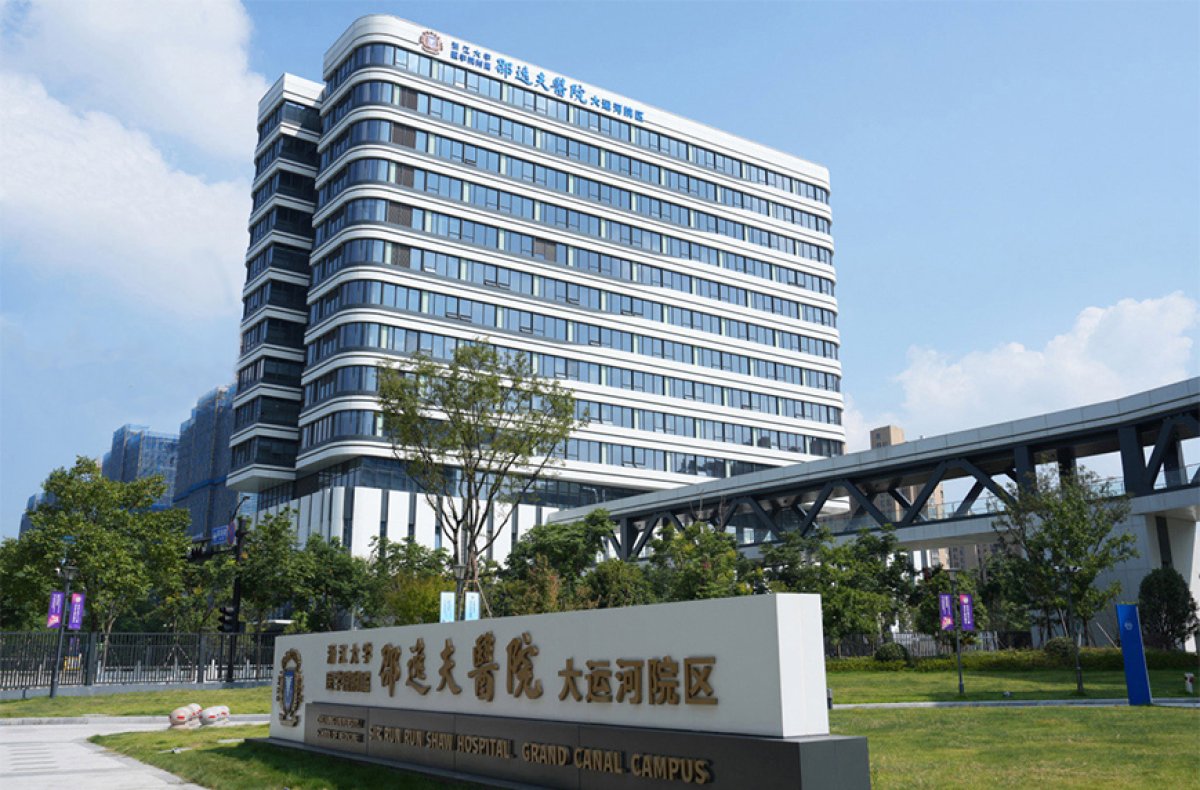
احصلوا على تقييم طبي لـ تصلب الشرايين في الصين: استشيروا أطباء ذوي خبرة الآن
عرض جميع الأطباء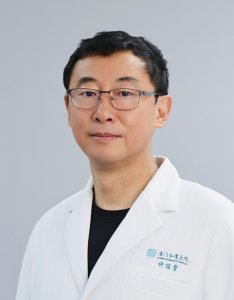
Xu Juntang
الدكتور شو جونتانغ، دكتور في الطب (MD)، زميل ما بعد الدكتوراه، كبير الأطباء ومشرف الماجستير. يشغل منصب مدير قسم طب القلب والأوعية الدموية في مستشفى شيامن هيومانيتي. يتركز عمله على الوقاية من الأمراض القلبية الوعائية والخثرية وعلاجها، بما في ذلك مرض الشريان التاجي، وارتفاع ضغط الدم، وفشل القلب، واضطرابات النظم القلبي، والحالات الطارئة. وهو متمرس في اختبارات المؤشرات الحيوية القلبية الوعائية.
يوفر رعاية مقننة للانصمام الخثاري المرتبط بأمراض صمامات القلب والرجفان الأذيني غير الصمامي، والا

Wu Yanxian
Shu Yue
مشاركة المحتوى
قصص فيديو من مرضى Bookimed
 Anna Leonova
أسئلة متكررة حول علاج تصلب الشرايين في الصين
هل تجمع المستشفيات الصينية بين تقنيات أمراض القلب الغربية والطب الصيني التقليدي لعلاج تصلب الشرايين؟
تدمج المستشفيات الصينية رسميًا بين أمراض القلب الغربية والطب الصيني التقليدي (TCM) لعلاج تصلب الشرايين. تجمع مرافق مثل مستشفى ياندا الدولي بين البروتوكولات الدولية والأساليب التقليدية. يستخدم الأطباء التشخيصات الغربية للرعاية الحادة إلى جانب أعشاب الطب الصيني التقليدي لتحسين تدفق الدم وإدارة الآثار الجانبية.
- التشخيص المزدوج: يستخدم الأطباء الأشعة المقطعية الغربية والموجات فوق الصوتية داخل الأوعية الدموية مع التمييز التقليدي للمتلازمات.
- العلاج الدوائي المركب: يتلقى المرضى الستاتينات ومضادات الصفائح الدموية إلى جانب تركيبات الأدوية الصينية الحاصلة على براءة اختراع والمنظمة.
- الدعم بعد الجراحة: تساعد أعشاب الطب الصيني التقليدي في تقليل مخاطر إعادة الانسداد بعد وضع الدعامة أو جراحة المجازة.
- علاج الوخز بالإبر: تستخدم الأجنحة السريرية الوخز بالإبر للمساعدة في تنظيم ضغط الدم وتهدئة الجهاز العصبي.
رؤية خبير Bookimed: على الرغم من أن التكامل أمر شائع، إلا أن المراكز الأعلى تصنيفًا مثل مستشفى ياندا الدولي تحافظ على حالة الفئة (أ) المستوى الثالث. يضمن هذا التصنيف أن المعايير الجراحية الغربية تلبي أعلى المتطلبات الوطنية. تظهر بياناتنا أن هذه المستشفيات المتكاملة تتخصص في الحالات المعقدة من خلال تطبيق الطب الصيني التقليدي خصيصًا للتعافي. غالبًا ما يؤدي هذا النهج إلى إدارة 3000 سرير مع التركيز على إعادة التأهيل طويل الأمد.
إجماع المرضى: يشير المرضى إلى أن الطب الغربي يظل العمود الفقري لعلاج مشاكل القلب. ويقترحون استخدام الطب ال
ما مدى أمان وتطور المستشفيات الصينية من الناحية التكنولوجية لإجراءات القلب والأوعية الدموية المعقدة؟
تعتبر المستشفيات الصينية من الدرجة الأولى آمنة للغاية لإجراءات القلب والأوعية الدموية المعقدة، حيث توفر تكنولوجيا عالمية المستوى ومعدلات بقاء على قيد الحياة عالية. تستخدم المراكز الرائدة في بكين وشنغهاي أنظمة روبوتية محلية وغرف عمليات هجينة. غالبًا ما تحمل هذه المرافق الكبيرة اعتماد اللجنة الدولية المشتركة (JCI)، مما يضمن الالتزام الصارم ببروتوكولات السلامة الدولية.
- العمق التكنولوجي: تستخدم المرافق تقنيات الروبوت عن بُعد المتقدمة وأنظمة صمامات عبر القسطرة مطورة محليًا.
- معايير السلامة: تبلغ المستشفيات على مستوى المقاطعات عن معدلات بقاء على قيد الحياة بعد النوبات القلبية تصل إلى 96.9%.
- حجم العمليات الجراحية: تخدم المراكز ذات الحجم الكبير مثل مستشفى ياندا الدولي 2,500,000 مريض سنويًا.
- القدرة الهجينة: تتيح أكثر من 30 غرفة عمليات هجينة متقدمة إجراء جراحات مشتركة مفتوحة وبالقسطرة.
رؤية خبير Bookimed: بينما يبحث الكثيرون عن مراكز قلب متخصصة، ابحث عن اعتماد الفئة (أ) المستوى الثالث. هذا هو أعلى تصنيف للمستشفيات في الصين. يحمل مستشفى ياندا الدولي هذا الوضع واعتماد JCI. تُظهر البيانات أن هذه العيادات من الدرجة الأولى تدير 9,000 عملية سنويًا. يضمن هذا الحجم الهائل أن يحافظ الجراحون على أعلى مستويات الكفاءة التقنية لحالات تصلب الشرايين المعقدة.
إجماع المرضى: يقدر المرضى سرعة التشخيص وعدم وجود أوقات انتظار في المراكز الحضرية. يوصون بإحضار مترجم وطلب خطط الأدوية بعد الجراحة مكتوبة قبل الخروج.
ما هي التركيبات العشبية الصينية التي خضعت لتجارب سريرية صارمة لعلاج تصلب الشرايين؟
تعد Xuezhikang وTongxinluo وShexiang Baoxin التركيبات العشبية الصينية الأكثر اختباراً بدقة لعلاج تصلب الشرايين. وتثبت التجارب السريرية العشوائية واسعة النطاق فعاليتها في خفض كوليسترول البروتين الدهني منخفض الكثافة (LDL-C). تنجح هذه العلاجات في تقليل الأحداث التاجية الكبرى وتثبيت لويحات الشرايين.
- Xuezhikang (أرز الخميرة الحمراء): قلل من الأحداث التاجية الكبرى بنسبة 45% في تجربة CCSPS.
- كبسولات Tongxinluo: أبطأت من سماكة الشريان السباتي وقللت من حجم اللويحات في تجارب متعددة المراكز.
- حبوب Shexiang Baoxin: خفضت التهاب الأوعية الدموية وقللت من تكرار الذبحة الصدرية في تجربة MUST.
- حقن Danhong: حسنت ملفات الدهون واستقرت اللويحات الضعيفة في التجارب السريرية بعد التسويق.
رؤية خبير Bookimed: يدمج مستشفى ياندا الدولي في بكين هذه الأساليب التقليدية مع البروتوكولات الدولية. وباعتباره عيادة من الفئة (أ) المستوى الثالث، فإنه يخدم 2,500,000 مريض سنوياً. يسمح هذا الحجم الكبير للأطباء بتحسين استراتيجيات خفض الدهون. وغالباً ما يجمعون بين العلاجات العشبية والعلاجات المتقدمة مثل فصل الدهون (LDL apheresis). يستهدف هذا المزيج استقرار اللويحات بشكل أكثر عدوانية من العلاج الأحادي.
إجماع المرضى: يشير المرضى إلى أن Xuezhikang يشبه الستاتين ويتطلب مراقبة لآلام العضلات. يؤكد الكثيرون على أهمية التحقق من بيانات التجارب البشرية العشوائية والمضبوطة بالغفل قبل البدء في الأنظمة العشبية التقليدية.
ما هي المدة النموذجية للإقامة المطلوبة لتشخيص وعلاج تصلب الشرايين في الصين؟
تتراوح مدة الإقامة النموذجية لعلاج تصلب الشرايين في الصين من 3 إلى 16 يومًا. تتطلب التقييمات التشخيصية عادةً من يوم إلى 3 أيام. تحتاج إجراءات مثل تركيب الدعامات أو رأب الأوعية الدموية عادةً من 3 إلى 7 أيام. غالبًا ما تتطلب جراحات الأوعية الدموية المعقدة أو استقرار حالة السكتة الدماغية ما يصل إلى 16 يومًا من الإقامة في المستشفى.
- التقييم التشخيصي: غالبًا ما تستغرق الاختبارات القياسية من يوم إلى 3 أيام في حالة التنويم.
- تركيب الدعامات الاختياري: تتطلب الإجراءات المخطط لها عادةً من 3 إلى 7 أيام في المستشفى.
- الجراحة المتقدمة: غالبًا ما تتجاوز فترات الإقامة بعد جراحة المجازة أو جراحة الأوعية الدموية الكبرى 7 أيام.
- الحالات الحادة: تتطلب حالات السكتة الدماغية أو النوبات القلبية من 11 إلى 16 يومًا.
رؤية خبير Bookimed: يجب على المرضى إعطاء الأولوية للمستشفيات من الفئة (أ) المستوى الثالث المعتمدة من قبل JCI مثل مستشفى ياندا الدولي (Yanda International Hospital). تتعامل هذه المرافق مع أحجام هائلة من المرضى، تصل إلى 2,500,000 مريض سنويًا. غالبًا ما يؤدي الحجم الكبير إلى معالجة تشخيصية أسرع. تجمع هذه المراكز بين البروتوكولات الدولية والأساليب التقليدية. يمكن أن يؤدي هذا المزيج إلى إقامات أقصر مما هو عليه في المستشفيات الإقليمية الأصغر.
إجماع المرضى: يشير المرضى إلى أن المستشفيات الصينية سريعة جدًا في التصوير والعمل المخبري. ويوصون بإحضار جميع السجلات الطبية السابقة لتسريع عملية القبول.
هل أدوية الطب الصيني التقليدي للقلب والأوعية الدموية آمنة للمرضى الدوليين؟
تعتبر أدوية القلب والأوعية الدموية في الطب الصيني التقليدي (TCM) آمنة عند الإشراف عليها من قبل متخصصين مؤهلين في مرافق معتمدة من قبل اللجنة الدولية المشتركة (JCI). أظهرت التجارب الأخيرة التي شملت 36,000 مريض مستويات عالية من السلامة القلبية. يجب على المرضى الدوليين التأكد من أن التركيبات تأتي من مستشفيات من الدرجة الأولى (Class A level III). وهذا يضمن تصنيعاً موحداً ومكونات معتمدة.
- التحقق السريري: تؤكد التجارب واسعة النطاق انخفاض السمية في تركيبات القلب المسجلة.
- معايير المستشفيات: تحافظ مرافق الدرجة الأولى (Class A level III) على أعلى بروتوكولات السلامة.
- التوحيد القياسي: يضمن التصنيع الحديث بقاء التركيز النشط بيولوجياً ثابتاً عبر جميع الدفعات.
- الإشراف المهني: يراقب الممارسون المؤهلون بعناية التفاعلات المحتملة مع أدوية القلب الغربية.
رؤية خبير Bookimed: بينما يبحث الكثيرون عن أعشاب فردية، يخدم مستشفى ياندا الدولي أكثر من 2,500,000 مريض سنوياً من خلال دمج الطب الصيني التقليدي مع البروتوكولات الدولية. اختيار العيادات الحاصلة على اعتماد JCI أمر حيوي للسلامة. تتحقق هذه المؤسسات من كل قائمة مكونات باللغة الإنجليزية. هذا الجسر بين الطب التقليدي والحديث يمنع المخاطر الأكثر شيوعاً التي يواجهها المرضى الدوليون.
إجماع المرضى: يشير الأفراد إلى أنه من المهم طلب قوائم المكونات الكاملة لمشاركتها مع أطباء القلب في بلدانهم. إنهم يعطون الأولوية للعيادات التي يمكنها شرح كيفية تفاعل التركيبات العشبية مع مميعات الدم القياسية.
هل تؤثر الحواجز اللغوية على استشارات أو علاجات القلب؟
تؤثر الحواجز اللغوية بشكل كبير على استشارات القلب من خلال زيادة خطر التشخيص الخاطئ والأخطاء الدوائية. في الصين، يمكن أن تؤدي فجوات التواصل إلى تأخير التعرف على السكتة القلبية بمقدار 18 ثانية. إن سوء تفسير أعراض مثل الضغط الساحق مقابل الألم الطاعن يؤثر بشكل مباشر على دقة علاج تصلب الشرايين ومعدلات البقاء على قيد الحياة.
- الدقة التشخيصية: قد يؤدي سوء تفسير الفروق الدقيقة مثل انتشار الألم أو المحفزات إلى تصنيف غير دقيق للحالة.
- الالتزام بالدواء: غالبًا ما تحدث فجوات مع الأنظمة العلاجية المعقدة مثل العلاج المزدوج المضاد للصفيحات والستاتينات.
- النتائج السريرية: يقلل التوافق اللغوي من الأحداث القلبية الوعائية الكبرى، بما في ذلك النوبات القلبية والسكتات الدماغية، بنسبة 36%.
- بروتوكولات السلامة: قد تؤدي أخطاء الترجمة أثناء عمليات الموافقة إلى سوء فهم المرضى للمخاطر الجراحية.
رؤية خبير Bookimed: تتم إدارة الحواجز اللغوية في الصين بشكل أفضل في مستشفيات الفئة (أ) من المستوى الثالث مثل مستشفى ياندا الدولي. تتعامل هذه المرافق مع 2,500,000 مريض سنويًا وتتبع بروتوكولات معتمدة من JCI لتوحيد الرعاية. في حين أن إجراء مختبر القسطرة نفسه يعتمد على التصوير الموضوعي، فإن أعلى خطر يحدث أثناء الخروج. يجب على المرضى طلب جداول دوائية مكتوبة لتجنب الخلط بين مميعات الدم وأدوية ضغط الدم.
إجماع المرضى: يؤكد المرضى أنه على الرغم من أن التصوير مثل تصوير الأوعية يوفر الطمأنينة، إلا أن التعليمات المكتوبة حيوية. يوصي الكثيرون بإحضار ملخص طبي من صفحة و