SAERO Plastic Surgery
كوريا الجنوبية, سول


تمت مراجعة المقالة طبيا من قبل
فهد مولود
| كوريا الجنوبية | تركيا | إسبانيا | |
|---|---|---|---|
| فصل البروتين الدهني منخفض الكثافة | ≈ $1,100 | ≈ $450 | ≈ $1,100 |
| الفصل العلاجي للدم | ≈ $1,400 | من $4,500 | ≈ $1,400 |
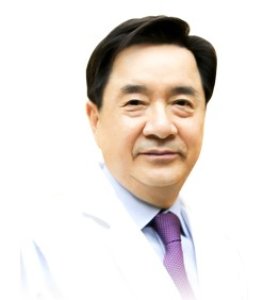
الدكتور أوه دونغجو (MD، PhD) طبيب قلب. يختص بارتفاع ضغط الدم، فرط شحميات الدم، الذبحة الصدرية، احتشاء عضلة القلب، أمراض الصمامات، اعتلال عضلة القلب التوسعي، والتهاب عضلة القلب. يشمل عمله أيضًا تصلب الشرايين وأمراض الانسداد الشرياني. وهو متمرس في تخطيط صدى القلب والتصوير القلبي الوعائي.
أكمل زمالة أمراض القلب في كلية الطب بجامعة إيموري. كما عمل مدرسًا سريريًا في قسم الطب بكلية طب وايل كورنيل، جامعة كورنيل. تولى العديد من المناصب القيادية: رئيسًا لـ KSIC؛ مديرًا للنشر والشؤون العامة والع
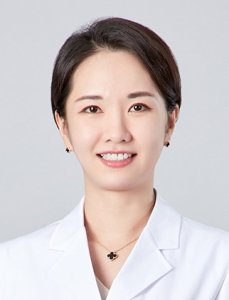
الدكتورة مين-جونغ كيم، طبيبة قلب تحمل درجتي الطب (MD) والدكتوراه (PhD)، تعمل في مستشفى إنتشون سيجونغ. تركز على طب القلب التدخلي، وفشل القلب، وارتفاع ضغط الدم، وطب القلب الوقائي.
حصلت على درجتي MD وPhD من كلية الطب بجامعة سيول الوطنية، وأتمت تدريباً متقدماً في الطب الباطني وأمراض القلب والأوعية في مركز طبي رائد في كوريا.
تشمل خبرتها مرض الشريان التاجي، وفشل القلب المزمن، واضطرابات نظم القلب، وارتفاع ضغط الدم. تجري تصوير الشرايين التاجية بالقسطرة والتدخل التاجي عبر الجلد، وتتقن تخ
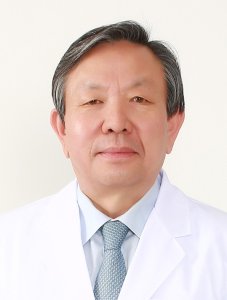
الأستاذ بيونغ-هي أوه، MD، PhD، طبيب قلب في مستشفى إنتشون سيجونغ. تخرّج في كلية الطب بجامعة سيول الوطنية. أكمل تدريبه في الطب الباطني وطب القلب في مستشفى جامعة سيول الوطنية. يركّز عمله السريري على قصور القلب، ومرض الشريان التاجي، وارتفاع ضغط الدم، والرجفان الأذيني، وطب القلب الوقائي.
شغل منصب أستاذ لطب القلب في جامعة سيول الوطنية. كما تولّى إدارة مركز لأمراض القلب والأوعية الدموية ورئاسة قسم طب القلب. ترأس الجمعية الكورية لأمراض القلب وقاد مجموعات وطنية لقصور القلب وارتفاع ضغط الدم. ألّ
 Anna Leonova
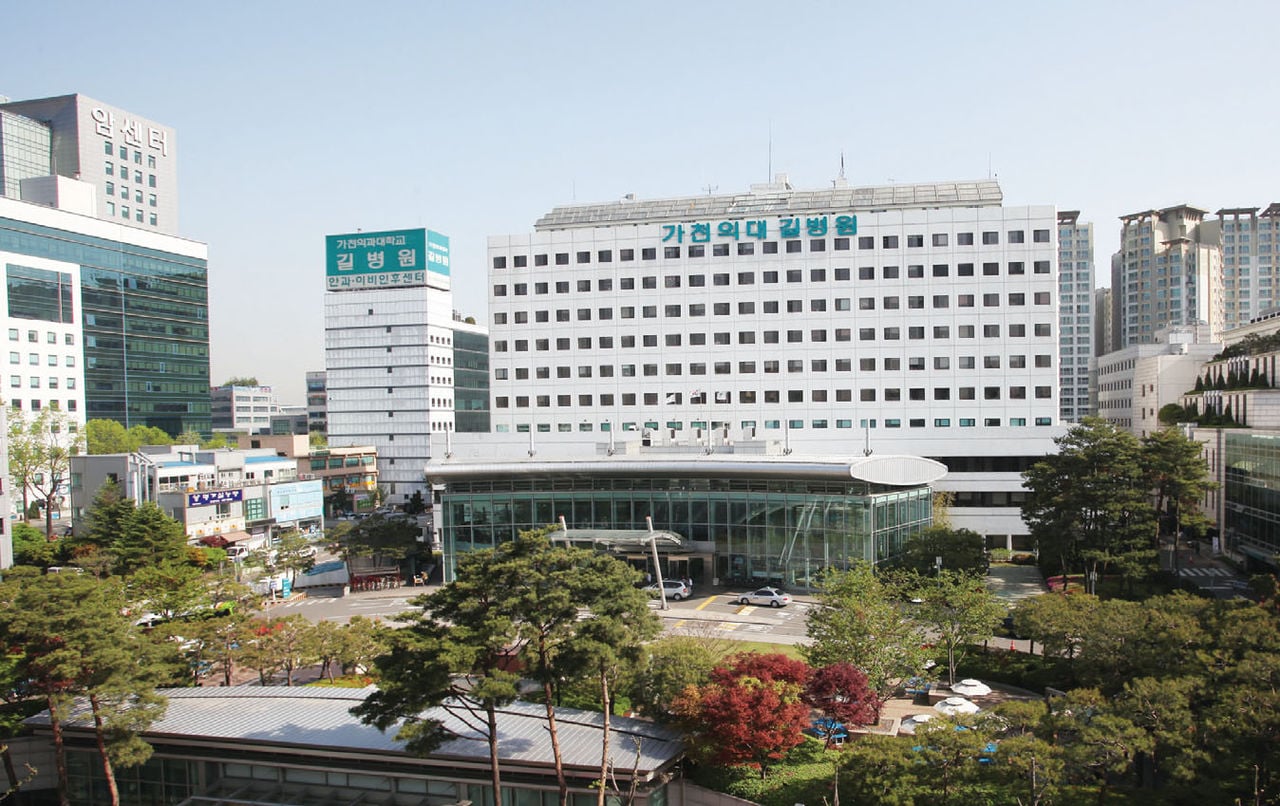
تشمل المراكز الطبية الرائدة في كوريا الجنوبية لعلاج تصلب الشرايين مركز أسون الطبي (Asan Medical Center)، ومستشفى جامعة سيول الوطنية (SNUH)، ومستشفى سيفيرانس (Severance Hospital). تحمل هذه المؤسسات تصنيفات أفضل مستشفيات العالم من مجلة نيوزويك واعتماد اللجنة الدولية المشتركة (JCI). وهي تستخدم تقنيات متقدمة في طب القلب التداخلي والتصوير الطبي لإدارة أمراض الشرايين التاجية والمحيطية بفعالية.
رؤية خبير Bookimed: تُظهر بيانات المرضى أن اختيار مستشفى مثل مركز أسون الطبي أو مستشفى جامعة سيول الوطنية يوفر الوصول إلى حجم جراحي لا مثيل له، بما في ذلك أكثر من 65,000 عملية جراحية سنويًا. تُعد هذه المراكز التخصصية ذات القدرة العالية ضرورية لعلاج تصلب الشرايين لأنها تضم أقسامًا متكاملة لأمراض القلب وجراحة الأوعية الدموية تحت سقف واحد. عادةً ما يؤدي هذا التعاون الداخلي إلى تسريع الانتقال من التصوير التشخيصي إلى تركيب الدعامات التداخلية.
إجماع المرضى: يشير المرضى إلى أنه على الرغم من أن المستشفيات الكبرى في سيول لديها فترات انتظار طويلة، إلا أن الخبرة التخصصية العميقة ومعدات
تعالج كوريا الجنوبية انسداد الشرايين باستخدام إجراءات طفيفة التوغل مثل التدخل التاجي عن طريق الجلد (PCI) واستئصال العصيد المتقدم. تستخدم المراكز المتخصصة استئصال العصيد المداري وتفتيت الحصى داخل الأوعية الدموية لإزالة اللويحات المتكلسة. تعمل هذه الطرق على تحسين مرونة الأوعية وضمان التوسع المناسب للدعامات المطلية بالدواء من الجيل التالي.
رؤية خبير Bookimed: يجري مركز آسان الطبي 45% من عمليات زراعة القلب في كوريا الجنوبية ويدير أعدادًا هائلة من المرضى. تؤدي هذه الكثافة العالية من الحالات المعقدة عبر عيادات سيول إلى تسريع إجراءات تصوير الأوعية التشخيصي. غالبًا ما يشغل متخصصون مثل الدكتور أوه دونغ جو مناصب عليا في جمعيات القلب الدولية.
إجماع المرضى: يلاحظ المرضى أن الأطباء يعطون الأولوية لتصوير الأوعية السريع لاتخاذ قرار بين وضع الدعامة الفوري أو جراحة المجازة. في حين توفر الدعامات تعافيًا أسرع، يظل تناول الدواء على المدى الطويل ضروريًا للحفاظ على نظافة الأوعية بعد
يتلقى المرضى الأجانب في كوريا الجنوبية عادةً استشارات متخصصة في غضون 24 إلى 48 ساعة من وصولهم. غالبًا ما تبدأ الإجراءات العلاجية مثل فصل البروتين الدهني منخفض الكثافة (LDL) في غضون يوم إلى 3 أيام. تقوم المراكز الطبية المتقدمة بتنسيق فحوصات التشخيص ومراجعات أطباء القلب على الفور لتبسيط عملية العلاج المتخصصة.
رؤية خبير Bookimed: تعمل البنية التحتية للمستشفيات الرقمية في كوريا الجنوبية على تسريع جداول العلاج بشكل كبير للمرضى الدوليين. كان مستشفى جامعة سيول الوطنية في بوندانغ أول مستشفى رقمي بالكامل في البلاد. يسمح هذا التكامل للأخصائيين بمراجعة التصوير عالي الدقة ونتائج المختبر في الوقت الفعلي. يمكن للأطباء إنهاء خطط علاج تصلب الشرايين بعد ساعات من الاختبار بدلاً من أيام.
إجماع المرضى: يشير المرضى إلى أن وجود ملخصات طبية مترجمة مسبقًا وفحوصات سابقة جاهزة أمر حيوي. في حين أن الاستشارات تحدث بسرعة، فإن الخطوات الإدارية مثل الموافقة على الدفع غالبًا ما تحدد مدى سرعة بدء الإجراءات.
تعطي التشخيصات عالية الدقة في كوريا الجنوبية الأولوية للتصوير المباشر للويحات وتقييم المخاطر بأمان. تشمل التقنيات الرائدة تصوير الشرايين التاجية المقطعي (CCTA) وتسجيل الكالسيوم في الشرايين التاجية. تحدد هذه الأدوات التضيق وتكوين اللويحات. تستخدم المراكز الكورية مثل مستشفى سيفيرانس تصويرًا رقميًا متقدمًا لتشخيص دقيق.
رؤية خبراء Bookimed: تظهر البيانات من المراكز الكبرى في سيول مثل مركز أسان الطبي تحولًا كبيرًا نحو الرقمنة. تعالج هذه المستشفيات أكثر من 10,000 مريض خارجي يوميًا. يسمح هذا الحجم الكبير للأطباء مثل الدكتور أوه دونغ جو بتحسين دقة التشخيص عبر آلاف الفحوصات. غالبًا ما يفضلون CCTA على اختبارات الإجهاد البسيطة لاكتشاف اللويحات غير الانسدادية في وقت مبكر.
إجماع المرضى: يشير المرضى إلى أن اختبار الإجهاد الطبيعي قد لا يروي القصة كاملة. غالبًا ما يشعرون بمزيد من الثقة بعد الحصول على CCTA أو تسجيل الكالسيوم للحصول على صورة أوضح.
تدير المستشفيات في كوريا الجنوبية حواجز اللغة باستخدام مراكز مخصصة للمرضى الدوليين ومترجمين طبيين محترفين. تقوم هذه الأقسام بتنسيق التواصل بين المرضى والطاقم السريري. توفر مرافق مثل مركز أسان الطبي ومستشفى سيفيرانس غالبًا منسقين يتحدثون الإنجليزية للخدمات اللوجستية والأوراق والاستشارات.
رؤية خبير Bookimed: تظهر البيانات أن جودة التواصل تكون في أعلى مستوياتها في المستشفيات التي تضم مراكز دولية مخصصة. في حين أن كبار المتخصصين مثل الدكتور أوه دونغ جو غالبًا ما يمتلكون مهارات قوية في اللغة الإنجليزية بفضل التدريب الدولي، قد لا يمتلكها طاقم الدعم في العيادات الصغيرة. اختيار المراكز ذات الحجم الكبير من المرضى الدوليين، مثل مستشفى جامعة سيول الوطنية، يضمن دعم ترجمة أكثر اتساقًا للمناقشات المعقدة حول تصلب الشرايين.
إجماع المرضى: يشير المرضى إلى أنه على الرغم من أن الجراحين غالبًا ما يتحدثون الإنجليزية بوضوح، إلا أن الموظفين الإداريين وطاقم التمريض قد يعتمدون على تطبيقات الترجمة للمهام البسيطة. يوصي الكثيرون ببدء جميع الاتص
تستخدم كوريا استراتيجيات مكثفة لخفض الدهون تركز على العلاج المركب المبكر وأهداف LDL-C الصارمة. تعطي البروتوكولات السريرية الأولوية للوصول إلى مستويات LDL-C أقل من 55 مجم/ديسيلتر للمرضى المعرضين لمخاطر عالية. تدمج العلاجات الستاتينات عالية الكثافة، والإيزيتيميب، ومثبطات PCSK9 المتقدمة لتقليل مخاطر القلب والأوعية الدموية بعد أحداث القلب الكبرى.
رؤية خبير Bookimed: تدير مراكز أمراض القلب الكورية مثل مركز آسان الطبي أعداداً كبيرة من المرضى، حيث تجري ما يقرب من نصف عمليات زراعة القلب في البلاد. تدفع هذه الخبرة السريرية المكثفة نحو تفضيل العلاجات المركبة بجرعات منخفضة على الستاتينات بجرعات قصوى. تظهر البيانات أن هذا النهج يقلل من المخاوف المتعلقة بإنزيمات الكبد مع تلبية أهداف LDL-C الصارمة التي أصبحت الآن معياراً في سيول.
إجماع المرضى: يشير المرضى إلى أنه من الضروري توثيق أي آلام عضلية أو أعراض كبدية بوضوح. يساعد هذا التوثيق المتخصصين على الموافقة على العلاجات الأحدث والمغطاة تأمينياً مثل مثبطات PCSK9 بشكل أسرع.