تصلب الشرايين العلاج في ألمانيا - التكاليف 2026


تمت مراجعة المقالة طبيا من قبل
فهد مولود
ما هي تكلفة تصلب الشرايين إجراءات التشخيص والعلاج في ألمانيا؟ اعرف الآن
| تركيا | إسبانيا | ألمانيا | |
|---|---|---|---|
| فصل البروتين الدهني منخفض الكثافة | ≈ $450 | ≈ $1,100 | ≈ $1,700 |
| الفصل العلاجي للدم | من $4,500 | ≈ $1,400 | ≈ $1,400 |
مزاياك وضماناتك مع Bookimed
أسعار مباشرة
Bookimed لا يضيف رسوماً إضافية على أسعار علاج تصلب الشرايين. الأسعار مأخوذة من قوائم الأسعار الرسمية للعيادات. تدفع مباشرة في العيادة مقابل علاجك عند وصولك إلى البلد.
عيادات وأطباء معتمدون فقط
Bookimed ملتزم بسلامتك. نحن نعمل فقط مع المؤسسات الطبية التي تحافظ على معايير دولية عالية في علاج تصلب الشرايين ولديها التراخيص اللازمة لخدمة المرضى الدوليين في جميع أنحاء العالم.
مساعدة مجانية على مدار الساعة
Bookimed يقدم مساعدة خبراء مجانية. منسق طبي شخصي يدعمك قبل وأثناء وبعد العلاج، ويحل أي مشاكل. لن تكون وحيداً أبداً في رحلة علاج تصلب الشرايين.

منسقك الطبي الشخصي في Bookimed
- يدعمك في كل مرحلة
- المساعدة في اختيار العيادة الطبية المناسبة والطبيب المناسب
- يضمن الوصول السريع والمريح إلى المعلومات
اكتشف أفضل تصلب الشرايين العيادات في ألمانيا: 17 خيارات معتمدة والأسعار



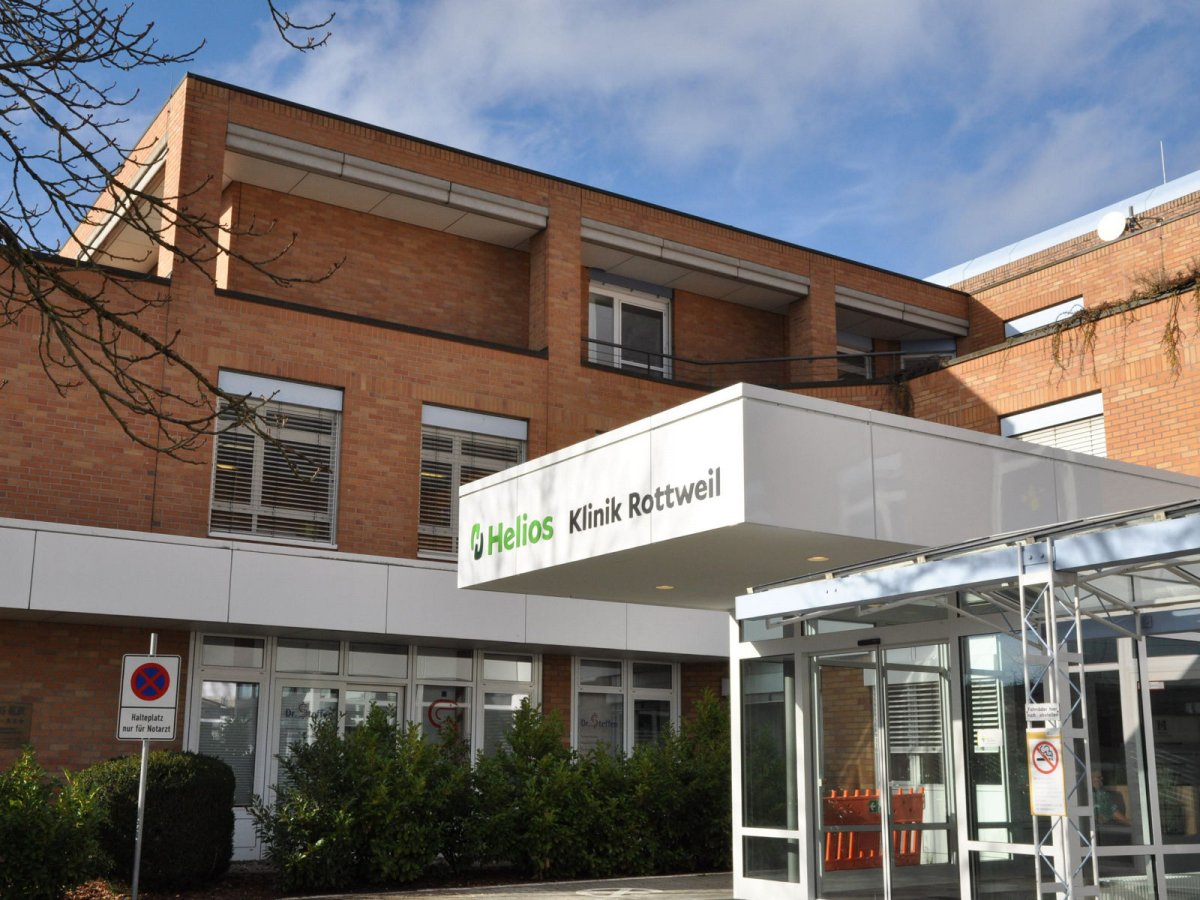


Hospital in the Pfeiffer`s foundations

Bavaria in Kreischa
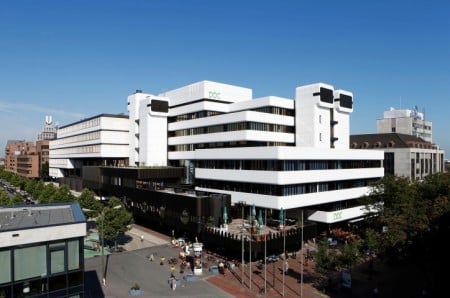
Diagnostic Center DOC Dortmund

German Heart Centre Munich

Leopoldina Hospital Schweinfurt
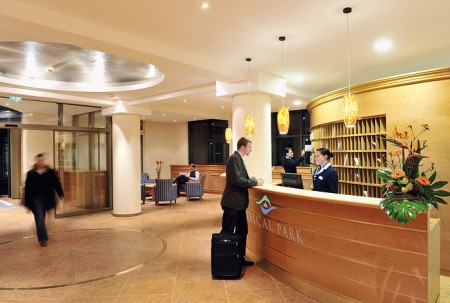
Medical Park AG
احصل على تقييم طبي لـ في ألمانيا. استشر الآن 8 أطباء ذوي الخبرة.
عرض جميع الأطباء
Viktor Alexander Krol
يرأس الدكتور فيكتور ألكسندر كرول أقسام أمراض الجهاز الهضمي والطب الباطني في مستشفى مارتينوس، مع التركيز على الحالات الأيضية والقلبية الوعائية المعقدة.
- مدير مركز علاج السمنة المعتمد، والمتخصص في الأساليب الجراحية والمنظارية المتقدمة
- خبير في مناهج العلاج الشاملة لاضطرابات القلب والأوعية الدموية والاضطرابات الأيضية
- يستخدم أحدث تقنيات التشخيص لأمراض الجهاز الهضمي والأمراض الجهازية

Marc Ulrich Becher
يتخصص الدكتور بيشر في التشخيص والعلاجات القلبية الوعائية الحديثة في مستشفى مدينة سولينغن، حيث يجري ما بين 3000 إلى 4000 إجراء تداخلي سنويًا.
- خبرة في التدخلات التاجية المعقدة مثل إعادة فتح الانسدادات المزمنة (CTO) وتفتيت الحصوات داخل الأوعية
- إجراء تشخيصات متقدمة بما في ذلك التصوير بالرنين المغناطيسي للقلب، والأشعة المقطعية، وتصوير IVUS/OCT
- توفير جاهزية قسطرة على مدار 24 ساعة لمتلازمات الشريان التاجي الحادة
- التعاون في إجراءات استبدال الصمام الأبهري عبر القسطرة (TAVR) وجراحات الصمام الميترالي المتطورة
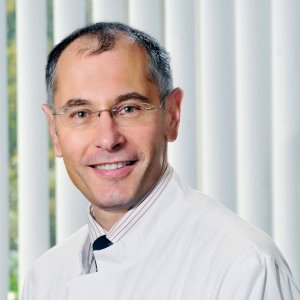
Melchior Seyfarth Director Of The Department Of Cardiology
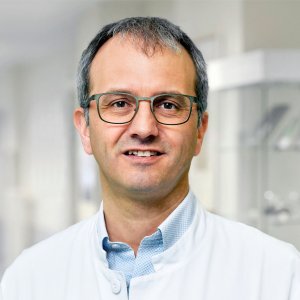
Armin Sause Chief Physician Of Cardiology And Cardiac Electrophysiology
الدكتور (Dr. med.) آرمين زاوزه هو كبير أطباء طب القلب وعلم نظم القلب في مستشفى هيليوس الجامعي في ووبرتال، أحد أبرز مراكز القلب في ألمانيا. وبقيادته أصبح القسم مركزاً متخصصاً في علم نظم القلب والفيزيولوجيا الكهربائية للقلب، ويعتمد الفريق تقنيات حديثة وبروتوكولات علاجية قائمة على الأدلة.
تشمل خبرته علاج الرجفان الأذيني، والاستئصال بالقسطرة وبالترددات الراديوية مع التخطيط ثلاثي الأبعاد، وزراعة أجهزة تنظيم ضربات القلب ومقوِّم نظم القلب ومزيل الرجفان القابل للزرع (ICD)، إضافةً إلى التشخيصات
مشاركة المحتوى
قصص فيديو من مرضى Bookimed
 Anna Leonova
أسئلة متكررة حول علاج تصلب الشرايين في ألمانيا
ما هي الإجراءات المتقدمة طفيفة التوغل لتصلب الشرايين المتاحة في ألمانيا؟
توفر ألمانيا علاجات داخل الأوعية الدموية متقدمة لتصلب الشرايين، بما في ذلك استئصال العصيدة الدوراني (Rotablation)، وتفتيت الحصى داخل الأوعية الدموية (IVL)، ورأب الأوعية بالبالون الدوائي (DEB). تستخدم المراكز المتخصصة الموجات فوق الصوتية داخل الأوعية الدموية عالية الدقة والتصوير المقطعي للترابط البصري لتحقيق الدقة. تعمل هذه التقنيات المعتمدة على القسطرة على استعادة تدفق الدم بفعالية دون الحاجة إلى جراحة مفتوحة تقليدية.
- استئصال العصيدة الدوراني: يستخدم رؤوساً مغطاة بالألماس لتفتيت اللويحات المتكلسة إلى جزيئات مجهرية.
- تفتيت الحصى داخل الأوعية الدموية: يصدر موجات صدمية صوتية لكسر ترسبات الكالسيوم الكثيفة بأمان.
- إعادة فتح الانسدادات المزمنة التامة (CTO): تقنيات متخصصة لفتح الشرايين التاجية المسدودة بشكل مزمن وتام.
- التصوير داخل الأوعية الدموية: يستخدم IVUS و OCT للحصول على رؤية في الوقت الفعلي وبدقة ميكرومترية لجدران الأوعية الدموية.
رؤية خبير Bookimed: تظهر البيانات أن التميز الألماني في علاج تصلب الشرايين يكمن في التخصص عالي الحجم. يقوم الدكتور مارك أولريش بيشر بإجراء ما يصل إلى 4000 عملية سنوياً. تعالج المراكز ذات الحجم الكبير مثل مجمع عيادات شمال الراين-وستفاليا 145,000 مريض سنوياً. يضمن هذا النطاق الهائل احتفاظ الجراحين بأعلى مستويات الكفاءة في التقنيات المعقدة مثل إعادة فتح الانسدادات المزمنة التامة.
إجماع المرضى: يؤكد المرضى على أهمية العثور على عيادات تجمع بين طب القلب التداخلي وجراحة الأوعية الدموية. ويشيرون إ
هل يُستخدم فصل البروتين الدهني منخفض الكثافة (LDL) على نطاق واسع في العيادات الألمانية؟
تمتلك ألمانيا شبكة راسخة للغاية لفصل البروتين الدهني منخفض الكثافة (LDL). وتضم أكثر من 350 مركزاً متخصصاً بما في ذلك المستشفيات الجامعية ووحدات غسيل الكلى الخارجية. تدعم هذه البنية التحتية واحدة من أقوى أنظمة إدارة الدهون على مستوى العالم. تركز البلاد على الصيانة طويلة الأمد للمرضى المعرضين لمخاطر عالية.
- شبكة متخصصة: يعمل أكثر من 350 مركزاً نشطاً في جميع أنحاء المدن الألمانية.
- حالة السداد: يغطي التأمين الإلزامي العلاج للحالات الشديدة منذ عام 1991.
- التركيز على البروتين الدهني (a): تتميز ألمانيا بسداد تكاليف فصل البروتين الدهني في حالات ارتفاع Lp(a) المعزول.
- معايير الجودة: يجب أن تحقق الأنظمة خفضاً بنسبة 60% في الدهون لكل جلسة.
- تتبع المرضى: يراقب السجل الوطني GLAR سلامة وفعالية العلاج على المدى الطويل.
رؤية خبير Bookimed: على الرغم من وجود أكثر من 80 عيادة في ألمانيا على منصتنا، يجب على المرضى الذين يبحثون عن فصل البروتين الدهني إعطاء الأولوية للمراكز متعددة التخصصات مثل مجمع عيادات شمال الراين-وستفاليا. يضم هذا المركز أكبر مركز للقلب في ألمانيا. غالباً ما تتطلب الإجراءات المتخصصة مرافق تضم أكثر من 100 قسم وحجم عمل كبير، مثل مستشفى شاريتيه برلين، لإدارة حالات القلب والأوعية الدموية المعقدة جنباً إلى جنب مع علاج الترشيح.
إجماع المرضى: يصف المرضى العلاج بأنه التزام طويل الأمد منقذ للحياة ولكنه مرهق. يشير الكثيرون إلى أنه يبدو كعمل ثانٍ بسبب السفر المتكرر والجداول الأسبوعية الصارمة المطلوبة ل
ما هي الخيارات الجراحية التي يتم إجراؤها للانسدادات الشديدة؟
يعالج الجراحون انسدادات تصلب الشرايين الشديدة من خلال جراحة المجازة (الباي باص)، أو استئصال باطنة الشريان، أو إعادة القناة باستخدام القسطرة المتخصصة. تعطي مراكز القلب الألمانية الأولوية للتقنيات طفيفة التوغل لاستعادة تدفق الدم. تشمل الإجراءات جراحة مجازة الشريان التاجي (CABG) لأمراض الأوعية المتعددة واستئصال باطنة الشريان السباتي للوقاية من السكتات الدماغية. كما تقوم القسطرة المتخصصة بتنظيف الانسدادات الكلية طويلة الأمد.
- جراحة المجازة (الباي باص): إنشاء مسارات جديدة حول الانسدادات باستخدام أوعية سليمة من جسم المريض.
- استئصال باطنة الشريان: يقوم الجراحون بإزالة لويحات الكوليسترول المتصلبة جسديًا من الجدران الداخلية للشرايين.
- رأب الأوعية ووضع الدعامة: يستخدم المتدخلون بالونات أو دعامات مطلية بالدواء للحفاظ على الأوعية الضيقة مفتوحة.
- إعادة قناة CTO: تقنيات الأسلاك الدقيقة المتقدمة تخترق الشرايين المسدودة بنسبة 100% والتي كانت مغلقة لعدة أشهر.
رؤية خبير Bookimed: تُظهر العيادات الألمانية قدرة تقنية عالية للحالات المعقدة، حيث تدير مراكز مثل Meoclinic وNordrhein-Westfalen أكثر من 145,000 مريض سنويًا. في حين يفترض الكثيرون أن الجراحة هي الخيار الوحيد، يقوم كبار المتخصصين مثل الدكتور مارك أولريش بيشر بإجراء ما يصل إلى 4,000 إجراء سنويًا. يسمح هذا الحجم الكبير بنهج فائق التخصص مثل التدخلات الموجهة بالموجات فوق الصوتية داخل الأوعية (IVUS). تستخدم هذه التقنيات الموجات فوق الصوتية داخل الشريان لضمان وضع الدعامة بشكل مثالي، مما قد يقلل بشكل كبير من ا
ما هي المراكز الطبية الأعلى تقييمًا في ألمانيا للرعاية الوعائية؟
تشمل مراكز الأوعية الدموية الأعلى تقييمًا في ألمانيا مستشفى شاريتيه الجامعي في برلين، وعيادة نوردويست، ومجمع عيادات شمال الراين-وستفاليا. تحمل هذه المؤسسات شهادات من الجمعية الألمانية لجراحة الأوعية الدموية وتصنيفات مجلة نيوزويك. وهي توفر رعاية متداخلة التخصصات متقدمة للأمراض المعقدة مثل تصلب الشرايين وتمدد الأوعية الدموية الأبهري.
- شهادات المستشفيات: تحمل المرافق اعتمادات JCI وISO 9001 والجمعية الألمانية لجراحة الأوعية الدموية (DGG).
- الأقسام المتخصصة: تحتفظ المراكز بوحدات مخصصة لجراحة الأوعية الدموية، والأشعة التداخلية، وأمراض الأوعية الدموية معًا.
- حجم المرضى المرتفع: يخدم مجمع عيادات شمال الراين-وستفاليا 145,000 مريض سنويًا مع مراكز قلب متقدمة.
- التكنولوجيا المبتكرة: يستخدم المتخصصون الموجات فوق الصوتية ثلاثية الأبعاد والأنظمة الروبوتية طفيفة التوغل لإعادة بناء الأوعية.
رؤية خبير Bookimed: ركز على العيادات التي تضم أقسامًا للقلب والأوعية الدموية ذات حجم كبير مثل شمال الراين-وستفاليا، التي تخدم 145,000 مريض سنويًا. غالبًا ما يرتبط الحجم الكبير بنتائج أفضل في عمليات إعادة بناء الشرايين المعقدة. توفر هذه المراكز أيضًا رعاية متكاملة حيث يخضع الطيارون لفحوصات قلب متخصصة، مما يشير إلى دقة تشخيصية عالية.
إجماع المرضى: يشير المرضى إلى أن وجود جراحة الأوعية الدموية والأشعة التداخلية تحت سقف واحد أمر ضروري. كما يؤكدون على أهمية طلب رأي ثانٍ في المراكز الجامعية الكبرى للحالات المعقدة.
كم من الوقت أحتاج للبقاء في ألمانيا لتلقي العلاج؟
يتطلب علاج تصلب الشرايين في ألمانيا عادةً إقامة تتراوح بين 7 إلى 21 يوماً. يعتمد الإطار الزمني على ما إذا كنت ستخضع لقسطرة طفيفة التوغل أو جراحة الأوعية الدموية. يجب على المرضى الدوليين مراعاة التشخيص قبل الجراحة، والإجراء نفسه، والمراقبة الحيوية بعد الجراحة قبل العودة إلى الوطن.
- الفحص التشخيصي: توقع قضاء 2 إلى 3 أيام للتصوير وتعديلات مميعات الدم.
- الإجراءات القائمة على القسطرة: تتطلب هذه عادةً من يوم إلى 3 أيام من المراقبة في المستشفى.
- جراحة الأوعية الدموية: غالباً ما تتطلب التدخلات الجراحية المفتوحة إقامة في المستشفى لمدة 7 إلى 10 أيام.
- تصريح السفر: خطط لفترة انتظار مدتها 4 أيام بعد الخروج لضمان استقرار العلامات الحيوية.
رؤية خبير Bookimed: بينما تخدم المستشفيات الجامعية مثل مستشفى شاريتيه برلين أكثر من 800,000 مريض سنوياً، غالباً ما توفر المراكز المتخصصة الأصغر جدولة أسرع لتشخيص تصلب الشرايين. تُظهر البيانات أن أطباء القلب ذوي الحجم الكبير من العمليات، مثل الدكتور مارك أولريش بيشر الذي يجري ما يصل إلى 4,000 إجراء سنوياً، يحافظون على جاهزية القسطرة على مدار 24 ساعة. يساعد اختيار العيادات التي لديها أقسام أوعية دموية مخصصة في تجنب التأخير في مراجعة الأدوية وفحوصات الحركة بعد الإجراء.
إجماع المرضى: يؤكد المرضى أن تاريخ الإجراء نادراً ما يكون هو تاريخ الوصول وينصحون بعدم حجز رحلات العودة في وقت مبكر جداً. ويشيرون إلى أن الأيام الإضافية التي تقضيها بالقرب من المستشفى ضرورية لفحص الجروح والتأكد من استقرار مستويات ممي
ما هي العلاجات الدوائية القياسية التي يصفها أطباء القلب الألمان؟
يصف أطباء القلب الألمان الأدوية باتباع إرشادات صارمة من الجمعية الأوروبية لأمراض القلب. وهم يؤكدون على تركيبات الجرعات الثابتة لتقليل عبء الحبوب وتحسين الامتثال. تشمل العلاجات القياسية الستاتينات عالية الكثافة للكوليسترول، ومثبطات الإنزيم المحول للأنجيوتنسين مثل راميبريل لضغط الدم، ومضادات التخثر المتقدمة مثل أبيكسابان للوقاية من السكتة الدماغية.
- إدارة الدهون: تستهدف المراكز المتخصصة الكوليسترول الضار (LDL) بقوة باستخدام أتورفاستاتين أو سيمفاستاتين عالي الكثافة.
- علاج ارتفاع ضغط الدم: يعطي الأطباء الأولوية للتركيبات المزدوجة في حبة واحدة، وغالباً ما يجمعون بين راميبريل وأملوديبين.
- فشل القلب: تشمل الأنظمة العلاجية بروتوكول "الأربعة الرائعون" الذي يضم ARNI، وحاصرات بيتا، وMRA، ومثبطات SGLT2.
- مضادات التخثر: انتقلت العيادات إلى حد كبير من مضادات فيتامين K إلى مضادات التخثر الفموية المباشرة (NOACs) الأكثر أماناً مثل ريفاروكسابان.
رؤية خبير Bookimed: تُظهر البيانات من المراكز الألمانية الرائدة مثل مجمع عيادات شمال الراين-وستفاليا تحولاً نحو الرعاية المتخصصة ذات الحجم الكبير. في حين تتعامل المستشفيات الجامعية مثل شاريتيه مع أكثر من 800,000 مريض، غالباً ما توفر المراكز المتخصصة الأصغر وصولاً أسرع إلى أطباء القلب التداخليين مثل الدكتور أرمين ساوس. يضمن هذا التوازن بين الخبرة الأكاديمية وحجم الإجراءات المرتفع حصول المرضى على أحدث البروتوكولات الدوائية إلى جانب التصوير التشخيصي المتقدم.
إجماع المرضى: يلاحظ المرضى أن الأطباء
هل يمكن التخلص من اللويحات في شراييني تماماً؟
لا يمكن التخلص من اللويحات الشريانية تماماً. فهي تصبح جزءاً هيكلياً دائماً من جدار وعائك الدموي. ينصب تركيز العلاج على التثبيت والتقلص الجزئي. تستخدم العيادات الألمانية علاجاً مكثفاً لتقليل حجم اللويحات الرخوة بنسبة تصل إلى 24%. وهذا يقلل بشكل كبير من مخاطر الإصابة بنوبة قلبية.
- تثبيت اللويحات: يسحب العلاج الكوليسترول السائل. هذا يؤدي إلى تصلب اللويحات ويمنع التمزقات التي تهدد الحياة.
- العلاج الطبي: تعمل جرعات الستاتين العالية على خفض كوليسترول LDL إلى أقل من 70 مجم/ديسيلتر. هذه العملية تحفز التقلص بشكل نشط.
- التشخيص المتقدم: تستخدم عيادة نوردويست الموجات فوق الصوتية ثلاثية الأبعاد للتصوير الشرياني عالي الدقة والمراقبة.
- توسيع الشرايين: حتى الانخفاض الطفيف في السماكة يحسن بشكل كبير تدفق الدم الحيوي. وهذا يخفف من الأعراض المزمنة.
رؤية خبير Bookimed: تقدم مراكز القلب الألمانية خبرة متخصصة للمهن ذات المخاطر العالية. على سبيل المثال، يقوم مجمع عيادات شمال الراين-وستفاليا بإجراء فحوصات قلب لطياري الطيران المدني. وهذا يسلط الضوء على الثقة في دقة تشخيصهم. يمكن للمرضى الوصول إلى بروتوكولات الفحص الصارمة هذه التي صُممت في الأصل لسلامة الطيران. تتعامل المنشأة مع 145,000 مريض خارجي سنوياً، مما يثبت قدرتهم على إدارة الحالات الوعائية المعقدة على نطاق واسع.
إجماع المرضى: يقدر المرضى دقة الفحوصات التشخيصية الألمانية. يلاحظ الكثيرون شعورهم بمزيد من الأمان بمجرد أن يؤكد الأطباء أن اللويحات لديهم مستقرة بدلاً من مجرد قياس مستويات التض
ما هي المستشفيات في ألمانيا التي تحظى بأعلى التقييمات في جراحة الأعصاب؟
تضم ألمانيا بعضًا من أرقى أقسام جراحة الأعصاب في العالم، بقيادة مستشفى شاريتيه الجامعي في برلين ومستشفى جامعة هايدلبرغ. وتتميز هذه المراكز بخبرتها الواسعة في علاج أورام الدماغ المعقدة وأمراض الأوعية الدموية الدماغية. ولتحقيق أقصى قدر من الفعالية في عملياتها، تستخدم هذه المراكز أحدث التقنيات، مثل التصوير بالرنين المغناطيسي أثناء الجراحة والتوجيه العصبي بمساعدة الحاسوب.
- مستشفى شاريتيه برلين: يُجري أكثر من 5000 عملية جراحية سنوياً. ويرأس العيادة جراح الأعصاب الشهير الدكتور بيتر فايكوتشي.
- المركز الطبي في سولينجن: أجرى الدكتور رالف بوهل أكثر من 4000 عملية جراحية، بما في ذلك جراحات العمود الفقري طفيفة التوغل.
- عيادة أسكليبيوس نورد: مجهزة بنظام التصوير بالرنين المغناطيسي الثنائي الوحيد في ألمانيا أثناء الجراحة لضمان الدقة الجراحية في الوقت الحقيقي أثناء إزالة الورم.
- عيادة نوردويست: تم الاعتراف بها من قبل مجلة نيوزويك كمستشفى رائد في مجال الابتكار في تكنولوجيا الموجات فوق الصوتية ثلاثية الأبعاد.
رأي خبراء بوكيمد: تشير البيانات إلى أن اختيار المراكز ذات الحجم الجراحي الكبير غالبًا ما يؤدي إلى توصيات علاجية أكثر تحفظًا. ففي مركز سولينجن الطبي، الذي يعالج أكثر من 60,000 مريض
ما هي نسب نجاح العمليات الجراحية العصبية المعقدة في ألمانيا؟
في ألمانيا، تتميز العمليات الجراحية العصبية بالغة التعقيد بمستوى أمان استثنائي. تصل نسبة نجاح عمليات دمج الفقرات إلى 99%، بينما تبلغ نسبة النجاة بعد استئصال أورام الدماغ الأولية 97%. كما يتمتع المرضى بقدرة عالية على الاعتماد على أنفسهم في أداء وظائفهم اليومية، حيث يغادر أكثر من 82% منهم المستشفى مباشرةً بعد العلاج. وتولي المراكز الألمانية اهتماماً بالغاً بالحفاظ على الوظائف العصبية باستخدام أحدث تقنيات التخطيط العصبي.
- استئصال الورم: يحقق الجراحون استئصالًا كاملاً للورم في 87.2% من حالات النقائل الدماغية.
- النجاح في علاج أمراض الأوعية الدموية: أفادت المستشفيات الألمانية بنسبة نجاة بلغت 98.7% لحالات تمدد الأوعية الدموية غير الممزقة.
- تحسن الحالة العصبية: يشهد ما يقرب من 43% من المرضى تحسناً في المعايير الوظيفية بعد عمليات الاستئصال المعقدة.
- سلامة التدخلات الجراحية: في المراكز الجراحية الكبيرة، تتراوح معدلات بقاء المرضى على قيد الحياة بعد جراحة العمود الفقري بين 98-99%.
رأي خبراء بوكيمد: يُجري جراحون ذوو خبرة، مثل الدكتور أوفه كولر من عيادة أسكليبيوس ألتونا، أكثر من 2000 عملية جراحية سنويًا. تُشير البيانات إلى أن هؤلاء المتخصصين يحافظون على معدلات نجاح تصل إلى 90%، حتى
ما هي التقنيات المتقدمة المتوفرة عادةً في عيادات جراحة الأعصاب الألمانية؟
تُدخل عيادات جراحة الأعصاب الألمانية بانتظام أدوات رقمية عالية الدقة وتقنيات تصوير فوري في الممارسة الجراحية. تشمل التقنيات الرئيسية الملاحة العصبية الحاسوبية لجراحات الدماغ والحبل الشوكي. تستخدم مؤسسات مثل عيادة أسكليبيوس نورد التصوير بالرنين المغناطيسي أثناء الجراحة للتحقق من استئصال الورم في الوقت الفعلي. توفر هذه الأنظمة للجراحين نظام ملاحة ثلاثي الأبعاد.
- الملاحة العصبية: توفر تصورًا ثلاثي الأبعاد وتتبعًا فوريًا للأدوات لتحقيق دقة جراحية تصل إلى مستوى أقل من المليمتر.
- التصوير أثناء العملية: تسمح أنظمة مثل التصوير بالرنين المغناطيسي أثناء العملية (iMRI) والتصوير المقطعي المحوسب ذي الذراع O (O-arm CT) بالتأكيد الفوري على نجاح عملية الاستئصال.
- المراقبة العصبية: تراقب الوظائف الحركية والحسية أثناء الجراحة لحماية الجهاز العصبي.
- التشخيص الفلوري: يتم استخدام صبغة 5-ALA لتسليط الضوء على حدود الورم من أجل إزالته بشكل أكثر اكتمالاً.
- المساعدة الروبوتية: تعمل أنظمة مثل نظام دافنشي على تحسين الدقة في الإجراءات المعقدة ذات التدخل الجراحي البسيط.
رأي خبراء بوكيمد: تُجري مراكز طبية كبيرة، مثل مستشفى شاريتيه الج