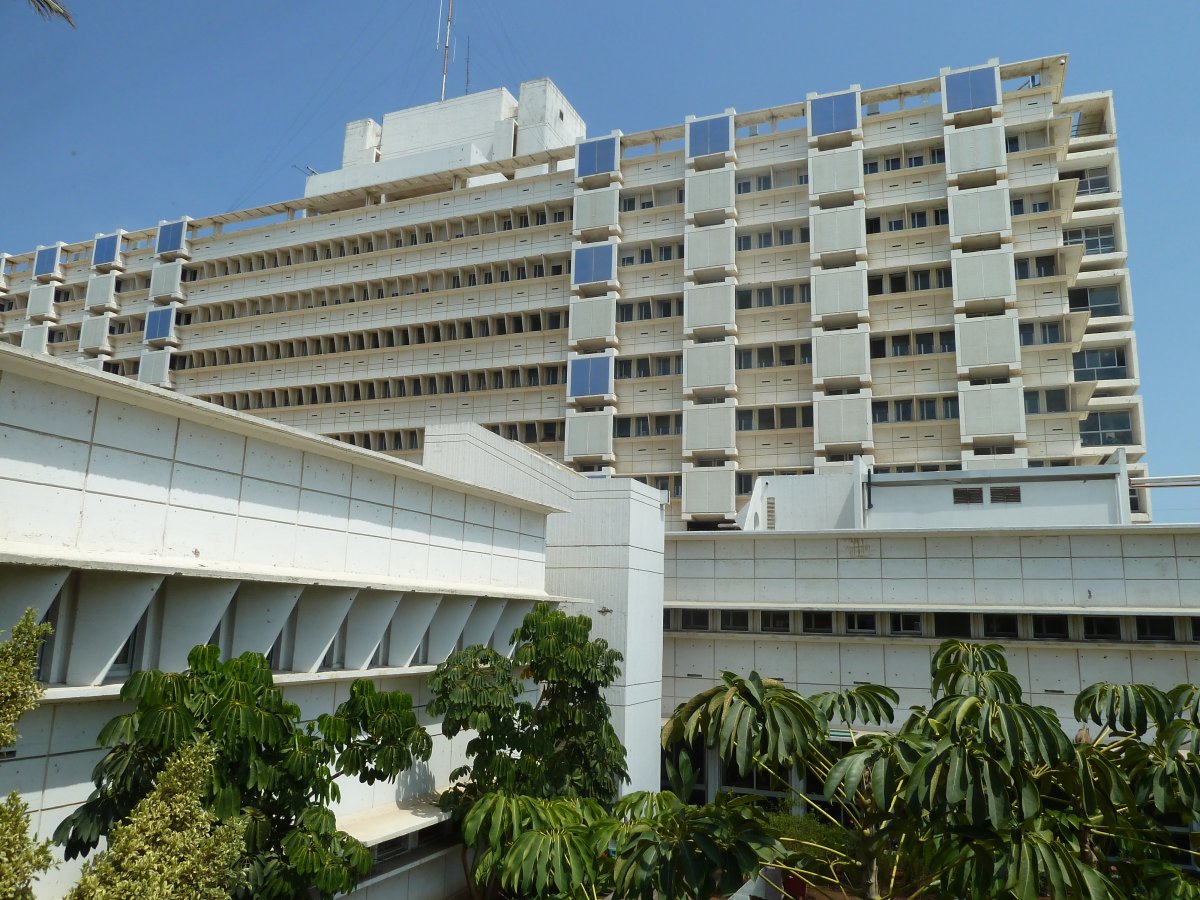
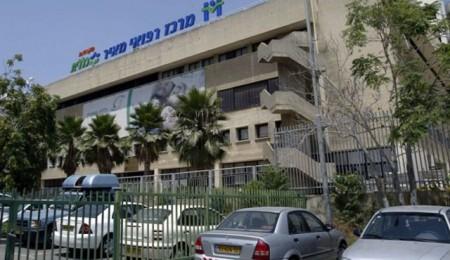
Sourasky Medical Center (Ichilov)
إسرائيل, Tel Aviv
Dvora Blumental
30سنة خبره ١٦ سنة

العيادة معتمدة من قبل : 





تمت مراجعة المقالة طبيا من قبل
فهد مولود
| إسرائيل | تركيا | إسبانيا | |
|---|---|---|---|
| حج القحف | من $22,000 | من $8,900 | من $32,500 |
| جراحة التجسيمي | من $19,000 | من $6,400 | من $18,100 |
| العلاج الكيميائي لسرطان الثدي | ≈ $22,500 | من $3,000 | من $1,700 |
| العلاج الإشعاعي لسرطان القولون والمستقيم | ≈ $14,000 | من $5,000 | من $7,500 |
| Halcyon (هالسيون) | ≈ $14,000 | ≈ $9,500 | ≈ $6,500 |
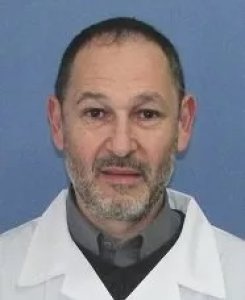
البروفيسور زفي كوهين مدير قسم جراحة الأعصاب ووحدة الأورام العصبية في مركز شيبا الطبي. وهو جرّاح أعصاب وخبير في الأورام العصبية. اختير ضمن قائمة فوربس إسرائيل لأفضل الأطباء لعام 2025. يقود أبحاثًا سريرية حول العلاجات الدوائية لأورام الدماغ الخبيثة. كما أسّس بنك أنسجة أورام الدماغ في شيبا.
حاصل على شهادة البورد في جراحة الأعصاب، وتدرّب في جامعة تل أبيب. أكمل زمالتين: في الأشعة العصبية في بيث إسرائيل، وفي جراحة أورام الأعصاب في مركز إم دي أندرسون. تشمل ممارسته أورام الدماغ المعقّدة والغدة
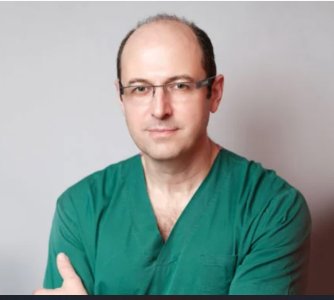
الدكتور يوري غولدس جرّاح عام يتمتع بأكثر من 20 عامًا من الخبرة السريرية. يختص بجراحات الجهاز الهضمي العلوي وجراحة الأورام. يشغل منصب نائب مدير قسم الجراحة العامة وزراعة الأعضاء في مركز شيبا الطبي بتل أبيب، ويرأس وحدة جراحة الجهاز الهضمي العلوي. أُدرِج ضمن قائمة أفضل أطباء فوربس إسرائيل لعام 2025، ومُصنّف ضمن أفضل جراحي الجهاز الهضمي في إسرائيل بحسب فوربس. في 2019، نال جائزة «طبيب العام» من وزارة الصحة الإسرائيلية.
خبير في الجراحة طفيفة التوغل والمتقدمة والروبوتية. يعالج فتق الحجاب الحا
تم إجراء أكثر من 900 عملية جراحية – الدكتور بلومنتال هو طبيب أعصاب وأورام ذو خبرة عالية ومدير خدمة طب الأعصاب والأورام في مركز سوراسكي الطبي.

يقود الدكتور فيليكس بوكشتاين عيادة الأورام العصبية في مستشفى إيخيلوف، وهو أحد أكبر المستشفيات وأكثرها تقدمًا في إسرائيل، مع التركيز بشكل خاص على أورام المخ.
 Anna Leonova
تعطي مراكز طب الأعصاب والأورام الإسرائيلية الأولوية للعلاج متعدد الوسائط للورم النجمي. تشمل الطرق الأساسية الجراحة عالية الدقة، والجراحة الإشعاعية التجسيمية، والعلاج الكيميائي الموجه. تستخدم مرافق مثل مركز شيبا الطبي التصوير بالرنين المغناطيسي أثناء الجراحة ورسم خرائط الدماغ لضمان أقصى قدر من الاستئصال الآمن مع الحفاظ على الوظيفة العصبية لأورام الدماغ المعقدة.
رؤية خبير Bookimed: تبلغ مراكز الأورام الإسرائيلية مثل سوراسكي عن معدل نجاح يصل إلى 90% في علاجات الأورام. غالبًا ما ينبع هذا الأداء من أحجام الجراحات العالية. على سبيل المثال، يجري مركز أسوتا الطبي 92,000 عملية سنويًا. تسمح هذه الخبرة للجراحين بتحسين تقنيات مثل الاستئصال الموجه بالصور والتصوير بالرنين المغناطيسي أثناء الجراحة، وهي أمور حاسمة لعلاج الأورام النجمية العميقة بفعالية.
إجماع المرضى: يؤكد المرضى على أهمية التنميط الجزيئي قبل بدء العلاج. وغالبًا ما يجدون أن رسم خرائط الدماغ أثناء اليقظة يوفر راحة البال أثناء عمليات إزالة الأورام العدوانية.
تقود المستشفيات الإسرائيلية مثل مركز سوراسكي الطبي ومركز شيبا الطبي مجال طب الأورام العصبي من خلال برامج متخصصة في الورم النجمي. تحمل هذه المرافق اعتماد اللجنة الدولية المشتركة (JCI) وتستخدم التصوير بالرنين المغناطيسي أثناء الجراحة ورسم خرائط الدماغ. غالبًا ما يتخصص الجراحون الخبراء في عمليات الاستئصال عالية الدقة والتحليل الجزيئي المتقدم لتوفير رعاية مخصصة.
رؤية خبير Bookimed: على الرغم من المكانة العالية للمراكز الكبرى، يجد المرضى أقصى قيمة في باقات حج القحف الشاملة. على سبيل المثال، يقدم مركز شيبا الطبي باقات شاملة. تغطي هذه الباقات 7 أيام من الإقامة في المستشفى و10 أيام من الإقامة في الفندق مقابل حوالي 35,000 دولار. هذا الهيكل نادر في المرافق الخاصة ويبسط التخطيط للتعافي على المدى الطويل.
إجماع المرضى: يؤكد المرضى على أهمية العثور على جراحين ذوي خبرة كبيرة في عمليات الاستئصال. ويوصون بالتأكد من توفر التحليل الجزيئي مثل IDH أو MGMT قبل بدء السفر لتلقي العلاج.
يستخدم الجراحون الإسرائيليون التصوير والخرائط في الوقت الفعلي لتحقيق أقصى قدر من الاستئصال الآمن لأورام الدماغ. وهم يجمعون بين جراحة الدماغ أثناء اليقظة والتصوير بالرنين المغناطيسي أثناء العملية للتحقق من إزالة الورم قبل الإغلاق. تحمي هذه التقنيات مسارات الكلام والحركة مع ضمان الدقة الجراحية داخل المرافق المعتمدة من قبل اللجنة الدولية المشتركة (JCI).
رؤية خبير Bookimed: تتميز جراحة الأعصاب الإسرائيلية بأن كبار المتخصصين غالباً ما يشغلون أدواراً قيادية دولية. على سبيل المثال، قاد الدكتور زفي رام في مركز سوراسكي الطبي الجمعية الأوروبية لجمعيات جراحة الأعصاب. اختيار رئيس قسم مثل الدكتور زفي كوهين في مركز شيبا الطبي يضمن الوصول إلى بنوك أنسجة الأورام الخاصة لأبحاث الأدوية الشخصية.
إجماع المرضى: يؤكد المرضى أن جراحة اليقظة تبدو أقل ترويعاً عندما يشرح الجراحون أنهم يراقبون الكلام في الوقت الفعلي. ويشير الكثيرون إلى أن إعادة التأهيل العصبي المكثف تبدأ فوراً بعد الجراحة للمساعدة في استعادة الوظيفة الحركية بسرعة.
تقدم إسرائيل رعاية متخصصة للغاية للأطفال المصابين بالورم النجمي من خلال برامج متخصصة في طب الأورام العصبي. توظف المراكز المعتمدة من قبل JCI مثل سوراسكي وشيبا فرقاً متعددة التخصصات من جراحي الأعصاب للأطفال وأطباء الأورام. تخدم هذه المرافق آلاف الأطفال سنوياً. وهي تستخدم استئصال الأورام الموجه بالصور المتقدم والملاحة بالرنين المغناطيسي أثناء الجراحة.
رؤية خبير Bookimed: تُظهر مراكز الأطفال الإسرائيلية نمطاً فريداً من التخصص عالي الحجم الذي يؤثر على النتائج. يعالج مركزا هداسا وسوروكا معاً أكثر من 30,000 طفل سنوياً. يضمن هذا الحجم الهائل أن تكون الفرق خبراء في الطفرات النادرة لدى الأطفال. بالنسبة للورم النجمي، ابحث عن جراحين مثل الدكتور زفي كوهين. لقد أسس بنكاً خاصاً لأنسجة أورام المخ لتحسين العلاج الشخصي.
إجماع المرضى: تؤكد العائلات على أهمية العثور على مراكز لديها زمالات في طب الأورام العصبي للأطفال لضمان رعاية مناسبة للعمر. يقترح الكثيرون استخدام الطب عن بعد للحصول على رأي ثانٍ لمقارنة البروتوكولات الإسرائيلية بالخيارات المحلية.
يستخدم علاج الورم النجمي المتقدم في إسرائيل تقنيات عالية الدقة مثل التصوير بالرنين المغناطيسي أثناء الجراحة والجراحة الإشعاعية التجسيمية. تسمح هذه الأدوات للجراحين بزيادة إزالة الورم إلى أقصى حد مع حماية وظائف الدماغ الحيوية. تدمج المراكز الرائدة التصوير المعتمد على الذكاء الاصطناعي والعلاج المناعي الشخصي لاستهداف الخلايا السرطانية دون الإضرار بالأنسجة السليمة.
رؤية خبير Bookimed: غالبًا ما تبلغ مراكز الأورام الإسرائيلية مثل Sourasky عن معدلات نجاح عالية لأنها تجمع بين جراحة الأعصاب والمراجعة النسيجية المرضية الفورية. على سبيل المثال، يستخدم الدكتور زفي كوهين في مركز شيبا الطبي الاستئصال الموجه بالصور لتحسين النتائج في الحالات المعقدة. يضمن هذا التكامل بين علم الأمراض والتوجيه الجراحي تعديل خطط العلاج بينما لا يزال المريض في غرفة العمليات.
إجماع المرضى: غالبًا ما يشير المرضى إلى أن وجود أخصائي تغذية مخصص ورعاية تمريضية على مدار 24 ساعة أثناء إقامتهم في المستشفى يخفف بشكل كبير من الإجهاد البدني للتعا
يمكن للمرضى الحصول على رأي ثانٍ عن بُعد من أطباء أورام الأعصاب الإسرائيليين من خلال برامج الطب عن بُعد المنظمة. تقدم المستشفيات الرائدة مثل هداسا وشيبا وسوراسكي (إيخيلوف) استشارات فيديو لحالات الورم النجمي. تستخدم هذه المراجعات فحوصات التصوير بالرنين المغناطيسي (MRI) أو التصوير المقطعي بالإصدار البوزيتروني (PET-CT) لتأكيد التشخيصات وتحسين خطط العلاج دون الحاجة إلى السفر دوليًا.
رؤية خبير Bookimed: تبلغ مراكز الأورام الإسرائيلية مثل سوراسكي (إيخيلوف) عن معدل نجاح يصل إلى 90% في علاجات الأورام. غالبًا ما ينبع هذا الأداء من دمج الطب عن بُعد في التشخيص المبكر. إن اختيار مستشفى يعالج أكثر من 1,000,000 مريض سنويًا، مثل هداسا، يضمن أن رأيك الثاني يأتي من أخصائي يتمتع بخبرة سريرية عالية.
إجماع المرضى: يذكر المرضى أنه من المهم تحميل جميع ملفات التصوير بجودة عالية قبل المكالمة. ويشيرون إلى أن الحصول على تقرير واضح باللغة الإنجليزية يساعد أطباءهم المحليين على تنفيذ توصيات العلاج الجديدة بسرعة.
تستضيف إسرائيل أخصائيين عالميين في علاج الورم النجمي يترأسون جمعيات جراحة الأعصاب الدولية ويديرون مراكز متعددة التخصصات. يتخصص خبراء مثل الدكتور زفي رام والدكتور زفي كوهين في عمليات الاستئصال المعقدة باستخدام التصوير بالرنين المغناطيسي أثناء الجراحة ورسم خرائط الدماغ. تحافظ هذه المرافق المعتمدة من قبل JCI على وحدات متخصصة في طب الأورام العصبي لتوفير رعاية صيدلانية وجراحية متقدمة.
رؤية خبير Bookimed: تبلغ مراكز الأورام الإسرائيلية مثل سوراسكي عن معدل نجاح متوسط قدره 90% لعلاجات الأورام. في حين يبحث الكثيرون عن جراحين محددين، تظهر البيانات أن هؤلاء الأخصائيين يعملون ضمن أقسام ذات حجم كبير تعالج 1,800,000 مريض سنوياً. اختيار عيادة لديها بنك أنسجة أورام الدماغ، مثل شيبا، يمكن أن يوفر وصولاً أفضل إلى أبحاث الأدوية الشخصية.
إجماع المرضى: يؤكد المرضى على ضرورة إجراء تحليل جزيئي كامل، بما في ذلك حالة IDH وMGMT، قبل اختيار الجراح النهائي. ويشيرون إلى أن الأخصائيين الإسرائيلي
تُعدّ إسرائيل مركزًا رائدًا في جراحة الأعصاب بفضل مزيجها من التطورات الطبية عالية التقنية والخبرات الجراحية المتميزة. وتستخدم مرافق متطورة مثل مركز شيبا الطبي أنظمة ملاحة تعتمد على الذكاء الاصطناعي والتصوير بالرنين المغناطيسي أثناء الجراحة في الوقت الفعلي. وتشير المراكز المتخصصة إلى نسبة نجاح تصل إلى 98% في العمليات الجراحية المعقدة، بما في ذلك جراحة الدماغ مع اليقظة وعلاج اضطرابات الحركة.
رأي خبراء بوكيمد: تُظهر البيانات فرقًا واضحًا بين خيارات العلاج في القطاعين العام والخاص في إسرائيل. تُجري المراكز الخاصة، مثل مركز أسوتا الطبي، أكثر من 92,000 عملية جراحية سنويًا، وتتيح للمرضى اختيار جراح را
يعالج جراحو الأعصاب الإسرائيليون طيفاً واسعاً من الحالات، بدءاً من أورام الدماغ والحبل الشوكي وصولاً إلى الاضطرابات الوظيفية المعقدة. وتستخدم المراكز المتخصصة أحدث التقنيات، مثل جهاز جاما نايف، والتحفيز العميق للدماغ، والتصوير بالرنين المغناطيسي أثناء الجراحة، لتشخيص دقيق للغاية لحالات الصرع، ومرض باركنسون، وأمراض الأوعية الدموية الدماغية.
رأي خبراء بوكيمد: غالبًا ما تجمع المستشفيات الإسرائيلية بين تخصصات طبية متعددة لمعالجة الحالات المعقدة. ففي مركز سوراسكي ا
تضم إسرائيل مراكز جراحة أعصاب عالمية المستوى، مثل مركز سوراسكي الطبي، ومركز شيبا الطبي، ومركز هداسا الطبي. وتُعدّ هذه المؤسسات رائدة عالميًا في علاج أورام الدماغ المعقدة، وأمراض العمود الفقري، واضطرابات الحركة. وتستخدم أحدث التقنيات، مثل جهاز جاما نايف، والأنظمة الروبوتية، والتصوير بالرنين المغناطيسي أثناء الجراحة.
رأي خبراء بوكيمد: تُظهر بياناتنا أنه بينما يلجأ معظم المرضى للعلاج في تل أبيب، يُقدّم مركز رامبام الطبي في حيفا رعايةً فريدةً لإصابات الدماغ. فهو يضم وحدةً متخصصةً للعناية المركزة العصبية تُعالج ما يقارب مليون مريض سنويًا. وهذا ما يجعله