علاج الورم النجمي في الهند: 11 مستشفيات


تمت مراجعة المقالة طبيا من قبل
فهد مولود
ما هي تكلفة الورم النجمي إجراءات التشخيص والعلاج في الهند؟ اعرف الآن
Astrocytoma treatment cost in India typically involves surgical and therapeutic interventions, where a primary procedure like a craniotomy runs from $6,500 to $7,000. Total expenses depend on the tumor grade, required chemotherapy cycles, and the hospital choice. Patients generally find 60-80% savings compared to the US. Top cities for this treatment include Gurgaon, Delhi, and Mumbai.
Typical Astrocytoma Treatment Costs in India
- Craniotomy: $6,500 – $7,000
- Chemotherapy for breast cancer: $3,200 – $6,000
- Radiation therapy for colorectal cancer: $4,500 – $7,200
- Oncothermia: السعر عند الطلب
- Halcyon: $5,500 – $8,200
Bookimed Expert Insight: Patients requiring advanced precision should prioritize JCI-accredited centers in Gurgaon. Fortis Gurgaon features CyberKnife technology to remove hard-to-reach tumors without incisions. For complex cases, Apollo Hospital Indraprastha offers TrueBeam STx radiotherapy with high success rates. Global Hospital Mumbai is a cost-effective choice, providing treatments approximately 30–50% less than European rates.
| الهند | تركيا | إسبانيا | |
|---|---|---|---|
| حج القحف | من $6,500 | من $8,900 | من $32,500 |
| جراحة التجسيمي | من $5,300 | من $6,400 | من $18,100 |
| العلاج الكيميائي لسرطان الثدي | ≈ $3,200 | من $3,000 | من $1,700 |
| العلاج الإشعاعي لسرطان القولون والمستقيم | ≈ $4,500 | من $5,000 | من $7,500 |
| Halcyon (هالسيون) | ≈ $5,500 | ≈ $9,500 | ≈ $6,500 |
مزاياك وضماناتك مع Bookimed
أسعار مباشرة
Bookimed لا يضيف رسوماً إضافية على أسعار علاج الورم النجمي. الأسعار مأخوذة من قوائم الأسعار الرسمية للعيادات. تدفع مباشرة في العيادة مقابل علاجك عند وصولك إلى البلد.
عيادات وأطباء معتمدون فقط
Bookimed ملتزم بسلامتك. نحن نعمل فقط مع المؤسسات الطبية التي تحافظ على معايير دولية عالية في علاج الورم النجمي ولديها التراخيص اللازمة لخدمة المرضى الدوليين في جميع أنحاء العالم.
مساعدة مجانية على مدار الساعة
Bookimed يقدم مساعدة خبراء مجانية. منسق طبي شخصي يدعمك قبل وأثناء وبعد العلاج، ويحل أي مشاكل. لن تكون وحيداً أبداً في رحلة علاج الورم النجمي.

منسقك الطبي الشخصي في Bookimed
- يدعمك في كل مرحلة
- المساعدة في اختيار العيادة الطبية المناسبة والطبيب المناسب
- يضمن الوصول السريع والمريح إلى المعلومات
اكتشف أفضل الورم النجمي العيادات في الهند: 11 خيارات معتمدة والأسعار









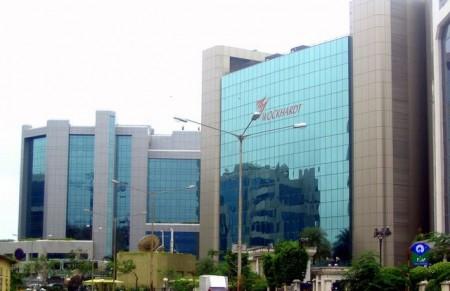
Wockhardt Hospital




Dr. Rela Institute & Medical Centre
احصل على تقييم طبي لـ في الهند. استشر الآن 7 أطباء ذوي الخبرة.
عرض جميع الأطباء
Sridhar P.S.
يتمتع الدكتور سريدهار بخبرة تزيد عن عقدين من الزمن في مجال علاج الأورام بالإشعاع لعلاج الأورام النجمية في مركز HCG Manavata للسرطان.
- متخصص في العلاج الإشعاعي لأورام المخ المعقدة
- دبلوماسي معتمد في تقنيات العلاج الإشعاعي
- عضو نشط في جمعية الأورام العصبية
- تلقى تدريبه في جامعة باناراس الهندوسية - وهي واحدة من أفضل كليات الطب في الهند

Chaitainya Borde
تعامل الدكتور بورد مع أكثر من 30,000 فحص PET و1,000 مريض بسرطان الغدة الدرقية، ويجلب خبرة واسعة في الطب النووي لحالات الورم النجمي في مركز HCG Manavata للسرطان.
- _doctor_2774_سنوات_ من الخبرة المتخصصة في الطب النووي
- بارع في فحوصات PET-CT وأمراض القلب النووية المتقدمة
- ماهر في علاجات اليود المشع وعلاجات Lu-177
- باحث منشور في المجلات الطبية

Ravindra Tandale
الدكتور رافيندرا تاندالي هو استشاري في مركز HCG مانافاتا للسرطان في ناشيك. وهو متخصص في التخدير لجراحات الأورام، بما في ذلك جراحات سرطان الثدي والرئة والكبد. يحمل الدكتور تاندالي مؤهلات بكالوريوس الطب والجراحة (MBBS) ودبلوم التخدير (DA).
يعمل الدكتور تاندالي في مركز HCG مانافاتا، وهو منشأة تعالج 75,000 مريض سنوياً وحاصلة على اعتمادات NABL وNABH. يتولى الدكتور تاندالي إدارة التخدير لمختلف العمليات الجراحية، بما في ذلك الإجراءات المتعلقة بحالات السرطان المتقدمة. كما يقدم استشارات عبر الإن

Shruti Kate
تتخصص الدكتورة شروتي كيت في علاج الأورام النجمية مع التركيز على العلاج المناعي والعلاج المتروني للسرطانات المتقدمة. تدربت في مستشفى تاتا التذكاري، أحد أفضل مراكز السرطان في الهند.
- درجة الدكتوراه في طب الأورام من مستشفى تاتا التذكاري
- عضو في الجمعية الأمريكية لعلم الأورام السريري (ASCO)، والجمعية الأوروبية لعلم الأورام الطبي (ESMO)، وجمعيات أورام رائدة أخرى
- قدمت أبحاثاً حول سرطان الرئة في المؤتمر العالمي لسرطان الرئة
- خبرة في الأورام الصلبة، وأورام الأطفال، والأورام الخبيثة الدموية
مشاركة المحتوى
قصص فيديو من مرضى Bookimed
 Anna Leonova
أسئلة متكررة حول علاج الورم النجمي في الهند
هل يغطي التأمين الصحي علاج الورم النجمي في الهند؟
يتم تغطية علاج الورم النجمي في الهند من خلال التأمين الصحي إذا كانت البوليصة سارية قبل تشخيص الورم. تشمل التغطية جراحة الأعصاب، والعناية المركزة، والاستشفاء حتى مبلغ التأمين. توفر خطط التعويض القياسية، وملحقات الأمراض الحرجة، والتأمين الخاص بالسرطان دعمًا ماليًا للأورام الخبيثة والحميدة.
- مصاريف المستشفى: تغطي البوالص إيجار الغرفة، ورسوم العناية المركزة، ورسوم غرفة العمليات أثناء جراحة حج القحف.
- أنواع العلاج: تمتد التغطية عادةً لتشمل العلاج الإشعاعي، والعلاج الكيميائي، وبروتوكولات تقنية Halcyon.
- فترات الانتظار: تتطلب معظم الخطط فترة أولية تتراوح من 30 إلى 90 يومًا لحاملي البوالص الجدد.
- الأمراض الموجودة مسبقًا: تواجه الأورام التي يتم تشخيصها قبل شراء البوليصة فترات انتظار تتراوح من 3 إلى 4 سنوات أو الرفض.
- الوصول غير النقدي: غالبًا ما توفر المرافق المعتمدة من JCI مثل مستشفيات Artemis ومستشفى Apollo Indraprastha خدمات غير نقدية.
رؤية خبير Bookimed: بينما تضم الهند أكثر من 90 مركزًا للأورام، توفر أكبر الشبكات الطبية مثل مستشفيات Apollo أو مستشفيات Manipal معالجة أكثر موثوقية للمطالبات غير النقدية. تمتلك هذه المراكز ذات الحجم الكبير، التي تخدم أكثر من 1,000,000 مريض سنويًا، أقسامًا مخصصة للتعامل مع الموافقات المسبقة لشركات التأمين. وهذا يقلل من مخاطر دفع العائلات لتكاليف أولية كبيرة مقابل جراحة الأعصاب المعقدة أو الأنظمة الروبوتية.
إجماع المرضى: يؤكد المرضى على أهمية الحصول على موافقة كتابية م
ما هي خيارات العلاج الرئيسية المتاحة للورم النجمي (Astrocytoma) في الهند؟
يشمل علاج الورم النجمي في الهند الاستئصال الجراحي، والعلاج الإشعاعي المتقدم، والعلاج الكيميائي المصمم خصيصاً وفقاً لدرجة الورم. تستخدم المراكز الرائدة المعتمدة من قبل JCI في دلهي وبنغالور جراحة القحف أثناء اليقظة والجراحة الإشعاعية التجسيمية. تجمع البروتوكولات متعددة الوسائط بين هذه العلاجات لزيادة إزالة الورم مع حماية وظائف الدماغ الحيوية.
- التدخلات الجراحية: يقوم الجراحون بإجراء الاستئصال الآمن الأقصى أو جراحة القحف أثناء اليقظة للحفاظ على الوظائف.
- العلاج الإشعاعي: تشمل الخيارات الدقيقة Halcyon، والعلاج الإشعاعي المعدل الشدة (IMRT)، والجراحة الإشعاعية التجسيمية.
- العلاج الكيميائي الجهازي: يعتبر تيموزولوميد الفموي هو المعيار، وغالباً ما يتم دمجه مع الإشعاع للأورام عالية الدرجة.
- التقنيات المتقدمة: توفر المراكز الهندية الجراحة بمساعدة الروبوت ونظام IBM Watson لاختيار العلاج الشخصي.
رؤية خبير Bookimed: تمثل الهند مركزاً رئيسياً لطب الأورام العصبية عالي الحجم، حيث يخدم كل من مستشفى أبولو ومستشفى جلوبال تشيناي ما يصل إلى 2,000,000 مريض سنوياً. تدير الشبكات الكبيرة مثل مستشفيات مانيبال 15 منشأة عبر ولايات متعددة. يسمح هذا النطاق بالتبني السريع لتقنيات مثل نظام دافنشي الروبوتي والمعجلات الخطية بدقة 1 مم. بالنسبة للمرضى، يترجم هذا الحجم الكبير إلى خبرة جراحية دقيقة، خاصة في مدن مثل جورجاون ومومباي.
إجماع المرضى: يشير المرضى إلى أن الجراحة عادة ما تكون الخطوة الأولى عندما يكون الورم قابلاً للاستئصال. وغالباً ما يؤكدون على
كيف تؤثر درجة الورم النجمي (Astrocytoma) على خطة العلاج؟
تحدد درجة الورم النجمي كثافة العلاج ومدى إلحاحه. تتطلب الدرجات المنخفضة غالبًا استئصالًا جراحيًا متبوعًا بالمراقبة. بينما تتطلب الدرجات الأعلى تدخلًا متعدد الوسائط فوريًا. تستخدم المراكز الهندية مثل مستشفيات أرتميس (Artemis Hospitals) ومستشفيات مانيبال (Manipal Hospitals) تقنيات تصوير متقدمة لتوجيه هذه القرارات خلال مرحلة التشخيص الأولية.
- رعاية الدرجة 1: توفر الجراحة عادةً علاجًا كاملاً لهذه الأورام غير الغازية.
- استراتيجية الدرجة 2: يقوم الجراحون بإجراء استئصال أقصى متبوعًا بالمراقبة أو العلاج الدوائي الموجه.
- بروتوكول الدرجة 3: يجمع العلاج المكثف بين الاستئصال الجراحي للكتلة الورمية مع العلاج الإشعاعي والكيميائي.
- إدارة الدرجة 4: تسبق الجراحة الفورية العلاج الإشعاعي الكيميائي المتزامن والعلاجات الجزيئية المبتكرة.
رؤية خبير Bookimed: تعالج مراكز الأورام الهندية مثل مستشفى جلوبال تشيناي (Global Hospital Chennai) وفورتيس جورجاون (Fortis Gurgaon) أكثر من 80,000 مريض سنويًا. تظهر البيانات أن العديد من المرافق تعطي الآن الأولوية لأنظمة الإشعاع Halcyon حتى للدرجات المنخفضة. توفر هذه التقنية جرعات موجهة بشكل أسرع من الأجهزة القياسية. هذه السرعة حيوية لإدارة حجم المرضى مع الحفاظ على دقة عالية بالقرب من هياكل الدماغ الحساسة.
إجماع المرضى: يؤكد المرضى على أهمية العثور على فريق متعدد التخصصات لأن العلامات الجزيئية يمكن أن تغير الخطة النهائية. ينصح الكثيرون بالحصول على رأي ثانٍ إذا كان الورم منخفض الدرجة موجودًا في موقع صعب.
ما هي نسبة نجاح جراحة الورم النجمي في الهند؟
تُبلغ المراكز الجراحية الهندية عن نسبة نجاح فورية تتراوح بين 80% إلى 90% لإجراءات الورم النجمي. يعتمد البقاء على قيد الحياة على درجة الورم. تُظهر أورام الدرجة الأولى معدلات نجاح تصل إلى 96%. تتراوح نسبة البقاء على قيد الحياة للدرجة الثانية من 69% إلى 80% في غضون 5 سنوات بعد الجراحة.
- معايير البقاء: يُبلغ الورم النجمي من الدرجة الثالثة عن معدلات بقاء لمدة خمس سنوات تتراوح بين 26.7% إلى 49.2%.
- الدقة الجراحية: الاستئصال الأمثل يحسن البقاء على قيد الحياة للدرجة الثالثة من 4.3% إلى 46.1%.
- الوصول إلى التكنولوجيا: تستخدم المراكز التصوير بالرنين المغناطيسي أثناء الجراحة وجراحات الدماغ أثناء اليقظة للحفاظ على الكلام.
- العلاجات المتقدمة: يتضمن النجاح علاجات مساعدة مثل العلاج الإشعاعي CyberKnife أو Halcyon.
رؤية خبير Bookimed: غالبًا ما يشير حجم المرضى إلى المكان الذي يتم فيه التعامل مع أكثر حالات جراحة الأعصاب تعقيدًا. تدير مستشفيات مانيبال ومستشفى أبولو إندرابراستا أكثر من 1,000,000 مريض سنويًا لكل منهما. يسمح هذا الحجم الكبير للجراحين بالحفاظ على الكفاءة في الإجراءات الدقيقة. تحمل مرافق مثل مستشفيات أرتيميس اعتمادات JCI و NABH. تضمن هذه الاعتمادات أن بروتوكولات السلامة الجراحية تتوافق مع معايير الجودة الدولية.
إجماع المرضى: يؤكد المرضى أن النجاح ليس مجرد النجاة من الجراحة، بل الحفاظ على القدرة على الكلام والمشي. يوصون بطلب آراء ثانية حول فحوصات الرنين المغناطيسي للتأكد مما إذا كان الاستئصال الكامل ممكنًا.
هل يمكن علاج الورم النجمي (Astrocytoma) تماماً في المستشفيات الهندية؟
تعتمد إمكانية علاج الورم النجمي في المستشفيات الهندية على درجة الورم وإمكانية الوصول إليه. غالباً ما يتم علاج أورام الدرجة الأولى من خلال الاستئصال الجراحي الكامل. تتطلب الدرجات الأعلى إدارة معقدة. تستخدم المراكز المعتمدة من قبل JCI في الهند تقنيات ملاحة وتصوير متقدمة لتعظيم النجاح الجراحي وسلامة المرضى.
- درجة الورم: أورام النجمية من الدرجة الأولى قابلة للشفاء بدرجة عالية من خلال الاستئصال الجراحي الكامل.
- الدقة الجراحية: يستخدم الجراحون بضع القحف والجراحة الإشعاعية التجسيمية لاستهداف الخلايا الورمية.
- التشخيص المتقدم: توفر مرافق مثل مستشفى أبولو إندرابراستا استشارات متخصصة في طب الأورام العصبي.
- الرعاية متعددة الوسائط: غالباً ما يجمع العلاج بين الجراحة والإشعاع وأنظمة علاج Halcyon.
رؤية خبير Bookimed: تتفوق الهند في الرعاية الجراحية ذات الحجم الكبير، حيث يجري مستشفى Global Hospital Chennai وحده 18,000 عملية سنوياً. يسمح هذا النطاق الهائل من الإجراءات لجراحي الأعصاب بصقل تقنياتهم لأورام الدماغ المعقدة. يجب على المرضى إعطاء الأولوية للمستشفيات مثل Fortis Gurgaon، المصنف ضمن أكثر المرافق تقدماً من الناحية التقنية في العالم لجراحة الأعصاب.
إجماع المرضى: يؤكد المرضى أن الحصول على مسح نظيف بعد الجراحة يعد علامة فارقة رئيسية ولكنه يتطلب سنوات من المتابعة. ويشيرون إلى أن النجاح غالباً ما يعتمد على الحصول على تقرير علم أمراض مفصل مع علامات جزيئية في مركز ذي حجم كبير.
ما هي أفضل المستشفيات في الهند لعلاج الورم النجمي (Astrocytoma)؟
توفر الهند رعاية متقدمة للورم النجمي في مرافق معتمدة من اللجنة الدولية المشتركة (JCI) ومتخصصة في طب الأورام العصبي. تستخدم المستشفيات الرائدة مثل مستشفى أبولو إندرابراستا وفورتيس جورجاون التصوير أثناء الجراحة وتكنولوجيا الدقة. توفر هذه المراكز رعاية متعددة التخصصات لأورام المخ الخبيثة منخفضة وعالية الدرجة.
- مستشفى أبولو: يضم أول مركز للعلاج بالبروتون في جنوب آسيا لتشعيع الأورام بدقة.
- مستشفيات أرتميس: تستخدم الجراحة الإشعاعية CyberKnife وعمليات الإزالة الموجهة بالملاحة في هذا المرفق في جورجاون.
- فورتيس جورجاون: تستخدم جناح دماغ (Brain Suite) متخصص للتتبع في الوقت الفعلي أثناء عمليات الاستئصال المعقدة.
- مستشفيات مانيبال: تقدم تقنية IBM Watson في جوا لتحديد علاجات السرطان الفعالة.
رؤية خبراء Bookimed: على الرغم من أهمية السمعة، فإن حجم المرضى الكبير يشير غالبًا إلى خبرة متخصصة في طب الأورام العصبي. على سبيل المثال، يدير مستشفى جلوبال تشيناي 80,000 مريض سنويًا ويجري 18,000 عملية جراحية. يشير هذا الحجم إلى أن الجراحين هناك يتعاملون مع الحالات المعقدة بانتظام، وهو أمر بالغ الأهمية لإزالة الأورام النجمية المعقدة.
إجماع المرضى: يؤكد المرضى أن خبرة الجراح المحددة في الأورام النجمية أكثر أهمية من العلامة التجارية للمستشفى. يوصي الكثيرون بالحصول على رأي ثانٍ في علم الأمراض لتأكيد العلامات الجزيئية الدقيقة للورم قبل بدء العلاج.
ما هي الخدمات اللوجستية التي يجب على المرضى الدوليين التخطيط لها؟
يجب على المرضى الدوليين تأمين تأشيرة طبية مخصصة باستخدام دعوة رسمية من المستشفى. تتضمن الخدمات اللوجستية تنسيق استشارات متعددة التخصصات في مراكز معتمدة من JCI في مدن مثل دلهي أو جورجاون أو بنغالورو. يعد السفر بالسجلات الطبية الرقمية والمادية أمراً ضرورياً للتخطيط لجراحة الأعصاب وبدء العلاج السريع.
- متطلبات السفر: يجب أن تكون جوازات السفر صالحة لمدة 6 أشهر بعد تاريخ العودة.
- الوثائق الطبية: أحضر فحوصات التصوير بالرنين المغناطيسي على وحدة تخزين USB وتقارير علم الأمراض المطبوعة للمراجعة.
- التقييم السريري: توقع أن تتضمن الزيارات الأولية تصويراً متكرراً وتخطيطاً من قبل مجلس الأورام.
- الرعاية بعد الجراحة: رتب إقامة محلية بالقرب من المنشأة لتجنب حركة المرور الكثيفة في المدينة.
رؤية خبير Bookimed: يعد حجم المرضى مؤشراً رئيسياً للجودة في الهند. تخدم مستشفيات مانيبال 2,000,000 مريض سنوياً. وتدير مستشفيات أبولو 1,000,000 مريض سنوياً. غالباً ما توفر الشبكات الكبيرة خدمات لوجستية أكثر سلاسة لأن لديها أنظمة راسخة للأوراق الدولية والتنسيق. يضمن اختيار هذه المراكز ذات الحجم الكبير أن الفريق الطبي على دراية جيدة ببروتوكولات الورم النجمي المعقدة.
إجماع المرضى: يؤكد المرضى على أهمية حمل شرائح وقوالب علم الأمراض للمراجعة المستقلة. ويشيرون إلى أن خطط السفر يجب أن تظل مرنة لأن مسارات العلاج غالباً ما تتغير بعد الاستشارة الأولى مع الأخصائي.