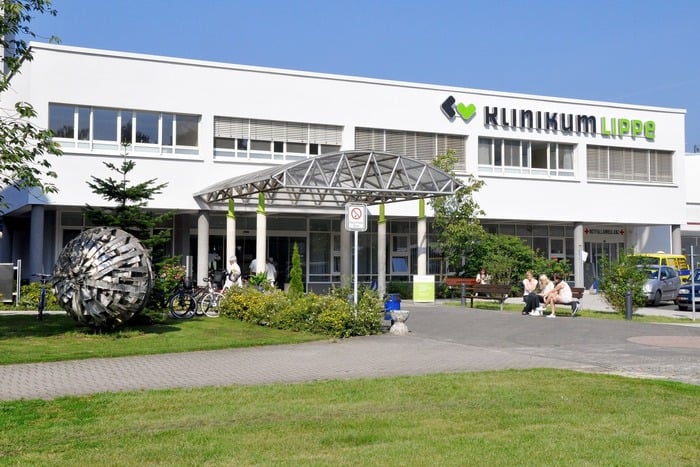
CDT-WEST Center of Diagnostics and Therapy
ألمانيا, كولونيا


تمت مراجعة المقالة طبيا من قبل
فهد مولود
تتضمن تكلفة علاج ابيضاض الدم الليمفاوي الحاد في ألمانيا عادةً التشخيصات الأساسية مثل بزل نخاع العظم مع التحليل الخلوي الجيني والتي تتراوح ما بين $1,100 إلى $2,100. أما خيارات العلاج الأولية مثل زراعة نخاع العظم الخيفي من متبرع قريب فتتراوح تكلفتها من $130,000 إلى $180,000. تعتمد النفقات الإجمالية على نوع ابيضاض الدم، واحتياجات العلاج الخلوي، ومستوى اعتماد العيادة. وغالباً ما يجد المرضى قيمة كبيرة في المراكز الطبية المتميزة مثل برلين وهامبورغ وميونخ.
تكاليف علاج ابيضاض الدم الليمفاوي الحاد النموذجية في ألمانيا
رؤية خبراء Bookimed: يجب على المرضى ذوي المخاطر العالية الذين يحتاجون إلى عمليات زراعة معقدة إعطاء الأولوية للمراكز الجامعية مثل مستشفى إيسن الجامعي أو مستشفى شاريتيه في برلين. تجمع هذه المؤسسات بين التجارب السريرية النشطة وأعداد كبيرة من المرضى تتجاوز 370,000 مريض سنوياً. وبالنسبة لأولئك الذين يبحثون عن مطابقة متخصصة للمتبرعين، يُعرف مستشفى أسكليبيوس بارمبيك بتميزه في رعاية المرضى الدوليين. توفر الاستشارات المتخصصة مع خبراء مثل البروفيسورة إلكه ييغر 35 عاماً من الخبرة في علم الأورام لتخطيط العلاج.
| تركيا | إسبانيا | ألمانيا | |
|---|---|---|---|
| زرع نخاع العظم | من $30,000 | من $100,400 | ≈ $120,000 |
| زراعة نخاع العظم الذاتي | من $25,000 | ≈ $48,000 | ≈ $55,000 |
| زراعة النخاع العظمي من متبرع قريب | من $55,000 | من $130,000 | ≈ $130,000 |
| زراعة النخاع العظمي من متبرع غير قريب | من $65,000 | من $170,000 | ≈ $120,000 |
| العلاج الكيميائي لسرطان الثدي | من $3,000 | من $1,700 | من $2,200 |

تقود الدكتورة فيولا فوكس مركزًا معتمدًا متعدد التخصصات للسرطان، متخصصًا في علاجات متطورة لسرطان الدم الليمفاوي الحاد.

تعد البروفيسورة إلكه ييغر واحدة من أفضل أطباء الأورام في ألمانيا وفقاً لتصنيف مجلة Focus، وهي ترأس قسم الأورام وأمراض الدم في مستشفى نوردويست.

رئيس قسم أمراض الدم في عيادة نوردويست مع 36 سنة من الخبرة – الدكتور فايدمان متخصص في علاجات اضطرابات الدم.
 Anna Leonova
تشمل أفضل المستشفيات المعتمدة لعلاج ابيضاض الدم الليمفاوي الحاد (ALL) للبالغين والأطفال في ألمانيا مستشفى شاريتيه برلين، ومستشفى جامعة إيسن، ومستشفى جامعة هايدلبرغ. هذه المراكز الشاملة للسرطان (CCC) معتمدة بشكل مشترك من قبل الجمعية الألمانية للسرطان ومؤسسة المساعدة الألمانية للسرطان، مما يضمن معايير عالية من حيث عدد الحالات والوصول إلى بروتوكولات التجارب السريرية الأوروبية.
رؤية خبير Bookimed: بينما يبحث الكثيرون عن أعلى سمعة طبية، فإن حجم المرضى هو مؤشر الجودة الأكثر موثوقية لديك. يعالج مستشفى جامعة إيسن وشاريتيه معاً أكثر من 1.2 مليون زيارة مريض سنوياً. هذا الحجم الهائل يعني أن أخصائييهم، مثل الدكتور بيرند هيرتنشتاين أو الدكتور ديتريش دبليو بيلين، يتعاملون مع مضاعفات ALL النادرة بشكل متكرر أكثر من المراكز الإقليمية. اختيار عيادة جامعية يضمن بقاءك ضمن البروتوكولات المعمول بها مثل GMALL أو AIEOP-BFM دون الحاجة إلى الانتقال للحصول على رعاية زراعة متخصصة.
إجماع المرضى: يشير المرضى إلى أن
يتبع علاج ابيضاض الدم الليمفاوي الحاد (ALL) القياسي في ألمانيا تسلسلاً عالي التنظيم من خمس مراحل. يتم تكييف البروتوكولات بناءً على المخاطر وفقًا لمعايير مجموعة الدراسة الألمانية متعددة المراكز لابيضاض الدم الليمفاوي الحاد لدى البالغين (GMALL) أو معايير برلين-فرانكفورت-مونستر (BFM). تضمن هذه المراحل تحقيق مغفرة كاملة مع استهداف الخلايا المتبقية لمنع التكرار.
رؤية خبير Bookimed: بينما تشتهر بروتوكولات الأطفال بنجاحها، تتميز ألمانيا بتطبيق هذه المعايير الصارمة على البالغين. تجمع المراكز ذات الحجم الكبير مثل مستشفى جامعة إيسن بين البحث والتجارب السريرية النشطة. يعني هذا التكامل أن المرضى غالبًا ما يحصلون على أدوية ناشئة قبل وصولها إلى العيادات العامة في جميع أنحاء العالم.
إجماع المرضى: إن الوصول إلى المغفرة بعد مرحلة التحريض هو مجرد البداية. يشير المرضى إلى أن المراحل اللاحقة حاسمة للشفاء وتتطلب وقاية دقيقة من
يوفر علاج ابيضاض الدم الليمفاوي الحاد (ALL) في ألمانيا معدل بقاء على قيد الحياة لمدة 5 سنوات يتجاوز 92% للأطفال. أما بالنسبة للبالغين في ألمانيا، فيبلغ معدل البقاء على قيد الحياة لمدة 5 سنوات 46.4% وفقاً لبيانات السجل. تضمن شبكات التجارب المركزية والبروتوكولات المصنفة حسب العمر رعاية موحدة. تستخدم المراكز المتخصصة تتبعاً متقدماً للحد الأدنى من المرض المتبقي (MRD) لتوجيه تعديلات العلاج.
رؤية خبير Bookimed: بينما يبلغ معدل البقاء الإجمالي للبالغين حوالي 46%، فإن اختيار مستشفى جامعي يضم مركزاً لزراعة الأعضاء أمر حيوي. تتعامل المؤسسات الكبيرة مثل مستشفى شاريتيه برلين أو مستشفى جامعة إيسن مع أعداد هائلة من المرضى. تخدم إيسن 370,000 مريض سنوياً وهي رائدة في أبحاث زراعة الأعضاء. غالباً ما توفر المراكز ذات الحجم الكبير وصولاً أفضل إلى علاج الخلايا التائية CAR-NK والتجارب السريرية.
إجماع المرضى: يشير المرضى إلى أن تحقيق سلبية الحد الأدنى من المرض المتبقي بعد التحريض هو المؤشر الأكثر طمأنة. ويؤ
تستخدم ألمانيا علاج خلايا CAR-T من الجيل التالي، والارتباطات ثنائية الخصوصية للخلايا التائية (T-cell engagers) مثل بليناتوموماب، ومتقارنات الأجسام المضادة والأدوية لسرطان الدم الليمفاوي الحاد (ALL) الانتكاسي. توفر المستشفيات الجامعية الكبرى المعتمدة من قبل الجمعية الألمانية للسرطان هذه العلاجات المناعية الخلوية ومثبطات تيروزين كيناز الموجهة. توفر هذه المراكز مسارات متقدمة للمرضى الذين استنفدوا خيارات العلاج الكيميائي التقليدي.
رؤية خبير Bookimed: تدير المستشفيات الجامعية الألمانية مثل مستشفى شاريتيه برلين ومستشفى جامعة إيسن أعداداً هائلة من المرضى، حيث تخدم أكثر من 370,000 إلى 800,000 مريض سنوياً. يسمح هذا النطاق لهذه المراكز باستضافة البنية التحتية المتخصصة المطلوبة لتصنيع الخلايا المعقدة. يجب على المرضى إعطاء الأولوية لهذه العيادات الجامعية ذات الحجم الكبير لأنها غالباً ما تنسق تجارب GMALL. توفر هذه التجارب الوصول إلى مثبطا
تلتزم الرعاية الطبية الألمانية لابيضاض الدم الليمفاوي الحاد ببروتوكولات أكاديمية مركزية تشرف عليها مجموعات دراسية وطنية. تدمج مرافق مثل مستشفى جامعة إيسن البحث السريري مع علاج المرضى. يضمن التدقيق الجزيئي الدقيق مراقبة عالية الدقة للحد الأدنى من المرض المتبقي طوال فترة العلاج.
رؤية خبير Bookimed: توفر المراكز الجامعية ذات الحجم الكبير مثل مستشفى شاريتيه برلين أو مستشفى جامعة إيسن ميزة واضحة. تخدم هذه المؤسسات أكثر من 370,000 مريض سنوياً وتعمل كمراكز بحثية. تشير البيانات إلى أن هذه المراكز تقدم توجيهاً استباقياً أكثر موثوقية لإدارة مخاطر العدوى المعقدة خلال مراحل التحريض.
إجماع المرضى: يلاحظ المرضى أن الرعاية تتبع جداول بروتوكول صارمة للغاية مع القليل من الاختلاف. ويؤكدون أن أي حمى تُعامل كحالة طبية طارئة خطيرة تتطلب الحضور الفوري إلى المستشفى.
تضم ألمانيا بعضًا من أرقى أقسام جراحة الأعصاب في العالم، بقيادة مستشفى شاريتيه الجامعي في برلين ومستشفى جامعة هايدلبرغ. وتتميز هذه المراكز بخبرتها الواسعة في علاج أورام الدماغ المعقدة وأمراض الأوعية الدموية الدماغية. ولتحقيق أقصى قدر من الفعالية في عملياتها، تستخدم هذه المراكز أحدث التقنيات، مثل التصوير بالرنين المغناطيسي أثناء الجراحة والتوجيه العصبي بمساعدة الحاسوب.
رأي خبراء بوكيمد: تشير البيانات إلى أن اختيار المراكز ذات الحجم الجراحي الكبير غالبًا ما يؤدي إلى توصيات علاجية أكثر تحفظًا. ففي مركز سولينجن الطبي، الذي يعالج أكثر من 60,000 مريض
في ألمانيا، تتميز العمليات الجراحية العصبية بالغة التعقيد بمستوى أمان استثنائي. تصل نسبة نجاح عمليات دمج الفقرات إلى 99%، بينما تبلغ نسبة النجاة بعد استئصال أورام الدماغ الأولية 97%. كما يتمتع المرضى بقدرة عالية على الاعتماد على أنفسهم في أداء وظائفهم اليومية، حيث يغادر أكثر من 82% منهم المستشفى مباشرةً بعد العلاج. وتولي المراكز الألمانية اهتماماً بالغاً بالحفاظ على الوظائف العصبية باستخدام أحدث تقنيات التخطيط العصبي.
رأي خبراء بوكيمد: يُجري جراحون ذوو خبرة، مثل الدكتور أوفه كولر من عيادة أسكليبيوس ألتونا، أكثر من 2000 عملية جراحية سنويًا. تُشير البيانات إلى أن هؤلاء المتخصصين يحافظون على معدلات نجاح تصل إلى 90%، حتى
تُدخل عيادات جراحة الأعصاب الألمانية بانتظام أدوات رقمية عالية الدقة وتقنيات تصوير فوري في الممارسة الجراحية. تشمل التقنيات الرئيسية الملاحة العصبية الحاسوبية لجراحات الدماغ والحبل الشوكي. تستخدم مؤسسات مثل عيادة أسكليبيوس نورد التصوير بالرنين المغناطيسي أثناء الجراحة للتحقق من استئصال الورم في الوقت الفعلي. توفر هذه الأنظمة للجراحين نظام ملاحة ثلاثي الأبعاد.
رأي خبراء بوكيمد: تُجري مراكز طبية كبيرة، مثل مستشفى شاريتيه الج
في ألمانيا، يتعين على جراحي الأعصاب إكمال برنامج إقامة تخصصي لمدة ست سنوات بعد التخرج من كلية الطب. يشمل هذا البرنامج المنظم العناية المركزة، والتدريب السريري، وكتابة مقالات في مجلة جراحية إلزامية. بعد ذلك، يجتاز المرشحون امتحانًا حكوميًا للحصول على لقب طبيب مقيم (Facharzt für Neurochirurgie).
رأي خبراء بوكيميد: يركز التدريب الألماني في جراحة الأعصاب على الخبرة الجراحية الواسعة. فعلى سبيل المثال، أجرى الدكتور رالف بول من المركز الطبي في سولينجن أكثر من 4000 عملية جراحية. ويتمتع الدكتور يورغن كيويت من مستشفى ميوكلينيك بخبرة تزيد عن 25 عامًا. يضمن هذا النظام الدقيق أن يتعامل المتخصصون في المراكز الكبرى مع الحالات المعقدة بدقة مثبتة.
آراء المرضى: يشع
يجب على جراحي الأعصاب الأجانب استيفاء متطلبات لغوية وترخيصية صارمة للالتحاق بالتدريب أو فترة التدريب العملي في ألمانيا. يتطلب التدريب رخصة طبية سارية أو تصريحًا مؤقتًا. أما المتدربون، فيجب عليهم الحصول على إذن من مستشفى محدد. ويتطلب كلا الخيارين إتقانًا عاليًا للغة الألمانية للمشاركة في المناقشات السريرية وإجراء العمليات الجراحية المعقدة بأمان.
رأي خبراء بوكيمد: غالبًا ما تُعطي العيادات الألمانية ذات الأعداد الكبيرة من المرضى، مثل عيادة نوردويست أو أسكليبيوس نورد، الأولوية للمرشحين الذين خضعوا بالفعل لتقييم أولي للوثائق. تُظهر بياناتنا أن أساتذة مثل الدكتور أوفه كولر والدكتور