علاج سرطان الدم الليمفاوي الحاد في النمسا — احصل على 3 عيادات مختارة خصيصاً لك


تمت مراجعة المقالة طبيا من قبل
فهد مولود
كيف نعمل؟
ما هي تكلفة سرطان الدم الليمفاوي الحاد إجراءات التشخيص والعلاج في النمسا؟ اعرف الآن
تتراوح تكلفة علاج ابيضاض الدم الليمفاوي الحاد في النمسا عادةً ما بين $38,000 إلى $55,000 لزراعة نخاع العظم الذاتي، بينما تتراوح تكلفة زراعة نخاع العظم الخيفي من متبرع قريب ما بين $95,000 إلى $150,000. تعتمد النفقات الإجمالية على عمر المريض، ومستوى خطورة المرض، ونوع المتبرع المطلوب. وغالباً ما يجد المرضى توفيراً يتراوح بين 20-30% مقارنة بالولايات المتحدة. وتتركز معظم الرعاية المتخصصة في فيينا.
تكاليف علاج ابيضاض الدم الليمفاوي الحاد النموذجية في النمسا
- زراعة نخاع العظم الذاتي: $38,000 – $55,000
- زراعة نخاع العظم الخيفي من متبرع قريب: $95,000 – $150,000
- زراعة نخاع العظم الخيفي من متبرع غير قريب: $105,000 – $145,000
- زراعة نخاع العظم: $62,000 – $95,000
- علاج الخلايا القاتلة الطبيعية المعدلة (CAR NK cell therapy): السعر عند الطلب
- العلاج الكيميائي: $9,500 – $18,000
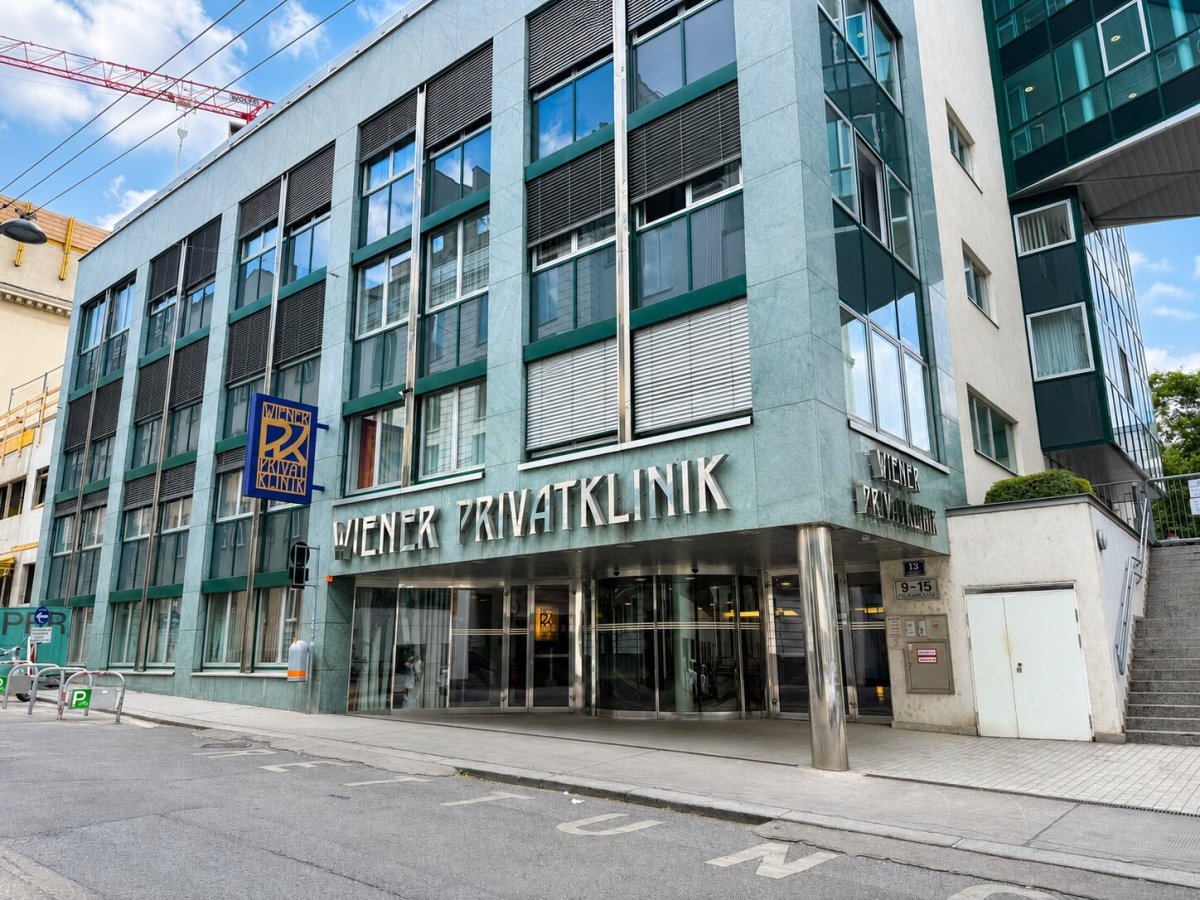
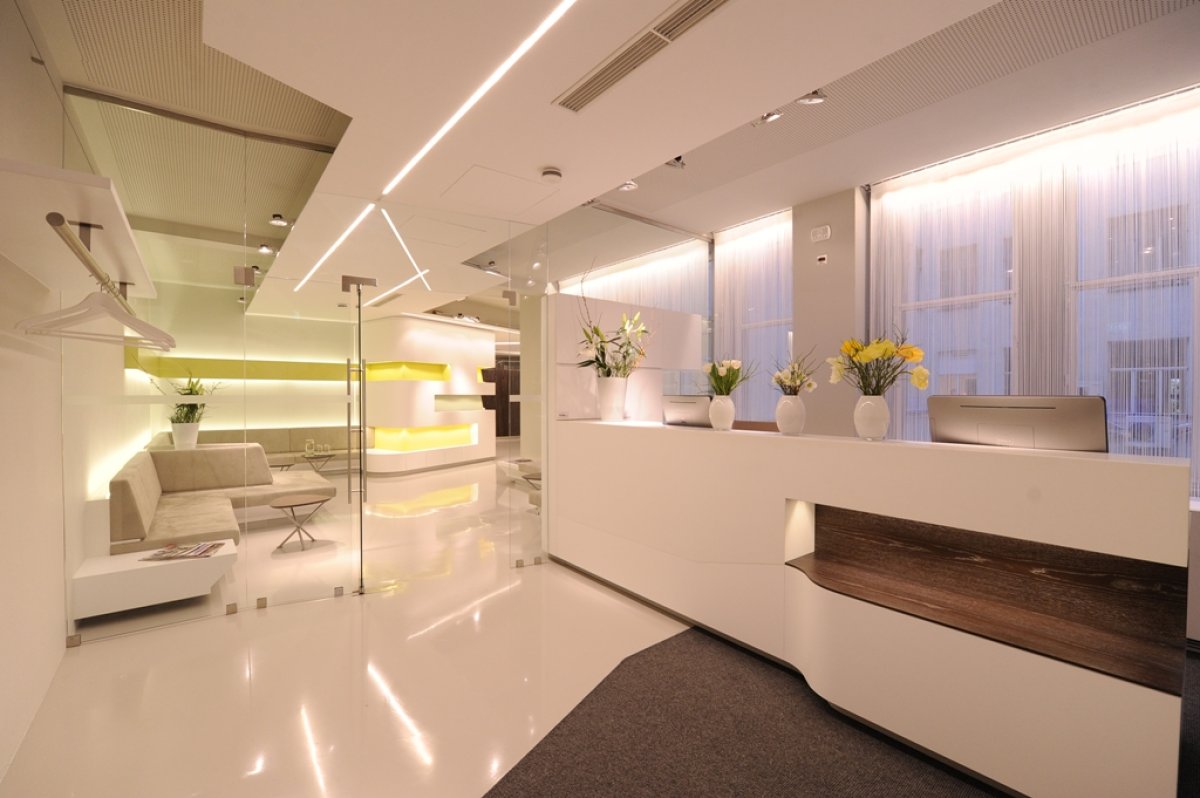
رؤية خبراء Bookimed: يجب على المرضى الذين يبحثون عن علاج جهازي مخصص للسرطان التفكير في عيادة فيينا الخاصة (Wiener Privatklinik) في فيينا. يركز الدكتور فولفغانغ كوستلر، الأستاذ المشارك في جامعة فيينا الطبية، على العلاج المناعي المتقدم. وقد تم تصنيف هذه العيادة من قبل مجلة نيوزويك كواحدة من أفضل المستشفيات في العالم. بالنسبة لحالات أمراض الدم المعقدة، تضمن المراكز الحاصلة على شهادة الأيزو (ISO) تلبية معايير السلامة الدولية أثناء الإجراءات المكثفة.
| النمسا | تركيا | إسبانيا | |
|---|---|---|---|
| زرع نخاع العظم | ≈ $62,000 | من $30,000 | من $101,200 |
| زراعة نخاع العظم الذاتي | ≈ $38,000 | من $25,000 | ≈ $48,000 |
| زراعة النخاع العظمي من متبرع قريب | ≈ $95,000 | من $55,000 | من $130,000 |
| زراعة النخاع العظمي من متبرع غير قريب | ≈ $105,000 | من $65,000 | من $170,000 |
| العلاج الكيميائي لسرطان الثدي | ≈ $9,500 | من $3,000 | من $1,700 |



احصلوا على تقييم طبي لـ سرطان الدم الليمفاوي الحاد في النمسا: استشيروا أطباء ذوي خبرة الآن
عرض جميع الأطباء
Wolfgang Köstler
نائب رئيس قسم الأورام السريرية في أكبر مستشفى في النمسا وأستاذ مشارك. البروفيسور كوستلر هو خبير رائد في علاج السرطان الدقيق والشخصي.
- أكثر من _doctor_1748_عاماً من التخصص في طب الأورام والطب الباطني
- يركز على العلاجات الموجهة القائمة على المؤشرات الحيوية والعلاج المناعي
- درس الطب في جامعة فيينا
- يجري أبحاثاً انتقالية لتطوير استراتيجيات علاجية جديدة
- استشاري أول في عيادة فيينا الخاصة المرموقة (Wiener Privatklinik)

Johannes Drach
يتخصص البروفيسور دراخ في علم الأورام ولديه خبرة واسعة في جامعة فيينا الطبية ويدير عيادة جوزيفشتات الخاصة.
- كبير الأطباء في المستشفى الجامعي للطب الباطني الأول في فيينا
- عضو مجلس إدارة الجمعية النمساوية لأمراض الدم والأورام
- نشر أكثر من 120 ورقة علمية
- تعليم مستمر في التغذية والسرطان من جامعة فرايبورغ
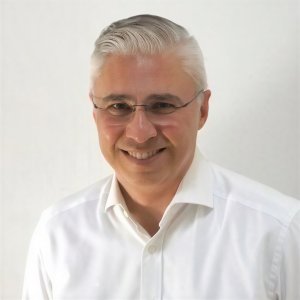
Alexander Hauswirth
الأستاذ المشارك Priv.-Doz. د. ألكسندر دبليو. هاوسويرث اختصاصي في الطب الباطني وأمراض الدم والأورام في JUVENIS. ومنذ عام 2010 يتولى منصب الطبيب الاستشاري المسؤول عن أمراض الدم/علم الإرقاء والأورام في قسم الطب الباطني الأول بجامعة فيينا الطبية/مستشفى فيينا العام (AKH)، أكبر مستشفيات النمسا.
حصل على شهادة الطب من جامعة فيينا عام 1999. نال التأهيل الجامعي (venia docendi) عام 2010 وعُيّن أستاذاً مشاركاً عام 2012. أكمل تأهيلاً إضافياً في أمراض الدم والأورام عام 2014. كزميل بمنحة شرودنغر في س
مشاركة المحتوى
قصص فيديو من مرضى Bookimed
 Anna Leonova
أسئلة متكررة حول علاج سرطان الدم الليمفاوي الحاد في النمسا
ما هي المستشفيات في النمسا التي تقدم أعلى مستوى من العلاج لمرض لانغرهانز للخلايا النسيجية؟
تُقدّم المستشفيات الجامعية، مثل مستشفى فيينا الجامعي (AKH Wien) ومستشفى إنسبروك الجامعي (LKH Innsbruck)، أعلى معايير العلاج لسرطان الدم الليمفاوي الحاد (ALL) في النمسا. وتُوفّر هذه المؤسسات علاجات متطورة، مثل العلاج بالخلايا القاتلة الطبيعية المعدلة وراثيًا (CAR NK) وزراعة نخاع العظم. كما تُدمج هذه المستشفيات الأبحاث التطبيقية مع مرافق معتمدة من اللجنة الدولية المشتركة (JCI) لإدارة الحالات الدموية المعقدة.
- المراكز المتخصصة: يقدم كل من مستشفى AKH فيينا ومستشفى LKH إنسبروك خدمات شاملة في مجال أمراض الدم وزراعة الأعضاء.
- أساليب العلاج المتقدمة: تستخدم العيادات العلاج المناعي، والعلاج الموجه للسرطان، وأساليب العلاج الجهازية المصممة خصيصًا لكل فرد.
- أطباء خبراء: يقدم أساتذة من جامعة فيينا الطبية الرعاية الطبية في مراكز مثل عيادة فيينا الخاصة.
- الدقة التشخيصية: يتم إجراء دراسات علم الوراثة الخلوية لنخاع العظم وفحوصات التصوير المقطعي المحوسب لكامل الجسم في المرافق الطبية لتحديد مرحلة المرض بدقة.
رأي خبراء بوكيميد: بينما تتصدر المستشفيات الجامعية مجال البحث العلمي، توفر مؤسسات خاصة مثل عيادة فيينا الخاصة إمكانية الوصول المباشر إلى نفس الأساتذة الطبيين. تُظهر بيانات بوكيميد أ
ما هو العلاج القياسي الأولي لمريض تم تشخيص إصابته حديثًا بسرطان الدم الليمفاوي الحاد (ALL)؟
يُعطى العلاج القياسي الأولي لسرطان الدم الليمفاوي الحاد (ALL) وفق بروتوكول متعدد المراحل قائم على تقييم المخاطر، ويمتد على مدى سنتين إلى ثلاث سنوات. يشمل العلاج الأولي العلاج الكيميائي الجهازي متعدد الأدوية، بالإضافة إلى الوقاية من إصابة الجهاز العصبي المركزي. يستخدم أخصائيون نمساويون، مثل الدكتور يوهانس دراخ، مراحل العلاج التحريضي والتثبيتي والصيانة لضمان تحقيق هدأة طويلة الأمد.
- مرحلة التحريض: بروتوكول لمدة 4 أسابيع باستخدام فينكريستين والكورتيكوستيرويدات و L-أسباراجيناز لتحقيق الهدأة.
- الوقاية من تلف الجهاز العصبي المركزي: تمنع الحقن داخل القراب من مادة الميثوتريكسات هجرة خلايا سرطان الدم إلى الدماغ.
- مرحلة التثبيت: العلاج المكثف بجرعات عالية من السيتارابين والسيكلوفوسفاميد يقضي على المرض المتبقي.
- مرحلة المداومة: يستمر تناول 6-ميركابتوبورين وميثوتريكسات عن طريق الفم للمرضى الخارجيين لمدة 1.5-2 سنوات.
رأي خبراء بوكيميد: يكشف تحليل المراكز النمساوية الرائدة، مثل عيادة فيينا الخاصة، عن التزام قوي بالبيئة الأكاديمية. فالعديد من أطباء أمراض الدم البارزين هم أيضاً أساتذة في جامعة فيينا الطبية. وتتيح هذه الصلة للمرضى إمكانية الحصول على علاج جهازي مُخصّص وتجارب سريرية في
هل تتوفر علاجات المناعة المتقدمة وعلاجات الخلايا التائية المعدلة وراثيًا (CAR T-cell) في النمسا؟
في النمسا، تُقدّم المستشفيات الجامعية المعتمدة أحدث العلاجات المناعية وعلاج الخلايا التائية المعدلة وراثيًا (CAR T-cell) لسرطان الدم الليمفاوي الحاد. وتستخدم هذه المراكز علاجات CAR T-cell المرخصة، وتُتيح الوصول إلى التجارب السريرية. كما تُعالج مؤسسات متخصصة في فيينا وغراتس وإنسبروك حالات العلاج الخلوي المعقدة وفقًا لمعايير جودة صارمة.
- المراكز المعتمدة: ستة مؤسسات نمساوية مرخصة لتقديم علاج CAR T-cell المرخص.
- العلاجات المحددة: تشمل العلاجات المتقدمة مثبطات نقاط التفتيش المناعية والأدوية المضادة لسرطان الدم.
- التجارب السريرية: تجري حاليًا تجارب على خلايا CAR T المحسّنة بتقنية CRISPR وإنتاج الخلايا محليًا داخل المختبر.
- متطلبات الوصول: يتم إعطاء العلاج وفقًا لبروتوكول لعلاج الأورام الخبيثة للخلايا البائية المتكررة أو المقاومة للعلاج بعد العلاج القياسي.
رأي خبراء بوكيمد: يستفيد المرضى الذين يسعون لتلقي هذا العلاج في النمسا من وجود عدد كبير من المتخصصين الأكاديميين. ففي عيادة فيينا الخاصة، يدمج أطباء الأورام، مثل الدكتور فولفغانغ كوستلر، العلاج الموجه مع البحوث التطبيقية. وتُعد هذه الصلة بجامعة فيينا الطبية بالغة الأهمية، إذ تضمن حتى للمرضى الذين يتلقون العلاج في عياداتهم
ما هي مدة الإقامة النموذجية في المستشفى أثناء العلاج التحريضي لسرطان الدم الليمفاوي الحاد؟
في النمسا، تتراوح مدة الإقامة في المستشفى للمرضى البالغين المصابين بابيضاض الدم الليمفاوي الحاد عادةً بين 4 و6 أسابيع. أما الأطفال، فيبقون عادةً من أسبوع إلى أسبوعين للمراقبة الأولية. ويُمكن تخريجهم عندما تستقر نتائج تعداد الدم، ولا توجد حمى أو عدوى حادة. وخلال هذه الفترة المكثفة، يُعطي الفريق الطبي الأولوية القصوى لمنع حدوث مضاعفات تُهدد الحياة.
- دخول المرضى البالغين إلى المستشفى: يبقى معظم البالغين في المستشفى طوال دورة العلاج التحريضي التي تتراوح بين 4 و 6 أسابيع.
- المتابعة الطبية للأطفال: غالباً ما ينتقل الأطفال إلى العلاج في العيادات الخارجية بعد أول 14 يوماً.
- إعادة تكوين نخاع العظم: يبقى المرضى في العيادة حتى تصل تعدادات الدم إلى مستويات آمنة للرعاية المنزلية.
- صيانة الوصول: في المرحلة الأولية من دخول المستشفى، يتم إدخال قسطرة وريدية مركزية أو نظام منفذ جراحيًا.
رأي خبراء بوكيمد: غالبًا ما يجمع كبار أطباء الأورام النمساويين بين منصبين في جامعة فيينا الطبية. على سبيل المثال، يدمج الدكتور فولفغانغ كوستلر من عيادة فيينا الخاصة البحث الأكاديمي في عيادته الخاصة. تضمن هذه العلاقة للمرضى الحصول على نفس بروتوكولات علاج سرطان الدم الموحدة المستخدمة في أكبر المستشفيات ال
كيف يمكن منع انتشار سرطان الدم الليمفاوي الحاد إلى الدماغ والحبل الشوكي؟
تمنع العيادات وصول سرطان الدم الليمفاوي الحاد إلى الجهاز العصبي المركزي باستخدام الوقاية. يقوم الأطباء بإعطاء العلاج الكيميائي داخل القراب مباشرةً في السائل النخاعي. كما تخترق جرعات عالية من الأدوية الجهازية والجلوكوكورتيكويدات الحاجز الدموي الدماغي. في بعض الحالات عالية الخطورة، قد يكون العلاج الإشعاعي الموجه للدماغ ضروريًا.
- العلاج الكيميائي داخل القراب: يقوم الجراحون بإعطاء الميثوتريكسات أو السيتارابين مباشرة من خلال البزل القطني.
- الإعطاء الجهازي: تعمل الجرعات العالية من الميثوتريكسات عن طريق الوريد على تعزيز اختراق الدواء عبر الحاجز الدموي الدماغي.
- العلاج بالجلوكوكورتيكويد: يخترق ديكساميثازون السائل النخاعي بشكل فعال ويقتل خلايا سرطان الدم.
- العلاج الإشعاعي الموجه: يستخدم الأخصائيون الأشعة السينية عالية الطاقة للمرضى المعرضين لمخاطر عالية للغاية.
رأي خبراء بوكيمد: يستفيد المرضى في النمسا من بيئة أكاديمية متطورة للغاية في مجال طب الأورام، حيث يشغل العديد من الأطباء، مثل الدكتور فولفغانغ كوستلر والبروفيسور يوهانس دراخ، مناصب أستاذية في جامعة فيينا الطبية. يضمن هذا التكامل الأكاديمي تحديث بروتوكولات الوقاية من أمراض الجهاز العصبي المركزي بما يتماشى مع أحدث الأبحاث
هل يؤثر الاختبار الجيني على علاجات سرطان الدم؟
يُحدث الفحص الجيني تغييرًا جذريًا في علاج سرطان الدم من خلال تحديد طفرات جينية محددة في الخلايا السرطانية. تُمكّن هذه النتائج الأطباء من وصف العلاج الموجه وتعديل جرعة العلاج الكيميائي. كما تُحدد المؤشرات الجينية الحاجة إلى زراعة الخلايا الجذعية لتحسين معدلات البقاء على قيد الحياة.
- العلاج الموجه: في الحالات التي يكون فيها كروموسوم فيلادلفيا موجودًا، يستخدم الأطباء أدوية متخصصة مثل مثبطات التيروزين كيناز.
- تصنيف المخاطر: يحدد الاختبار الأنواع الفرعية عالية الخطورة التي تتطلب بروتوكولات علاج أكثر كثافة.
- تخطيط عملية الزرع: تساعد الملفات الجينية المتخصصين على تحديد ما إذا كان زرع نخاع العظم هو الخيار الأفضل.
- الحد الأدنى من المرض المتبقي: يسمح الاختبار بمراقبة فعالية العلاج والكشف عن آثار مجهرية للخلايا السرطانية.
رأي خبراء بوكيمد: في النمسا، غالبًا ما تُشرك المراكز الرائدة، مثل عيادة فيينا الخاصة، أساتذة الجامعات في تخطيط العلاج. تُظهر بياناتنا أن أخصائيين مثل الدكتور فولفغانغ كوستلر يُولون اهتمامًا خاصًا للعلاج الجهازي المُخصّص للسرطان وتطوير المؤشرات الحيوية. وهذا يعني أن التحليل الجيني لورمك يؤثر بشكل مباشر على اختيار الأدوية المُستهدفة المُحددة لبروتوكول علاجك.
<متى يتم النظر في زراعة الخلايا الجذعية أو نخاع العظم لعلاج ابيضاض الدم الليمفاوي الحاد؟
يُعدّ زرع الخلايا الجذعية خيارًا علاجيًا لسرطان الدم الليمفاوي الحاد، حيث يكون المرضى أكثر عرضةً لانتكاس المرض بعد العلاج الكيميائي. يوصي الأطباء بهذا الإجراء في حال عدم فعالية العلاج الأولي أو عودة المرض. وتعتمد معايير الاختيار على تحقيق الهدأة، وعوامل الخطر الوراثية، وتوفر متبرع متوافق من حيث مستضدات الكريات البيضاء البشرية.
- العوامل الوراثية عالية الخطورة: غالباً ما يتطلب وجود كروموسوم فيلادلفيا أو إعادة ترتيب جين KMT2A عملية زرع.
- المرض المتبقي: يشير اكتشاف خلايا سرطان الدم بعد العلاج الكيميائي الأولي بقوة إلى الحاجة إلى عملية زرع.
- حالات الانتكاس: عندما يعود سرطان الدم بعد فترة الهدوء، فإن عملية الزرع هي طريقة العلاج الرئيسية التي توفر الشفاء.
- اللياقة البدنية للمريض: تعتبر وظائف القلب والرئتين والكلى الكافية ضرورية للبقاء على قيد الحياة في ظل ظروف التدريب المكثف.
خبرة بوكيمد: يتخصص أطباء أمراض الدم ذوو الخبرة، مثل الدكتور يوهانس دراخ في فيينا، في إجراء تقييمات شاملة للمرضى قبل عملية زرع نخاع العظم. وبينما يركز العلاج القياسي على العلاج الكيميائي، غالبًا ما تقدم العيادات النمساوية الخاصة آراءً ثانية حول التغذية ونمط الحياة في مرحلة مبكرة. نلاحظ استفادة المرضى من