الطب النفسي في إسرائيل — التكاليف 2026


تمت مراجعة المقالة طبيا من قبل
فهد مولود
ما هي تكلفة الطب النفسي في إسرائيل؟ اكتشف الآن
تتراوح تكلفة الطب النفسي في إسرائيل عادةً ما بين $7,600 و $19,000. تعتمد النفقات النهائية على نوع المنشأة، وخبرة الطبيب النفسي، وما إذا كانت هناك حاجة إلى باقات تشخيصية أو برامج إقامة مكثفة. غالباً ما يجد المرضى القادمون من الولايات المتحدة وفورات تتراوح بين 40-50% في تكاليف الرعاية الصحية النفسية الخاصة والتقييمات الشاملة.
تكاليف الطب النفسي النموذجية في إسرائيل
- التقييم التشخيصي للتوحد: السعر عند الطلب
- فحص تعاطي الكحول: من $2,300
- تخطيط كهربية الدماغ (EEG) أثناء الانتقال من اليقظة إلى النوم: من $980
- علاج إدمان الكحول: من $7,800
- علاج التوحد: من $7,500
- علاج الفصام لدى البالغين: من $7,500
تقع معظم المراكز النفسية المتخصصة في تل أبيب وهرتسليا. وفي حين تستضيف المناطق المركزية كبار الخبراء، يمكن أن تساعدك استشارة أحد المتخصصين في توضيح التكلفة النهائية لخطة علاجية محددة أو إجراء تشخيصي بناءً على احتياجاتك السريرية.
| إسرائيل | تركيا | إسبانيا | |
|---|---|---|---|
| علاج مرض التوحد | من $7,500 | من $11,500 | من $20,200 |
| علاج الفصام عند البالغين | من $7,500 | ≈ $3,000 | من $20,200 |
| علاج الأطفال والمراهقين الذين يعانون من مرض انفصام الشخصية | ≈ $12,000 | ≈ $4,500 | ≈ $6,500 |
| علاج إدمان الكحول | من $7,800 | من $4,200 | من $20,200 |
| العلاج النفسي | من $200 | من $150 | من $20,200 |
جميع أمراض الطب النفسي
مزاياك وضماناتك مع Bookimed
أسعار مباشرة
Bookimed لا يضيف رسوماً إضافية على أسعار علاج الطب النفسي. الأسعار مأخوذة من قوائم الأسعار الرسمية للعيادات. تدفع مباشرة في العيادة مقابل علاجك عند وصولك إلى البلد.
عيادات وأطباء معتمدون فقط
Bookimed ملتزم بسلامتك. نحن نعمل فقط مع المؤسسات الطبية التي تحافظ على معايير دولية عالية في علاج الطب النفسي ولديها التراخيص اللازمة لخدمة المرضى الدوليين في جميع أنحاء العالم.
مساعدة مجانية على مدار الساعة
Bookimed يقدم مساعدة خبراء مجانية. منسق طبي شخصي يدعمك قبل وأثناء وبعد العلاج، ويحل أي مشاكل. لن تكون وحيداً أبداً في رحلة علاج الطب النفسي.

منسقك الطبي الشخصي في Bookimed
- يدعمك في كل مرحلة
- المساعدة في اختيار العيادة الطبية المناسبة والطبيب المناسب
- يضمن الوصول السريع والمريح إلى المعلومات
اكتشف أفضل عيادات الطب النفسي: 9 خيارات معتمدة والأسعار







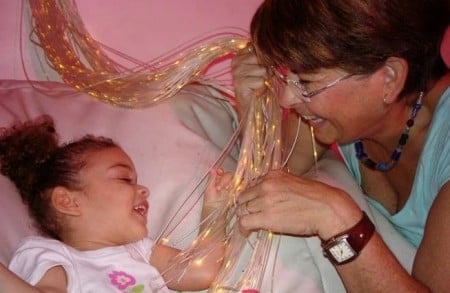
Child Development Center Beit Issie Shapiro

Dental Clinic Dr. Mark Ratner

Reuth Rehabilitation Сenter

Renaissance Rehabilitation Center

IsraClinic
أفضل مراكز الطب النفسي في إسرائيل
- IsraRehab, إسرائيل
- Sourasky Medical Center (Ichilov), إسرائيل
- Schneider Center for Children Medicine, إسرائيل
- Child Development Center Beit Issie Shapiro, إسرائيل
- Dental Clinic Dr. Mark Ratner, إسرائيل
- Reuth Rehabilitation Сenter, إسرائيل
- Renaissance Rehabilitation Center, إسرائيل
- IsraClinic, إسرائيل
- Life Reconstruction Addiction Treatment Clinic, إسرائيل
احصل على تقييم طبي لـ الطب النفسي في إسرائيل. استشر الآن 9 أطباء ذوي الخبرة.
عرض جميع الأطباء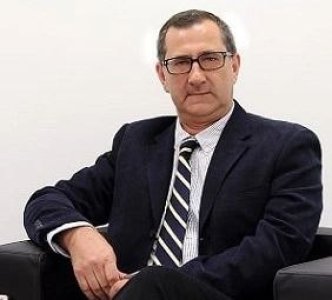
Semienov Mark
الدكتور مارك سيمينوف، طبيب نفسي حاصل على شهادة البورد ومرخّص من وزارة الصحة الإسرائيلية منذ عام 2002. تخرّج من كلية ساكلر للطب في جامعة تل أبيب. أكمل إقامة تخصصية في الطب النفسي وهو اختصاصي معتمد.
حاصل على تدريب دراسات عليا في طب الإدمان، وإدارة الرعاية الصحية، والرعاية الطبية الطارئة. تتركّز ممارسته على الإدمان والتشخيص المزدوج (اضطرابات تعاطي المواد المصحوبة باضطرابات نفسية متزامنة). يقدّم التقييم، وضبط الأدوية، وإزالة السموم تحت إشراف طبي، والوقاية من الانتكاس، والاستقرار، والمتابعة

Bella Gamliel
يتخصص المعالج النفسي في علاج الإدمان، والاضطرابات العاطفية، والصدمات، والصعوبات السلوكية. يحمل درجة الماجستير في العلوم في العلاج النفسي المعرفي السلوكي من جامعة ديربي، ويستخدم الطبيب أساليب قائمة على الأدلة بما في ذلك العلاج المعرفي السلوكي (CBT)، وعلاج المخططات، والعلاج الجدلي السلوكي (DBT)، والتدخلات التي تركز على الصدمات. تغطي الخبرة السريرية اضطرابات تعاطي المخدرات، والإدمان السلوكي، والقلق، والاكتئاب، والتشخيص المزدوج.
بفضل خبرته الواسعة في التدخل في الأزمات، والاستقرار، وإعادة ال

Michael Krasnoshtein
يقود الدكتور كراسنوشتاين وحدة التحفيز المغناطيسي العميق عبر الجمجمة (dTMS) في مركز سوراسكي الطبي - وهو علاج متخصص لتحفيز الدماغ للحالات المعقدة.
- أكثر من 15 عاماً من الخبرة كطبيب نفسي أول في المستشفيات الإسرائيلية الرائدة
- متخصص في القلق المقاوم للعلاج، واضطراب ما بعد الصدمة، والاضطرابات العاطفية
- عضو في معهد EMDR في إسرائيل - خبير في علاج الصدمات
- يعالج مرضى بارزين من وزارة الدفاع والأمن الإسرائيلية
- يقوم بتدريس أطباء النفس في المستقبل في جامعة تل أبيب

Aviva Fatal-valevsky
أخصائية إسرائيلية رائدة في الاضطرابات الوراثية العصبية لدى الأطفال - تترأس البروفيسورة فاتال-فاليفسكي وحدة أعصاب الأطفال في مركز سوراسكي الطبي.
- أكثر من 30 عامًا من التركيز على أمراض أعصاب الأطفال
- حاصلة على زمالة من مركز جامعة نيويورك لانغون الطبي في نيويورك
- عضو في 7 جمعيات دولية لأعصاب الأطفال
- دور بروفيسور في كلية ساكلر للطب بجامعة تل أبيب
المراجعات
جميع المراجعاتمشاركة المحتوى
قصص فيديو من مرضى Bookimed
 Anna Leonova
أسئلة متكررة حول الطب النفسي في إسرائيل
هل تعتبر إسرائيل وجهة آمنة لتلقي الرعاية النفسية كسائح طبي؟
تقدم إسرائيل معايير نفسية عالية بشكل استثنائي، على الرغم من أن التقلبات الإقليمية الحالية تتطلب تخطيطًا لوجستيًا دقيقًا. توفر مرافق مثل مركز سوراسكي الطبي وعيادة إسرائيل (IsraClinic) رعاية معتمدة من اللجنة الدولية المشتركة (JCI) وبروتوكولات وفقًا للمعايير الغربية. غالبًا ما يحمل الأطباء النفسيون الخبراء مؤهلات دولية، ويقدمون علاجات متخصصة لحالات معقدة مثل الاكتئاب المقاوم للعلاج والفصام.
- اعتمادات العيادة: مركز سوراسكي الطبي معتمد من JCI ومصنف ضمن أفضل المستشفيات في العالم.
- العلاجات المتخصصة: تقدم المراكز التحفيز المغناطيسي عبر الجمجمة العميق وعلم النفس المريح (Psychoergonomics) للحصول على نتائج علاجية سريعة.
- مستويات الخبرة: يتمتع كبار المتخصصين مثل الدكتورة كارني جابوتينسكي-روبين بأكثر من 20 عامًا من البحث.
- إمكانية الوصول اللغوي: يتم التحدث باللغتين الإنجليزية والروسية على نطاق واسع في المرافق النفسية الخاصة في تل أبيب.
رؤية خبير Bookimed: تظهر البيانات أن المرافق الخاصة مثل IsraClinic تحقق نتائج ملموسة في غضون 1.5 شهر. هذا الجدول الزمني الأسرع ممكن لأن هذه المراكز تستخدم بروتوكولات علاجية يومية مكثفة. في المقابل، تقوم العديد من البرامج الدولية بتوزيع نفس الجلسات على مدى عدة أشهر. بالنسبة للمرضى، يقلل هذا التركيز من المدة الإجمالية للإقامة ويساعد في تقليل التعرض لاضطرابات السفر المحتملة.
إجماع المرضى: يقدر المرضى الاستشارات المهنية للغاية والدعم المستمر عبر الإنترنت أثناء تعافيهم. يذكر بعض الأفراد أن البيئة السري
ما هي المدة التي يجب أن يخطط لها السائح الطبي للبقاء في إسرائيل لإجراء تقييم نفسي للمرضى الداخليين ومرحلة العلاج الأولية؟
يجب على السياح الطبيين التخطيط لإقامة تتراوح من أسبوعين إلى 4 أسابيع في إسرائيل لإجراء تقييم نفسي للمرضى الداخليين والعلاج الأولي. يتضمن هذا الإطار الزمني مرحلة تشخيصية مدتها 3-7 أيام وأسبوعين إلى 3 أسابيع لتحقيق الاستقرار الحاد. توفر مرافق مثل مركز سوراسكي الطبي و IsraClinic هذه الخدمات المكثفة في تل أبيب.
- مرحلة التقييم: تتطلب التقييمات التشخيصية الشاملة عادةً من 3 إلى 7 أيام لإجراء مراجعات متعددة التخصصات كاملة.
- فترة الاستقرار: يستمر الاستقرار السريري لحالات مثل الاكتئاب أو الفصام عادةً من 16 إلى 21 يومًا.
- طرق العلاج: تقدم المرافق تدخلات متخصصة بما في ذلك التحفيز المغناطيسي عبر الجمجمة العميق (TMS) والعلاج النفسي.
- ساعات العمل: تعمل معظم العيادات الإسرائيلية من الأحد إلى الخميس. الخدمات محدودة خلال يوم السبت.
رؤية خبير Bookimed: غالبًا ما يرى المرضى في المرافق الخاصة مثل IsraClinic نتائج إيجابية في غضون 4 إلى 6 أسابيع. في حين أن المستشفيات العامة قد يكون لديها أوقات انتظار أطول للتحويلات الخارجية، فإن العيادات الخاصة تبسط هذه العملية. يسمح اختيار عيادة في تل أبيب بسهولة الوصول إلى وحدات متخصصة مثل وحدة TMS العميقة في مركز سوراسكي الطبي.
إجماع المرضى: يقترح المرضى تخصيص 4 أسابيع لمراعاة تمديدات التأشيرة المحتملة وعمليات التسليم الخارجية. ويؤكدون على أهمية وجود دعم محلي مثل مترجم جاهز لمرحلة ما بعد الخروج لضمان انتقال سلس للعودة إلى الوطن.
ما هي الوثائق التي يجب على المرضى الدوليين إحضارها للقبول النفسي في إسرائيل؟
يجب على المرضى الدوليين تقديم جواز سفر ساري المفعول، وملخص طبي شامل مع تشخيصات ICD-10، وقائمة كاملة بالأدوية. يجب أن توضح التقارير السريرية حالات الاستشفاء السابقة والجرعات الحالية. تتطلب مرافق مثل مركز سوراسكي الطبي (إيخيلوف) أيضًا نماذج موافقة موقعة وإثباتًا للتأمين أو الأموال قبل القبول.
- التقارير الطبية: قدم ملخصات سريرية حالية مع التشخيصات النفسية الأولية والثانوية.
- سجلات الأدوية: أحضر الوصفات الطبية الأصلية أو سجلات الصيدلية التي توضح الجرعات الدقيقة وتواريخ البدء.
- تصريح السفر: قدم خطابًا من طبيب نفسي يؤكد أن المريض لائق للسفر الدولي.
- الوثائق القانونية: قم بتضمين توكيل رسمي موقع وتفاصيل الاتصال بأقارب المريض لحالات الطوارئ.
رؤية خبير Bookimed: غالبًا ما تعطي العيادات الإسرائيلية الأولوية لزجاجات الأدوية الفعلية أو سجلات الصيدلية على السجلات التاريخية. تستخدم مرافق مثل IsraClinic، التي تخدم العديد من المرضى الدوليين، طرق علاج فردية محددة. يساعد تقديم أسماء الأدوية الدقيقة المتخصصين لديهم، مثل الدكتورة كارني جابوتينسكي-روبين، على تجنب تأخير التشخيص خلال المرحلة المكثفة الأولية التي تستغرق 1.5 شهر.
إجماع المرضى: يشير المرضى إلى أن الوصول بدون ترجمة للتاريخ الطبي إلى العبرية أو الإنجليزية يسبب تأخيرات كبيرة. إن الحصول على قائمة موقعة بالحساسية وموانع الاستعمال كتابةً أكثر فعالية من الذكر الشفهي أثناء القبول.
هل يمكن للعائلة أو الوصي القانوني مرافقة المريض وزيارته أثناء العلاج النفسي؟
يمكن للأوصياء القانونيين والعائلة زيارة مرضى الطب النفسي في إسرائيل، ولكن المرافقة أثناء العلاج غالباً ما تكون محدودة. تسمح معظم المرافق بالزيارات خلال ساعات محددة. يعتمد الوصول إلى المريض على موافقته واستقراره السريري ووضعه القانوني. يحمي القانون الإسرائيلي حق المريض في اختيار زواره.
- حقوق الزيارة: يتمتع المرضى عموماً بالحق في استقبال الزوار الذين يختارونهم.
- القيود السريرية: قد يحد الموظفون من الزيارات إذا كانت تتعارض مع جلسات العلاج المكثفة.
- موافقة المريض: يجب على البالغين تقديم إقرار خصوصية موقع للسماح للعائلة بالزيارة.
- المرضى القاصرون: يجب على الوالدين أو الأوصياء تقديم موافقة قانونية للأطفال دون سن 18 عاماً.
- وصول الوصي: يتمتع الأوصياء القانونيون بوصول مباشر إلى السجلات لاتخاذ قرارات مستنيرة.
رؤية خبير Bookimed: غالباً ما توفر المرافق الخاصة مثل IsraClinic مرونة أكبر من الأجنحة العامة. تظهر بياناتنا أن العيادات الخاصة تسمح للعائلات بالمشاركة بشكل أكثر فاعلية في تخطيط العلاج. غالباً ما يؤدي هذا الانخراط إلى نتائج إيجابية في غضون شهر إلى شهر ونصف. قد يكون لدى المستشفيات العامة ساعات زيارة أكثر صرامة تعتمد على البروتوكول.
إجماع المرضى: يشير المرضى إلى أن فترات الاستقرار الأولية التي تتراوح بين 24 و48 ساعة قد تقيد الزيارات. يجد الكثيرون أن التواصل من خلال أخصائي اجتماعي مخصص هو الطريقة الأكثر فعالية للحصول على تحديثات منتظمة حول العلاج.
ما هي التخصصات النفسية وتقنيات التشخيص المتقدمة بشكل خاص في إسرائيل للمرضى الدوليين؟
تقود إسرائيل الابتكار النفسي في التعافي من الصدمات، والنمو العصبي للأطفال، والتشخيص الدقيق. تستخدم المرافق أدوات متقدمة مثل التحفيز المغناطيسي عبر الجمجمة العميق (TMS) والاختبارات الصيدلانية الجينية. توفر مراكز متخصصة في تل أبيب وبيتاح تكفا بروتوكولات علاجية مكثفة وسريعة لحالات معقدة مثل اضطراب ما بعد الصدمة والتوحد.
- خبرة الصدمات: يتخصص مركز سوراسكي الطبي في اضطراب ما بعد الصدمة باستخدام علاجات متعددة التخصصات ومصممة خصيصاً.
- طب نفس الأطفال: يقود مركز شنايدر لطب الأطفال التدخلات المعقدة في النمو العصبي.
- التشخيص المتقدم: تستخدم العيادات تصوير الدماغ SPECT والفحص الجيني لتوجيه اختيار الأدوية.
- تعديل الأعصاب: يدير الدكتور مايكل كراسنوشتاين في سوراسكي وحدات متخصصة في TMS وECT.
رؤية خبير Bookimed: تحقق العيادات الإسرائيلية مثل IsraClinic نتائج مهمة في غضون شهر إلى شهر ونصف من خلال برامج عالية الكثافة. تظهر بياناتنا أن هذه المرافق غالباً ما تجمع بين تشخيصات ICD-10/11 السريعة ومتابعات الطب النفسي عن بعد. يسمح هذا النموذج المحدد للمرضى الدوليين بالحصول على خطة علاج نهائية بسرعة قبل العودة إلى ديارهم.
إجماع المرضى: يجد المرضى أن عملية التشخيص أكثر شمولاً مما هي عليه في البلدان الأخرى، وغالباً ما يذكرون استخدام خرائط الدماغ المتقدمة. يشير الكثيرون إلى أهمية التخطيط المسبق لتأمين متخصصين يتحدثون الإنجليزية لمراجعات الأدوية التفصيلية.
ما هي خدمات الرعاية اللاحقة والمتابعة عن بُعد التي يتم توفيرها بمجرد عودة المريض إلى المنزل؟
تشمل الرعاية النفسية بعد الخروج من المستشفى في إسرائيل إدارة الأدوية، والاستشارات الافتراضية، والمراقبة عن بُعد لدعم التعافي. يتلقى المرضى متابعات رقمية في غضون 48 إلى 72 ساعة. تستخدم المراكز المتخصصة السجلات الطبية الإلكترونية لتنسيق الرعاية الانتقالية وتوفير دعم طبي مستمر بعد الخروج.
- جلسات الرعاية الصحية عن بُعد: الاستشارات عبر الإنترنت مع متخصصين مثل الدكتورة كارني جابوتينسكي-روبين شائعة.
- المراقبة الرقمية: يستخدم مقدمو الخدمات مثل مركز سوراسكي الطبي (إيخيلوف) الطب عن بُعد للتتبع عن بُعد.
- خطط العلاج: تشمل المتابعة العلاج النفسي المنظم ومراجعة الأدوية من قبل صيادلة سريريين.
- الوصول إلى الدعم: يمكن للمرضى الوصول إلى منصات رقمية على مدار الساعة طوال أيام الأسبوع للإبلاغ عن الأعراض أو طرح الأسئلة.
رؤية خبير Bookimed: غالبًا ما تدمج العيادات الخاصة الإسرائيلية مثل IsraClinic علم النفس المريح (psychoergonomics) في بروتوكولات المتابعة عن بُعد الخاصة بها. يركز هذا النهج الفريد على تحسين بيئة منزل المريض للحفاظ على التقدم. تظهر البيانات أن هذه الاستراتيجية المصممة خصيصًا تساعد المرضى على تحقيق نتائج مستقرة في غضون شهر إلى شهر ونصف.
إجماع المرضى: يشير المرضى إلى أنه من الضروري طلب خطة رعاية لاحقة مكتوبة وتنزيل تطبيقات الصحة على الفور. يؤكد الكثيرون أنه على الرغم من وجود متابعات عامة، إلا أن مكالمات الفيديو الخاصة توفر دعمًا أكثر اتساقًا أثناء التعافي.
هل تتوفر الجلسات النفسية ومواد المستشفى باللغة الإنجليزية ولغات أخرى؟
تتوفر الجلسات النفسية ومواد المستشفى على نطاق واسع باللغتين الإنجليزية والروسية في المراكز الطبية الرائدة في إسرائيل. تلبي مرافق مثل مركز سوراسكي الطبي وعيادة إسرائيل (IsraClinic) احتياجات المرضى الدوليين بشكل خاص. وهي توفر متخصصين متعددي اللغات ووثائق سريرية مترجمة لضمان التواصل الواضح أثناء العلاج.
- متخصصون متعددو اللغات: يقدم أطباء مثل الدكتور مايكل كراسنوشتاين استشارات بلغات متعددة.
- المواد السريرية: توفر العيادات الكبرى في تل أبيب خطط علاج ونماذج موافقة باللغة الإنجليزية.
- دعم الترجمة: غالبًا ما تستخدم المستشفيات مترجمين فوريين محترفين للتقييمات التشخيصية المعقدة أو العلاج النفسي.
- الأقسام الدولية: تدير مرافق مثل سوراسكي (إيخيلوف) أكثر من 400,000 حالة مرضى دوليين سنويًا.
رؤية خبير Bookimed: تظهر بيانات عيادة إسرائيل أنهم يعالجون مرضى من الولايات المتحدة وكندا وأوروبا الغربية باستخدام أساليب مخصصة. تجعل هذه العيادات الخاصة في تل أبيب المواد باللغة الإنجليزية جزءًا قياسيًا من تجربة المريض. هذه ميزة كبيرة مقارنة بالأجنحة العامة حيث يمكن أن يختلف دعم اللغة حسب الموقع.
إجماع المرضى: يشير المرضى إلى أن الجلسات الخاصة في تل أبيب هي الطريقة الأكثر موثوقية للعثور على معالجين يتحدثون الإنجليزية. على الرغم من أن اللغة الروسية موجودة في كل مكان، إلا أنهم يقترحون التأكد من توفر موظفين يتحدثون الإنجليزية عند حجز المواعيد في المرافق العامة.
لماذا تُعد إسرائيل واحدة من الوجهات الرائدة في جراحة الأعصاب؟
تُعدّ إسرائيل مركزًا رائدًا في جراحة الأعصاب بفضل مزيجها من التطورات الطبية عالية التقنية والخبرات الجراحية المتميزة. وتستخدم مرافق متطورة مثل مركز شيبا الطبي أنظمة ملاحة تعتمد على الذكاء الاصطناعي والتصوير بالرنين المغناطيسي أثناء الجراحة في الوقت الفعلي. وتشير المراكز المتخصصة إلى نسبة نجاح تصل إلى 98% في العمليات الجراحية المعقدة، بما في ذلك جراحة الدماغ مع اليقظة وعلاج اضطرابات الحركة.
- التكنولوجيا المتقدمة: تستخدم العيادات الموجات فوق الصوتية المركزة الموجهة بالرنين المغناطيسي (MRgFUS) والأنظمة الروبوتية لإجراء الشقوق.
- الخبرة الجراحية: يقود جراحون مثل الدكتور تسفي رام جمعيات دولية بخبرة تزيد عن 25 عامًا.
- الوصول السريع: يمكن للمرضى الدوليين عادةً تحديد مواعيد لإجراء عمليات جراحية معقدة في الدماغ أو العمود الفقري في غضون 2-4 أسابيع.
- الرعاية الطبية المعتمدة: المراكز الكبيرة مثل سوراسكي (إيشيلوف) وأسوتا معتمدة من قبل اللجنة الدولية المشتركة، مما يؤكد سلامتها.
رأي خبراء بوكيمد: تُظهر البيانات فرقًا واضحًا بين خيارات العلاج في القطاعين العام والخاص في إسرائيل. تُجري المراكز الخاصة، مثل مركز أسوتا الطبي، أكثر من 92,000 عملية جراحية سنويًا، وتتيح للمرضى اختيار جراح را
ما هي أنواع الأمراض العصبية التي يتم علاجها في إسرائيل؟
يعالج جراحو الأعصاب الإسرائيليون طيفاً واسعاً من الحالات، بدءاً من أورام الدماغ والحبل الشوكي وصولاً إلى الاضطرابات الوظيفية المعقدة. وتستخدم المراكز المتخصصة أحدث التقنيات، مثل جهاز جاما نايف، والتحفيز العميق للدماغ، والتصوير بالرنين المغناطيسي أثناء الجراحة، لتشخيص دقيق للغاية لحالات الصرع، ومرض باركنسون، وأمراض الأوعية الدموية الدماغية.
- الأمراض السرطانية: علاج الأورام الدبقية والأورام السحائية وأورام الغدة النخامية باستخدام استئصال قاعدة الجمجمة.
- الاضطرابات الوظيفية: علاج مرض باركنسون والرعاش الأساسي باستخدام التحفيز العميق للدماغ.
- أمراض العمود الفقري: تصحيح الجنف، وانزلاق الغضروف، وأورام العمود الفقري باستخدام الأنظمة الروبوتية.
- علاج أمراض الأوعية الدموية الدماغية: العلاج الجراحي لتمدد الأوعية الدموية الدماغية والتشوهات الشريانية الوريدية باستخدام التدخلات داخل الأوعية الدموية.
- جراحة الأعصاب للأطفال: رعاية متخصصة لاستسقاء الرأس والتشوهات الخلقية في مراكز طب الأطفال المتخصصة.
رأي خبراء بوكيمد: غالبًا ما تجمع المستشفيات الإسرائيلية بين تخصصات طبية متعددة لمعالجة الحالات المعقدة. ففي مركز سوراسكي ا
ما هي المستشفيات في إسرائيل التي تشتهر بأقسام جراحة الأعصاب فيها؟
تضم إسرائيل مراكز جراحة أعصاب عالمية المستوى، مثل مركز سوراسكي الطبي، ومركز شيبا الطبي، ومركز هداسا الطبي. وتُعدّ هذه المؤسسات رائدة عالميًا في علاج أورام الدماغ المعقدة، وأمراض العمود الفقري، واضطرابات الحركة. وتستخدم أحدث التقنيات، مثل جهاز جاما نايف، والأنظمة الروبوتية، والتصوير بالرنين المغناطيسي أثناء الجراحة.
- سوراسكي (إيخيلوف): يجري أكثر من 2500 عملية جراحية عصبية سنوياً في تل أبيب بنسبة نجاح تبلغ 98%.
- مركز شيبا الطبي: مصنف ضمن أفضل عشرة مستشفيات في العالم، حيث يعالج 1.9 مليون مريض سنوياً.
- مركز هداسا الطبي: مرشح لجائزة نوبل للسلام. رائد في جراحة الأعصاب للأطفال والعلاج الجيني.
- مركز أسوتا الطبي: أكبر منشأة طبية خاصة في إسرائيل. متخصص في جراحات العمود الفقري والدماغ طفيفة التوغل.
- مستشفى شنايدر للأطفال: مركز رائد في جراحة الأعصاب للأطفال، يعالج 275000 طفل سنوياً.
رأي خبراء بوكيمد: تُظهر بياناتنا أنه بينما يلجأ معظم المرضى للعلاج في تل أبيب، يُقدّم مركز رامبام الطبي في حيفا رعايةً فريدةً لإصابات الدماغ. فهو يضم وحدةً متخصصةً للعناية المركزة العصبية تُعالج ما يقارب مليون مريض سنويًا. وهذا ما يجعله