علاج العصاب في إسرائيل — احصل على 3 عيادات مختارة خصيصاً لك


تمت مراجعة المقالة طبيا من قبل
فهد مولود
كيف نعمل؟
ما هي تكلفة العصاب إجراءات التشخيص والعلاج في إسرائيل؟ اعرف الآن
| إسرائيل | تركيا | إسبانيا | |
|---|---|---|---|
| العلاج النفسي | من $200 | من $150 | من $20,200 |
اكتشف أفضل العصاب العيادات في إسرائيل: 3 خيارات معتمدة والأسعار

Sourasky Medical Center (Ichilov)
Michael Krasnoshtein






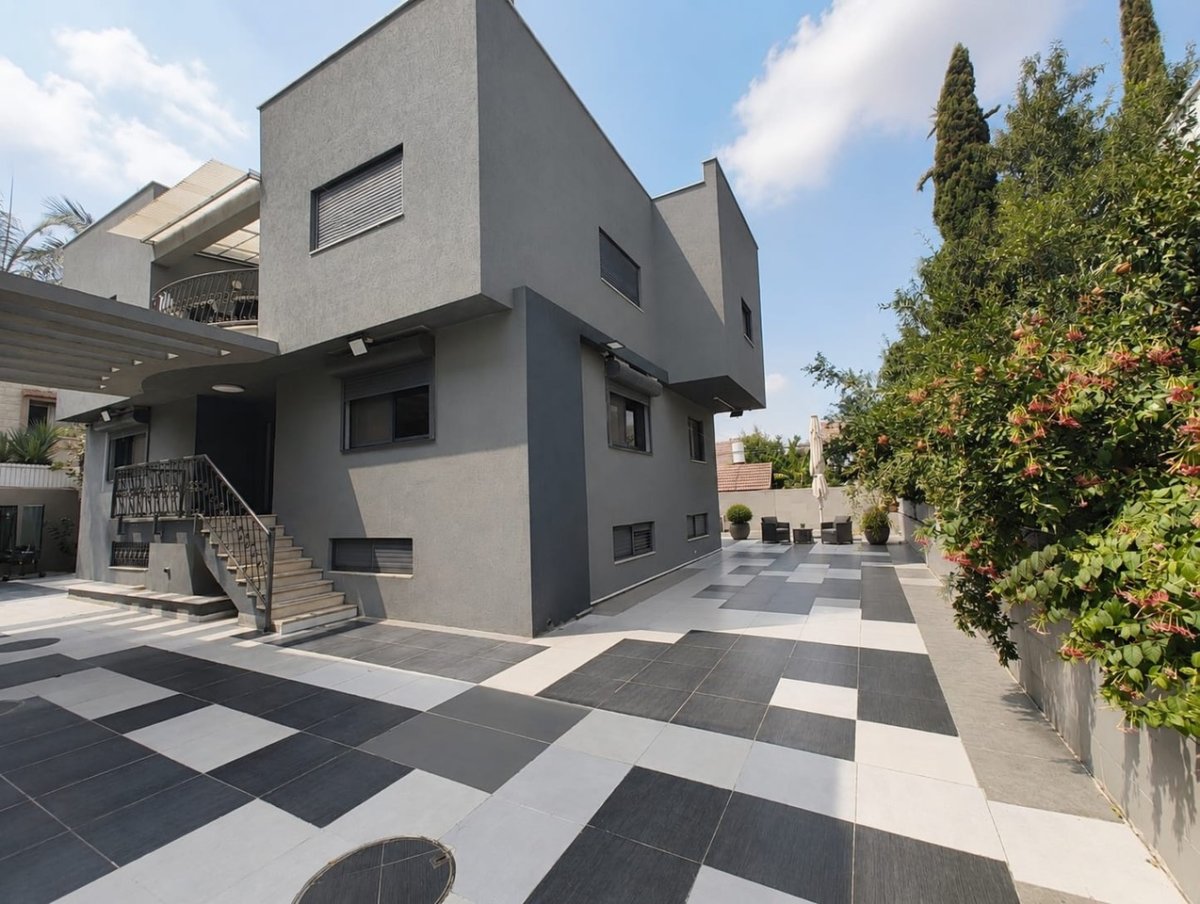
IsraClinic
احصلوا على تقييم طبي لـ العصاب في إسرائيل: استشيروا أطباء ذوي خبرة الآن
عرض جميع الأطباءMichael Krasnoshtein
رئيس وحدة التحفيز المغناطيسي المتكرر عبر الجمجمة في مركز سوراسكي الطبي – الدكتور كراسنوشتاين متخصص في العلاجات المبتكرة للعصاب.
- 27 سنة كطبيب نفسي أول في كبرى المستشفيات الإسرائيلية
- خبير في علاج اضطرابات القلق واضطراب ما بعد الصدمة (PTSD)
- يعمل مع وزارة الدفاع الإسرائيلية في حالات الصدمات
- عضو في الجمعية الإسرائيلية للطب النفسي
- أستاذ مساعد في جامعة تل أبيب
مشاركة المحتوى
قصص فيديو من مرضى Bookimed
 Anna Leonova
أسئلة متكررة حول علاج العصاب في إسرائيل
ما مدى أمان علاج العصاب في العيادات الإسرائيلية؟
يعد علاج العصاب في إسرائيل آمناً للغاية بفضل اللوائح الطبية الصارمة والتكنولوجيا المتقدمة. تمتلك مرافق مثل مركز سوراسكي الطبي اعتماد JCI لمعايير السلامة العالية. يستخدم المتخصصون أدوات غير جراحية مثل التحفيز المغناطيسي عبر الجمجمة العميق (dTMS) لتقليل المخاطر وضمان استقرار المريض.
- إشراف الخبراء: يقود الدكتور مايكل كراسنوشتاين وحدات متخصصة لعلاج التحفيز الدماغي.
- بروتوكولات مخصصة: تستخدم عيادات مثل IsraClinic علم النفس المريح (psychoergonomics) لتخصيص العلاج لكل مريض.
- المدة: تحقق البرامج المكثفة عادةً استقراراً سريعاً في غضون شهر إلى شهر ونصف.
- السرية: توفر المرافق الخاصة علاجاً دون تسجيل عام لحماية خصوصية المريض.
رؤية خبير Bookimed: تتميز الطب النفسي الإسرائيلي بأن كبار المتخصصين غالباً ما يشغلون أدواراً مزدوجة في البحث والممارسة. على سبيل المثال، يقود البعض وحدات متخصصة أثناء التدريس في جامعة تل أبيب. يضمن هذا الرابط المباشر بين الأوساط الأكاديمية والرعاية السريرية حصول المرضى على أحدث البروتوكولات المعتمدة علمياً والمتاحة.
إجماع المرضى: يلاحظ المرضى أن المعالجين الإسرائيليين يستخدمون نهجاً مباشراً يسرع من التقدم. يؤكد الكثيرون أن العثور على مقدمي خدمة يتحدثون الإنجليزية أمر سهل، لكنهم يقترحون الحجز قبل شهرين.
ما هي الخيارات العلاجية للعصاب المتوفرة في إسرائيل؟
توفر إسرائيل علاجات متقدمة للعصاب بما في ذلك العلاج السلوكي المعرفي (CBT)، والتحفيز المغناطيسي عبر الجمجمة العميق (TMS)، والعلاج النفسي المتخصص. تقدم مرافق مثل مركز سوراسكي الطبي ومركز إسرائيل كلينيك بروتوكولات مخصصة للقلق والصدمات. تدمج هذه المراكز الرعاية النفسية مع تقنيات التحفيز العصبي المبتكرة لضمان معدلات تعافي عالية.
- علاجات التعديل العصبي: يعالج التحفيز المغناطيسي العميق والعلاج بالصدمات الكهربائية الاكتئاب المقاوم للعلاج واضطراب الوسواس القهري.
- العلاج النفسي المتخصص: تحقق البروتوكولات الفردية القائمة على الهندسة النفسية نتائج إيجابية في غضون ستة أسابيع.
- الرعاية الموجهة نحو الصدمات: يعالج علاج EMDR والعلاج النفسي الديناميكي اضطراب ما بعد الصدمة والقلق المزمن.
- التدخلات البديلة: يشمل الدعم العلاج بمساعدة الخيول والأكسجين عالي الضغط للشفاء العصبي.
رؤية خبير Bookimed: بينما يبحث الكثيرون عن الطب النفسي العام، فإن أعلى معدلات النجاح للعصاب غالبًا ما تنطوي على وحدات متخصصة للغاية. يقود الدكتور مايكل كراسنوشتاين في مركز سوراسكي الطبي وحدة مخصصة للتحفيز المغناطيسي والعلاج بالصدمات الكهربائية. تظهر البيانات أن هذا النهج المركز أكثر فعالية للعصاب المقاوم للعلاج من الرعاية النفسية الواسعة وحدها. تقدم العيادات الخاصة الصغيرة مثل إسرائيل كلينيك نتائج أسرع، عادة في غضون 1.5 شهر، باستخدام الهندسة النفسية. تتكيف هذه الطريقة مع بيئة العلاج والجدول الزمني للإيقاعات البيولوجية الفريدة للمريض.
إجماع المرضى: يشير المرضى إلى أن
ما هي المدة النموذجية للإقامة في المستشفى أو العيادات الخارجية لعلاج العصاب؟
يتضمن علاج العصاب في إسرائيل عادةً رعاية خارجية تستمر من 4 إلى 12 أسبوعاً. أما الإقامة في المستشفى فهي مخصصة لحالات الاستقرار الحاد وتستمر عموماً ما بين 3 إلى 10 أيام. يمكن للبرامج المكثفة في العيادات الإسرائيلية المتخصصة تحقيق نتائج إيجابية في غضون 4 إلى 6 أسابيع باستخدام أساليب مصممة خصيصاً.
- الاستقرار الحاد: تستمر الرعاية الداخلية المكثفة لإدارة الأزمات من 3 إلى 10 أيام.
- البرامج قصيرة المدى: تتراوح مدة التنويم النفسي القياسي للعصاب عادةً بين 14 إلى 30 يوماً.
- الرعاية الخارجية المكثفة: تتطلب البرامج المنظمة عادةً من 8 إلى 12 أسبوعاً من جلسات العلاج المنتظمة.
- التعافي المتخصص: تبلغ عيادات مثل IsraClinic عن تحسن سريري كبير في غضون شهر إلى شهر ونصف.
رؤية خبير Bookimed: تُظهر البيانات الواردة من مرافق رائدة مثل مركز سوراسكي الطبي اتجاهاً نحو الانتقال السريع. غالباً ما ينتقل المرضى من الاستقرار المكثف إلى الرعاية الخارجية في غضون 5 أيام. يعطي هذا التحول الأولوية للتعافي القائم على المجتمع. تستخدم عيادات مثل IsraClinic علم النفس المريح (psychoergonomics) لتسريع هذه العملية بشكل أكبر. تركز هذه الأساليب على خصائص المريض الفردية لتقصير دورة العلاج الإجمالية.
إجماع المرضى: يشير المرضى إلى أن إسرائيل تفضل بيئات العيادات الخارجية والعيادات المجتمعية لعلاج العصاب. ويقترحون الجمع بين الأدوية والعلاج النفسي للشعور بالتحسن في غضون شهر إلى شهرين.
ما الذي يحدد الأهلية للقبول، وما هي وثائق ما قبل القبول المطلوبة؟
يتطلب القبول لعلاج العصاب في إسرائيل إحالة من طبيب نفسي تؤكد وجود ضعف وظيفي أو أعراض قلق حادة. يجب على المرضى تقديم بطاقة هوية صالحة، ووثائق التأمين الصحي، وتقرير طبي مفصل مع رموز تشخيص ICD محددة. تعتمد الأهلية السريرية على التقييم البدني والنفسي.
- الإحالة السريرية: يجب أن يقدم الطبيب النفسي خطاباً رسمياً يوضح تشخيص العصاب المحدد.
- وثائق الهوية: يحتاج المرضى إلى جواز سفر صالح أو Teudat Zehut لتسجيل المستشفى.
- التاريخ الطبي: تحاليل الدم الحديثة والتقييم النفسي الكامل إلزامية للقبول.
- موافقة التأمين: يحتاج المرضى الإسرائيليون إلى تصريح من Kupat Cholim أو Bituach Leumi للتغطية.
رؤية خبير Bookimed: تعطي المراكز النفسية الإسرائيلية مثل مركز سوراسكي الطبي الأولوية للمرضى بناءً على إلحاح العلاج والاحتياجات المتخصصة. تظهر البيانات أن العيادات غالباً ما تستخدم تقنيات متقدمة مثل التحفيز المغناطيسي عبر الجمجمة العميق (TMS) للحالات المقاومة. يدير الدكتور مايكل كراسنوشتاين في سوراسكي هذه الوحدات عالية التقنية بشكل خاص. يجب على المرضى الدوليين الحصول على نموذج موافقة مسبقة من وزارة الصحة لتجنب تأخير القبول أو رفضه.
إجماع المرضى: يشير المرضى إلى أنه من المهم ترجمة جميع السجلات الطبية إلى العبرية قبل الوصول. يقترح الكثيرون الحصول على إحالة من طبيب نفسي محلي لتسريع عملية الموافقة على العلاج المتخصص.
هل يتوفر مترجمون فوريون ومنسقون للمرضى الدوليين؟
توفر المراكز الطبية الإسرائيلية الكبرى أقساماً مخصصة للمرضى الدوليين لعلاج العصاب. توظف مرافق مثل مركز سوراسكي الطبي منسقين لترتيب جلسات مع معالجين متعددي اللغات. تقدم معظم المستشفيات ذات الكثافة العالية مترجمين فوريين محترفين باللغات الإنجليزية والروسية والعربية دون أي تكلفة على المرضى.
- دعم المنسقين: يدير المتخصصون إجراءات القبول وجلسات العلاج والخدمات اللوجستية الإدارية.
- توافر اللغات: تغطي خدمات الترجمة الاحترافية عشرات اللغات بما في ذلك الإنجليزية.
- الوصول عن بُعد: تقدم العديد من المرافق خدمات الترجمة الفورية عبر الهاتف أو مؤتمرات الفيديو على مدار الساعة طوال أيام الأسبوع.
- المطابقة المتخصصة: يقوم المنسقون بتوفيق المرضى مع معالجين يتقنون لغتهم الأم.
رؤية خبير Bookimed: توفر المستشفيات الإسرائيلية ذات الكثافة العالية، مثل سوراسكي الذي يعالج 400,000 مريض سنوياً، أقوى دعم ممكن. عادةً ما توفر هذه المؤسسات الكبيرة منسقين كخدمة قياسية. في المقابل، تركز العيادات الخاصة المتخصصة مثل IsraClinic على الأساليب النفسية الفردية للمجموعات الدولية. يجب على المرضى التأكد مما إذا كانت الترجمة مشمولة في جلسات العلاج في هذه المرافق الأصغر.
إجماع المرضى: يشير المرضى إلى أنه على الرغم من أن الموظفين غالباً ما يتحدثون الإنجليزية، إلا أن وجود منسق مخصص أمر حيوي. يذكر البعض أنه على الرغم من توفر مترجمين للاستشارات الأولية، فإن العلاج يتطلب دعماً لغوياً طويل الأمد.
ما الذي يمكن توقعه أثناء التعافي بعد العلاج في المنزل، وهل يتم تقديم متابعات عن بُعد؟
يركز التعافي بعد علاج العصاب في إسرائيل على الاستقرار النفسي وإعادة الاندماج التدريجي. يتوقع المرضى عادةً من أسبوع إلى 4 أسابيع من الإرهاق الذهني في المنزل مع ممارسة التدوين المكثف واليقظة الذهنية. تعد المتابعات عن بُعد عبر Zoom أو WhatsApp معيارًا في العيادات الإسرائيلية الهجينة لمدة تتراوح بين شهر وشهرين.
- مرحلة التعافي المبكرة: غالبًا ما تصل التقلبات العاطفية إلى ذروتها بين اليوم الثالث والسابع بعد العلاج.
- الروتين اليومي: يوصي الأخصائيون بروتين منخفض الضغط مثل المشي في الحدائق لمنع العزلة.
- الدعم التكنولوجي: تستخدم المراكز الرائدة مثل Sourasky بيانات التحفيز المغناطيسي المتكرر عبر الجمجمة (TMS).
- هيكل المتابعة: تتم المتابعات الافتراضية عادةً أسبوعيًا لمراقبة الأدوية واتجاهات الحالة المزاجية.
رؤية خبير Bookimed: توفر العيادات الخاصة الإسرائيلية موثوقية أكثر اتساقًا في الرعاية الصحية عن بُعد مقارنة بالمرافق العامة. بينما قد تواجه المواعيد العامة عن بُعد ازدحامًا في الجدولة، تعطي المراكز الخاصة مثل IsraClinic الأولوية للنتائج السريعة في غضون 4 إلى 6 أسابيع. يجب على المرضى تأكيد جدولهم الافتراضي أثناء القبول الأولي. وهذا يضمن حصولهم على 4 إلى 6 مواعيد محجوزة بمجرد عودتهم إلى المنزل. يشرف الدكتور مايكل كراسنوشتاين في Sourasky على بروتوكولات نفسية متقدمة تسد الفجوة بين الرعاية الشخصية والرعاية عن بُعد.
إجماع المرضى: يؤكد المرضى على أهمية خلق بيئة منزلية هادئة لمدة أسبوعين مع وجبات بسيطة ومناطق خالية من المثيرات. يقترحو
ما هي المراكز المرخصة والمتخصصون الذين يعتبرون مقدمي خدمات رائدين لعلاج العصاب في إسرائيل؟
تعالج إسرائيل العصاب من خلال مراكز مرخصة متخصصة في العلاج النفسي واضطرابات المزاج والحالات المرتبطة بالصدمات. تشمل المرافق الرائدة مستشفيات معتمدة من قبل اللجنة الدولية المشتركة (JCI) مثل مركز سوراسكي الطبي وعيادة إسرائيل (IsraClinic). يستخدم هؤلاء المزودون بروتوكولات متقدمة بما في ذلك التحفيز المغناطيسي عبر الجمجمة (TMS)، والعلاج بالصدمات الكهربائية (ECT)، وتقنيات العلاج السلوكي المعرفي المتخصصة.
- مركز سوراسكي الطبي: صُنف ضمن أفضل المستشفيات في العالم من قبل مجلة نيوزويك للرعاية النفسية المتقدمة.
- د. مايكل كراسنوشتاين: يقود وحدة التحفيز المغناطيسي عبر الجمجمة (TMS) في سوراسكي، وهو متخصص في القلق المقاوم للعلاج واضطراب ما بعد الصدمة.
- عيادة إسرائيل (IsraClinic): مركز خاص في تل أبيب يقدم أساليب نفسية مريحة فريدة للحصول على نتائج سريرية سريعة.
- مركز هداسا الطبي: رائد وطني في القدس متخصص في الاكتئاب المقاوم للعلاج والصدمات المعقدة.
رؤية خبير Bookimed: تُظهر الطب النفسي الإسرائيلي كفاءة فريدة في التعامل مع أعداد كبيرة من المرضى، حيث تعالج مراكز مثل سوراسكي أكثر من 400,000 مريض سنوياً. بينما توفر المستشفيات العامة موارد تشخيصية واسعة، تركز العيادات الخاصة مثل IsraClinic على الدورات المكثفة. تهدف هذه البروتوكولات الخاصة إلى تحقيق تحسن ملموس في غضون شهر إلى شهر ونصف من خلال أساليب مخصصة.
إجماع المرضى: يشير المرضى إلى أن بروتوكولات العصاب العامة في إسرائيل تضاهي المعايير الدولية بجزء بسيط من التكلفة. يؤكد الكثيرون على فعالية
لماذا تُعد إسرائيل واحدة من الوجهات الرائدة في جراحة الأعصاب؟
تُعدّ إسرائيل مركزًا رائدًا في جراحة الأعصاب بفضل مزيجها من التطورات الطبية عالية التقنية والخبرات الجراحية المتميزة. وتستخدم مرافق متطورة مثل مركز شيبا الطبي أنظمة ملاحة تعتمد على الذكاء الاصطناعي والتصوير بالرنين المغناطيسي أثناء الجراحة في الوقت الفعلي. وتشير المراكز المتخصصة إلى نسبة نجاح تصل إلى 98% في العمليات الجراحية المعقدة، بما في ذلك جراحة الدماغ مع اليقظة وعلاج اضطرابات الحركة.
- التكنولوجيا المتقدمة: تستخدم العيادات الموجات فوق الصوتية المركزة الموجهة بالرنين المغناطيسي (MRgFUS) والأنظمة الروبوتية لإجراء الشقوق.
- الخبرة الجراحية: يقود جراحون مثل الدكتور تسفي رام جمعيات دولية بخبرة تزيد عن 25 عامًا.
- الوصول السريع: يمكن للمرضى الدوليين عادةً تحديد مواعيد لإجراء عمليات جراحية معقدة في الدماغ أو العمود الفقري في غضون 2-4 أسابيع.
- الرعاية الطبية المعتمدة: المراكز الكبيرة مثل سوراسكي (إيشيلوف) وأسوتا معتمدة من قبل اللجنة الدولية المشتركة، مما يؤكد سلامتها.
رأي خبراء بوكيمد: تُظهر البيانات فرقًا واضحًا بين خيارات العلاج في القطاعين العام والخاص في إسرائيل. تُجري المراكز الخاصة، مثل مركز أسوتا الطبي، أكثر من 92,000 عملية جراحية سنويًا، وتتيح للمرضى اختيار جراح را
ما هي أنواع الأمراض العصبية التي يتم علاجها في إسرائيل؟
يعالج جراحو الأعصاب الإسرائيليون طيفاً واسعاً من الحالات، بدءاً من أورام الدماغ والحبل الشوكي وصولاً إلى الاضطرابات الوظيفية المعقدة. وتستخدم المراكز المتخصصة أحدث التقنيات، مثل جهاز جاما نايف، والتحفيز العميق للدماغ، والتصوير بالرنين المغناطيسي أثناء الجراحة، لتشخيص دقيق للغاية لحالات الصرع، ومرض باركنسون، وأمراض الأوعية الدموية الدماغية.
- الأمراض السرطانية: علاج الأورام الدبقية والأورام السحائية وأورام الغدة النخامية باستخدام استئصال قاعدة الجمجمة.
- الاضطرابات الوظيفية: علاج مرض باركنسون والرعاش الأساسي باستخدام التحفيز العميق للدماغ.
- أمراض العمود الفقري: تصحيح الجنف، وانزلاق الغضروف، وأورام العمود الفقري باستخدام الأنظمة الروبوتية.
- علاج أمراض الأوعية الدموية الدماغية: العلاج الجراحي لتمدد الأوعية الدموية الدماغية والتشوهات الشريانية الوريدية باستخدام التدخلات داخل الأوعية الدموية.
- جراحة الأعصاب للأطفال: رعاية متخصصة لاستسقاء الرأس والتشوهات الخلقية في مراكز طب الأطفال المتخصصة.
رأي خبراء بوكيمد: غالبًا ما تجمع المستشفيات الإسرائيلية بين تخصصات طبية متعددة لمعالجة الحالات المعقدة. ففي مركز سوراسكي ا
ما هي المستشفيات في إسرائيل التي تشتهر بأقسام جراحة الأعصاب فيها؟
تضم إسرائيل مراكز جراحة أعصاب عالمية المستوى، مثل مركز سوراسكي الطبي، ومركز شيبا الطبي، ومركز هداسا الطبي. وتُعدّ هذه المؤسسات رائدة عالميًا في علاج أورام الدماغ المعقدة، وأمراض العمود الفقري، واضطرابات الحركة. وتستخدم أحدث التقنيات، مثل جهاز جاما نايف، والأنظمة الروبوتية، والتصوير بالرنين المغناطيسي أثناء الجراحة.
- سوراسكي (إيخيلوف): يجري أكثر من 2500 عملية جراحية عصبية سنوياً في تل أبيب بنسبة نجاح تبلغ 98%.
- مركز شيبا الطبي: مصنف ضمن أفضل عشرة مستشفيات في العالم، حيث يعالج 1.9 مليون مريض سنوياً.
- مركز هداسا الطبي: مرشح لجائزة نوبل للسلام. رائد في جراحة الأعصاب للأطفال والعلاج الجيني.
- مركز أسوتا الطبي: أكبر منشأة طبية خاصة في إسرائيل. متخصص في جراحات العمود الفقري والدماغ طفيفة التوغل.
- مستشفى شنايدر للأطفال: مركز رائد في جراحة الأعصاب للأطفال، يعالج 275000 طفل سنوياً.
رأي خبراء بوكيمد: تُظهر بياناتنا أنه بينما يلجأ معظم المرضى للعلاج في تل أبيب، يُقدّم مركز رامبام الطبي في حيفا رعايةً فريدةً لإصابات الدماغ. فهو يضم وحدةً متخصصةً للعناية المركزة العصبية تُعالج ما يقارب مليون مريض سنويًا. وهذا ما يجعله