علاج فقدان الشهية في إسرائيل: 3 مستشفيات


تمت مراجعة المقالة طبيا من قبل
فهد مولود
ما هي تكلفة فقدان الشهية إجراءات التشخيص والعلاج في إسرائيل؟ اعرف الآن
مزاياك وضماناتك مع Bookimed
أسعار مباشرة
Bookimed لا يضيف رسوماً إضافية على أسعار علاج فقدان الشهية. الأسعار مأخوذة من قوائم الأسعار الرسمية للعيادات. تدفع مباشرة في العيادة مقابل علاجك عند وصولك إلى البلد.
عيادات وأطباء معتمدون فقط
Bookimed ملتزم بسلامتك. نحن نعمل فقط مع المؤسسات الطبية التي تحافظ على معايير دولية عالية في علاج فقدان الشهية ولديها التراخيص اللازمة لخدمة المرضى الدوليين في جميع أنحاء العالم.
مساعدة مجانية على مدار الساعة
Bookimed يقدم مساعدة خبراء مجانية. منسق طبي شخصي يدعمك قبل وأثناء وبعد العلاج، ويحل أي مشاكل. لن تكون وحيداً أبداً في رحلة علاج فقدان الشهية.

منسقك الطبي الشخصي في Bookimed
- يدعمك في كل مرحلة
- المساعدة في اختيار العيادة الطبية المناسبة والطبيب المناسب
- يضمن الوصول السريع والمريح إلى المعلومات
اكتشف أفضل فقدان الشهية العيادات في إسرائيل: 3 خيارات معتمدة والأسعار
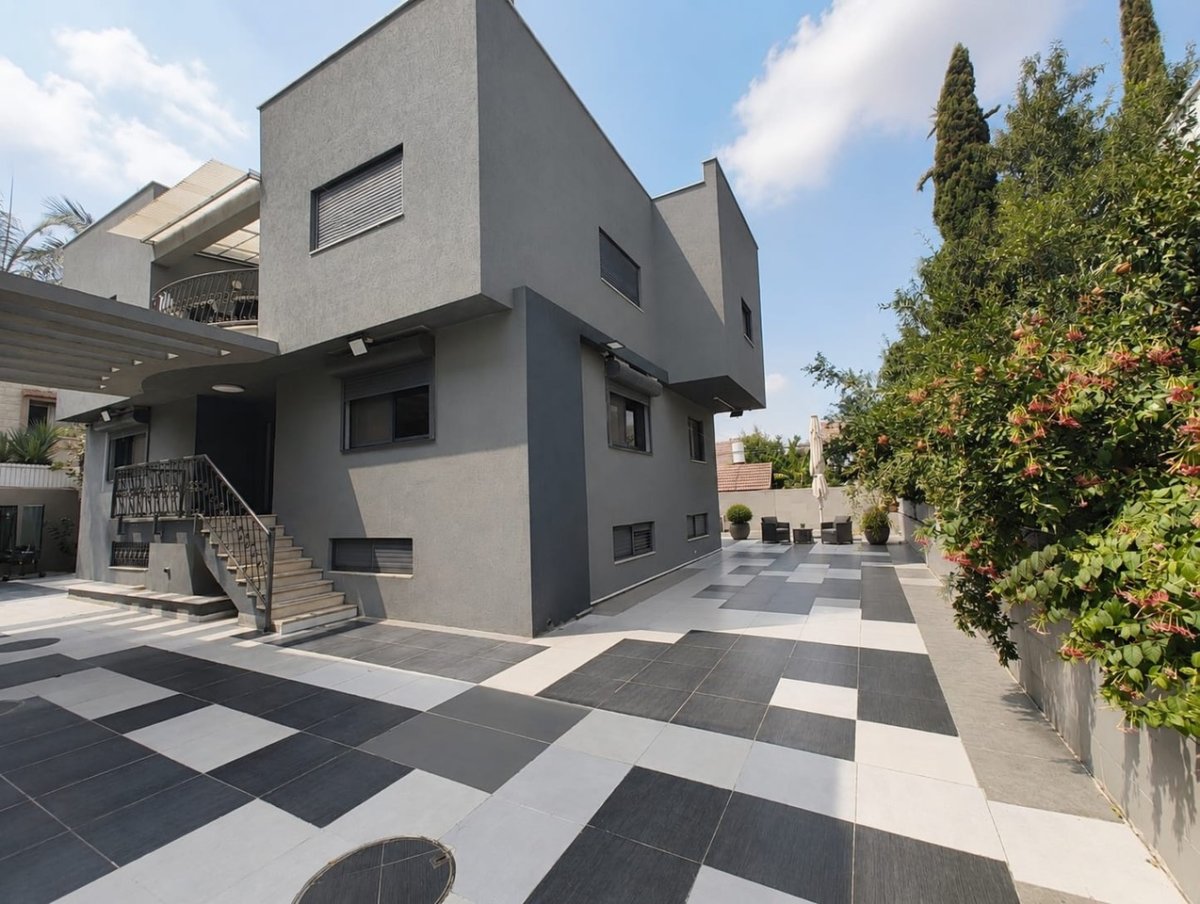


احصلوا على تقييم طبي لـ فقدان الشهية في إسرائيل: استشيروا أطباء ذوي خبرة الآن
عرض جميع الأطباء
Bella Gamliel
يتخصص المعالج النفسي في علاج الإدمان، والاضطرابات العاطفية، والصدمات، والصعوبات السلوكية. يحمل درجة الماجستير في العلوم في العلاج النفسي المعرفي السلوكي من جامعة ديربي، ويستخدم الطبيب أساليب قائمة على الأدلة بما في ذلك العلاج المعرفي السلوكي (CBT)، وعلاج المخططات، والعلاج الجدلي السلوكي (DBT)، والتدخلات التي تركز على الصدمات. تغطي الخبرة السريرية اضطرابات تعاطي المخدرات، والإدمان السلوكي، والقلق، والاكتئاب، والتشخيص المزدوج.
بفضل خبرته الواسعة في التدخل في الأزمات، والاستقرار، وإعادة ال

Michael Krasnoshtein
يرأس الدكتور مايكل كراسنوشتاين وحدة التحفيز المغناطيسي المتكرر عبر الجمجمة في مركز سوراسكي الطبي، وهو متخصص في الحالات النفسية المعقدة.
- أكثر من _doctor_1878_عاماً_ من الخبرة في علاج الاضطرابات العاطفية واضطرابات القلق
- يعمل مع وزارة الدفاع الإسرائيلية في حالات الصدمات
- عضو في الجمعية النفسية الإسرائيلية ومعهد EMDR
- يدرس الطب النفسي في جامعة تل أبيب
مشاركة المحتوى
قصص فيديو من مرضى Bookimed
 Anna Leonova
أسئلة متكررة حول علاج فقدان الشهية في إسرائيل
كيف أعرف ما إذا كان فقدان الشهية لدي حادًا بما يكفي للحاجة إلى علاج احترافي في إسرائيل؟
العلاج الاحترافي ضروري إذا تسبب فقدان الشهية في عدم استقرار جسدي، أو أفكار وسواسية، أو عدم القدرة على إدارة الذات. يأخذ التقييم في إسرائيل في الاعتبار معدل ضربات القلب، ومستويات الإلكتروليت، والتأثير على الصحة العقلية. توفر العيادات المتخصصة مثل IsraClinic رعاية نفسية متخصصة لتحقيق استقرار المرضى ومعالجة الأسباب النفسية الكامنة.
- المؤشرات الجسدية: اطلب التقييم إذا انخفض معدل ضربات القلب أثناء الراحة عن 50 نبضة في الدقيقة.
- علامات الخطر المخبرية: تتطلب مستويات الإلكتروليت أو الجلوكوز غير الطبيعية تدخلًا طبيًا احترافيًا فوريًا.
- محفزات الصحة العقلية: العلاج حيوي إذا كانت طقوس الطعام تستهلك أكثر من 4 ساعات يوميًا.
- نوبات الإغماء: تشير نوبات الإغماء أو الدوار الشديد إلى مخاطر صحية حرجة تتطلب الاستقرار.
رؤية خبير Bookimed: غالبًا ما تؤكد الطب النفسي الإسرائيلي على علم النفس المريح (psychoergonomics) لتسريع التعافي في غضون شهر إلى شهر ونصف. تستخدم عيادات مثل IsraClinic هذه المبادئ لتصميم طرق فردية لتحقيق استقرار سريع. يساعد هذا النهج المنظم المرضى الذين فشلوا في العلاج الخارجي التقليدي على رؤية النتائج بشكل أسرع بكثير من البرامج القياسية. يضمن اختيار عيادة متكاملة علاج الأعراض الجسدية والعقلية في وقت واحد.
إجماع المرضى: يلاحظ المرضى أن الشعور بعدم المرض الكافي هو عائق شائع أمام طلب المساعدة. يؤكد الكثيرون أن انتظار انخفاض وزن الجسم أمر خطير لأن خفقان القلب أو الإغماء يحدث غالبًا قبل الوصول إلى مؤشر كتلة جسم معين.
ما هي العلاجات القائمة على الأدلة والمعتمدة لفقدان الشهية في البرامج الإسرائيلية؟
يركز علاج فقدان الشهية في إسرائيل على العلاج القائم على الأسرة (FBT) للمراهقين والعلاج السلوكي المعرفي (CBT) للبالغين. غالبًا ما تدمج البرامج الإسرائيلية بين الاستشارات الغذائية والنهج البيولوجي. تستخدم الوحدات النفسية المتقدمة، مثل تلك الموجودة في تل أبيب، التحفيز المغناطيسي عبر الجمجمة العميق (dTMS) للحالات المقاومة للعلاج.
- العلاج القياسي: تعطي البرامج الأولوية للبروتوكولات القائمة على الأدلة مثل العلاج السلوكي المعرفي (CBT) والعلاج القائم على الأسرة (FBT).
- تعديل الأعصاب: تستخدم وحدات متخصصة مثل "سوراسكي" تقنية dTMS للاضطرابات العاطفية المعقدة.
- أهداف العلاج: تؤكد البروتوكولات على استعادة الوزن السريعة والتثقيف الغذائي المتخصص.
- نموذج الرعاية: تستخدم عيادات مثل "إسرائيل كلينيك" (IsraClinic) علم النفس المريح (psychoergonomics) الفردي لإدارة الأعراض النفسية.
رؤية خبير Bookimed: تسد الطب النفسي الإسرائيلي الفجوة بين العلاج بالكلام التقليدي والتدخل البيولوجي. يتخصص الدكتور مايكل كراسنوشتاين في "سوراسكي" في تقنية dTMS، وهي أداة غير جراحية تُستخدم غالبًا عندما تتوقف الاستشارات القياسية عن تحقيق نتائج. هذا التركيز التكنولوجي هو سمة مميزة لعيادات تل أبيب. يستفيد المرضى من نهج مزدوج يعالج كيمياء الدماغ وأنماط السلوك في آن واحد.
إجماع المرضى: يشير المرضى إلى أن البرامج الإسرائيلية غالبًا ما تجمع بين الرعاية النفسية داخل مراكز طبية أوسع. يؤكد الكثيرون على أهمية التأكد من أن فريقك يضم أخصائي تغذية مخصصًا إلى جانب طبيب نفسي ل
كيف يبدو يوم التنويم المعتاد في المستشفيات الإسرائيلية الكبرى؟
تتبع أيام التنويم في المستشفيات الإسرائيلية الكبرى روتينًا منظمًا يركز على المراقبة السريرية ومشاركة الأسرة. تبدأ الدورات القياسية بجولات طبية وفحوصات العلامات الحيوية في الساعة 6:30 صباحًا. تعطي مرافق مثل مركز سوراسكي الطبي ومركز ريوث لإعادة التأهيل الأولوية للتدخلات المبكرة، بما في ذلك العلاج الطبيعي والجلسات السلوكية خلال ساعات النهار.
- الروتين الصباحي: يقوم الأطباء بإجراء جولات من الساعة 7:00 صباحًا حتى 10:00 صباحًا لاستشارات المرضى.
- جدول الوجبات: يتم تقديم وجبات خاضعة للإشراف يوميًا في الساعة 7:30 صباحًا، و12:00 ظهرًا، و5:30 مساءً.
- جلسات العلاج: تشمل فترات منتصف النهار العلاج الوظيفي، أو إعادة التأهيل البدني، أو الجلسات الجماعية النفسية.
- حضور الأسرة: تصل ساعات الزيارة إلى ذروتها في المساء حيث يساعد أفراد الأسرة في الرعاية الأساسية.
رؤية خبير Bookimed: بينما تدير المراكز التخصصية الكبيرة مثل مركز سوراسكي الطبي أعدادًا كبيرة من المرضى، تقدم مرافق متخصصة مثل IsraClinic بروتوكولات مكثفة لمدة شهر واحد. تظهر البيانات أن العيادات المتخصصة غالبًا ما تستخدم علم النفس المريح لخلق بيئات أكثر هدوءًا من الأجنحة العامة المزدحمة. يجب على المرضى الذين يبحثون عن خبرة نفسية محددة البحث عن وحدات يقودها متخصصون مثل الدكتور مايكل كراسنوشتاين، الذي يرأس وحدات التعديل العصبي المتقدمة.
إجماع المرضى: يلاحظ المرضى أن عمليات الوزن في الصباح الباكر تتم بشكل خاص لتقليل التوتر. يجد الكثيرون أن خطط الوجبات الخاضعة للإشراف والعقود السلوكية
ما هي المدة المعتادة للإقامة في المستشفى وكيف يتم اتخاذ قرار الخروج؟
يستمر علاج فقدان الشهية للمرضى الداخليين في إسرائيل عادةً من 4 إلى 12 أسبوعًا لتحقيق الاستقرار. قد تتطلب الحالات الشديدة من 3 إلى 6 أشهر من الرعاية. يقرر الأطباء الخروج بمجرد وصول المريض إلى علامات حيوية مستقرة ومؤشر كتلة جسم صحي. كما يلزم أيضًا الاتساق في تناول الطعام دون سلوكيات تعويضية.
- مدة القبول: يتطلب استعادة الوزن الأولية عادةً ما لا يقل عن 8 أسابيع من رعاية المرضى الداخليين.
- الاستقرار السريري: يتطلب الخروج معدل ضربات قلب فوق 50 نبضة في الدقيقة ومستويات إلكتروليت طبيعية.
- أهداف الوزن: يجب على المرضى عادةً الوصول إلى مؤشر كتلة جسم يبلغ 18.5 أو أعلى.
- الاستعداد الوظيفي: يعتمد الاستعداد على إنهاء الوجبات بشكل مستقل وإظهار تقدم نفسي ثابت.
رؤية خبير Bookimed: تركز العيادات الإسرائيلية مثل IsraClinic على برامج مكثفة تظهر نتائج في غضون 1.5 شهر. تشير بياناتنا إلى أن المراكز المتخصصة التي تضم عددًا أقل من الأسرة، مثل مركز Reuth لإعادة التأهيل الذي يضم 360 سريرًا، توفر مراقبة أكثر تخصيصًا. غالبًا ما يساعد هذا المستوى من الاهتمام المرضى على الوصول إلى معالم الاستقرار البدني بشكل أسرع مما هو عليه في المستشفيات العامة الضخمة.
إجماع المرضى: يشير المرضى إلى أن الامتيازات مثل استخدام الهاتف تعتمد غالبًا على تحقيق أهداف الوزن اليومية. يؤكد الكثيرون أن وجود خطة قوية للرعاية الخارجية أمر حيوي لمنع الانتكاس بعد مغادرة العيادة.
ما هي الأسئلة التي يجب أن أطرحها على مقدم خدمة اضطرابات الأكل الإسرائيلي المحتمل قبل الالتزام؟
استفسر عن تكوين الفريق متعدد التخصصات. يجب أن يشمل أخصائي تغذية لاضطرابات الأكل، ومعالجاً متخصصاً، وطبيباً نفسياً. اسأل عن بروتوكولات إعادة التغذية المحددة للمرضى الذين يعانون من انخفاض مؤشر كتلة الجسم. تأكد من استخدامهم لطرق قائمة على الأدلة مثل العلاج الأسري أو العلاج السلوكي المعرفي.
- تكامل الفريق: اسأل عن عدد مرات تعاون أخصائي التغذية والطبيب النفسي في الرعاية.
- سلامة إعادة التغذية: اطلب معرفة وتيرة استعادة الوزن والبروتوكولات لمنع متلازمة إعادة التغذية.
- الفلسفة السريرية: تحقق مما إذا كانوا يستخدمون العلاج الأسري أو بروتوكولات متخصصة للبالغين.
- بيانات طويلة المدى: طالب بمعدلات انتكاس موثقة لمدة عام واحد قبل الالتزام بمركز ما.
رؤية خبير Bookimed: غالباً ما تظهر العيادات الإسرائيلية مثل IsraClinic نتائج إيجابية قابلة للقياس في غضون 45 يوماً. ابحث عن مرافق تتمتع بخبرة تزيد عن 50 عاماً مثل مركز Reuth لإعادة التأهيل. غالباً ما توفر المراكز ذات الحجم الكبير أقساماً للأطفال أكثر قوة والعديد من المتخصصين شبه الطبيين. هذا العمق في الموظفين أمر بالغ الأهمية لحالات فقدان الشهية المعقدة التي تتطلب إشرافاً مستمراً.
إجماع المرضى: يوصي المرضى بالتحقق من وجود موظفين ثنائيي اللغة وبرامج تحترم ديناميكيات الأسرة الإسرائيلية. يقترحون طلب جلسة تجريبية للتحقق مما إذا كانت بيئة العلاج تبدو داعمة.
كيف يتم التعامل مع القوانين الغذائية الكوشر أثناء إعادة التغذية وعلاج التعرض؟
تدمج مراكز اضطرابات الأكل الإسرائيلية الكاشروت من خلال مواءمة البروتوكولات الطبية مع الشريعة الدينية. توفر المرافق فصلاً بين منتجات الألبان واللحوم مع استخدام مكملات معتمدة كوشر لاستعادة الوزن. يستخدم علاج التعرض أطعمة مخيفة معتمدة كوشر وتوجيهات حاخامية للتمييز بين الممارسة الدينية والقيود الغذائية الناتجة عن الاضطراب.
- التغذية المعتمدة: تستخدم إعادة التغذية مخفوقات ومكونات خاضعة للإشراف ومعتمدة من قبل السلطات الحاخامية.
- معايير المطبخ: تحافظ مرافق مثل مركز ريوث لإعادة التأهيل على فصل صارم لأدوات الطهي.
- الإطار السريري: يوضح العلاج الاختلافات بين القيود الغذائية الدينية والتجنب الناجم عن المرض.
- بروتوكولات التعرض: يواجه المرضى الأطعمة المخيفة باستخدام عناصر معتمدة من بائعي الكوشر المحليين.
رؤية خبير Bookimed: تعمل مراكز إعادة التأهيل الإسرائيلية بأحجام كبيرة، حيث تستقبل أكثر من 1500 مريض سنوياً في المرافق الرئيسية. يضمن هذا النطاق السريري أن أخصائيي التغذية المتخصصين يتمتعون بمهارة فريدة في إدارة فترات الانتظار لمدة ست ساعات بين اللحوم والألبان. وغالباً ما يستخدمون مخفوقات الألبان عالية السعرات الحرارية قبل وجبات اللحوم لزيادة السعرات الحرارية اليومية دون انتهاك الهالاخاه.
إجماع المرضى: يلاحظ المرضى أن وجود ماشجياح في الموقع أو ملصقات كوشر مرئية يقلل من القلق أثناء الوجبات. ويؤكد الكثيرون أن إشراك المستشارين الدينيين يساعدهم على قبول الأطعمة عالية السعرات الحرارية كجزء من عملية الشفاء.
كيف يتم إشراك الأسرة في برامج علاج فقدان الشهية الإسرائيلية وما المتوقع منهم؟
تدمج برامج علاج فقدان الشهية الإسرائيلية العائلات كشركاء أساسيين في العلاج من خلال العلاج القائم على الأسرة (FBT). يقود الآباء مرحلة التأهيل الغذائي تحت إشراف سريري لاستعادة وزن المريض. يجب على العائلات حضور جلسات تثقيف نفسي مكثفة وعلاج يومي لمعالجة المحفزات الجهازية داخل البيئة المنزلية.
- الإشراف على الوجبات: يشارك الآباء في قيادة جلسات إعادة التغذية لضمان الالتزام الصارم بالخطط الغذائية.
- الالتزام بالمدة: توفر العائلات غالبًا تواجدًا بدوام كامل لمدة تتراوح بين 4 إلى 6 أسابيع للعلاج.
- الجلسات الإلزامية: تتطلب البرامج 10 وحدات أو أكثر من التثقيف النفسي لفهم ديناميكيات اضطرابات الأكل.
- مشاركة الأشقاء: قد ينضم الأشقاء إلى الجلسات لتحديد المحفزات ودعم أهداف التعافي طويلة المدى.
رؤية خبير Bookimed: يؤكد المتخصصون الإسرائيليون مثل الدكتور مايكل كراسنوشتاين أن التعافي الناجح يعتمد على وحدات نفسية متخصصة داخل مراكز طبية أكبر. غالبًا ما تستخدم هذه البرامج أساليب فردية تظهر نتائج في غضون 45 يومًا. تستخدم عيادات مثل IsraClinic في تل أبيب علم النفس المريح (psychoergonomics) لمساعدة العائلات الدولية على التكيف مع الجدول الزمني عالي الكثافة لنهج مودسلي.
إجماع المرضى: تشير العائلات إلى أن البقاء في الموقع لأسابيع أمر متطلب ويتطلب نوبات عمل دورية لمنع الإرهاق. يسلط الآباء الضوء على صرامة العقود التي تفرض تسجيل كل وجبة وحظر الطعام الخارجي للحفاظ على سلامة البرنامج.
لماذا تُعد إسرائيل واحدة من الوجهات الرائدة في جراحة الأعصاب؟
تُعدّ إسرائيل مركزًا رائدًا في جراحة الأعصاب بفضل مزيجها من التطورات الطبية عالية التقنية والخبرات الجراحية المتميزة. وتستخدم مرافق متطورة مثل مركز شيبا الطبي أنظمة ملاحة تعتمد على الذكاء الاصطناعي والتصوير بالرنين المغناطيسي أثناء الجراحة في الوقت الفعلي. وتشير المراكز المتخصصة إلى نسبة نجاح تصل إلى 98% في العمليات الجراحية المعقدة، بما في ذلك جراحة الدماغ مع اليقظة وعلاج اضطرابات الحركة.
- التكنولوجيا المتقدمة: تستخدم العيادات الموجات فوق الصوتية المركزة الموجهة بالرنين المغناطيسي (MRgFUS) والأنظمة الروبوتية لإجراء الشقوق.
- الخبرة الجراحية: يقود جراحون مثل الدكتور تسفي رام جمعيات دولية بخبرة تزيد عن 25 عامًا.
- الوصول السريع: يمكن للمرضى الدوليين عادةً تحديد مواعيد لإجراء عمليات جراحية معقدة في الدماغ أو العمود الفقري في غضون 2-4 أسابيع.
- الرعاية الطبية المعتمدة: المراكز الكبيرة مثل سوراسكي (إيشيلوف) وأسوتا معتمدة من قبل اللجنة الدولية المشتركة، مما يؤكد سلامتها.
رأي خبراء بوكيمد: تُظهر البيانات فرقًا واضحًا بين خيارات العلاج في القطاعين العام والخاص في إسرائيل. تُجري المراكز الخاصة، مثل مركز أسوتا الطبي، أكثر من 92,000 عملية جراحية سنويًا، وتتيح للمرضى اختيار جراح را
ما هي أنواع الأمراض العصبية التي يتم علاجها في إسرائيل؟
يعالج جراحو الأعصاب الإسرائيليون طيفاً واسعاً من الحالات، بدءاً من أورام الدماغ والحبل الشوكي وصولاً إلى الاضطرابات الوظيفية المعقدة. وتستخدم المراكز المتخصصة أحدث التقنيات، مثل جهاز جاما نايف، والتحفيز العميق للدماغ، والتصوير بالرنين المغناطيسي أثناء الجراحة، لتشخيص دقيق للغاية لحالات الصرع، ومرض باركنسون، وأمراض الأوعية الدموية الدماغية.
- الأمراض السرطانية: علاج الأورام الدبقية والأورام السحائية وأورام الغدة النخامية باستخدام استئصال قاعدة الجمجمة.
- الاضطرابات الوظيفية: علاج مرض باركنسون والرعاش الأساسي باستخدام التحفيز العميق للدماغ.
- أمراض العمود الفقري: تصحيح الجنف، وانزلاق الغضروف، وأورام العمود الفقري باستخدام الأنظمة الروبوتية.
- علاج أمراض الأوعية الدموية الدماغية: العلاج الجراحي لتمدد الأوعية الدموية الدماغية والتشوهات الشريانية الوريدية باستخدام التدخلات داخل الأوعية الدموية.
- جراحة الأعصاب للأطفال: رعاية متخصصة لاستسقاء الرأس والتشوهات الخلقية في مراكز طب الأطفال المتخصصة.
رأي خبراء بوكيمد: غالبًا ما تجمع المستشفيات الإسرائيلية بين تخصصات طبية متعددة لمعالجة الحالات المعقدة. ففي مركز سوراسكي ا
ما هي المستشفيات في إسرائيل التي تشتهر بأقسام جراحة الأعصاب فيها؟
تضم إسرائيل مراكز جراحة أعصاب عالمية المستوى، مثل مركز سوراسكي الطبي، ومركز شيبا الطبي، ومركز هداسا الطبي. وتُعدّ هذه المؤسسات رائدة عالميًا في علاج أورام الدماغ المعقدة، وأمراض العمود الفقري، واضطرابات الحركة. وتستخدم أحدث التقنيات، مثل جهاز جاما نايف، والأنظمة الروبوتية، والتصوير بالرنين المغناطيسي أثناء الجراحة.
- سوراسكي (إيخيلوف): يجري أكثر من 2500 عملية جراحية عصبية سنوياً في تل أبيب بنسبة نجاح تبلغ 98%.
- مركز شيبا الطبي: مصنف ضمن أفضل عشرة مستشفيات في العالم، حيث يعالج 1.9 مليون مريض سنوياً.
- مركز هداسا الطبي: مرشح لجائزة نوبل للسلام. رائد في جراحة الأعصاب للأطفال والعلاج الجيني.
- مركز أسوتا الطبي: أكبر منشأة طبية خاصة في إسرائيل. متخصص في جراحات العمود الفقري والدماغ طفيفة التوغل.
- مستشفى شنايدر للأطفال: مركز رائد في جراحة الأعصاب للأطفال، يعالج 275000 طفل سنوياً.
رأي خبراء بوكيمد: تُظهر بياناتنا أنه بينما يلجأ معظم المرضى للعلاج في تل أبيب، يُقدّم مركز رامبام الطبي في حيفا رعايةً فريدةً لإصابات الدماغ. فهو يضم وحدةً متخصصةً للعناية المركزة العصبية تُعالج ما يقارب مليون مريض سنويًا. وهذا ما يجعله