العودة إلى الصفحة الرئيسية
820К+ مريضًا حصلوا على المساعدة منذ عام 2014
50 دول
1,500 عيادات
6K+ تقييمات
3K+ طبيب مؤهل

ما هي تكلفة الطب النفسي في الصين؟ اكتشف الآن

Psychiatry in China typically costs from $9,200 up to $21,300. Final expenses depend on the facility type, such as public hospitals or international clinics, the duration of inpatient care, and the specific therapeutic approach required. Patients can often find 40-70% savings compared to the United States.

Typical Psychiatry Costs in China

  • Brain MRI: $500 – $700
  • Alcoholism treatment: $5,800 – $19,000
  • Autism treatment: $4,800 – $13,500
  • Psychotherapy: $300 – $600
  • Treatment of schizophrenia in adults: $8,500 – $23,000
  • Treatment for children and teens with schizophrenia: $8,800 – $22,000

Major psychiatric services are concentrated in Shanghai and Beijing, where international-standard care is readily available. Private clinics in these hubs often have higher rates than public facilities in smaller cities. Consult with a specialist to get accurate pricing for your specific needs.

الصينتركياإسبانيا
علاج مرض التوحدمن $4,800من $2,000من $3,000
علاج الفصام عند البالغينمن $8,500من $2,000من $4,000
علاج الأطفال والمراهقين الذين يعانون من مرض انفصام الشخصيةمن $8,800من $3,200من $9,000
علاج إدمان الكحولمن $5,800من $2,500من $3,500
العلاج النفسيمن $300من $150من $100
تم التحقق من البيانات بواسطة Bookimed اعتبارًا من June 2026، استنادًا إلى طلبات المرضى والعروض الرسمية من 3 عيادة حول العالم. تستند التكاليف المتوسطة إلى الفواتير الحقيقية (2025–2026) ويتم تحديثها شهريًا. قد تختلف الأسعار الفعلية.

جميع أمراض الطب النفسي

مزاياك وضماناتك مع Bookimed

أسعار مباشرة

Bookimed لا يضيف رسوماً إضافية على أسعار علاج الطب النفسي. الأسعار مأخوذة من قوائم الأسعار الرسمية للعيادات. تدفع مباشرة في العيادة مقابل علاجك عند وصولك إلى البلد.

عيادات وأطباء معتمدون فقط

Bookimed ملتزم بسلامتك. نحن نعمل فقط مع المؤسسات الطبية التي تحافظ على معايير دولية عالية في علاج الطب النفسي ولديها التراخيص اللازمة لخدمة المرضى الدوليين في جميع أنحاء العالم.

مساعدة مجانية على مدار الساعة

Bookimed يقدم مساعدة خبراء مجانية. منسق طبي شخصي يدعمك قبل وأثناء وبعد العلاج، ويحل أي مشاكل. لن تكون وحيداً أبداً في رحلة علاج الطب النفسي.

لماذا نحن؟

منسقك الطبي الشخصي في Bookimed

  • يدعمك في كل مرحلة
  • المساعدة في اختيار العيادة الطبية المناسبة والطبيب المناسب
  • يضمن الوصول السريع والمريح إلى المعلومات

اكتشف أفضل عيادات الطب النفسي: 3 خيارات معتمدة والأسعار

تم تصنيف العيادات بواسطة نظام Bookimed الذكي، باستخدام تحليل علوم البيانات عبر 5 معايير رئيسية.
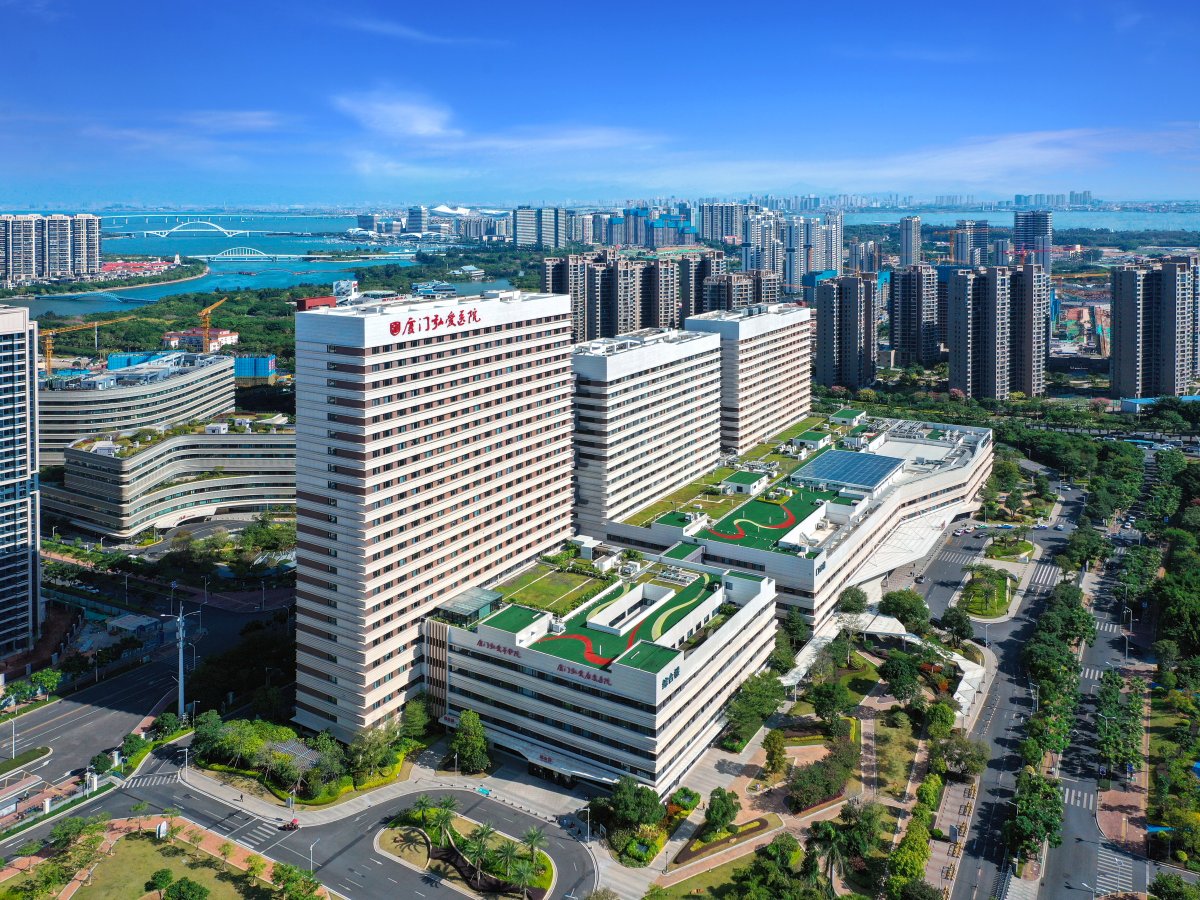
مستشفى شيامن هيومانيتي
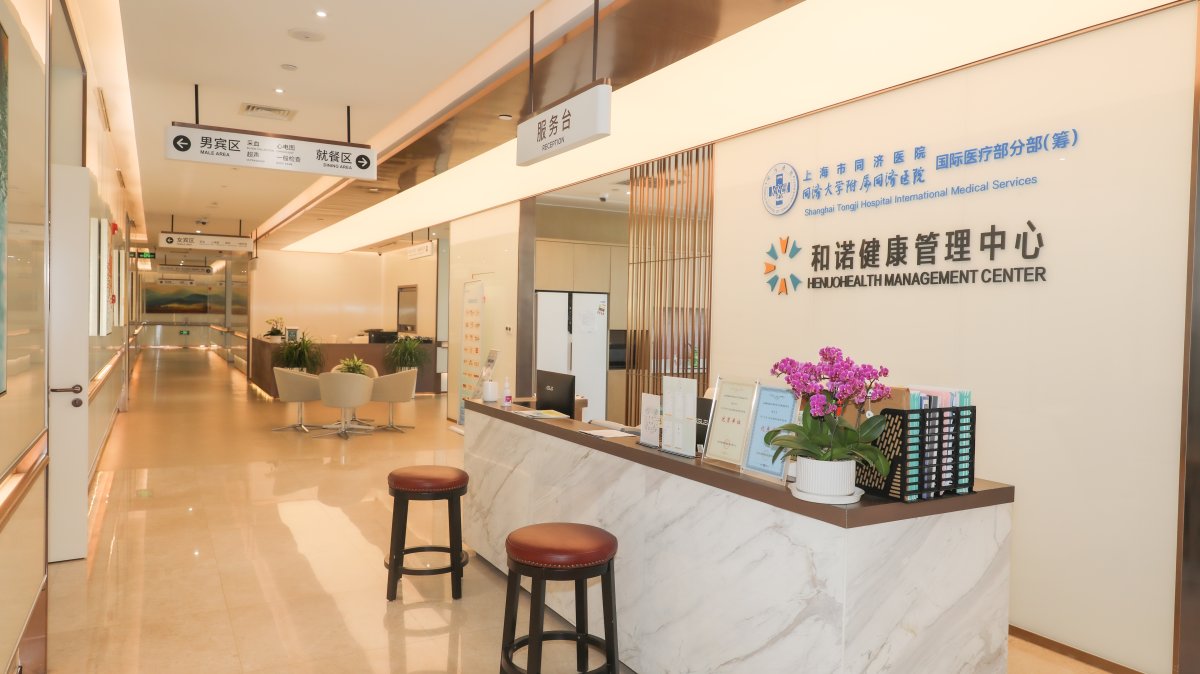
Yanda International Hospital
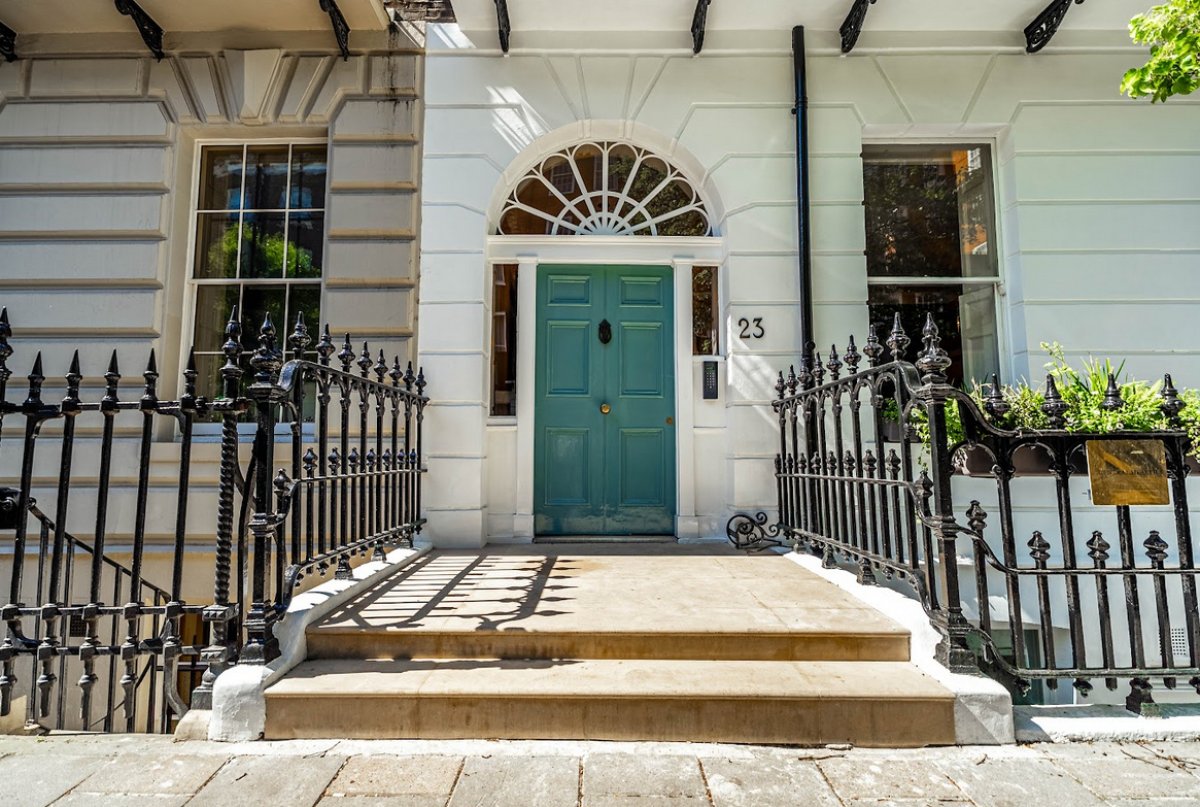
Beijing United Family Rehabilitation Hospital

أفضل مراكز الطب النفسي في الصين

  • مستشفى شيامن هيومانيتي, الصين
  • Yanda International Hospital, الصين
  • Beijing United Family Rehabilitation Hospital, الصين

احصل على تقييم طبي لـ في الصين: اختر أخصائيك من بين الأفضل في هذا المجال

عرض جميع الأطباء
يؤكد

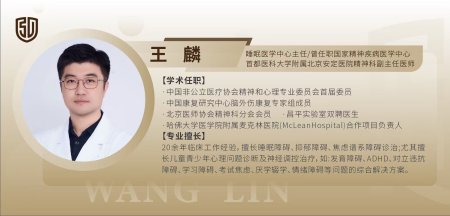
Wang Lin

26سنة خبره ١٦ سنة

الدكتور وانغ لين مدير مركز طب النوم. لديه أكثر من 20 عامًا من الخبرة السريرية. عمل سابقًا في المركز الوطني للاضطرابات النفسية. كما شغل منصب استشاري مشارك في الطب النفسي بمستشفى بكين أندينغ التابع لجامعة العاصمة الطبية.

الخبرات: اضطرابات النوم؛ اضطرابات الاكتئاب واضطرابات طيف القلق؛ الصحة النفسية للطفل والمراهق (اضطرابات النمو، اضطراب فرط الحركة ونقص الانتباه، اضطراب التحدي المعارض، اضطرابات التعلم، قلق الاختبارات، رفض الذهاب إلى المدرسة، الاضطرابات المزاجية والوجدانية)؛ علاجات التعديل العصبي.
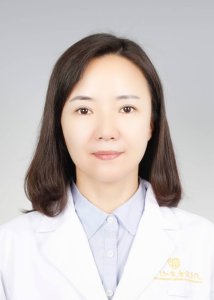
التعيينات: عضو مؤسس في اللجنة الأولى للطب النفسي وعلم النفس (جمعية المؤسسات الطبية غير الحكومية الصينية). عضو في مجموعة خبراء تأهيل إصابات الدماغ (المركز الصيني لأبحاث التأهيل). عضو في فرع الطب النفسي (جمعية أطباء بكين). طبيب مزدوج التعيين في مختبر تشانغبينغ. قائد برنامج التعاون مع مستشفى ماكلين، كلية الطب بجامعة هارفارد.

مشاركة المحتوى

Twitter XLinkedinFacebookWhatsAppEmail
أحصل على الرابط

قصص فيديو من مرضى Bookimed

Dayana
جمعت بين إجازتي في أنطاليا والفحص الطبي.
إجراء: فحص صحة الإناث (انظر فحص النساء)
Igor
كان رائعاً! التنقلات والإقامة والعلاج - كل شيء مشمول.
إجراء: زرع الأسنان
مستشفى: WestDent Clinic
Marina
قام Bookimed بكل شيء من أجلي. لم أضطر للقلق بشأن أي شيء.
إجراء: فحص صحة الإناث (انظر فحص النساء)
مستشفى: Severance Hospital
محدث: 11/10/2025
تأليف
Anna Leonova
Anna Leonova
رئيس فريق تسويق المحتوى
محررة طبية معتمدة لديها خبرة تزيد عن 10 سنوات، طوّرت محتوى Bookimed الموثوق، مدعومة بماجستير في علم اللغة ومقابلات مع خبراء طبيين من جميع أنحاء العالم.
تمت المراجعة من قبل المستشار الطبي في Bookimed
فهد مولود
محرر طبي وعالم بيانات
طبيب عام. حاصل على 4 جوائز علمية. خدم في غرب آسيا. رئيس الفريق الطبي الناطق بالعربية سابقا ومسؤول عن معالجة البيانات ودقة المحتوى الطبي حاليا.
فهد مولود Linkedin
قد تحتوي هذه الصفحة على معلومات تتعلق بمختلف الحالات الطبية والعلاجات وخدمات الرعاية الصحية المتوفرة في بلدان مختلفة. يرجى العلم أن المحتوى مقدم لأغراض إعلامية فقط ولا ينبغي تفسيره على أنه نصيحة أو إرشادات طبية. يرجى استشارة طبيبك أو أخصائي طبي مؤهل قبل البدء أو تغيير العلاج الطبي.

أسئلة متكررة حول الطب النفسي في الصين

هذه الأسئلة الشائعة مأخوذة من مرضى حقيقيين يبحثون عن رعاية طبية عبر Bookimed. يتم تقديم الإجابات من قبل منسقين طبيين ذوي خبرة وممثلين موثوقين من العيادات.

Are psychiatry services in China safe for international patients?

Psychiatry services in China are safe for international patients when accessed through JCI-accredited international hospitals in Tier 1 cities. Facilities like Beijing United Family Rehabilitation Hospital follow American clinical standards. They provide English-speaking specialists and maintain high safety protocols. Most private centers ensure patient dignity and informed consent.

  • Hospital accreditation: Top facilities like Yanda International Hospital hold JCI accreditation for safety.
  • Clinical standards: International clinics in Beijing follow Western protocols for psychiatric care and rehabilitation.
  • Legal protections: The Mental Health Law protects patient privacy and restricts involuntary admission strictly.
  • Professional licensing: Only state-licensed psychiatrists provide diagnoses and prescriptions in regulated medical centers.

Bookimed Expert Insight: Data shows a clear quality gap between general hospitals and international private centers. Facilities like Beijing United Family Rehabilitation Hospital serve 120,000+ patients yearly with Western-style management. While public hospitals handle 2,500,000+ patients annually, the high volume often limits consultation time. Choosing an international department ensures longer sessions and better communication with English-speaking staff.

Patient Consensus: Patients note that language barriers make therapy difficult in public clinics, where doctors often prioritize medication over talk therapy. Many travelers recommend using international facilities or high-end private centers to avoid being misunderstood or facing unexpected travel record flags.

What credentials should I verify when choosing a psychiatrist or clinic in China?

Verify the Physician Qualification Certificate and Physician Practicing Certificate through the National Health Commission (NHC) registry. These documents confirm a psychiatrist passed national exams. They also prove legal registration to practice in a specific location. Ensure Psychiatry is the listed medical specialty.

  • Hospital tier: Prioritize Level 3A (Sanjia) institutions like Yanda International Hospital for top-tier care.
  • Clinical specialty: Confirm the Physician Practicing Certificate specifically lists Psychiatry as the registered field.
  • Facility licensing: Check for the Practice License of Medical Institution issued by local health commissions.
  • Global standards: Look for Joint Commission International (JCI) accreditation at private facilities like Beijing United Family.

Bookimed Expert Insight: Bookimed data shows a clear trend among high-volume Chinese hospitals. Facilities serving over 1,000,000 patients like Xiamen Humanity Hospital often hold specialized clinical trial accreditations. These credentials indicate a higher level of oversight than standard private counseling centers. Always choose clinics with established hospital ties over standalone offices.

Patient Consensus: Patients warn that some general doctors pose as specialists. They emphasize double-checking names on the NHC website. Many suggest bringing a Mandarin speaker to help navigate official verification portals. This prevents confusion during the credential check.

What psychiatry procedures or therapies are most commonly offered to medical tourists in China?

Medical tourists in China commonly access psychiatric care integrating modern neurostimulation with traditional Chinese medicine (TCM). Key treatments include repetitive Transcranial Magnetic Stimulation (rTMS), Electroconvulsive Therapy (ECT), and therapeutic acupuncture. JCI-accredited facilities in Beijing combine these clinical protocols with intensive rehabilitation services for international patients.

  • Neuromodulation techniques: Centers offer rTMS and ECT for treatment-resistant depression and anxiety.
  • TCM integration: Customized herbal formulas and acupuncture address physiological roots of emotional distress.
  • Advanced diagnostics: Comprehensive health packages include cognitive function baseline testing and screenings.
  • Clinical rehabilitation: Facilities like Yanda International Hospital provide multidisciplinary support including psychotherapy.

Bookimed Expert Insight: Data shows a clear trend where top-tier hospitals in Beijing, like Yanda International Hospital, hold Class A Level III status. This is the highest clinical ranking in China. These institutions manage massive volumes, reaching 2,500,000 patients annually. This scale allows them to maintain specialized departments for CIS and Arabic-speaking patients that smaller clinics cannot sustain.

Patient Consensus: Patients note that while advanced therapies like rTMS are available, language barriers remain a major practical hurdle. Many advise verifying the availability of English-speaking staff and clear consent documentation before traveling for psychiatric care.

How long must I stay in China for psychiatric evaluation and treatment, and what does the typical timeline look like?

Psychiatric evaluation and treatment in China typically require a stay of 20 to 60 days. Initial assessments in major cities like Beijing or Shanghai often start with a 72-hour emergency observation period. Median inpatient stays for general mental disorders average around 22 days.

  • Evaluation phase: Initial assessments and medical record translations usually take 14 to 21 days.
  • Mood disorders: Treatment for depression or bipolar conditions typically lasts 21 to 32 days.
  • Schizophrenia care: Inpatient management for complex cases often requires a median of 57 days.
  • Medication titration: Conservative drug trials generally require 4 to 8 weeks for effective stabilization.

Bookimed Expert Insight: Patients should prioritize JCI-accredited facilities like Yanda International Hospital or Beijing United Family Rehabilitation Hospital. These institutions follow international protocols that often streamline the bureaucratic processes found in public hospitals. Choosing centers with experience in treating thousands of international patients can reduce communication delays by up to 30%.

Patient Consensus: Patients note that working through interpreters adds significant time to each appointment. Many recommend planning for at least 6 weeks to ensure the medication plan is working before traveling home.

What are the documented short- and long-term success rates for depression and anxiety treatment in China’s leading psychiatric centers?

Leading Chinese psychiatric centers report short-term clinical response rates between 50% and 60% for depression. Advanced neuromodulation protocols in top-tier hospitals show remission reaching 90% for treatment-resistant cases. Long-term success remains challenging. Genuine remission often stays below 30% due to high treatment dropout rates.

  • Acute response: Standard frontline antidepressants achieve initial success in 50% of patients.
  • Neuromodulation effects: Advanced protocols like SNT report 90% remission in specialized hospital settings.
  • Inpatient duration: Average psychiatric stays last 20.7 days at major tertiary institutions.
  • Long-term adherence: Data shows only 20.6% of patients maintain consistent treatment for 6 months.
  • Remission barriers: High dropout rates result in long-term success for only 0.5% of cases.

Bookimed Expert Insight: While national adherence is low, patients at Class A Level III clinics like Yanda International Hospital benefit from integrated care. These top-tier facilities combine international protocols with traditional approaches. This hybrid model helps bridge the gap between acute clinical response and long-term stability. Facilities with JCI accreditation often provide the structured follow-up needed to improve these outcomes.

Patient Consensus: Patients note that combining Western medications with traditional Chinese medicine can boost relief to 70%. Many worry about high fatigue and family pressure. This often leads to stopping treatment after the first visit.

Which Chinese cities or hospital groups are preferred for international psychiatry patients, and why?

Shanghai and Beijing are the preferred Chinese cities for international psychiatry due to their concentration of JCI-accredited facilities and English-speaking clinicians. Patients favor private hospital groups like Beijing United Family Rehabilitation Hospital. These centers offer Western medical standards and multidisciplinary care protocols for complex mental health cases.

  • Accreditation standards: Joint Commission International (JCI) certification ensures global patient safety and quality protocols.
  • Language accessibility: Private international wards provide fluent English-speaking staff and foreign-trained psychiatric specialists.
  • Clinical capacity: Yanda International Hospital operates 39 departments and manages 2,500,000 patient visits annually.
  • Specialized infrastructure: Top centers like Beijing United Family provide tailored rehabilitation in private, hotel-like environments.

Bookimed Expert Insight: Data shows a clear distinction between clinical volume and international service quality in Beijing. While Yanda International Hospital handles massive patient volumes as a Class A level III facility, smaller specialized centers like Beijing United Family Rehabilitation Hospital focus on American healthcare standards. Patients seeking psychiatry should prioritize these smaller, JCI-accredited clinics to avoid the high-occupancy pressures of large public-private hybrids.

Patient Consensus: Individuals note that private international wings offer a much more comfortable experience compared to standard public wards. Many advise confirming medication availability beforehand and using local networks to verify a specific doctor's English proficiency before booking.

What travel preparations and visa requirements should international psychiatric patients plan for?

International psychiatric patients traveling to China must secure a physician's letter translated into Chinese and English. Documenting diagnoses and dosages is vital for customs. Patients should verify medication legality early. Certain psychotropic drugs require special permits or face strict import bans in China.

  • Documentation: Carry a medical letter in English and Chinese.
  • Medication supply: Pack a 2–3 month supply in original containers.
  • Visa disclosure: Be honest if asked about mental health history.
  • Clinic standards: JCI-accredited Yanda International Hospital follows global safety protocols.

Bookimed Expert Insight: While Beijing United Family Rehabilitation Hospital offers American-standard care, quality English-speaking psychiatry is rare outside major hubs. Patients should prioritize clinics like Yanda International Hospital in Beijing. These JCI-accredited facilities handle 2,500,000 patients annually and better navigate international documentation needs.

Patient Consensus: Patients emphasize that customs agents often reject English-only prescriptions. They suggest carrying a backup supply of meds separately to avoid issues if luggage is lost.

احصل على استشارة مجانية

حدد أفضل طريقة للاتصال بك