علاج النمو الشاذ لعنق الرحم في إيطاليا: 4 مستشفيات


تمت مراجعة المقالة طبيا من قبل
فهد مولود
ما هي تكلفة النمو الشاذ لعنق الرحم إجراءات التشخيص والعلاج في إيطاليا؟ اعرف الآن
تتضمن تكلفة علاج خلل التنسج العنقي في إيطاليا عادةً استشارة تشخيصية مع طبيب أمراض نساء تتراوح ما بين $140 إلى $220. وتتراوح تكلفة التدخلات الجراحية الأولية مثل استئصال مخروط عنق الرحم من $2,500 إلى $5,000. تعتمد النفقات الإجمالية على مرحلة خلل التنسج، ومستوى العيادة المختارة، والتقنية الجراحية المحددة. غالبًا ما يجد المرضى أن العلاج في إيطاليا يوفر قيمة كبيرة مقارنة بالرعاية الخاصة في شمال أوروبا. تشمل أفضل المدن لهذه الإجراءات روما وميلانو ونابولي.
تكاليف علاج خلل التنسج العنقي النموذجية في إيطاليا
- استشارة مع طبيب أمراض نساء: $140 – $220
- استئصال مخروط عنق الرحم: $2,500 – $5,000
- العلاج بالتبريد لعنق الرحم: $250 – $500
- استئصال عنق الرحم: $12,000 – $20,000
رؤية خبراء Bookimed: بالنسبة للمراحل المبكرة من خلل التنسج، توفر الخيارات طفيفة التوغل في العيادات الخاصة أوقات انتظار أقصر مقارنة بالنظام العام. تستخدم عيادة Ruesch في نابولي نظام Da Vinci Xi المتقدم للإجراءات الموجهة بدقة. يجب على المرضى الذين يحتاجون إلى رعاية معقدة التفكير في مستشفى Ospedale Santa Maria في باري، حيث تدير وحدة الثدي المخصصة ومركز صحة المرأة لديهم أكثر من 500 حالة متخصصة سنويًا. بالنسبة للمرضى الدوليين، يعمل مستشفى Mater Olbia في روما كمركز تميز دولي بمرافق فاخرة. وقد أجرى خبراء مثل الدكتور فيتو تشيانتيرا أكثر من 10,000 جراحة متقدمة، مما يضمن خبرة عالية المستوى لحالات عنق الرحم المعقدة.
| إيطاليا | تركيا | إسبانيا | |
|---|---|---|---|
| العلاج بالتبريد العنقي | ≈ $250 | ≈ $250 | ≈ $220 |
| استئصال مخروطي عنقي | ≈ $2,500 | من $900 | ≈ $1,500 |
| استئصال عنق الرحم | ≈ $12,000 | ≈ $2,800 | ≈ $10,000 |
مزاياك وضماناتك مع Bookimed
أسعار مباشرة
Bookimed لا يضيف رسوماً إضافية على أسعار علاج النمو الشاذ لعنق الرحم. الأسعار مأخوذة من قوائم الأسعار الرسمية للعيادات. تدفع مباشرة في العيادة مقابل علاجك عند وصولك إلى البلد.
عيادات وأطباء معتمدون فقط
Bookimed ملتزم بسلامتك. نحن نعمل فقط مع المؤسسات الطبية التي تحافظ على معايير دولية عالية في علاج النمو الشاذ لعنق الرحم ولديها التراخيص اللازمة لخدمة المرضى الدوليين في جميع أنحاء العالم.
مساعدة مجانية على مدار الساعة
Bookimed يقدم مساعدة خبراء مجانية. منسق طبي شخصي يدعمك قبل وأثناء وبعد العلاج، ويحل أي مشاكل. لن تكون وحيداً أبداً في رحلة علاج النمو الشاذ لعنق الرحم.

منسقك الطبي الشخصي في Bookimed
- يدعمك في كل مرحلة
- المساعدة في اختيار العيادة الطبية المناسبة والطبيب المناسب
- يضمن الوصول السريع والمريح إلى المعلومات
اكتشف أفضل النمو الشاذ لعنق الرحم العيادات في إيطاليا: 4 خيارات معتمدة والأسعار




Mater Oblia Hospital
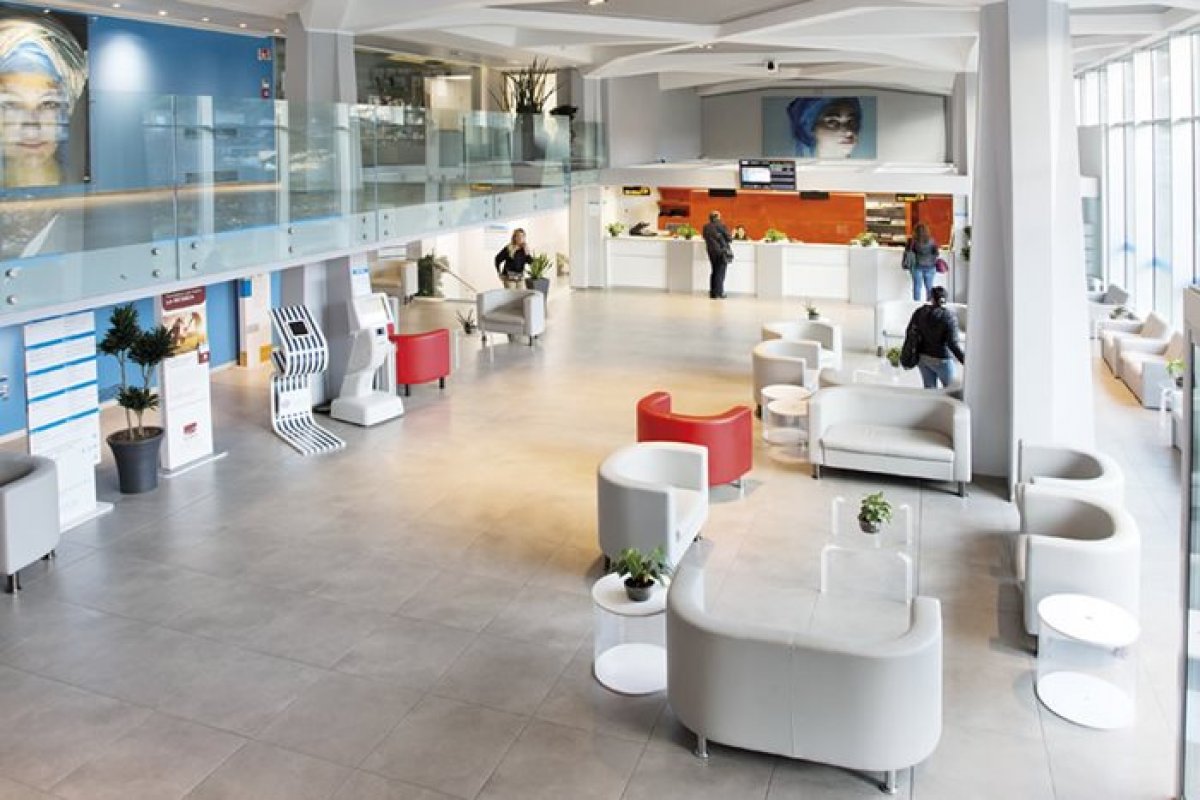


احصلوا على تقييم طبي لـ النمو الشاذ لعنق الرحم في إيطاليا: استشيروا أطباء ذوي خبرة الآن
عرض جميع الأطباء
Massimo Candiani
كان البروفيسور ماسيمو كاندياني رائدًا في إجراء أول جراحة في أوروبا لعلاج السنسنة المشقوقة للأجنة، ويرأس قسم أمراض النساء في مستشفى سان رافاييل.
- متخصص في تنظير البطن النسائي والإجراءات التنظيرية
- مؤلف لأكثر من 200 مقال طبي دولي وكتابين دراسيين
- نائب رئيس الجمعية الإيطالية لبطانة الرحم المهاجرة
- تدرب في أفضل الجامعات في إيطاليا وفرنسا

Pasquale Totaro
ينسق الدكتور توتارو أحد مراكز الإنجاب المساعد طبيًا الرائدة في إيطاليا، حيث يجري أكثر من 1000 إجراء سنويًا في مستشفى سانتا ماريا.
- متخصص في أمراض النساء والتوليد بمرتبة الشرف
- عضو نشط في الجمعية الأوروبية للتناسل البشري وعلم الأجنة (ESHRE) وغيرها من جمعيات الإنجاب الرائدة
- مؤلف لأكثر من 30 منشورًا علميًا في أمراض النساء
- منظم ومتحدث في أكثر من 40 مؤتمرًا دوليًا

Vito Chiantera
البروفيسور فيتو شيانتيرا هو خبير مشهور في أمراض النساء والجراحة الأورامية، متخصص في التقنيات طفيفة التوغل.
- نائب رئيس الجمعية الدولية لعلم الأعصاب الحوضي
- خبير في تقنيات الجراحة بالمنظار والجراحة الروبوتية
- أستاذ كامل في جامعة باليرمو
- مدير مدرسة التخصص في التوليد وأمراض النساء
- شغل مناصب عليا في مستشفى شاريتيه في برلين وجامعة كورنيل
مشاركة المحتوى
قصص فيديو من مرضى Bookimed
 Anna Leonova
أسئلة متكررة حول علاج النمو الشاذ لعنق الرحم في إيطاليا
ما هي خلل التنسج العنقي بالضبط، وهل يعني ذلك أنني مصابة بالسرطان؟
خلل التنسج العنقي هو حالة ما قبل سرطانية. وهو ينطوي على نمو غير طبيعي للخلايا على سطح عنق الرحم. هذا لا يعني أنك مصابة بالسرطان. تتغير الخلايا السليمة بسبب سلالات فيروس الورم الحليمي البشري عالية الخطورة. تعالج معظم المراكز الإيطالية هذه الخلايا بنجاح قبل أن تصبح غازية.
- تصنيف الحالة: يستخدم الأطباء CIN 1 إلى 3 لقياس عمق اختراق الخلايا.
- السبب الرئيسي: تؤدي سلالات فيروس الورم الحليمي البشري عالية الخطورة إلى معظم حالات التشوهات الخلوية.
- معدلات النجاح: غالبًا ما تُشفى الحالات الخفيفة بشكل طبيعي حيث يقوم الجهاز المناعي بالقضاء على الفيروس.
- الخيارات الجراحية: تتطلب الحالات الشديدة إجراءات مثل مخروطية عنق الرحم أو العلاج بالتبريد طفيف التوغل.
رؤية خبير Bookimed: يركز المتخصصون الإيطاليون مثل البروفيسور فيتو كيانتيرا والبروفيسور ماسيمو كاندياني على الخبرة الجراحية ذات الحجم الكبير. يستخدمون أدوات متقدمة مثل نظام Da Vinci Xi للحالات المعقدة. يضمن هذا النهج المتخصص إزالة الأنسجة ما قبل السرطانية مع الحفاظ على بنية عنق الرحم السليمة. بالنسبة للمرضى في إيطاليا، يخدم مستشفى سانتا ماريا وعيادة رويش أكثر من 12000 مريض سنويًا. يخلق هذا الحجم بيئة يمكن التنبؤ بها لعلاجات آمنة مثل المخروطية بالمنظار.
إجماع المرضى: يلاحظ المرضى أن مصطلح خلل التنسج يبدو أكثر رعبًا من الواقع. إنهم يركزون على معرفة درجة علم الأمراض الخاصة بهم لأن ذلك يوضح ما إذا كانت المراقبة أو العلاج ضروريين.
ما هي الخيارات الجراحية الأساسية لخلل التنسج عالي الدرجة في إيطاليا؟
تركز الخيارات الجراحية الأساسية لخلل التنسج العنقي عالي الدرجة في إيطاليا على تقنيات الاستئصال مثل مخروطية عنق الرحم. يستخدم المتخصصون الإيطاليون بشكل متكرر إجراء الاستئصال الجراحي الكهربائي بالعروة (LEEP) أو المخروطية بالمشرط البارد. تزيل هذه الطرق الأنسجة ما قبل السرطانية مع الحفاظ على الخصوبة. تتوافق الإجراءات مع معايير الجمعية الأوروبية لتنظير أمراض النساء.
- مخروطية عنق الرحم: يقوم الجراحون بإزالة إسفين من الأنسجة على شكل مخروط من عنق الرحم.
- تقنية LEEP/LLETZ: تستخدم عروة سلكية رفيعة تيارًا كهربائيًا لاستئصال الخلايا غير الطبيعية.
- المخروطية بالليزر: توفر ليزرات ثاني أكسيد الكربون استئصالًا ضوئيًا حراريًا دقيقًا لآفات عنق الرحم المتكررة.
- استئصال عنق الرحم: تزيل هذه الجراحة التي تحافظ على الخصوبة عنق الرحم في الحالات المعقدة أو العميقة.
رؤية خبير Bookimed: تُظهر المراكز الإيطالية مثل عيادة Ruesch وSan Raffaele تخصصًا في الرعاية الروبوتية والتنظيرية ذات الحجم الكبير. أجرى البروفيسور فيتو شيانترا وحده أكثر من 10,000 إجراء. غالبًا ما يرتبط هذا الحجم الكبير للجراح الفردي بنجاح أكبر في تحقيق هوامش واضحة. هذا أمر بالغ الأهمية لمنع تكرار خلل التنسج دون اللجوء إلى استئصال الرحم الجذري.
إجماع المرضى: يشير المرضى إلى أن اختيار علاج الاستئصال بدلاً من المراقبة يبدو المسار الأكثر أمانًا للآفات عالية الدرجة. ويؤكدون أن تقرير علم الأمراض بعد الإجراء هو الخطوة الأكثر أهمية لراحة البال.
ماذا تعني CIN 1 و CIN 2 و CIN 3 بالنسبة لخطة علاجي؟
تحدد درجات الورم داخل الظهاري العنقي (CIN) ما إذا كنت بحاجة إلى مراقبة نشطة أو إزالة فورية للخلايا. يستخدم أطباء أمراض النساء الإيطاليون تنظير المهبل لتوجيه هذه الخطط. عادة ما تتطلب CIN 1 المراقبة. غالبًا ما تتطلب CIN 2 و 3 إجراءات مثل LEEP أو الاستئصال المخروطي لمنع تطور السرطان.
- CIN 1: غالبًا ما تختفي التغيرات الطفيفة دون تدخل. يوصي الأطباء عادةً بإعادة الاختبار بعد عام واحد.
- CIN 2: خلل تنسج متوسط في منطقة انتقالية. يتضمن العلاج إما المراقبة أو الإزالة بواسطة LEEP/LLETZ.
- CIN 3: خلل تنسج حاد يتطلب إزالة فورية. يقوم الجراحون بإجراء خزعة مخروطية أو LEEP لضمان السلامة.
- التكنولوجيا: تستخدم المراكز الإيطالية مثل عيادة Ruesch نظام Da Vinci Xi للحالات المعقدة.
رؤية خبير Bookimed: غالبًا ما تعطي العيادات الإيطالية الأولوية للحفاظ على الخصوبة لحالات CIN 2 لدى المرضى الأصغر سنًا. تظهر البيانات أن متخصصين مثل الدكتور باسكوالي توتارو في مستشفى سانتا ماريا يوازنون بين الرعاية عالية الحجم ومراكز الموجات فوق الصوتية المتخصصة. إن اختيار عيادة متخصصة في كل من أمراض النساء والإنجاب بمساعدة طبية يضمن بقاء أهداف حملك المستقبلية أولوية أثناء علاج خلل التنسج.
إجماع المرضى: يشير المرضى إلى أن انتظار نتائج الخزعة هو الجزء الأكثر إرهاقًا لأن علم الأنسجة غالبًا ما يغير الخطة النهائية. يجد الكثيرون الراحة عندما يشرح الأطباء الإيطاليون أن CIN هو تغير ما قبل سرطاني يمكن إدارته بدلاً من تشخيص السرطان الفوري.
هل سيؤثر علاج خلل التنسج العنقي على قدرتي على الحمل لاحقاً؟
علاج خلل التنسج العنقي لا يؤثر بشكل عام على قدرتك على الحمل. تركز الإجراءات الشائعة مثل الاستئصال الجراحي الكهربائي الحلقي (LEEP) أو العلاج بالتبريد على إزالة الخلايا ما قبل السرطانية. تحافظ هذه الطرق على الرحم. معظم النساء يمررن بحمل ناجح وصحي بعد العلاج.
- نوع العلاج: يستخدم العلاج بالتبريد برودة شديدة ويحمل حداً أدنى من المخاطر على الخصوبة المستقبلية.
- الحفاظ على الأنسجة: يستخدم الجراحون تقنيات طفيفة التوغل لحماية بنية عنق الرحم السليمة.
- تكلفة المخروطية: قد تكلف عملية مخروطية عنق الرحم في إيطاليا ما يقرب من 2500 إلى 5000 دولار.
- تكلفة العلاج بالتبريد: تكلف علاجات التبريد غير الاستئصالية حوالي 500 إلى 1300 دولار في العيادات الإيطالية.
رؤية خبير Bookimed: اختيار عيادة ذات خبرة عميقة في كل من الأورام والخصوبة أمر حيوي. مستشفى سانتا ماريا في باري هو مثال رئيسي. إنهم متخصصون في صحة المرأة وعلاج العقم. يضمن هذا التركيز المزدوج أن الخطط الجراحية لخلل التنسج تعطي الأولوية أيضاً لأهداف الإنجاب المستقبلية. يقوم الدكتور باسكوالي توتارو في هذه المنشأة بإجراء أكثر من 1000 عملية سنوياً. غالباً ما يؤدي هذا الحجم الكبير إلى إزالة أنسجة أكثر دقة ونتائج شفاء أفضل للمرضى الأصغر سناً.
إجماع المرضى: غالباً ما يجد المرضى أن الضغط العاطفي للتشخيص أكثر صعوبة من التعافي الجسدي. يذكر معظمهم أن الأطباء يفضلون العلاج الأقل توغلاً قدر الإمكان لحماية أهداف الحمل المستقبلية.
كيف أختار المستشفى الإيطالي المناسب لهذا العلاج؟
يتطلب اختيار المستشفى الإيطالي المناسب لعلاج خلل التنسج العنقي اختيار المرافق الحاصلة على اعتماد اللجنة الدولية المشتركة (Joint Commission International) أو حالة IRCCS. ركز على المراكز ذات الحجم الكبير التي تجري أكثر من 1000 إجراء نسائي سنويًا. أعط الأولوية للمؤسسات في روما أو ميلانو أو نابولي التي تقدم خدمات متكاملة في علم الأمراض والحفاظ على الخصوبة.
- حجم التخصص: اختر العيادات التي تجري إجراءات LEEP أو استئصال عنق الرحم بشكل متكرر سنويًا.
- مؤهلات الأطباء: ابحث عن جراحين مثل الدكتور فيتو كيانتيرا الذي أجرى أكثر من 10,000 إجراء.
- التشخيص المتكامل: استخدم مرافق مثل مستشفى سانتا ماريا (Ospedale Santa Maria) الذي يوفر علم الأمراض والفحص في الموقع.
- الوصول التكنولوجي: تستخدم المراكز المهنية مثل عيادة رويش (Ruesch Clinic) نظام دافنشي Xi المتقدم.
رؤية خبير Bookimed: في حين أن مناطق شمال إيطاليا غالبًا ما تتصدر تصنيفات الرعاية المعقدة، فإن المرافق المتخصصة في الجنوب مثل مستشفى سانتا ماريا في باري تحتفظ بالريادة الوطنية في مقاييس محددة لصحة المرأة. يحتل هذا المستشفى المرتبة الأولى في إيطاليا لدورات نسائية معينة، مما يثبت أن حجم التخصص غالبًا ما يتفوق على التصنيفات العامة الإقليمية لعلاجات خلل التنسج المستهدفة.
إجماع المرضى: يؤكد المرضى على أهمية العثور على عيادة يتم فيها التعامل مع نتائج تنظير المهبل والخزعة داخل نفس النظام. ويشيرون إلى أن اختيار الأطباء الذين يعطون الأولوية للحفاظ على الخصوبة ويقدمون خطط متابعة واضحة لفيروس
هل العلاج دائم، أم يمكن أن تعود خلل التنسج؟
يعمل علاج خلل التنسج العنقي على إزالة الخلايا غير الطبيعية بفعالية. ومع ذلك، فهو ليس دائماً دائماً. قد يعود خلل التنسج إذا استمرت عدوى فيروس الورم الحليمي البشري (HPV). تبلغ معدلات تكرار الإصابة للآفات عالية الدرجة حوالي 5% إلى 15%. تستخدم العيادات الإيطالية تقنيات متقدمة مثل الجراحة الروبوتية والاستئصال المخروطي بالمنظار لتحقيق دقة عالية.
- معدلات النجاح: يظل النجاح الأولي مرتفعاً جداً في الاستئصال الأولي.
- عوامل التكرار: فيروس الورم الحليمي البشري عالي الخطورة المستمر هو المحرك لمعظم حالات التكرار.
- حالة الحواف: الحواف الجراحية الواضحة تقلل بشكل كبير من خطر العودة.
- الإجراءات المتاحة: توفر المراكز الإيطالية استئصال عنق الرحم واستئصال عنق الرحم الرحمي.
- أدوات الدقة: تستخدم العيادات نظام da Vinci Xi للحالات المعقدة.
رؤية خبير Bookimed: تظهر المراكز النسائية الإيطالية اتجاهاً نحو التخصص عالي الحجم. يعالج مستشفى سانتا ماريا في باري أكثر من 500 مريضة بسرطان الثدي سنوياً. ركزت عيادة رويش في نابولي على صحة المرأة لأكثر من 100 عام. يشرف خبراؤهم مثل الدكتور باسكوالي توتارو على أكثر من 1000 إجراء كل عام. غالباً ما يؤدي هذا الحجم الكبير من المرضى إلى دقة جراحية أفضل. من المرجح أن يحقق الجراحون ذوو الخبرة الحواف الواضحة اللازمة لمنع التكرار.
إجماع المرضى: يلاحظ المرضى أن العلاج يزيل الآفة الحالية ولكن ليس الفيروس. توفر الحواف المرضية الواضحة أكبر قدر من راحة البال أثناء فحوصات المتابعة. يمكن أن تكون الا