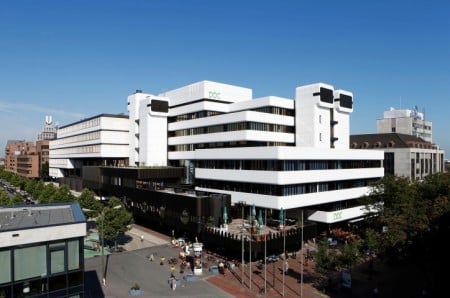
Ev.Wald Hospital
ألمانيا, برلين


تمت مراجعة المقالة طبيا من قبل
فهد مولود
من $150. تتأثر النفقات الإجمالية بالقسم السريري، ومدة الإقامة، وبروتوكولات العلاج المحددة. غالبًا ما يجد المرضى رعاية متخصصة في المراكز الطبية الكبرى مثل برلين، وفرانكفورت أم ماين، وبريمن.
تكاليف علاج البارانويا النموذجية في ألمانيا
رؤية خبراء Bookimed: بالنسبة للحالات العصبية والنفسية المعقدة، توفر المراكز الجامعية متعددة التخصصات أعلى دقة تشخيصية. تُعد عيادة بريمن-ميته (Bremen-Mitte Clinic)، وهي واحدة من أفضل 10 مرافق وفقاً لمجلة Focus، مثالية للمرضى الذين يحتاجون إلى خبرة متكاملة في طب الأعصاب وجراحة الأعصاب. يستفيد المرضى الذين يبحثون عن إعادة تأهيل متقدمة من مركز إعادة التأهيل في بفورتسهايم (Zentrum der Rehabilitation Pforzheim)، الذي يستخدم برامج ترميمية فريدة قائمة على علم الأعصاب. توفر المراكز ذات الكثافة العالية مثل مستشفى جامعة إيسن إمكانية الوصول إلى بروتوكولات بحثية دولية للحالات المستعصية على العلاج.
Bookimed لا يضيف رسوماً إضافية على أسعار علاج جنون العظمة. الأسعار مأخوذة من قوائم الأسعار الرسمية للعيادات. تدفع مباشرة في العيادة مقابل علاجك عند وصولك إلى البلد.
Bookimed ملتزم بسلامتك. نحن نعمل فقط مع المؤسسات الطبية التي تحافظ على معايير دولية عالية في علاج جنون العظمة ولديها التراخيص اللازمة لخدمة المرضى الدوليين في جميع أنحاء العالم.
Bookimed يقدم مساعدة خبراء مجانية. منسق طبي شخصي يدعمك قبل وأثناء وبعد العلاج، ويحل أي مشاكل. لن تكون وحيداً أبداً في رحلة علاج جنون العظمة.

 Anna Leonova
تعالج ألمانيا البارانويا من خلال مجموعات منظمة وقائمة على الأدلة من العلاج النفسي، ومضادات الذهان من الجيل الثاني، وإعادة التأهيل النفسي والاجتماعي. باتباع إرشادات DGPPN، تدمج العيادات العلاج السلوكي المعرفي مع التدريب الميتا-معرفي. كما يقدم المتخصصون دعم العيادات النهارية والعلاج الوظيفي لإعادة بناء الثقة الاجتماعية والسلامة الوظيفية.
رؤية خبير Bookimed: توفر ألمانيا رعاية نفسية ذات سعة عالية بشكل استثنائي من خلال مجمعات ضخمة مثل مستشفى جامعة جيسن وماربورغ، الذي يخدم 485,000 مريض سنوياً. توفر المراكز الأكاديمية الكبيرة بيئات أكثر استقراراً للحالات المعقدة لأنها تدمج أكثر من 100 قسم متخصص. وهذا يسمح بإجراء فحوصات هرمونية وعصبية فورية قد تفتقر إليها العيادات الخاصة الصغيرة.
إجماع المرضى: يؤكد المرضى أن اصطحاب شخص موثوق به إلى المواعيد يساعد في إدارة الشكوك. ويشيرون إلى أن استقرار النوم وتجنب المنبهات أمران حاسمان لمنع التصعيد النفسي.
توفر العيادات الألمانية الأدوية كجزء قياسي من إطار عمل متعدد الوسائط لعلاج جنون الارتياب. يستخدم الأطباء مضادات الذهان أو مضادات الاكتئاب اعتمادًا على ما إذا كانت الأعراض ناتجة عن الفصام أو القلق. يتضمن العلاج عملية استقرار منظمة. يدمج هذا النهج الأبحاث الجامعية مع البروتوكولات السريرية المنظمة.
رؤية خبير Bookimed: تفضل الرعاية النفسية الألمانية نموذج "الاستقرار أولاً"، ولهذا السبب تعمل مراكز مثل مستشفى جامعة إرلانجن أو مستشفى جامعة جيسن وماربورغ على نطاق واسع جداً. مع سعات تتراوح من 1300 إلى أكثر من 2300 سرير، تعطي هذه المؤسسات الأولوية للإدارة السريعة للأعراض من خلال الأدوية لإعداد المرضى للعلاج النفسي المكثف. يضمن هذا النهج القائم على الحجم أن الأجنحة المتخصصة مجهزة للتدخل الدوائي الفوري إذا كانت سلامة المريض في خطر.
إجماع المرضى: يلاحظ المرضى أن الأطباء غالباً ما يشجعون على تناول الدواء في وقت مبكر لتحسين النوم وتقليل الضيق. من المهم الإبلاغ بسرعة عن الآثار الجانبية مثل التخدير أو التململ لطلب تعديلات الجرعة.
أعط الأولوية للسلامة من خلال تقييم المخاطر التي قد تتعرض لها أنت والآخرون. إذا كان هناك خطر وشيك، اتصل بالرقم 112 في ألمانيا واذكر أن الحالة هي أزمة صحة نفسية. قم بتهدئة الموقف من خلال التحقق من صحة الخوف الشديد الذي يشعر به الشخص دون تأكيد أوهامه. حافظ على مسافة جسدية ومسار خروج واضح.
رؤية خبير Bookimed: تدير المستشفيات الجامعية الألمانية مثل إرلانجن أو جيسن وماربورغ أكبر المجمعات الطبية في أوروبا. تتعامل هذه المؤسسات مع أعداد هائلة من المرضى تصل إلى 485,000 مريض سنوياً. بالنسبة للأزمات الحادة، توفر هذه المراكز متعددة التخصصات أقساماً نفسية متخصصة مدمجة مع تشخيصات حديثة مثل تحليل الهرمونات في الدم. يضمن اختيار مستشفى أكاديمي كبير الوصول الفوري إلى فرق متعددة التخصصات إذا كان الارتياب ناتجاً عن مشاكل عصبية أو غدد صماء كامنة.
إجماع المرضى: يشير المرضى إلى أنه من المهم إدراك أن الحرمان من النوم غالباً ما يؤدي إلى هذه النوبات. ويؤكدون أنه على الرغم من أن الشخص قد لا يثق في المساعدين، فإن الحفاظ على الهدوء وتجنب الجدال حول الواقع منع تفاقم الحالة خلال تجاربهم الخاصة.
التأهيل النفسي الجسدي هو نموذج متعدد التخصصات يعالج العلاقة بين الضيق النفسي والصحة البدنية. يساعد في علاج البارانويا عن طريق تهدئة الجهاز العصبي وتقليل اليقظة المفرطة. تستخدم العيادات الألمانية طقوسًا علاجية منظمة لتحسين النوم وتقليل حدة الأفكار المرتابة.
رؤية خبير Bookimed: تتعامل العيادات الألمانية مثل مستشفى جامعة جيسن وماربورغ مع ما يقرب من 500,000 مريض سنويًا لأنها تطبق هذا النهج المنظم بفعالية. يظهر نمط رئيسي في بياناتنا أن التأهيل الناجح يركز بشكل كبير على التخطيط المهني. تؤكد عيادات مثل بافاريا في كريشا على العودة إلى العمل لتوفير مخرج عملي من حلقات التجنب المرتبطة بالبارانويا.
إجماع المرضى: يشير المرضى إلى أن العلاج يبدو كإعادة ضبط ضرورية. الانتقال من وضع البقاء على قيد الحياة إلى روتين يمكن التنبؤ به يساعد في جعل الأفكار المرتابة تبدو أقل إلحاحًا وأكثر قابلية للإدارة.
لا يغطي التأمين الصحي العام الألماني (GKV) علاج جنون الارتياب للزوار الدوليين. إنه نظام قائم على الإقامة للموظفين والطلاب المحليين. ينطبق التغطية فقط على زوار الاتحاد الأوروبي الذين يحملون بطاقة EHIC سارية لحالات الطوارئ النفسية الحادة التي لا يمكن تأجيلها.
رؤية خبير Bookimed: تحتل ألمانيا المرتبة الثالثة عالمياً في الطلبات الطبية، مما يعكس طلباً مرتفعاً على نظام الرعاية الصحية المنظم فيها. يجب على المرضى الذين يزورون عيادة Meoclinic أو مستشفى جامعة إرلنغن ملاحظة أن التقييمات النفسية المتخصصة تتطلب غالباً اختبارات تشخيصية مثل ملفات الهرمونات أو تحليلات الدم. بينما تخدم المراكز الكبيرة أكثر من 485,000 مريض سنوياً، يجب على الزوار تأكيد حالة الفوترة قبل بدء هذه المراحل التشخيصية.
إجماع المرضى: يشير المرضى إلى أن رعاية الصحة العقلية تنطوي على عقبات إدارية كبيرة وتوافر محدود. من المهم إحضار جميع السجلات الطبية السابقة وسؤال العيادات مباشرة عما إذا كانت تتعامل مع التأمين أو تتطلب الدفع الذاتي.
يمكن للمرضى الدوليين الحصول على علاج فعال للبارانويا في ألمانيا دون التحدث بالألمانية. تقدم المستشفيات الجامعية الكبرى والعيادات الخاصة في مدن مثل برلين أو ميونيخ الرعاية باللغة الإنجليزية. معظم الأطباء النفسيين يجيدون اللغة الإنجليزية ويقدمون تقييمات نفسية متخصصة وتعديلات حديثة على الأدوية.
رؤية خبير Bookimed: بينما تتعامل العيادات الجامعية العامة مع أحجام هائلة، مثل مستشفى جامعة جيسن وماربورغ الذي يستقبل 485,000 مريض سنوياً، فإن المراكز الخاصة الأصغر مثل Meoclinic هي الأنسب لغير الناطقين بالألمانية. تحافظ هذه المستشفيات الخاصة على نسبة عالية من الأطباء لكل سرير - 54 طبيباً لـ 45 سريراً فقط - مما يضمن التواصل المكثف المطلوب للرعاية النفسية.
إجماع المرضى: يشير المرضى إلى أنه بينما توفر غرف الطوارئ دعماً فورياً باللغة الإنجليزية أثناء الأزمات، فإن العلاج الخارجي طويل الأمد يتطلب مزوداً خاصاً لتجنب قوائم الانتظار التي تستمر لأشهر.
تضم ألمانيا بعضًا من أرقى أقسام جراحة الأعصاب في العالم، بقيادة مستشفى شاريتيه الجامعي في برلين ومستشفى جامعة هايدلبرغ. وتتميز هذه المراكز بخبرتها الواسعة في علاج أورام الدماغ المعقدة وأمراض الأوعية الدموية الدماغية. ولتحقيق أقصى قدر من الفعالية في عملياتها، تستخدم هذه المراكز أحدث التقنيات، مثل التصوير بالرنين المغناطيسي أثناء الجراحة والتوجيه العصبي بمساعدة الحاسوب.
رأي خبراء بوكيمد: تشير البيانات إلى أن اختيار المراكز ذات الحجم الجراحي الكبير غالبًا ما يؤدي إلى توصيات علاجية أكثر تحفظًا. ففي مركز سولينجن الطبي، الذي يعالج أكثر من 60,000 مريض
في ألمانيا، تتميز العمليات الجراحية العصبية بالغة التعقيد بمستوى أمان استثنائي. تصل نسبة نجاح عمليات دمج الفقرات إلى 99%، بينما تبلغ نسبة النجاة بعد استئصال أورام الدماغ الأولية 97%. كما يتمتع المرضى بقدرة عالية على الاعتماد على أنفسهم في أداء وظائفهم اليومية، حيث يغادر أكثر من 82% منهم المستشفى مباشرةً بعد العلاج. وتولي المراكز الألمانية اهتماماً بالغاً بالحفاظ على الوظائف العصبية باستخدام أحدث تقنيات التخطيط العصبي.
رأي خبراء بوكيمد: يُجري جراحون ذوو خبرة، مثل الدكتور أوفه كولر من عيادة أسكليبيوس ألتونا، أكثر من 2000 عملية جراحية سنويًا. تُشير البيانات إلى أن هؤلاء المتخصصين يحافظون على معدلات نجاح تصل إلى 90%، حتى
تُدخل عيادات جراحة الأعصاب الألمانية بانتظام أدوات رقمية عالية الدقة وتقنيات تصوير فوري في الممارسة الجراحية. تشمل التقنيات الرئيسية الملاحة العصبية الحاسوبية لجراحات الدماغ والحبل الشوكي. تستخدم مؤسسات مثل عيادة أسكليبيوس نورد التصوير بالرنين المغناطيسي أثناء الجراحة للتحقق من استئصال الورم في الوقت الفعلي. توفر هذه الأنظمة للجراحين نظام ملاحة ثلاثي الأبعاد.
رأي خبراء بوكيمد: تُجري مراكز طبية كبيرة، مثل مستشفى شاريتيه الج
في ألمانيا، يتعين على جراحي الأعصاب إكمال برنامج إقامة تخصصي لمدة ست سنوات بعد التخرج من كلية الطب. يشمل هذا البرنامج المنظم العناية المركزة، والتدريب السريري، وكتابة مقالات في مجلة جراحية إلزامية. بعد ذلك، يجتاز المرشحون امتحانًا حكوميًا للحصول على لقب طبيب مقيم (Facharzt für Neurochirurgie).
رأي خبراء بوكيميد: يركز التدريب الألماني في جراحة الأعصاب على الخبرة الجراحية الواسعة. فعلى سبيل المثال، أجرى الدكتور رالف بول من المركز الطبي في سولينجن أكثر من 4000 عملية جراحية. ويتمتع الدكتور يورغن كيويت من مستشفى ميوكلينيك بخبرة تزيد عن 25 عامًا. يضمن هذا النظام الدقيق أن يتعامل المتخصصون في المراكز الكبرى مع الحالات المعقدة بدقة مثبتة.
آراء المرضى: يشع