جنون العظمة العلاج في الهند - التكاليف 2026


تمت مراجعة المقالة طبيا من قبل
فهد مولود
ما هي تكلفة جنون العظمة إجراءات التشخيص والعلاج في الهند؟ اعرف الآن
مزاياك وضماناتك مع Bookimed
أسعار مباشرة
Bookimed لا يضيف رسوماً إضافية على أسعار علاج جنون العظمة. الأسعار مأخوذة من قوائم الأسعار الرسمية للعيادات. تدفع مباشرة في العيادة مقابل علاجك عند وصولك إلى البلد.
عيادات وأطباء معتمدون فقط
Bookimed ملتزم بسلامتك. نحن نعمل فقط مع المؤسسات الطبية التي تحافظ على معايير دولية عالية في علاج جنون العظمة ولديها التراخيص اللازمة لخدمة المرضى الدوليين في جميع أنحاء العالم.
مساعدة مجانية على مدار الساعة
Bookimed يقدم مساعدة خبراء مجانية. منسق طبي شخصي يدعمك قبل وأثناء وبعد العلاج، ويحل أي مشاكل. لن تكون وحيداً أبداً في رحلة علاج جنون العظمة.

منسقك الطبي الشخصي في Bookimed
- يدعمك في كل مرحلة
- المساعدة في اختيار العيادة الطبية المناسبة والطبيب المناسب
- يضمن الوصول السريع والمريح إلى المعلومات
اكتشف أفضل جنون العظمة العيادات في الهند: 8 خيارات معتمدة والأسعار











Dr. Rela Institute & Medical Centre

مشاركة المحتوى
قصص فيديو من مرضى Bookimed
 Anna Leonova
أسئلة متكررة حول علاج جنون العظمة في الهند
ما هو نوع الطبيب الذي يجب أن نستشيره لحالات جنون الارتياب (البارانويا) الشديدة في الهند؟
يجب على المرضى الذين يعانون من جنون الارتياب الشديد في الهند استشارة طبيب نفسي على الفور. هؤلاء الأطباء متخصصون في إدارة الذهان وكيمياء الدماغ باستخدام الأدوية المضادة للذهان. توفر الأقسام النفسية المتخصصة في المراكز الكبرى مثل مستشفى فورتيس جورجاون أو مستشفى كوكيلابين ديروبهاي أمباني الاستقرار الطبي اللازم لاضطرابات الهذيان.
- طبيب نفسي: يقود العلاج من خلال تشخيص الحالات ووصف الأدوية المضادة للذهان الأساسية.
- أخصائي علم النفس السريري: يقدم العلاج السلوكي المعرفي بمجرد استقرار حالة المريض طبياً.
- طبيب أعصاب نفسي: تتم استشارته إذا كان جنون الارتياب ناتجاً عن إصابات في الدماغ أو الصرع أو مرض باركنسون.
- قسم الطوارئ: ضروري إذا أظهر المريض عدوانية أو خطر إيذاء النفس.
رؤية خبير Bookimed: تظهر البيانات أن مستشفيات التخصصات الدقيقة من الدرجة الأولى في الهند غالباً ما توفر وصولاً أسرع إلى فرق متعددة التخصصات مقارنة بالعيادات الصغيرة. على سبيل المثال، يستخدم مستشفى كوكيلابين ديروبهاي أمباني نظام المتخصصين بدوام كامل. وهذا يضمن توفر الأطباء النفسيين وأطباء الأعصاب وأخصائيي التشخيص في وقت واحد لحالات جنون الارتياب المعقدة. يعد هذا النهج المتكامل أمراً حيوياً عندما قد تكون للأعراض أسباب عصبية كامنة.
إجماع المرضى: يؤكد المرضى أنه لا يجب عليك قضاء الوقت في الجدال حول الأوهام. بدلاً من ذلك، ركز على الحصول على تقييم مهني في قسم نفسي كبير على الفور.
كيف تقوم المراكز الطبية الهندية الرائدة بتشخيص السبب الجذري للبارانويا؟
تقوم المراكز الطبية الهندية الرائدة بتشخيص البارانويا من خلال تقييم تفريقي شامل. وهي تعطي الأولوية لاستبعاد الأسباب العصبية والطبية قبل التصنيف النفسي. يضمن هذا البروتوكول متعدد التخصصات الدقة. يستخدم المتخصصون التصوير العصبي المتقدم، والفحوصات الكيميائية، والمقابلات السريرية المنظمة لتحديد المحفزات الجذرية المحددة.
- الفحص العضوي: يستخدم المتخصصون التصوير بالرنين المغناطيسي والأشعة المقطعية عالية الدقة للكشف عن الأورام أو الآفات.
- لوحات التمثيل الغذائي: تحدد الاختبارات خلل الغدة الدرقية، ونقص فيتامين ب12، واعتلال الدماغ الأيضي كأسباب محتملة.
- فحص السموم: تستخدم العيادات لوحات فحص المخدرات لاستبعاد البارانويا الناجمة عن المواد أو الانسحاب.
- المقابلات السريرية: يعتمد الأطباء النفسيون على التاريخ الجانبي للعائلة وفحوصات الحالة العقلية (MSE) التفصيلية.
رؤية خبير Bookimed: تحتل الهند المرتبة الخامسة عالمياً على Bookimed للطلبات الطبية المتخصصة. هذا الحجم الكبير عبر 92 عيادة يدفع بخبرة تشخيصية كبيرة. تدير مراكز مثل Fortis Gurgaon وGlobal Hospital Chennai أكثر من 80,000 مريض سنوياً. يسمح هذا النطاق الهائل للفرق المعتمدة من قبل JCI بالتعرف على أنماط البارانويا النادرة التي قد تغفل عنها المستشفيات العامة.
إجماع المرضى: يشير المرضى إلى أن التشخيص هو عملية متعددة الطبقات بدلاً من اختبار واحد. ويؤكدون على أهمية المشاركة العميقة للأسرة لمساعدة الأطباء في تتبع التحولات السلوكية ومشاكل النوم.
ما هي العلاجات الأولية القائمة على الأدلة المستخدمة لعلاج البارانويا؟
تجمع علاجات البارانويا القائمة على الأدلة في الهند بين الأدوية المضادة للذهان والعلاج السلوكي المعرفي (CBT). تعالج خطط العلاج الأسباب الكامنة مثل الفصام أو اضطرابات المزاج. توفر المستشفيات متعددة التخصصات في دلهي ومومباي وتشيناي رعاية نفسية. يستخدم المتخصصون التقييمات السريرية والتشخيصات الحديثة لتثبيت الأعراض.
- العلاج النفسي: يساعد العلاج السلوكي المعرفي المرضى على تحديد المحفزات وتحدي المعتقدات التي لا أساس لها.
- العلاج الدوائي: تنظم مضادات الذهان غير التقليدية مثل ريسبيريدون أو أولانزابين الدوبامين لتقليل الأوهام.
- إدارة الحالات الكامنة: يعالج الأطباء الاكتئاب أو اضطراب ما بعد الصدمة المصاحب لتقليل مستويات التهيج العامة.
- التدخل في نمط الحياة: تشمل البروتوكولات المتخصصة التوقف عن تعاطي المواد ونظافة النوم الصارمة لمنع المحفزات.
رؤية خبير Bookimed: توفر الهند تركيزاً عالياً من المرافق المعتمدة من قبل اللجنة الدولية المشتركة (JCI) مثل BLK Super Speciality وFortis Gurgaon. تقدم هذه المراكز نظام متخصصين بدوام كامل. وهذا يضمن حصول المرضى على رعاية متسقة من فريق متخصص بدلاً من الأطباء الزائرين المتناوبين. هذا الاستقرار حيوي لبناء الثقة اللازمة لعلاج البارانويا المستمرة.
إجماع المرضى: يؤكد المرضى أن رؤية طبيب نفسي أولاً أمر ضروري للتمييز بين البارانويا والقلق العام. تسلط العديد من الملاحظات الضوء على أن إشراك أفراد الأسرة في الهند يساعد بشكل كبير في الالتزام بالأدوية ومراقبة علامات التحذير المبكرة.
هل إعادة التأهيل الداخلي ضرورية، وهل توجد خيارات فاخرة في الهند؟
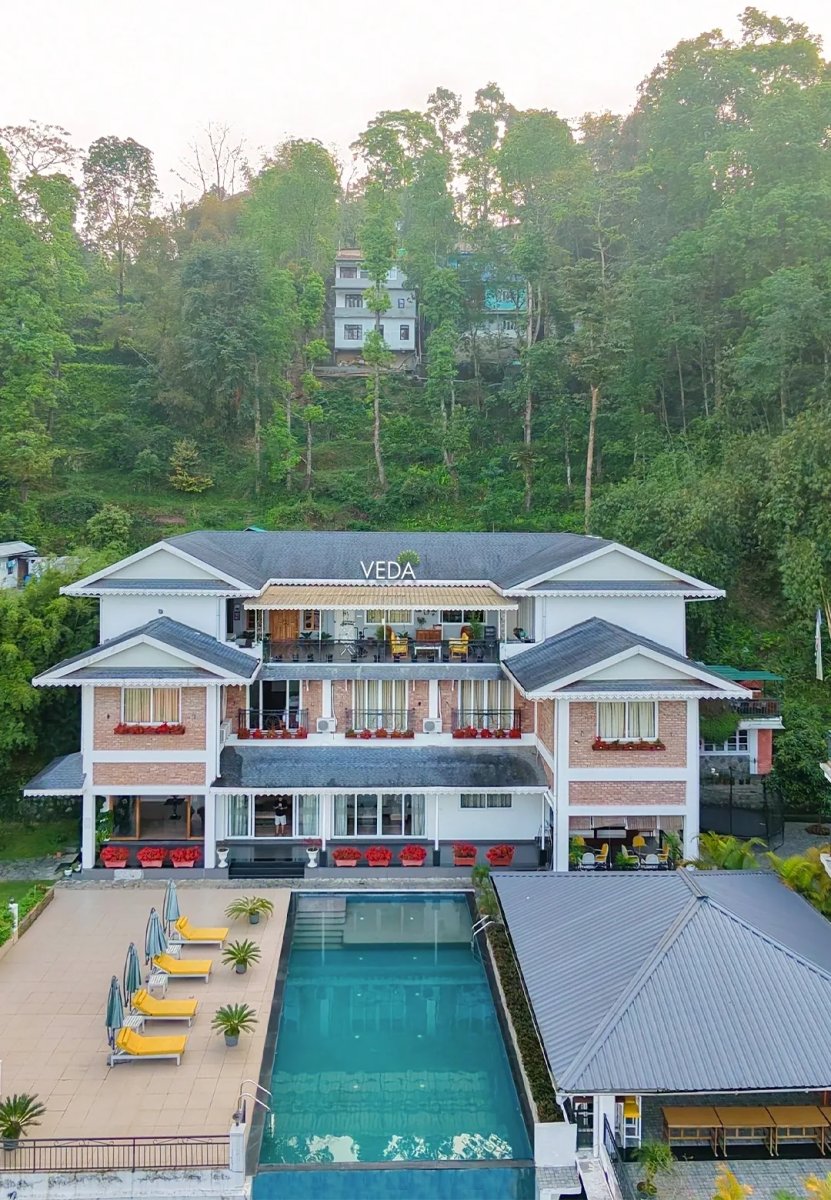
تعد إعادة التأهيل الداخلي ضرورية لمرض البارانويا عندما تشكل الأعراض خطراً على السلامة أو تمنع الرعاية الذاتية اليومية. فهي توفر مراقبة نفسية على مدار 24 ساعة ودعماً علاجياً مكثفاً. تقدم الهند خيارات فاخرة مثل Sanctum Wellness وVeda Wellness. تجمع هذه المرافق بين الخبرة النفسية ووسائل الراحة على طراز المنتجعات.
- معايير القبول: ضرورية في حالات الضيق الحاد، أو رفض الدواء، أو وجود خطر على النفس والآخرين.
- الإشراف السريري: يوفر إشرافاً طبياً مستمراً لإدارة حالات الهياج الشديد أو الأزمات النفسية بأمان.
- وسائل الراحة الفاخرة: تتميز بأجنحة خاصة، ووجبات طعام فاخرة، وعلاجات شمولية مثل اليوغا والتأمل.
- معايير الخصوصية: تعطي المراكز المتميزة الأولوية للسرية لتقليل الوصمة الاجتماعية أثناء التعافي من الصحة النفسية.
- مدة العلاج: تتراوح البرامج عادةً من 30 إلى 90 يوماً لتحقيق استقرار مستدام.
رؤية خبير Bookimed: جودة الرعاية في الهند لا ترتبط دائماً بأسعار الرفاهية. في حين أن مراكز مثل Global Hospital Chennai وFortis Gurgaon تحمل تصنيفات عالمية من مجلة Newsweek، إلا أنها تعمل على نطاقات مختلفة. يعالج Global Hospital Chennai 80,000 مريض سنوياً، بينما يخدم Gurgaon 3,500 مريض. بالنسبة للبارانويا، اختر أجنحة نفسية ذات حجم أقل في المستشفيات ذات التصنيف العالي لتحقيق التوازن بين السلامة الطبية والاهتمام الشخصي اللازم للتعافي.
إجماع المرضى: يشير المرضى إلى أن المرافق الفاخرة غالباً ما يتم اختيارها لتجنب البيئة المزد
كيف يمكننا إقناع فرد من العائلة يعاني من جنون الارتياب (البارانويا) بزيارة الطبيب؟
بناء الثقة أمر ضروري عند تشجيع فرد من العائلة يعاني من جنون الارتياب على زيارة الطبيب. تجنب مناقشة المخاوف غير المنطقية أو تصحيح الأوهام. بدلاً من ذلك، استمع دون إصدار أحكام وتعاطف مع ضغوطهم العاطفية. صِف الزيارة الطبية بأنها فحص جسدي روتيني للنوم أو الإرهاق.
- استمع بتركيز: دعهم يشرحون مخاوفهم دون مقاطعة أو تصحيح.
- تعاطف بعمق: اعترف برعبهم أو توترهم دون تأكيد الوهم.
- ابحث عن أرضية مشتركة: اتفق على أن الأعراض الجسدية مثل الأرق تتطلب راحة مهنية.
- امنحهم حرية الاختيار: دعهم يختارون الطبيب أو وقت الموعد.
رؤية خبير Bookimed: تمثل الهند مركزاً رئيسياً للرعاية الطبية مع أكثر من 90 عيادة. تركز مرافق مثل Fortis Gurgaon وKokilaben Dhirubhai Ambani على أنظمة التشخيص عالية التقنية. لقد رأينا أن العائلات في الهند غالباً ما تنجح من خلال البدء بالرعاية الخارجية الخاصة. يساعد البحث عن أخصائي طب باطني أولاً في تجاوز الوصمة الفورية للرعاية النفسية. يستخدم هذا النهج أنظمة الأخصائيين المتفرغين الموجودة في أفضل مستشفيات مومباي.
إجماع المرضى: يشير المرضى إلى أنه من المهم البدء بمشاكل الصحة الجسدية. تجنب مواجهتهم من قبل عدة أقارب في وقت واحد لمنعهم من الشعور بالهجوم. صِف الزيارة بأنها فحص روتيني للفيتامينات أو ضغط الدم لتقليل الشك الأولي.
ما هي تغييرات نمط الحياة التي يمكن اعتمادها في المنزل إلى جانب الرعاية الطبية؟
تتمحور الإدارة المنزلية الفعالة لمرض جنون الارتياب (البارانويا) في الهند حول الحفاظ على اتساق يومي صارم. يجب على المرضى وضع جداول زمنية دقيقة للنوم والوجبات والأنشطة الخفيفة لتقليل عدم القدرة على التنبؤ. حماية جودة النوم أمر حيوي لمنع التدهور. تقليل المحفزات البيئية يعمل على استقرار الصحة العقلية إلى جانب الرعاية الطبية.
- الحفاظ على الروتين: التزم بأوقات استيقاظ ووجبات متطابقة يومياً.
- التحكم في المحفزات: قلل من الوسائط الصاخبة ووسائل التواصل الاجتماعي لتقليل الهياج.
- تجنب المواد: تخلص من الكحول والمنبهات التي تزيد من التفكير الارتيابي.
- أسلوب التواصل: استخدم حواراً هادئاً ومنخفض الضغط للتحقق من المشاعر دون صراع.
- تتبع السلامة: سجل أنماط النوم والتوتر لتحديد المحفزات المبكرة.
رؤية خبير Bookimed: غالباً ما تدمج المراكز الطبية الهندية مثل Global Hospital و BLK Super Speciality متخصصين نفسيين متنوعين في نماذج الرعاية الخاصة بهم. تظهر البيانات الحقيقية أن هذه المرافق تدير آلاف المرضى الدوليين سنوياً من خلال فرق متعددة التخصصات. بالنسبة للبارانويا، البروتوكولات المنزلية الأكثر نجاحاً هي تلك التي يدير فيها أفراد الأسرة بفاعلية تذكيرات الأدوية باستخدام منظمات حبوب بسيطة. هذا التحول من الالتزام الذي يقوده المريض إلى الالتزام المدعوم من الأسرة يقلل بشكل كبير من خطر انتكاس الأعراض.
إجماع المرضى: يلاحظ المرضى أن تبسيط البيئة المنزلية عن طريق إزالة الفوضى والزوار المتكررين يساعد في تقليل الضيق. يؤكد الكث