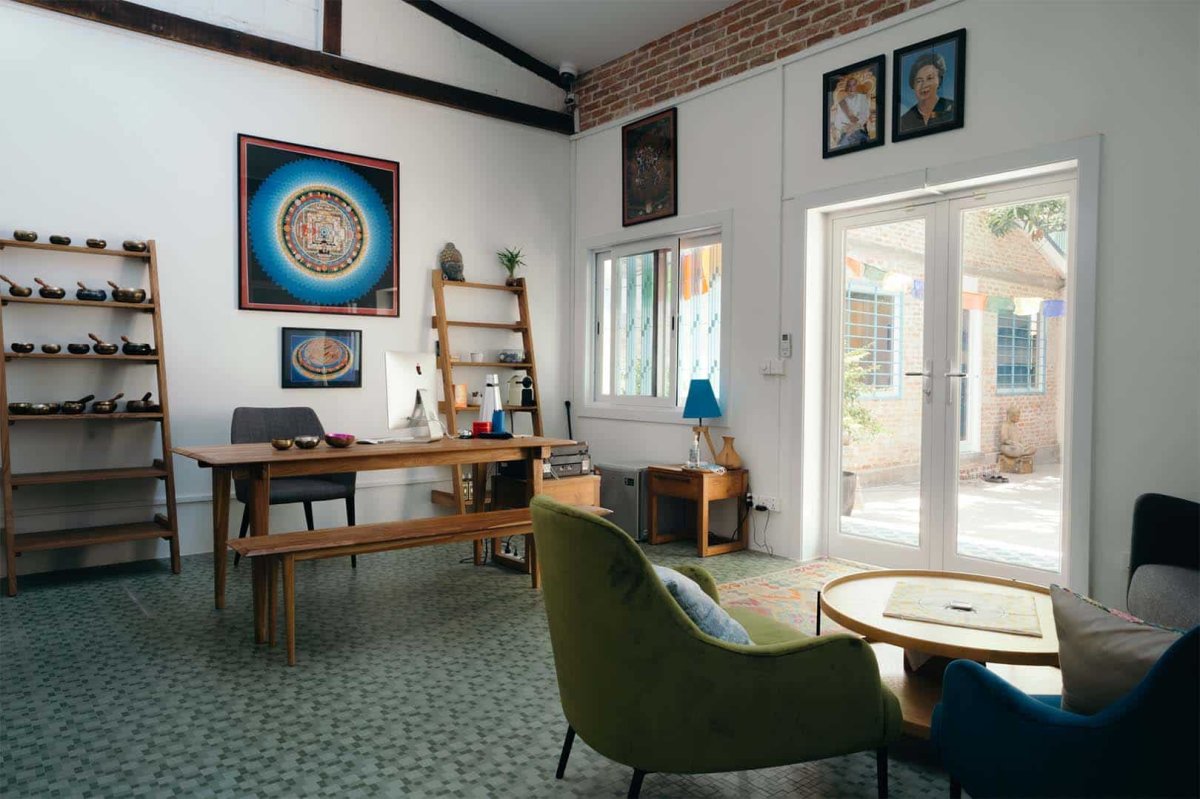
MedConsult Bangkok Medical Clinic
تايلاند, بانكوك


تمت مراجعة المقالة طبيا من قبل
فهد مولود
Bookimed لا يضيف رسوماً إضافية على أسعار علاج الاضطراب ثنائي القطب. الأسعار مأخوذة من قوائم الأسعار الرسمية للعيادات. تدفع مباشرة في العيادة مقابل علاجك عند وصولك إلى البلد.
Bookimed ملتزم بسلامتك. نحن نعمل فقط مع المؤسسات الطبية التي تحافظ على معايير دولية عالية في علاج الاضطراب ثنائي القطب ولديها التراخيص اللازمة لخدمة المرضى الدوليين في جميع أنحاء العالم.
Bookimed يقدم مساعدة خبراء مجانية. منسق طبي شخصي يدعمك قبل وأثناء وبعد العلاج، ويحل أي مشاكل. لن تكون وحيداً أبداً في رحلة علاج الاضطراب ثنائي القطب.


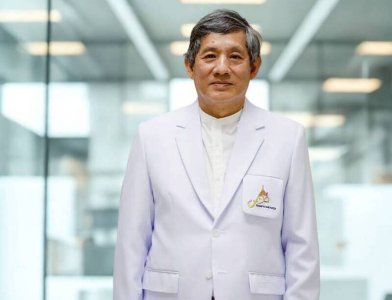
يقدم الدكتور بيتشايوت كاسيمفاكدي فونغ تقييمات نفسية وخطط علاج لمختلف حالات الصحة العقلية في مستشفى فرامونجكوتكلاو.
 Anna Leonova
تقدم تايلاند علاجاً قائماً على الأدلة للاضطراب الوجداني ثنائي القطب من خلال نهج متعدد الوسائط. ويشمل ذلك مثبتات المزاج الدوائية، والعلاج النفسي المهني، والتحفيز العصبي المتقدم. توفر المرافق المعتمدة من قبل اللجنة الدولية المشتركة (JCI) في بانكوك معايير سريرية دولية. كما يتوفر الوصول السريع إلى التثبيت النفسي للمرضى الداخليين على نطاق واسع.
رؤية خبير Bookimed: يستفيد المرضى الذين يبحثون عن رعاية متخصصة من التواصل مع الأطباء النفسيين التابعين للمؤسسات الأكاديمية. على سبيل المثال، يعمل الدكتور بيتشايوت كاسيمفاكدي فونغ في مستشفى فرامونجكوتكلاو كأستاذ طبي. غالباً ما يسد هؤلاء الخبراء الفجوة بين الطب التقليدي وتثبيت المزاج المعقد المرتبط بالإدمان. تضمن هذه الرقابة الأكاديمية المتخصصة عادةً مستوى أعلى من دقة التشخيص.
إجماع المرضى: يشير المرضى إلى أن إعطاء الأولوية للعيادات التي تحتوي على مختبرات دم في الموقع أمر ضروري لمراقبة مستويات الليثيوم. ويؤكد الكثيرون أن بدء العلاج النفسي جنباً إلى جنب مع الدواء يساعدهم في تحديد العلامات التحذيرية المبكرة لتقلبات المزاج
يتضمن علاج الاضطراب ثنائي القطب في تايلاند عادةً من 3 إلى 14 يومًا لتحقيق الاستقرار الداخلي الحاد. غالبًا ما تستمر البرامج السكنية الأطول من 30 إلى 90 يومًا. بينما قد تتحسن الأعراض الجسدية في غضون أسبوع إلى أسبوعين، تتطلب الآثار العلاجية الكاملة للأدوية عادةً من 4 إلى 8 أسابيع.
رؤية خبير Bookimed: غالبًا ما تدمج المرافق التايلاندية متخصصين في الإدمان مثل الدكتور بيتشايوت كاسيمفاكدي فونغ لحالات الاضطراب ثنائي القطب المعقدة. تدعم المراكز ذات الحجم الكبير في بانكوك أكثر من 1000 مريض سنويًا. يسمح هذا الحجم للعيادات بتقديم مسارات متخصصة للشباب بمتوسط 30 إلى 45 يومًا. تعطي هذه المدد السكنية الأقصر الأولوية لبناء العادات السلوكية المكثفة جنبًا إلى جنب مع فترات تجربة الدواء.
إجماع المرضى: يشير المرضى إلى أن الإقامات الداخلية تركز بشكل صارم على سلامة الأزمات وتعديلات الأدوية. يوصون بتتبع تغيرات المزاج أسبوعيًا بدلاً من يوميًا لرؤية تقدم حقيقي خلال الشهر الأول.
تعد مستشفى بامرونجراد الدولي ومستشفى بانكوك من المرافق التايلاندية الرائدة الحاصلة على اعتماد JCI لرعاية الاضطراب ثنائي القطب. توظف هذه المراكز أطباء نفسيين مدربين في الغرب. ويستخدمون فرقًا متعددة التخصصات لتحقيق استقرار الحالة المزاجية. تحمل العيادات المتخصصة مثل The Cabin Chiang Mai اعتماد CARF. وهي تقدم برامج إقامة تجمع بين العلاج السريري والعافية الشاملة.
رؤية خبير Bookimed: تحتل تايلاند المرتبة الرابعة عالميًا في الطلبات الطبية، ومع ذلك يختلف العمق النفسي بشكل كبير. بينما يسعى الكثيرون للحصول على رعاية خارجية في بانكوك، تظهر أعلى النتائج جودة للاضطراب ثنائي القطب في مراكز إعادة التأهيل السكنية المتخصصة. على سبيل المثال، يدمج الدكتور بيتشايوت كاسيمفاكدي فونج في مركز Day One لإعادة التأهيل خبرة في طب نفس الإدمان، وهو أمر حيوي للمرضى الذين يعانون من تشخيصات مزدوجة. إن اختيار منشأة تركز على الطب النفسي وإعادة التأهيل يضمن استقرارًا طويل الأمد أفضل من استشارات المستشفيات العامة.
إجماع المرضى: يشير المرضى إلى أن المستشفيات الخاصة فعالة لإعا
تقبل المراكز الطبية التايلاندية الخاصة على نطاق واسع التأمين الصحي الدولي لعلاج الاضطراب ثنائي القطب. تعتمد التغطية على مزايا الصحة العقلية واستثناءات الحالات الموجودة مسبقًا ضمن بوليصة التأمين الخاصة بك. يتم قبول مقدمي الخدمات مثل Allianz Care وCigna Global وAXA بشكل شائع في المرافق الدولية الكبرى للرعاية النفسية السكنية.
رؤية خبير Bookimed: تحتل تايلاند المرتبة الرابعة عالميًا من حيث طلبات المرضى الدوليين في شبكتنا. يسمح هذا الحجم الكبير لمراكز مثل مركز Day One لإعادة التأهيل بتوظيف أساتذة طبيين متخصصين. يعمل الدكتور بيتشايوت كاسيمفاكدي فونغ كطبيب نفسي وأستاذ في مستشفى فرا مونغكوتكلاو. تضمن هذه الخبرة الأكاديمية توافق بروتوكولات العلاج مع المعايير العالمية على الرغم من اختلاف متطلبات التأمين.
إجماع المرضى: يشير المرضى إلى أن المستشفيات الخاصة غالبًا ما تتطلب دفعًا مقدمًا للرعاية الخارجية قبل استرداد التكاليف. يتطلب النجاح في الفواتير المباشرة للإقامة في المستشفى عادةً خططًا عالمية متميزة.
تحقق من حصول المنشآت على شهادات JCI و Hospital Accreditation Thailand قبل بدء علاج الاضطراب ثنائي القطب. يجب عليك التأكد من وجود مدير طبي مسمى. يجب أن توثق المنشآت بروتوكولات مراقبة الآثار الجانبية لأدوية مثل الليثيوم. تحقق من امتثالها لقانون الصحة العقلية التايلاندي (Thai Mental Health Act) فيما يتعلق بسلامة المرضى.
رؤية خبير Bookimed: على الرغم من أن تايلاند تضم أكثر من 140 عيادة، إلا أن الحوكمة تختلف بشكل كبير بين المراكز الأساسية والمرافق رفيعة المستوى لاضطرابات المزاج. ابحث عن متخصصين مثل الدكتور Pichayut Kasemphakdeephong في مركز Day One Rehabilitation Center. يشير منصبه في لجنة الجمعية التايلاندية للطب النفسي للإدمان إلى حوكمة محلية قوية. اختيار طبيب لديه أدوار في اللجان يضمن اتباعه للإرشادات السريرية الوطنية المحدثة.
إجماع المرضى: يؤكد المرضى على أهمية العثور على عيادات بها موظفون يتحدثون الإنجليزية ودعم متابعة عبر الطب عن بعد. ويشيرون إلى أن التواصل الواضح يساعد في منع سوء الفهم حول تغييرات الأدوية المعقدة أثناء التعافي.
تقدم تايلاند برامج منظمة للعيادات الخارجية لاضطراب ثنائي القطب من خلال مراكز نفسية خاصة ومرافق إعادة تأهيل متخصصة. تشمل الخيارات برامج العيادات الخارجية المكثفة (IOP) وبرامج الاستشفاء الجزئي (PHP). توفر هذه البرامج رعاية سريرية لمدة تتراوح بين ساعتين إلى 8 ساعات يومياً دون الحاجة للمبيت.
رؤية خبير Bookimed: بينما تركز المراكز الخاصة في بانكوك مثل MedConsult Bangkok Medical Clinic على الاستشارات، غالباً ما تتحول الرعاية النفسية إلى مراكز متخصصة. يجلب الدكتور بيتشايوت كاسيمفاكدي فونغ في مركز Day One لإعادة التأهيل خبرة في الإدمان وتثبيت المزاج. يجب على المرضى اختيار العيادات التي يعمل فيها أطباء نفسيون مسجلون في المجلس الطبي التايلاندي لضمان رعاية عالية المستوى.
إجماع المرضى: يشير المرضى إلى أن البرامج الخاصة في بانكوك تبدأ عادةً في غضون أسبوع واحد وتوفر المرونة. ويؤكدون على استخدام سجلات النوبات لتسريع عملية القبول ويقترحون التحقق مما إذا كانت الطب النفسي في العيادات الخارجية مغطى بالتأمين.
يجب على المرضى الدوليين الذين يسعون للحصول على علاج للاضطراب ثنائي القطب في تايلاند تقديم سجلات نفسية شاملة لضمان السلامة. يجب أن تتضمن الوثائق تاريخًا دوائيًا موثقًا مع الأسماء العامة والجرعات. يحتاج المرضى أيضًا إلى تقارير تحاليل الدم لمثبتات المزاج. هذا يمنع انقطاع العلاج أو تغييرات الأدوية غير الضرورية عند الوصول.
رؤية خبير Bookimed: تايلاند هي موطن لمتخصصين مثل الدكتور بيتشايوت كاسيمفاكدي فونغ في مركز Day One لإعادة التأهيل. وهو عضو في لجنة الجمعية التايلاندية للطب النفسي للإدمان. هذه الخبرة حيوية للمرضى الذين يعانون من اضطراب ثنائي القطب المصاحب لمشاكل تعاطي المخدرات. نلاحظ أن النتائج الناجحة تكون أعلى عندما يحضر المرضى سجلات رقمية. تسمح الملفات الإلكترونية للأطباء بمراجعة أنماط المزاج لمدة عام على الفور.
إجماع المرضى: يؤكد المرضى على أهمية إحضار مذكرات شخصية إلى جانب التقارير الرسمية لالتقاط المحفزات اليومية. ويشيرون إلى أن الحصول على ترجمات تايلاندية للرسائل الرئيسية يساعد في منع الأخطاء أثناء انتقالات الرعاية طويلة الأجل.