علاج جنون العظمة في النمسا — احصل على 3 عيادات مختارة خصيصاً لك


تمت مراجعة المقالة طبيا من قبل
فهد مولود
كيف نعمل؟
ما هي تكلفة جنون العظمة إجراءات التشخيص والعلاج في النمسا؟ اعرف الآن
تعتمد تكلفة علاج البارانويا في النمسا على التعقيد السريري والاختيار بين المرافق الطبية العامة أو الخاصة. تُعد التقييمات التشخيصية، مثل فحص الدم للملف الهرموني الذي يتراوح سعره من $150 إلى $380، ضرورية لاستبعاد الأسباب الجسدية الكامنة. من $60. تختلف التكاليف بناءً على مستوى مقدم الخدمة وحالة المريض المحددة، وتُعد فيينا وسالزبورغ المركزين الرئيسيين للرعاية النفسية المتخصصة.
تكاليف علاج البارانويا النموذجية في النمسا
- فحص الدم للملف الهرموني: $150 – $380
- تخطيط القلب (ECG): من $60
- تحليل دم موسع: $150 – $400
رؤية خبير Bookimed: بالنسبة للاحتياجات التشخيصية المعقدة، توفر المراكز متعددة التخصصات مثل مستشفى فيينا العام (AKH) خبرة أكاديمية واسعة مع أكثر من 1600 طبيب. وغالباً ما يختار المرضى الذين يبحثون عن رعاية مخصصة عيادة فيينا الخاصة (Wiener Privatklinik)، حيث يعمل العديد من الأطباء كأساتذة في جامعة فيينا الطبية. توفر هذه المرافق الخاصة بيئة متعددة اللغات ومعايير معتمدة من ISO، مما يجعلها مثالية للمرضى الدوليين الذين يحتاجون إلى استشارات نفسية سرية وعالية المستوى وخدمات تشخيصية شاملة.
اكتشف أفضل جنون العظمة العيادات في النمسا: 3 خيارات معتمدة والأسعار
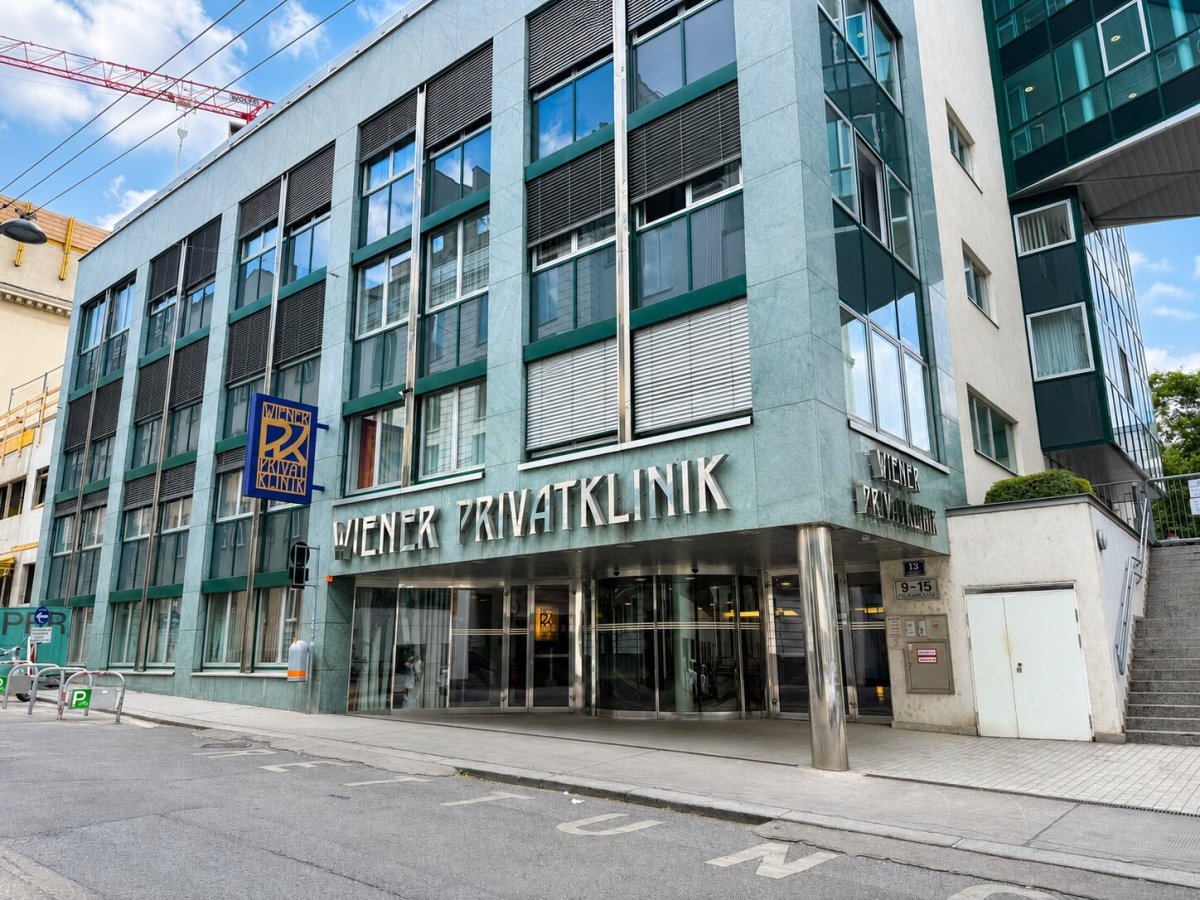



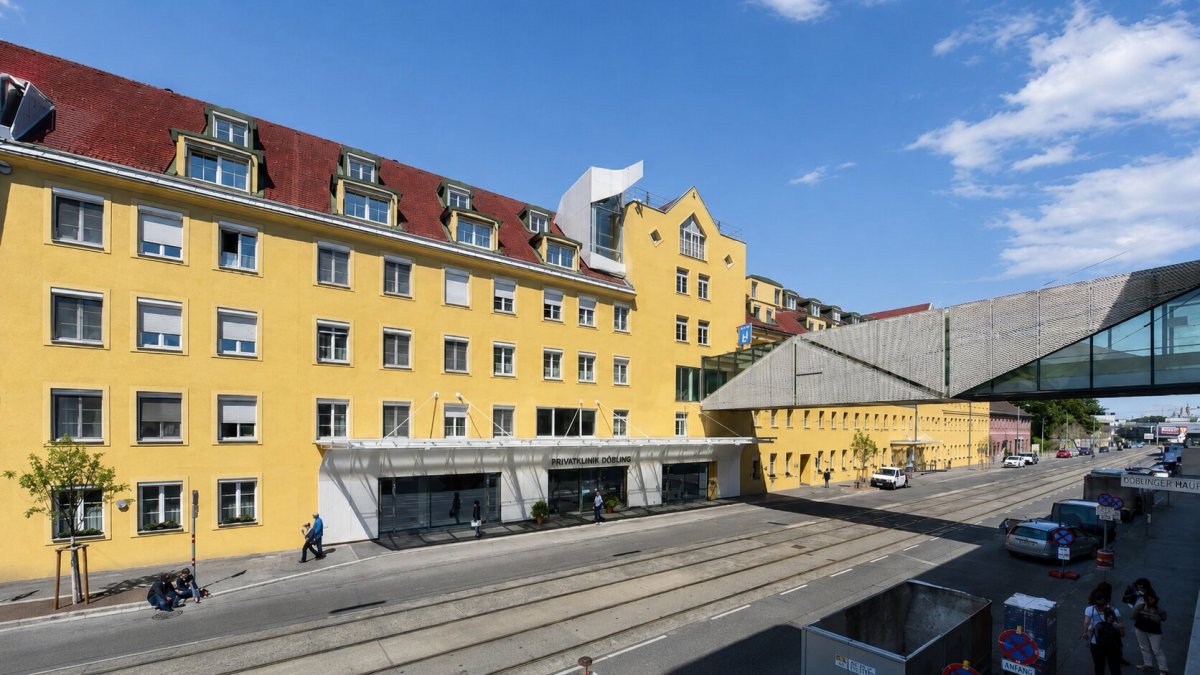

احصلوا على تقييم طبي لـ جنون العظمة في النمسا: استشيروا أطباء ذوي خبرة الآن
عرض جميع الأطباء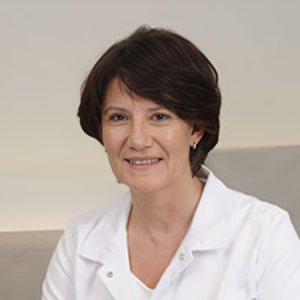
Jutta Leth
MedR. Dr. med. Jutta Leth اختصاصية في الطب النفسي والطب النفسي العلاجي. هي معالِجة نفسية مسجَّلة بنهج متمحور حول العميل في مركز JUVENIS الطبي في فيينا. لديها نحو 40 عاماً من الممارسة الطبية. في عام 2022 نالت اللقب الفخري النمساوي Medizinalrat.
دكتوراه، جامعة فيينا (1986). تدريب علاج نفسي في ÖGWG (1991–1996). مُسجَّلة في السجل النمساوي للمعالجين النفسيين منذ 1997. تدريب تخصصي في مستشفى أوتو فاغنر (1996–2001). حاصلة على شهادة البورد منذ 2001. الدبلومات: الطب النفسي الاجتماعي، والطب النفس
مشاركة المحتوى
قصص فيديو من مرضى Bookimed
 Anna Leonova
أسئلة متكررة حول علاج جنون العظمة في النمسا
ما هي العلاجات القائمة على الأدلة المستخدمة في النمسا لعلاج جنون العظمة؟
في النمسا، تُستخدم بروتوكولات قائمة على الأدلة لعلاج جنون الارتياب، بما في ذلك مضادات الذهان من الجيل الثاني والعلاج السلوكي المعرفي. ولتحقيق الاستقرار الدوائي، يستخدم الأطباء أدوية غير نمطية مثل ريسبيريدون وكويتيابين. ويُعدّ التثقيف النفسي والتدريب على ما وراء المعرفة من أساليب العلاج التكميلية القياسية المُستخدمة في المؤسسات النفسية المعتمدة من قبل اللجنة الدولية المشتركة (JCI) والمنظمة الدولية للمعايير (ISO).
- العلاج الدوائي: تعتبر مضادات الذهان غير النمطية الركيزة الأساسية للعلاج القائم على الأدلة.
- العلاج النفسي: العلاج السلوكي المعرفي للذهان (CBT) يحسن اختبار الواقع.
- التدريب على ما وراء المعرفة: تساعد الجلسات المنظمة المرضى على التعرف على التشوهات والتحيزات المعرفية.
- الاختبارات التشخيصية: يستخدم الأطباء تخطيط كهربية القلب وتحليل الهرمونات لاستبعاد الأسباب الجسدية.
رأي خبراء بوكيمد: يُعدّ التنسيق المهني بين المراكز الجامعية الكبرى والمستشفيات الخاصة سمةً مميزةً لنظام الرعاية الصحية النمساوي. يعالج مستشفى فيينا العام (AKH) ما يقارب 595,000 مريض سنويًا، ما يتيح تشخيصًا دقيقًا للغاية. غالبًا ما يختار المرضى الذين يبحثون عن رعاية شخصية أكثر العيادات الخاصة التي تتم
ماذا يحدث خلال التقييم النفسي الأولي لمرض البارانويا؟
في النمسا، يشمل التقييم النفسي لمرض البارانويا فحوصات سريرية وطبية. يستخدم الأطباء النفسيون أساليب محايدة لتقييم مدة وشدة الأفكار. خلال الاستشارة، يتم استبعاد الأسباب العضوية وتقييم الأثر الاجتماعي. يولي الأطباء اهتمامًا لعلامات زيادة اليقظة والانطواء الاجتماعي أثناء الاستشارة.
- المقابلة الأولية: يحدد الأطباء الجدول الزمني لبداية ظهور الأعراض وأي عوامل بيئية محتملة قد تؤدي إلى حدوثها.
- الحالة العقلية: يلاحظ المختصون علامات سلوكية مثل الدفاع المفرط أو التوتر الجسدي.
- الفحص الطبي: تشمل أدوات التشخيص التحليل الهرموني وفحص تعداد الدم الكامل.
- تقييم المخاطر: يقوم الأطباء بتقييم أفكار إيذاء النفس والمخاطر المحتملة على السلامة بشكل مباشر.
رأي خبراء بوكيمد: تشير بيانات حجم المرضى إلى أن فيينا مركز رئيسي للتشخيص المتخصص. يعالج مستشفى فيينا العام (AKH) 595,000 مريض سنويًا، باستخدام ستة مختبرات متخصصة. تتيح هذه الإنتاجية العالية مقارنة سريعة للأعراض النفسية مع الأسباب الفسيولوجية النادرة. كما يُسهّل اختيار المراكز السريرية المتكاملة الانتقال من تقييم المريض إلى الفحص التشخيصي السريري.
ملاحظات المرضى: يلاحظ المرضى أن
كيف يمكن تنفيذ الإدخال القسري إلى مستشفى للأمراض النفسية وفقًا للقانون النمساوي؟
يتم إدخال المرضى قسراً إلى جناح الطب النفسي في النمسا وفقاً لقانون الإدخال القسري إلى المستشفيات (UbG). ويتطلب ذلك وجود اضطراب عقلي موثق ووجود خطر جسيم على حياة المريض أو صحته أو حياة الآخرين أو صحتهم. ويُعدّ الإدخال إلى المستشفى ملاذاً أخيراً عندما لا تتوفر خيارات علاجية أقل تقييداً.
- التقييم الطبي: يجب أن يكون طبيب الصحة العامة أو طبيب الطوارئ حاضراً شخصياً قبل فحص المريض.
- تدخل الشرطة: في حالات الخطر المباشر، يجوز لضباط إنفاذ القانون نقل الأفراد إلى وحدات الطب النفسي.
- التقييم الداخلي: عند الوصول، يجب إعادة تقييم المريض فوراً من قبل طبيب نفسي كبير.
- المراجعة القضائية: يجب على المستشفى إخطار المحكمة الجزئية في غضون 24 ساعة من دخول المريض.
رأي خبراء بوكيميد: غالبًا ما تظهر الابتكارات في الطب النفسي النمساوي في المراكز الجامعية الكبرى. يضم مستشفى فيينا العام (AKH) أكثر من 42 عيادة متخصصة وستة مختبرات متخصصة. توفر هذه المؤسسات الكبيرة مستوى التشخيص الدقيق اللازم لحالات جنون العظمة المعقدة. وتُجري فحوصات دم شاملة وتحاليل هرمونية لاستبعاد الأسباب العضوية. يضمن هذا النهج المتخصص أن يكون الهدف من الإدخال القسري إلى المستشفى هو تحقيق استقرار طبي دقيق، وليس مجرد احتواء المرض
ما هي التغطية التي يوفرها نظام التأمين الصحي العام النمساوي للرعاية النفسية والطبية النفسية؟
يُغطي نظام التأمين الصحي العام النمساوي تكاليف الاستشارات النفسية والعلاج الداخلي في المؤسسات المتعاقدة معه بنسبة 100%. ويُغطى العلاج النفسي بالكامل، بحد أقصى 120,000 وحدة سنويًا. أما المرضى الذين يلجؤون إلى العلاج الخاص، فيحصلون على تعويض بنسبة 80% من تكاليف العلاج النفسي، بالإضافة إلى دعم مالي ثابت للعلاج النفسي.
- استشارات الأطباء النفسيين: عند استخدام البطاقة الإلكترونية، يتم تغطية خدمات الأطباء النفسيين العاملين بموجب عقد حكومي بنسبة 100%.
- الاستشفاء: يتم تمويل الاستشفاء في الأقسام النفسية أو العيادات المتخصصة بشكل كامل.
- دعم العلاج النفسي: يتم تعويض الجلسات الخاصة جزئياً، ويتراوح سعرها من 34 دولاراً إلى 50 دولاراً للزيارة الواحدة.
- متطلبات الإحالة: في معظم الحالات، يلزم الحصول على إحالة من طبيب عام لضمان التغطية لإثبات الضرورة الطبية.
رأي خبراء بوكيمد: غالبًا ما يواجه المرضى في فيينا حاجة ماسة للرعاية الطبية المتخصصة. تشير البيانات إلى أن مستشفى فيينا العام (AKH) يعالج أكثر من 595,000 مريض سنويًا. توفر المراكز الجامعية الكبيرة، مثل هذا المركز، إمكانية الوصول بشكل أكبر إلى التشخيصات المتطورة، كتحليل الهرمونات أو تحاليل الدم الشاملة. تُعد هذه الاختبارات ضرورية لاست
هل يمكن للسياح أو غير المقيمين تلقي علاج خارجي لمرض جنون العظمة في النمسا؟
لا يُمكن للسياح الحصول على رعاية نفسية للمرضى الخارجيين ضمن نظام الرعاية الصحية العامة النمساوي. ويشترط الحصول على الإقامة وسجل صحي إلكتروني وطني للاستفادة من الخدمات العامة. أما الأجانب، فلا يُمكنهم الحصول على علاج طويل الأمد إلا من أطباء نفسيين في القطاع الخاص أو عيادات خاصة متخصصة، ويتحملون تكلفة كل جلسة بأنفسهم.
- الوصول إلى النظام الحكومي: لا يُسمح بالوصول إلا للمقيمين المسجلين الذين يحملون بطاقات الضمان الاجتماعي.
- الرعاية الطبية الطارئة: يمكن لجميع الأفراد الحصول على استقرار لحالتهم الحرجة الحادة في أقسام الطوارئ.
- أخصائيو الطب النفسي الخاصون: يمكن للمقيمين من خارج المدينة حجز موعد مع أخصائيين خاصين مقابل ما بين 75 و 150 يورو للجلسة الواحدة.
- مراكز الأزمات: توفر مرافق مثل مستشفى فيينا العام (AKH) تقييمًا نفسيًا فوريًا.
رأي خبراء بوكيمد: على الرغم من أن مستشفى فيينا العام (AKH) يعالج حوالي 600,000 مريض سنويًا، يُنصح غير المقيمين باختيار عيادات خاصة أصغر حجمًا لمتابعة الرعاية الخارجية. توفر العيادات الخاصة، مثل عيادة فيينا الخاصة (Wiener Privatklinik)، إمكانية الوصول إلى أكثر من 400 طبيب وأستاذ جامعي. غالبًا ما تتجاوز هذه المؤسسات قيود الإقامة المفروضة في القطاع ا
كيف أبدأ عملية البحث عن علاج لمرض البارانويا في النمسا؟
ابدأ بزيارة طبيبك العام لإجراء فحص مبدئي وإحالة إلى أخصائي. في النمسا، تتوفر خدمات الصحة النفسية من خلال التأمين الصحي الحكومي باستخدام بطاقة إلكترونية أو من خلال أطباء القطاع الخاص. كما توفر مؤسسات متخصصة، مثل مستشفى فيينا العام (AKH)، خدمات التقييم النفسي الطارئ وخدمات استقرار الحالة.
- نظام التأمين الصحي القانوني: يقوم الأطباء العامون بإصدار إحالات إلى أطباء نفسيين لديهم اتفاقية مع جمعية التأمين الصحي النمساوية (Österreichische Gesundheitskasse).
- الوصول إلى أخصائيين من القطاع الخاص: يقدم أطباء النفس من القطاع الخاص مواعيد أسرع وخيارات استشارة أكثر باللغة الإنجليزية دون الحاجة إلى إحالة.
- إجراءات الطوارئ: في حالة ظهور أعراض حادة، يلزم الإحالة الفورية إلى أقسام الطوارئ النفسية في المستشفيات العامة.
- الاختبارات التشخيصية: لتحسين دقة الفحص، قد يتم إجراء تخطيط كهربية القلب واختبارات الدم وتحليل الهرمونات.
رأي خبراء بوكيمد: تشير بيانات عدد المرضى إلى أن الحالات الأكثر تعقيدًا تُعالج في المراكز الأكاديمية الكبيرة. يعالج مستشفى فيينا العام (AKH) ما يقارب 595,000 مريض سنويًا. غالبًا ما يعني هذا العدد الكبير أن الأطباء يتمتعون بخبرة واسعة في علاج أعراض اضطرابات الذهان. أما ب