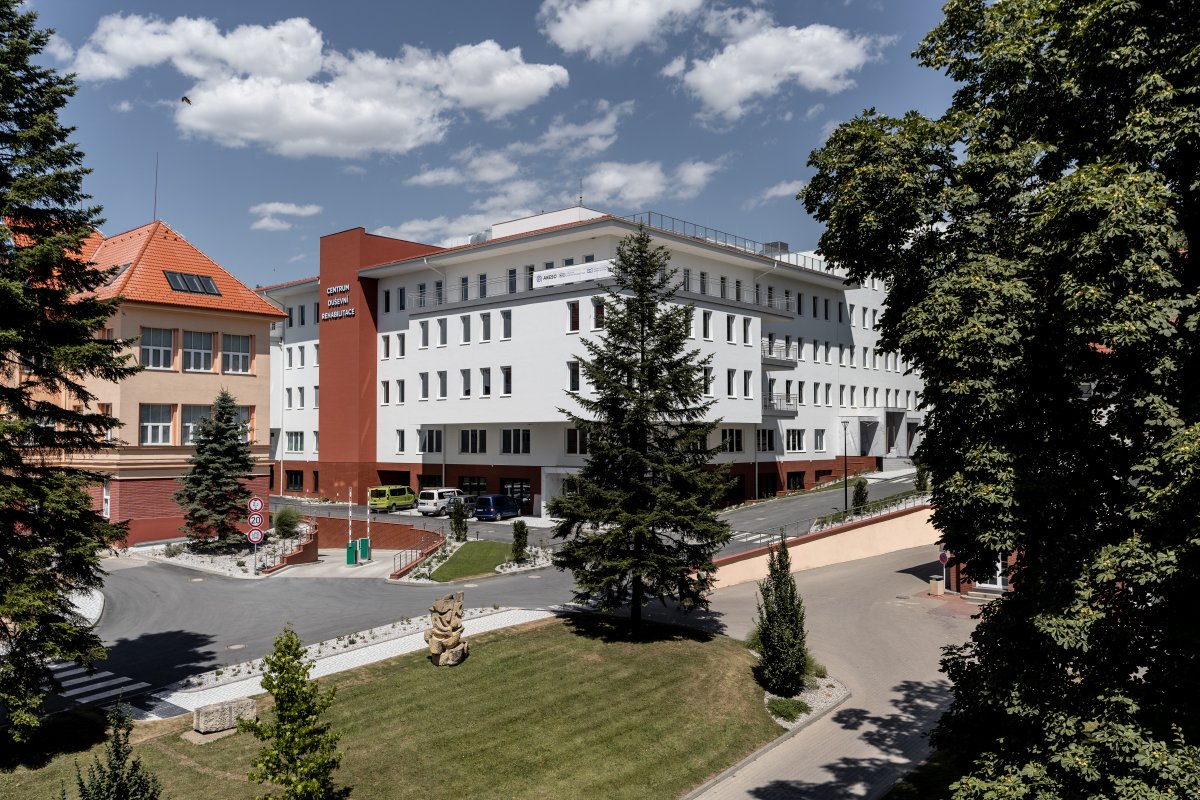
Altoa | Mental Rehabilitation Centre
جمهورية التشيك, Prag
Tereza Petraskova
17سنة خبره ١٦ سنة

العيادة معتمدة من قبل : 




تمت مراجعة المقالة طبيا من قبل
فهد مولود
تعتمد تكلفة علاج البارانويا في جمهورية التشيك على النهج العلاجي والبيئة السريرية، حيث يتراوح سعر فحص الدم للملف الهرموني من $110 إلى $230. تتأثر الإجراءات الرئيسية، بما في ذلك الاستشارات النفسية المتخصصة وخطط الرعاية متعددة التخصصات، بخبرة مقدم الخدمة واستخدام التقنيات المتقدمة. يمكن للمرضى توفير 50-70% مقارنة بالولايات المتحدة. تقع معظم المراكز المتخصصة في براغ وبرنو.
تكاليف علاج البارانويا النموذجية في جمهورية التشيك
رؤية خبير Bookimed: يجد المرضى الذين يحتاجون إلى مزيج من العلاج الدوائي والعلاج النفسي قيمة عالية في المراكز الموجودة في براغ. يقدم مركز ألتوا لإعادة التأهيل النفسي (Altoa Mental Rehabilitation Centre) أنظمة إضاءة ديناميكية حيوية كرونوبيولوجية فريدة لاستعادة إيقاعات الساعة البيولوجية. هذا المرفق هو الأفضل لأولئك الذين يبحثون عن تقنيات حديثة مثل التحفيز المغناطيسي المتكرر عبر الجمجمة. تقدم الأخصائية الدكتورة تيريزا بيتراسكوفا رعاية متميزة تركز على ديناميكيات الأسرة، بينما يتمتع الدكتور مارتن هولي بقيادة وطنية في مجال الإصلاح النفسي.
Bookimed لا يضيف رسوماً إضافية على أسعار علاج جنون العظمة. الأسعار مأخوذة من قوائم الأسعار الرسمية للعيادات. تدفع مباشرة في العيادة مقابل علاجك عند وصولك إلى البلد.
Bookimed ملتزم بسلامتك. نحن نعمل فقط مع المؤسسات الطبية التي تحافظ على معايير دولية عالية في علاج جنون العظمة ولديها التراخيص اللازمة لخدمة المرضى الدوليين في جميع أنحاء العالم.
Bookimed يقدم مساعدة خبراء مجانية. منسق طبي شخصي يدعمك قبل وأثناء وبعد العلاج، ويحل أي مشاكل. لن تكون وحيداً أبداً في رحلة علاج جنون العظمة.

تجمع الدكتورة بيتراسكوفا بين العلاج الدوائي والعلاج النفسي لمرض البارانويا، وهي متخصصة في الأساليب المنهجية الموجهة نحو الحلول في مركز ألتوا لإعادة التأهيل النفسي.

يقود الدكتور مارتن هولي إصلاح الرعاية النفسية في جمهورية التشيك بفضل خبرته الواسعة في الطب النفسي السريري. وهو يجمع بين الممارسة السريرية وخبرة التخطيط الاستراتيجي.
 Anna Leonova
يقوم الأطباء النفسيون في جمهورية التشيك بتشخيص البارانويا باستخدام النموذج البيولوجي النفسي الاجتماعي ومعايير التصنيف الدولي للأمراض. يجري المتخصصون مقابلات سريرية لتقييم الحدود بين الأنا والعالم ومستويات البصيرة. يميز هذا العمل بين الأوهام الثابتة والأفكار المبالغ فيها داخل مرافق معتمدة مثل مركز ألتوا لإعادة التأهيل النفسي.
رؤية خبير Bookimed: غالبًا ما تقدم مراكز التشخيص التشيكية مستوى رعاية أعلى من الإعدادات السريرية الأساسية. على سبيل المثال، يعد مركز ألتوا لإعادة التأهيل النفسي هو الأول في البلاد الذي يحصل على كل من اعتماد الرعاية الصحية العالمي وشهادات ISO. وهذا يضمن أن عملية التشخيص للاضطرابات النفسية المعقدة تلبي معايير الجودة والسلامة الدولية المحددة للمرضى الأجانب.
إجماع المرضى: يلاحظ المرضى أن التقييمات تبدو منظمة وموضوعية، مع التركيز بشدة على كيفية تأثير المعتقدات على العمل اليومي والعلاقات. يجد الكثيرون أن الأطباء يعطون الأولوية لاستبعاد الحرمان من النوم أو الآثار الجانبية
تتضمن الأساليب العلاجية الأساسية للبارانويا الجمع بين العلاج الدوائي والعلاج النفسي المتخصص. يركز العلاج على التقنيات المعرفية السلوكية لاختبار الواقع وإدارة القلق. تستخدم العيادات التشيكية التعديل العصبي المتقدم والعلاج بالواقع الافتراضي. تساعد هذه الأساليب المرضى على الانفصال عن الأفكار المريبة وتحسين الأداء الاجتماعي اليومي.
رؤية خبير Bookimed: تستخدم مرافق الصحة العقلية في جمهورية التشيك، مثل Altoa، الإضاءة الديناميكية الحيوية الكرونوبيولوجية. يساعد هذا النظام المتخصص في تنظيم الساعة الداخلية للجسم أثناء التعافي. يتم دمجه في غرف المرضى لتحقيق استقرار المزاج وتقليل الضيق الذي يغذي المعتقدات البارانوية. تدعم هذه البيئة الشاملة 10,000 مريض يتم علاجهم سنويًا في هذا المركز المعتمد من GHA.
إجماع المرضى: يلاحظ المرضى أن الجمع بين الدواء والعلاج يعمل بشكل أفضل من استخدام أي منهما بمفرده. ويؤكدون على أهمية مشاركة الآثار الجانبية مبكرًا لإيجاد التوازن الدوائي الصحيح.
يصف الأطباء النفسيون الأدوية للبارانويا عندما تنبع الأعراض من اضطرابات سريرية أو تسبب ضائقة شديدة. يتم وصف الدواء إذا كانت الأفكار المريبة تتداخل مع الأداء اليومي. كما يقدم الأطباء العلاج الدوائي عندما تتعرض السلامة للخطر. يساعد هذا عندما تمنع البارانويا المشاركة في العلاج النفسي.
رؤية خبير Bookimed: غالبًا ما تدمج المراكز النفسية التشيكية العلاج الدوائي مع التعديل العصبي غير الجراحي مثل التحفيز المغناطيسي المتكرر عبر الجمجمة (rTMS). يساعد هذا المزيج المرضى الذين لا يستجيبون بشكل كامل للأدوية وحدها. في مراكز مثل Altoa في براغ، يتخصص أطباء مثل الدكتورة تيريزا بيتراسكوفا في هذا التوازن بين علم الأدوية والعلاج النفسي النظامي.
إجماع المرضى: يلاحظ المرضى أن الأدوية تعمل بشكل أفضل عند معالجة مشكلات محددة مثل فقدان النوم أو الذعر. يسلط الكثيرون الضوء على أن الراحة ليست فورية وتستغرق أسابيع لاستقرار الأفكار.
تتخصص المرافق الخاصة الرائدة مثل مركز ألتوا لإعادة التأهيل النفسي (Altoa Mental Rehabilitation Centre) في براغ في علاج الحالات الشديدة بما في ذلك جنون الارتياب (البارانويا) والذهان. تستخدم هذه المراكز التحفيز العصبي المتقدم والعلاج النفسي في بيئات معتمدة من GHA. توفر فرق الخبراء استقراراً سريعاً من خلال العلاج الدوائي والبروتوكولات العلاجية المخصصة للمرضى الدوليين.
رؤية خبير Bookimed: توفر المراكز الخاصة التشيكية ميزة متميزة من خلال دمج الإضاءة الديناميكية الحيوية الكرونوبيولوجية في غرف المرضى. يستخدم مركز ألتوا لإعادة التأهيل النفسي هذه التقنية لتحقيق استقرار إيقاعات الساعة البيولوجية، وهو عامل حاسم في علاج جنون الارتياب. يشير هذا التدخل البيئي المحدد، إلى جانب القدرة على علاج 10,000 مريض سنوياً، إلى سير عمل لوجستي وسريري متطور للغاية.
إجماع المرضى: يؤكد المرضى على ضرورة التأكد مما إذا كان المرفق يحتوي على أسرة للمرضى الداخليين قبل الحجز في حالات عدم الاستقرار الشديد. ويشيرون إلى أن العيادات الخاصة غالباً ما تك
يمكن للمرضى الدوليين تلقي العلاج النفسي باللغة الإنجليزية في جمهورية التشيك، وبشكل أساسي داخل العيادات الخاصة في براغ. غالبًا ما توظف المرافق المتخصصة أطباء نفسيين ومعالجين يتقنون اللغة الإنجليزية لدعم المرضى غير المحليين. اللغة الإنجليزية هي المعيار العالمي لبرامج المرضى الدوليين في هذه المنطقة.
رؤية خبير Bookimed: قد يكون الدعم اللغوي غير متساوٍ عبر الأقسام المختلفة في العيادة الواحدة. في حين قد يكون الطبيب النفسي طليقًا في اللغة الإنجليزية، قد يعمل الموظفون الإداريون أو خدمات الصيدلية باللغة التشيكية فقط. في مراكز مثل مركز ألتوا لإعادة التأهيل النفسي (Altoa Mental Rehabilitation Centre)، يستفيد المرضى من 200 طبيب وبنية تحتية دولية متخصصة تسد هذه الفجوات.
إجماع المرضى: يشير المرضى إلى أن البريد الإلكتروني هو أفضل طريقة لاختبار مدى إتقان العيادة للغة الإنجليزية. كما يؤكدون على ضرورة التأكد من أن رعاية المتابعة وتجديد الوصفات الطبية سيتم التعامل معها باللغة الإنج
يتوفر دعم التعافي متعدد التخصصات والشامل لمرض جنون الارتياب (البارانويا) في جمهورية التشيك من خلال فرق سريرية متكاملة. تجمع المرافق الرائدة مثل مركز ألتوا لإعادة التأهيل النفسي بين الطب النفسي والعلاج النفسي والتحفيز العصبي. تعالج هذه البرامج الرفاهية الروحية والجسدية إلى جانب الاستقرار الطبي لتوفير رعاية شاملة للصحة العقلية.
رؤية خبير Bookimed: تتميز المراكز في جمهورية التشيك بدعمها للتعافي القائم على البنية التحتية. تضم المرافق الحديثة مثل ألتوا 200 سرير وإضاءة ديناميكية حيوية متخصصة في كل غرفة مريض. تدعم هذه التكنولوجيا عمليات التعافي الطبيعية التي غالباً ما تغفل عنها المستشفيات القياسية التي تركز على الأدوية. يستفيد المرضى من نسبة طبيب لكل سرير (1:1)، مما يضمن مراقبة مهنية عالية التردد خلال مراحل التعافي الحادة.
إجماع المرضى: يلاحظ المرضى أن التعافي يتحسن عندما يعالج الأطباء المثيرات اليومية والصدمات بدلاً من مجرد الأعراض. ويؤكدون على أهمية تثقيف الأسرة والمناصرة النشطة
