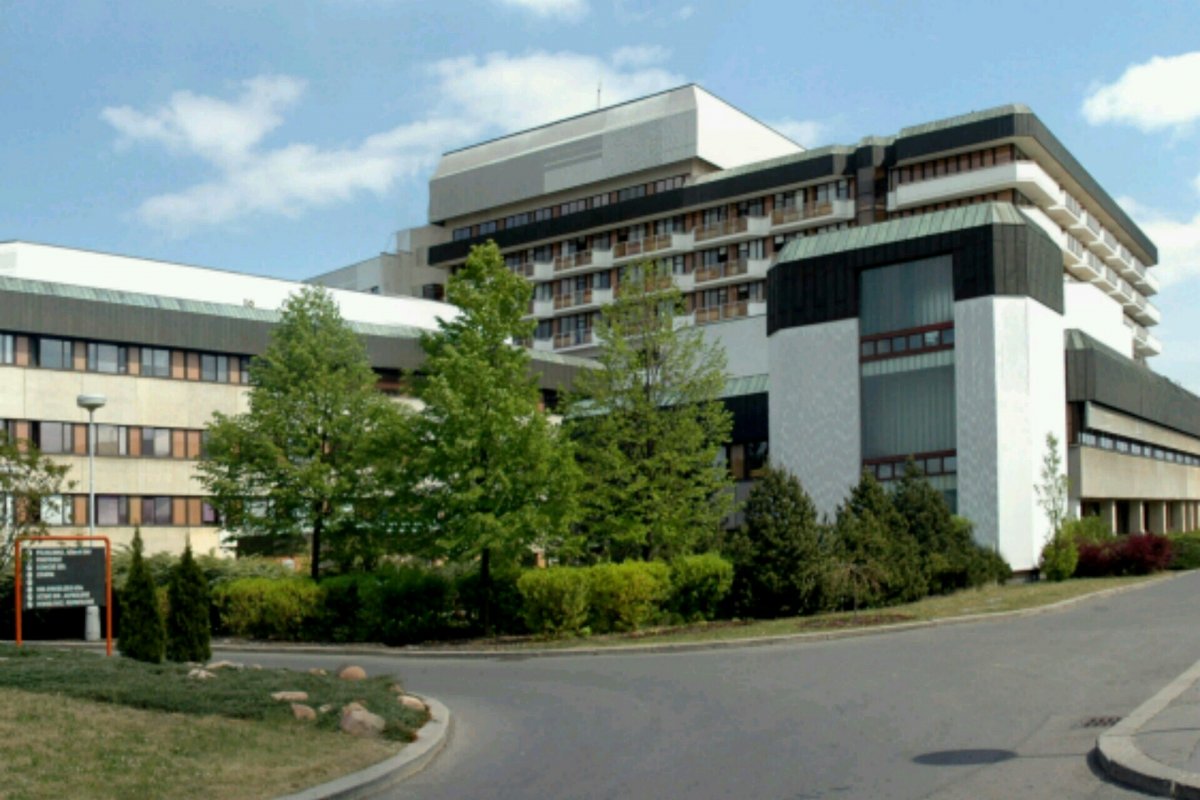
Robotic Surgery Center in St. Zdislava Hospital
جمهورية التشيك, فيلكي ميزيريسي
العيادة معتمدة من قبل : 




تمت مراجعة المقالة طبيا من قبل
فهد مولود
تتضمن تكلفة علاج سرطان البنكرياس في جمهورية التشيك عادةً التشخيصات الأساسية مثل مسح PET/CT الذي يتراوح سعره من $950 إلى $1,500. تتراوح تكلفة التدخلات الجراحية الأولية مثل جراحة ويبل (Whipple) من $25,000 إلى $45,000، بينما تتراوح تكلفة إجراءات النانو نايف (NanoKnife) المتخصصة بين $9,500 و $14,500. تعتمد التكاليف الإجمالية على مرحلة السرطان، والتكنولوجيا المستخدمة، ومستوى العيادة، وغالباً ما توفر وفورات بنسبة 50-80% مقارنة بالولايات المتحدة. تقع المراكز الطبية الرئيسية في براغ، وفيلكي ميزيريتشي، وبرنو.
تكاليف علاج سرطان البنكرياس النموذجية في جمهورية التشيك
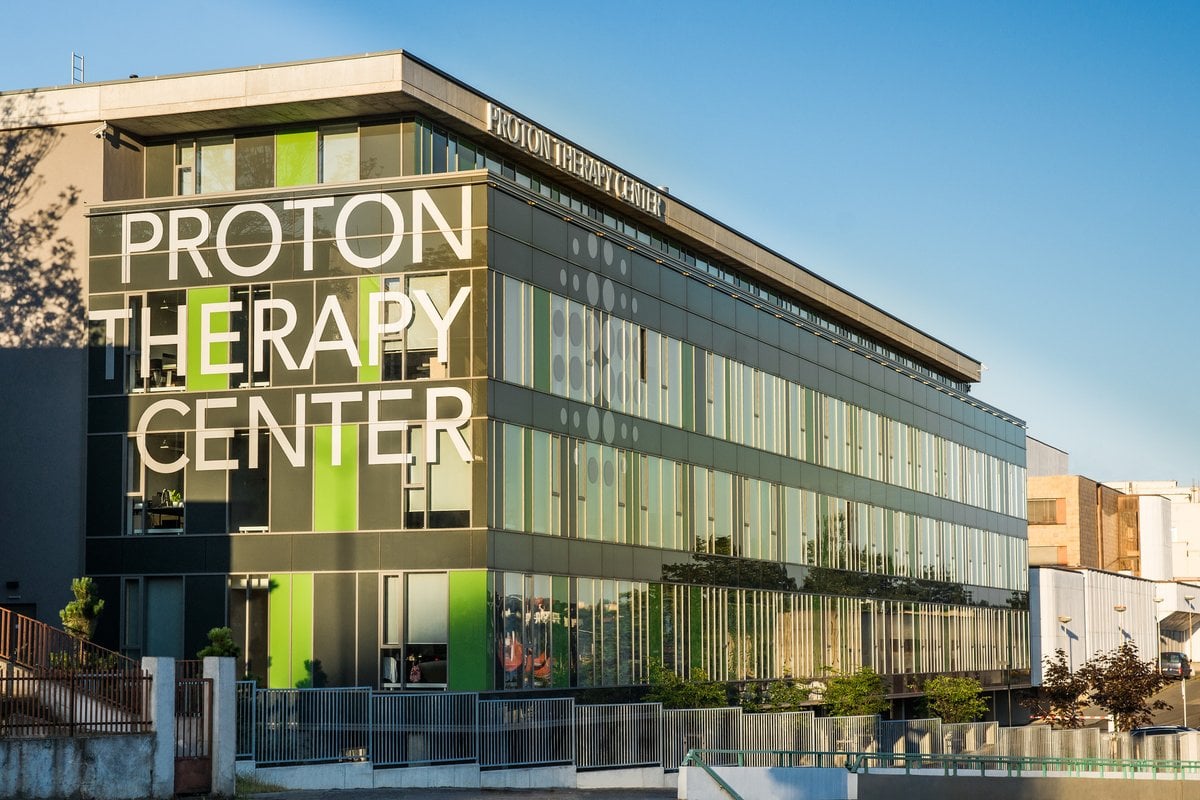
رؤية خبراء Bookimed: يجد المرضى الذين يحتاجون إلى علاج إشعاعي متقدم أفضل قيمة في مركز علاج البروتون في براغ. هذا المرفق هو الأكبر من نوعه في أوروبا ويتبع المعايير الدولية. بالنسبة لأولئك الذين يبحثون عن جراحة بمساعدة الروبوت، يعد مركز الجراحة الروبوتية في مستشفى سانت زدزيسلافا خياراً ممتازاً. أجرى الدكتور ياروسلاف تفاروزيك، وهو خبير معتمد في نظام دافنشي، أكثر من 3500 عملية روبوتية هناك. يوفر هذا المركز رعاية عالية المستوى في بيئة محمية طبيعية خارج العاصمة.
| جمهورية التشيك | تركيا | إسبانيا | |
|---|---|---|---|
| نانو نايف NanoKnife | ≈ $9,500 | ≈ $9,500 | ≈ $9,500 |
| سايبر نايف CyberKnife | ≈ $25,000 | من $4,900 | من $14,800 |
| المعالجة المقطعية | ≈ $6,500 | من $6,700 | ≈ $7,500 |
| العلاج بالبروتون (انظر العلاج بحزم البروتون) | ≈ $24,000 | من $25,000 | من $43,300 |
| العلاج الكيميائي لسرطان الثدي | ≈ $3,000 | من $3,000 | من $1,700 |

أكثر من 3500 عملية جراحية روبوتية تم إجراؤها – يقود الدكتور تفاروزيك مركز الجراحة الروبوتية في مستشفى القديسة زديسلافا.

كتب بواسطة Veronika Kazina

كتب بواسطة Veronika Kazina

كتب بواسطة Veronika Kazina

كتب بواسطة Veronika Kazina

كتب بواسطة Veronika Kazina
 Anna Leonova
يعد علاج سرطان البنكرياس في جمهورية التشيك آمناً ويتبع بروتوكولات طبية صارمة للاتحاد الأوروبي. توفر المراكز المتخصصة رعاية عالية الجودة من خلال فرق متعددة التخصصات. تقدم مرافق مثل مركز العلاج بالبروتون في براغ إشعاعاً متطوراً. كما يفرض القانون التشيكي تأميناً ضد الأخطاء الطبية لجميع العيادات.
رؤية خبير Bookimed: السلامة التقنية في جمهورية التشيك عالية بشكل استثنائي بسبب الاستثمار الكبير في الروبوتات. أجرى الدكتور ياروسلاف تفاروزيك في مستشفى سانت زدسلافا أكثر من 3500 جراحة روبوتية بمفرده. يشير هذا الحجم إلى أن اختيار مركز روبوتي عالي القدرة قد يوفر نتائج أكثر اتساقاً من المستشفيات الإقليمية الأصغر.
إجماع المرضى: يشير المرضى إلى أن الاستعانة بمترجم طبي يساعد في تجنب القلق أثناء التعافي. يقترح الكثيرون الحصول على جميع خطط الرعاية بعد الجراحة وجداول العلاج الكيميائي كتابةً قبل العودة إلى الوطن.
تحقق مراكز الأورام التشيكية ذات الحجم الكبير معدل بقاء على قيد الحياة لمدة 3 سنوات بنسبة 30% لعمليات استئصال البنكرياس الجذري. وهذا يتجاوز بشكل كبير معدل 2.8% للإجراءات غير الجذرية. يصل متوسط البقاء على قيد الحياة بعد الجراحة الكاملة إلى 22.8 شهرًا. يتم تركيز حوالي 87.5% من هذه العمليات الجراحية المعقدة في مرافق متخصصة.
رؤية خبير Bookimed: بينما تُعد براغ المركز الطبي، فإن مستشفى St. Zdislava في Velke Mezirici يؤدي أحجامًا كبيرة مع أكثر من 4000 عملية روبوتية مكتملة. وقد أجرى الدكتور Jaroslav Tvaruzek وحده أكثر من 3500 إجراء. تظهر بياناتنا أن اختيار المراكز التي تتمتع بهذا المستوى من التخصص الروبوتي قد يقلل من فترات الإقامة في المستشفى مقارنة بالجراحة المفتوحة التقليدية.
إجماع المرضى: يشير المرضى إلى أنه من الضروري الاستعداد لمكملات الإنزيمات مدى الحياة وتغييرات النظام الغذائي بعد الجراحة. يؤكد الكثيرون على إعطاء الأولوية للجراحين الذين يجرون أكثر من 20 إجراء Whipple سنويًا لضمان أفضل النتائج الممكنة.
يتمتع السياح الطبيون في جمهورية التشيك بإمكانية الوصول إلى علاجات متقدمة لسرطان البنكرياس بما في ذلك العلاج بالبروتونات، والجراحة الروبوتية، وNanoKnife. تقدم مرافق مثل مركز علاج البروتون في براغ ومستشفى سانت زدسلافا بروتوكولات متخصصة. تدمج هذه المراكز الإشعاع الدقيق مع التقنيات الجراحية طفيفة التوغل للرعاية الأورام.
رؤية خبير Bookimed: بينما تعد براغ المركز الرئيسي، يوفر مستشفى سانت زدسلافا في فيلكي ميزيريتشي ميزة فريدة للحالات الجراحية. أجرى الدكتور ياروسلاف تفاروزيك أكثر من 3500 عملية روبوتية في هذا المركز. يقع المرفق داخل محمية طبيعية، مما يوفر بيئة هادئة للتعافي المعقد بعد الجراحة. غالبًا ما يرتبط هذا الحجم الجراحي المرتفع بنتائج أفضل للإجراءات المعقدة مثل استئصال البنكرياس.
إجماع المرضى: يشير المرضى إلى أن المراكز التشيكية توفر خيارات عالية التقنية مثل NanoKnife للأورام التي تعتبر غير قابلة للجراحة في أماكن أخرى. يؤكد الكثيرون على ضرورة استخدام منسق لسد الفجوات اللغوية أث
يكون المرضى مؤهلين لعلاج سرطان البنكرياس في جمهورية التشيك إذا كانت حالة أدائهم البدني (ECOG) تتراوح بين 0-1 وكانت علاماتهم الحيوية مستقرة. تشمل الخيارات الحديثة العلاج بحزمة البروتون وجراحة ويبل الروبوتية. المضاعفات المتقدمة مثل الاستسقاء الشديد أو خلل وظائف الأعضاء الحاد تؤدي عادةً إلى عدم الأهلية.
رؤية خبير Bookimed: بينما تعد براغ المركز الرئيسي، توفر المراكز الروبوتية مثل مستشفى سانت زدسلافا رعاية متقدمة في مناطق أكثر هدوءًا. أجرت هذه المنشأة أكثر من 4000 عملية روبوتية. الدكتور ياروسلاف تفاروزيك هو خبير رائد هناك مع أكثر من 3500 إجراء. اختيار مراكز متخصصة خارج العاصمة يمكن أن يوفر بيئة أكثر هدوءًا للتعافي مع الحفاظ على معايير جراحية عالية.
إجماع المرضى: يشير المرضى إلى أن العيادات قد ترفض الحالات الميتاستازية (المنتشرة) بعد الفحوصات في الموقع إذا كان السرطان متقدمًا جدًا. من الضروري تأكيد الأهلية قبل السفر لتجنب رفض الاستقبال عند الوصول.
عادةً ما يبقى المرضى الذين يخضعون لجراحة سرطان البنكرياس في جمهورية التشيك في المستشفى لمدة تتراوح بين 12 إلى 14 يومًا. يتطلب التعافي الكامل عمومًا من شهرين إلى 3 أشهر. تستخدم المراكز المتخصصة مثل Nemocnice Na Homolce بروتوكولات للمساعدة في التحرك المبكر والعودة إلى النشاط الخفيف.
رؤية خبير Bookimed: بينما تعد براغ المركز الرئيسي، فإن مركز الجراحة الروبوتية في مستشفى سانت زديسلافا هو أكبر منشأة متخصصة. أجرى الدكتور ياروسلاف تفاروزيك أكثر من 3500 إجراء روبوتي هناك. تظهر البيانات أن مراكز الجراحة الروبوتية ذات الحجم الكبير غالبًا ما تحقق جداول زمنية للخروج أكثر قابلية للتنبؤ من أجنحة الأورام العامة.
إجماع المرضى: غالبًا ما يجد الأفراد الأسبوعين الأولين في المنزل تحديًا بسبب التعب والأنظمة الغذائية السائلة الصارمة. يؤكد الكثيرون أن الحصول على دعم منزلي خلال الشهر الأول أمر ضروري أثناء التعامل مع المصارف الجراحية وأدوية الإنزيمات الجديدة.
يحصل مرضى سرطان البنكرياس الدوليون في جمهورية التشيك على الرعاية من خلال منسقين متخصصين يتحدثون الإنجليزية وتطبيقات الترجمة الطبية لضمان دقة التواصل. تستخدم المراكز المعتمدة مثل Nemocnice Na Homolce ومركز علاج البروتون مترجمين محترفين وموظفين متعددي اللغات لإدارة الاستشارات الأورام المعقدة والتخطيط الجراحي.
رؤية خبير Bookimed: تشير البيانات إلى تمييز واضح بين المستشفيات متعددة التخصصات في براغ والمراكز المتخصصة مثل مستشفى سانت زدسلافا (St. Zdislava). بينما تتصدر سانت زدسلافا في حجم العمليات الروبوتية بأكثر من 4000 عملية، فإن موقعها في محمية طبيعية يعني أنها تؤكد على نموذج رعاية أكثر هدوءًا وشخصية. يجب على المرضى إعطاء الأولوية لهذه المراكز المتخصصة إذا كانوا يفضلون بيئة مركزة وأقل بيروقراطية لإجراءات البنكرياس المعقدة.
إجماع المرضى: يلاحظ المرضى أنه على الرغم من كفاءة الطاقم الطبي التشيكي العالية، إلا أن أسلوب تواصلهم غالبًا ما يكون مباشرًا ويفتقر إلى الأحاديث الجانبية. يوصي الكثيرون بإحضار السجلات الطبية المطبوعة باللغت
تعد براغ وبرنو المناطق الرئيسية لرعاية سرطان البنكرياس في جمهورية التشيك. توفر هذه المراكز إمكانية الوصول إلى معاهد الأورام المعتمدة من OECI والمراكز المتخصصة. يستخدم المرضى علاجات متقدمة مثل العلاج بالبروتون وجراحة ويبل الروبوتية داخل مرافق معتمدة من JCI لضمان معايير سلامة عالية.
رؤية خبراء Bookimed: بينما يركز العديد من المرضى على المستشفيات الجامعية الكبيرة في براغ، يعد مستشفى St. Zdislava في Velke Mezirici رائدًا خفيًا في الدقة الجراحية. لقد أجرى أكثر من 4000 عملية روبوتية. وقد أكمل الدكتور ياروسلاف تفاروزيك وحده أكثر من 3500 إجراء روبوتي في هذا المركز. بالنسبة لحالات البنكرياس المعقدة، غالبًا ما يرتبط هذا الحجم الجراحي الكبير بنتائج تعافي أفضل مقارنة بأقسام الجراحة العامة.
إجماع المرضى: يشير المرضى إلى أنه على الرغم من أن المراكز التشيكية توفر وفورات كبيرة في العمليات الجراحية المعقدة مثل إجراء ويبل، فإن التنقل في هذه المستشفيات العامة غالبًا ما يتطلب مترجمًا. من المهم التحقق من خبرة الجراح المحددة في حالات البنكرياس قبل الوصول.