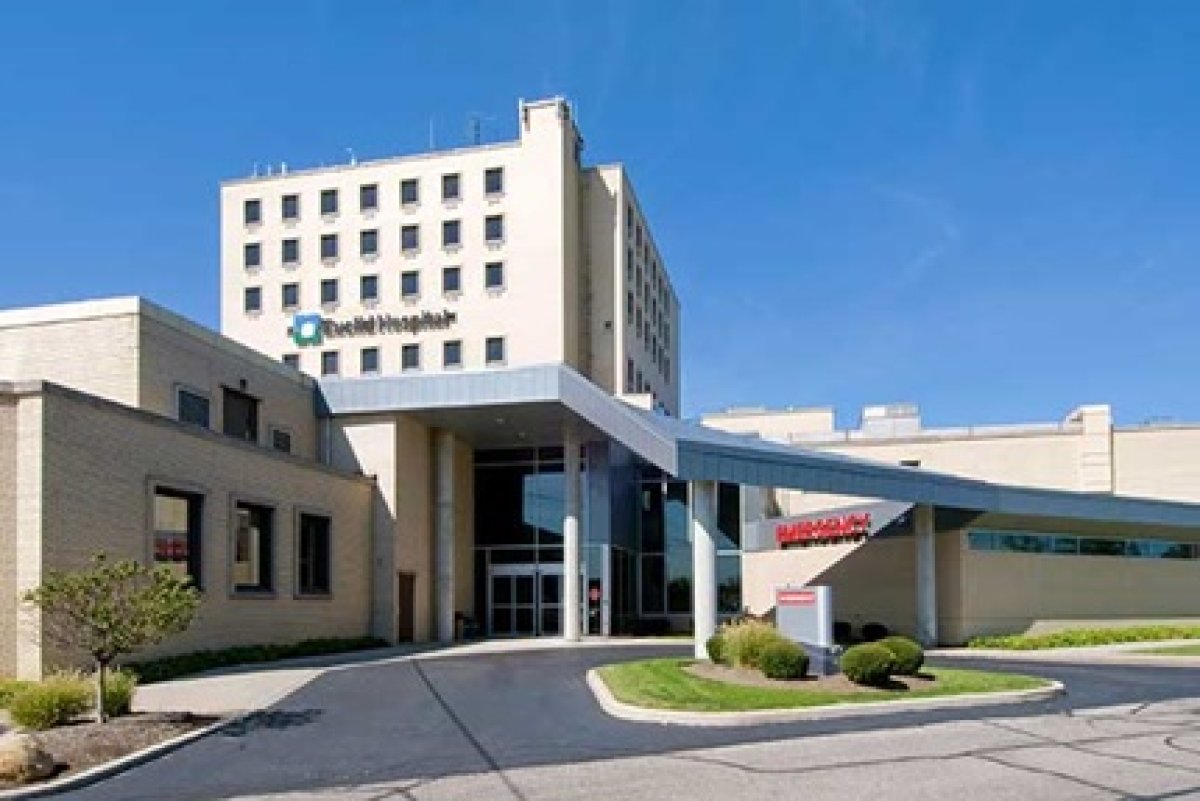
University of Texas MD Anderson Cancer Center
الولايات المتحدة الامريكيه, Houston


تمت مراجعة المقالة طبيا من قبل
فهد مولود
من $3,800. وتعد الخيارات الجراحية من العوامل الأساسية، حيث تتراوح تكلفة استئصال الثدي عادةً من $24,000 إلى $40,000، وتتراوح تكاليف استئصال الورم من $14,000 إلى $24,000. تعتمد النفقات الإجمالية على مرحلة المرض، وأنظمة الأدوية المحددة، ورسوم المستشفى. تشمل الوجهات الرائدة لتلقي الرعاية هيوستن، وميريلاند، ونيويورك.
تكاليف علاج سرطان الثدي النموذجية في الولايات المتحدة الأمريكية
رؤية خبراء Bookimed: يجب على المرضى الذين يبحثون عن أعلى مستوى من السلطة السريرية التفكير في مركز إم دي أندرسون للسرطان بجامعة تكساس. إنه مستشفى الأورام الأعلى تصنيفاً في الولايات المتحدة ويعالج أكثر من 130,000 مريض سنوياً. بالنسبة للحالات المعقدة، يقدم مركز ميموريال سلون كيترينج خبرة متخصصة مع أكثر من 15,600 متخصص طبي. يستفيد الأفراد الذين يحتاجون إلى جراحة ترميمية بعد استئصال الثدي من متخصصين مثل الدكتورة راشيل دولتز. توفر هذه المراكز رعاية متعددة التخصصات ضرورية لإدارة المراحل المتقدمة بفعالية.
| الولايات المتحدة الامريكيه | تركيا | إسبانيا | |
|---|---|---|---|
| سايبر نايف CyberKnife | ≈ $40,000 | من $4,900 | من $14,800 |
| جراحة إعادة بناء الثدي | من $12,000 | من $4,000 | من $6,500 |
| المعالجة المقطعية | ≈ $30,000 | من $6,700 | ≈ $7,500 |
| العلاج المناعي مع Keytruda (Pembolizumab) | ≈ $13,500 | من $3,900 | من $10,300 |
| استئصال سرطان الثدي | ≈ $28,000 | من $4,500 | من $12,000 |
Bookimed لا يضيف رسوماً إضافية على أسعار علاج سرطان الثدي. الأسعار مأخوذة من قوائم الأسعار الرسمية للعيادات. تدفع مباشرة في العيادة مقابل علاجك عند وصولك إلى البلد.
Bookimed ملتزم بسلامتك. نحن نعمل فقط مع المؤسسات الطبية التي تحافظ على معايير دولية عالية في علاج سرطان الثدي ولديها التراخيص اللازمة لخدمة المرضى الدوليين في جميع أنحاء العالم.
Bookimed يقدم مساعدة خبراء مجانية. منسق طبي شخصي يدعمك قبل وأثناء وبعد العلاج، ويحل أي مشاكل. لن تكون وحيداً أبداً في رحلة علاج سرطان الثدي.


الدكتورة راشيل دالتز هي أخصائية ثدي متفانية ومتخصصة في جراحات الثدي في مستشفى برينستون في بلينسبورو.

رئيس مركز الثدي في مركز إم دي أندرسون للسرطان بجامعة تكساس – أحد المستشفيات الرائدة في علاج السرطان في العالم.

كتب بواسطة Anna Leonova

كتب بواسطة Halina Shubala

كتب بواسطة Veronika Kazina

كتب بواسطة Veronika Kazina

كتب بواسطة Veronika Kazina
 Anna Leonova
يحدد نوع ومرحلة سرطان الثدي خارطة طريق علاجك في الولايات المتحدة. يحدد النوع المحركات البيولوجية للسرطان، مثل حالة HER2. تصف المرحلة حجم الورم وانتشاره الجسدي. تحدد هذه العوامل ما إذا كنت بحاجة إلى جراحة أو علاج كيميائي أو علاجات جزيئية موجهة.
رؤية خبير Bookimed: تستخدم مراكز الأورام الأمريكية مثل MD Anderson أو Memorial Sloan Kettering اختبارات متخصصة مثل Oncotype DX أو Ki-67. غالباً ما تتجاوز هذه الدرجات الجزيئية التصنيف التقليدي. قد يتخطى مريض المرحلة الثانية ذو الدرجة الجينومية المنخفضة العلاج الكيميائي بأمان. اطلب دائماً هذه العلامات المحددة قبل الانتهاء من خطة الجراحة.
إجماع المرضى: يؤكد المرضى أن نتائج التصوير الأولية غالباً ما تتغير بعد تقرير علم الأمراض النهائي. من الشائع رؤية تشخيص المرحلة 0 يتم ترقيته إلى سرطان غازي بمجرد تحليل الورم بالكامل.
يعد استئصال الورم خياراً متاحاً لسرطان الثدي في مراحله المبكرة عندما يكون الورم صغيراً وموضعياً. توفر كلتا الجراحتين نفس معدلات البقاء على قيد الحياة على المدى الطويل للمرحلتين 1 و 2. يعتمد الاختيار على حجم الورم وموقعه وقدرتك على الخضوع للعلاج الإشعاعي المطلوب بعد الجراحة.
رؤية خبراء Bookimed: تظهر البيانات من مراكز رائدة في الولايات المتحدة مثل MD Anderson أن العلاج الكيميائي المساعد الجديد يمكنه أحياناً تقليص الأورام الأكبر حجماً. قد يحول هذا النهج مريضاً كان يحتاج في البداية إلى استئصال الثدي إلى مرشح لاستئصال الورم. يركز أطباء الأورام المتخصصون مثل الدكتور ديباشيش تريباثي على استراتيجيات التنسيق المتقدمة هذه للحفاظ على الثدي بشكل مثالي.
إجماع المرضى: يؤكد المرضى على قيمة الحصول على رأي ثانٍ، حيث قد يعيد بعض الجراحين النظر في استئصال الثدي لصالح استئصال الورم باستخدام تقنيات الأورام التجميلية. يوصي الكثيرون بإجراء تصوير بالرنين المغناطيسي قبل الجراحة للتأكد من عدم تفويت أي بؤر سرطانية خفية قبل الانتهاء من الخطة الجراحية.
يعد الحصول على رأي ثانٍ لسرطان الثدي في الولايات المتحدة ممارسة قياسية ويشجع عليها أطباء الأورام على نطاق واسع. فهي تضمن دقة التشخيص وتستكشف بدائل متقدمة مثل العلاج المناعي أو التجارب السريرية. يمكنك ترتيب ذلك من خلال الشبكات المعتمدة من قبل شركات التأمين أو مراكز السرطان المتخصصة المعينة من قبل المعهد الوطني للسرطان (NCI) باستخدام البوابات الإلكترونية.
رؤية خبير Bookimed: تظهر البيانات أن 130,000 مريض يزورون إم دي أندرسون سنويًا، مما يوضح الطلب المرتفع على الآراء الثانية المتخصصة. بالنسبة لسرطان الثدي، غالبًا ما تؤدي هذه المراجعات إلى التحول من استئصال الثدي الكامل إلى استئصال الورم مع الحفاظ على الثدي. غالبًا ما يوفر الحصول على رأي ثانٍ في المراكز الأكاديمية الكبرى مثل جونز هوبكنز أو ميموريال سلون كيترينج إمكانية الوصول إلى فحوصات جينية محددة لطفرات BRCA التي قد تغفل عنها العيادات المحلية.
إجماع المرضى: يشير المرضى إلى أنه من الضروري الحصول على رأي ثانٍ قبل التوقيع على نماذج الموافقة على الجراحة. يؤكد الكثيرون أن شركات التأمين الكبرى مثل Unit
تعد التجارب السريرية خياراً مناسباً للمرضى الذين يستوفون معايير دراسة محددة ويبحثون عن علاجات مبتكرة. تختبر هذه الدراسات البحثية أدوية أو بروتوكولات جديدة للتأكد من سلامتها وفعاليتها. تتراوح الخيارات من علاجات الخط الأول للتشخيصات الجديدة إلى الرعاية المتقدمة لأنواع سرطان الثدي المتكررة أو العدوانية.
رؤية خبير Bookimed: تعالج مراكز الأبحاث مثل مركز إم دي أندرسون للسرطان أكثر من 130,000 مريض سنوياً. غالباً ما يترجم هذا الحجم الهائل إلى توفر تجارب أكثر تنوعاً للأنواع الفرعية النادرة. يجب على المرضى إعطاء الأولوية للمرافق الحاصلة على حالة المركز الشامل من المعهد الوطني للسرطان (NCI). غالباً ما تستضيف هذه المؤسسات تجارب المرحلة 2 و 3 ذات احتمالية نجاح أعلى من دراسات المرحلة المبكرة.
إجماع المرضى: غالباً ما ينظر المرضى المصابون بسرطان عدواني في المرحلة 3 أو سرطان الثدي الثلاثي السلبي إلى التجارب كمسار حيوي. على الرغم من أن الآثار الجانبية قد تكون شديدة، يشعر الكثيرون أن الوصول إلى علاجات مناعية محددة يفوق أعباء السفر اللوجس
غالبًا ما يسبب العلاج الكيميائي لسرطان الثدي تساقطًا مؤقتًا للشعر وتغيرات في القدرة الإنجابية. يبدأ الشعر عادةً في التساقط بعد أسبوعين إلى 4 أسابيع من بدء العلاج. الآثار الإنجابية الكبيرة مثل انقطاع الطمث المبكر أو العقم شائعة. ينمو معظم الشعر مرة أخرى بعد 3 إلى 6 أشهر من انتهاء العلاج الكيميائي.
رؤية خبير Bookimed: تستخدم المراكز السريرية الرائدة مثل مركز إم دي أندرسون للسرطان بجامعة تكساس ومركز ميموريال سلون كيترينج للسرطان فرقًا متخصصة لهذه الآثار الجانبية. بينما يعالج مركز إم دي أندرسون أكثر من 130,000 مريض سنويًا، تعطي المراكز الأمريكية الكبرى الأولوية للرعاية متعددة التخصصات. وغالبًا ما يدمجون أخصائيي الخصوبة مباشرة في خطة علاج سرطان الثدي الأولية.
إجماع المرضى: يشير المرضى إلى أن تساقط الشعر غالبًا ما يشمل الحواجب والرموش بحلول الشهر الثاني. يؤكد الكثيرون أنه على الرغم من نمو الشعر مرة أخرى، إلا أن الانتقال إلى انقطاع الطمث المفاجئ قد يكون أمرًا صعبًا.
يواصل معظم المرضى في الولايات المتحدة العمل وممارسة الرياضة بأمان أثناء علاج سرطان الثدي. الحفاظ على روتين يدعم الصحة العقلية ويقلل من التعب. يجب عليك تعديل الكثافة بناءً على مستويات طاقتك وعلاجك المحدد. استشر طبيب الأورام دائمًا قبل البدء في أنشطة بدنية جديدة.
رؤية خبير Bookimed: غالبًا ما يستفيد المرضى في المراكز ذات الحجم الكبير مثل MD Anderson من العلاج الطبيعي المتكامل. في حين تشير الإرشادات العامة إلى 150 دقيقة من النشاط، تظهر البيانات أن حتى المشي لمدة 10 دقائق خلال دورات العلاج الكيميائي AC-T يحافظ بشكل كبير على كتلة العضلات. ركز على الحركة خلال أيام طاقتك العالية لمواجهة التعب التراكمي النموذجي لأكثر من 25 مركزًا متخصصًا في الأورام.
إجماع المرضى: يجد العديد من المرضى أن وظائف المكتب عن بُعد يمكن إدارتها، لكنهم يقترحون أخذ يومين على الأقل إجازة بعد كل حقنة علاج كيميائي. يوصى بشدة بالمشي الخفيف واليوغا لتصفية "دماغ الكيماوي" وإدارة أعراض الاعتلال العصبي بفعالية.
يضمن القانون الفيدرالي الأمريكي الجراحة الترميمية وفحوصات الوقاية من خلال قانون حقوق المرأة والسرطان وقانون الرعاية الميسرة. يجب أن تغطي معظم الخطط جميع مراحل إعادة البناء، وإجراءات التماثل، والأطراف الاصطناعية بعد استئصال الثدي. تظل صور الثدي بالأشعة السينية (الماموجرام) السنوية للنساء اللواتي تتراوح أعمارهن بين 40 و74 عاماً ميزة قياسية بدون تكلفة.
رؤية خبراء Bookimed: تدير مراكز الأورام الرائدة مثل مركز إم دي أندرسون للسرطان بجامعة تكساس ومركز ميموريال سلون كيترينج للسرطان أكثر من 100,000 مريض. غالباً ما توظف هذه المؤسسات ذات الحجم الكبير منسقين متخصصين للتنقل في تعقيدات التأمين. اختيار منشأة بها مركز مخصص للثدي، مثل المركز الذي يقوده الدكتور ديباشيش تريباثي، يضمن الوصول إلى فرق متكاملة لإعادة البناء والأورام.
إجماع المرضى: يشير المرضى إلى أنه من المهم الاستعداد لرفض التأمين الأولي للغرسات المتخصصة أو إعادة البناء الفوري. العمل مع جراحي التجميل الذين يقدمون