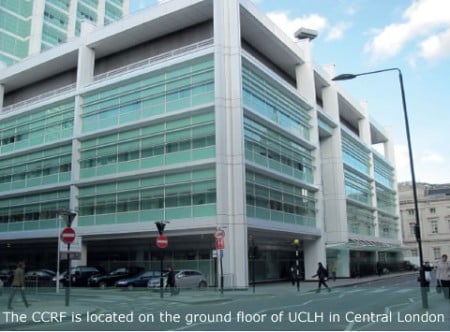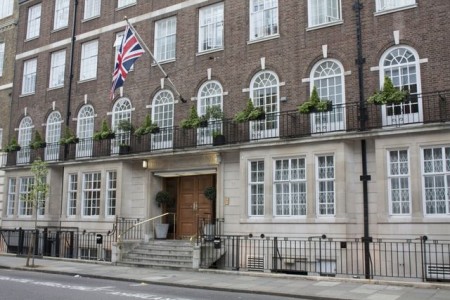
Harley Street Clinic
المملكة المتحدة, لندن


تمت مراجعة المقالة طبيا من قبل
فهد مولود
من $1,500. وتتراوح تكلفة التدخلات الجراحية الأولية مثل استئصال الثدي من $12,000 إلى $20,000، بينما تتراوح تكلفة جراحة سرطان الثدي من $11,500 إلى $19,500. تعتمد النفقات الإجمالية على مرحلة السرطان، ومستوى العيادة المختارة، وضرورة العلاجات التكميلية مثل العلاج الكيميائي أو الإشعاعي. وتعد لندن من أفضل المدن لرعاية الأورام الخاصة.
تكاليف علاج سرطان الثدي النموذجية في المملكة المتحدة
رؤية خبراء Bookimed: غالباً ما يختار المرضى الباحثون عن رعاية أورام خاصة عالية المستوى المراكز الموجودة في لندن ضمن شبكة HCA Healthcare UK. يُعد مستشفى Harley Street في University College Hospital الأفضل للحالات المعقدة التي تتطلب وصولاً تشخيصياً على مدار الساعة طوال أيام الأسبوع. تحمل هذه المنشأة شهادات ISO وCQC، مما يضمن معايير سلامة صارمة للعلاجات الجراحية والجهازية. يوفر مستشفى Wellington أكبر بيئة خاصة في المملكة المتحدة لأولئك الذين يحتاجون إلى دعم متعدد التخصصات. هذه المراكز مثالية للمرضى الذين يعطون الأولوية للوصول السريع إلى التشخيصات المتقدمة والرعاية الجراحية المتكاملة بدلاً من الانتظار وفق جداول هيئة الخدمات الصحية الوطنية (NHS).
| المملكة المتحدة | تركيا | إسبانيا | |
|---|---|---|---|
| سايبر نايف CyberKnife | ≈ $35,000 | من $4,900 | من $14,800 |
| جراحة إعادة بناء الثدي | من $6,500 | من $4,000 | من $6,500 |
| المعالجة المقطعية | ≈ $11,500 | من $6,700 | ≈ $7,500 |
| العلاج المناعي مع Keytruda (Pembolizumab) | ≈ $7,000 | من $3,900 | من $10,300 |
| استئصال سرطان الثدي | ≈ $11,500 | من $4,500 | من $12,000 |
Bookimed لا يضيف رسوماً إضافية على أسعار علاج سرطان الثدي. الأسعار مأخوذة من قوائم الأسعار الرسمية للعيادات. تدفع مباشرة في العيادة مقابل علاجك عند وصولك إلى البلد.
Bookimed ملتزم بسلامتك. نحن نعمل فقط مع المؤسسات الطبية التي تحافظ على معايير دولية عالية في علاج سرطان الثدي ولديها التراخيص اللازمة لخدمة المرضى الدوليين في جميع أنحاء العالم.
Bookimed يقدم مساعدة خبراء مجانية. منسق طبي شخصي يدعمك قبل وأثناء وبعد العلاج، ويحل أي مشاكل. لن تكون وحيداً أبداً في رحلة علاج سرطان الثدي.


كتب بواسطة Anna Leonova

كتب بواسطة Halina Shubala

كتب بواسطة Veronika Kazina

كتب بواسطة Veronika Kazina

كتب بواسطة Veronika Kazina
 Anna Leonova
يتضمن علاج سرطان الثدي في المملكة المتحدة الجراحة، والعلاج الإشعاعي، والعلاج الكيميائي، والعلاجات الموجهة. تستخدم المراكز المتخصصة مثل Harley Street في مستشفى University College فرقاً متعددة التخصصات لتقديم رعاية فردية. تعطي هذه البروتوكولات الأولوية لجراحة الحفاظ على الثدي أو استئصال الثدي متبوعاً بعلاج هرموني طويل الأمد للحالات الإيجابية للهرمونات.
رؤية خبير Bookimed: تعطي مراكز الأورام الخاصة في المملكة المتحدة الأولوية للتكنولوجيا فائقة الدقة لتقليل فترات التعافي. كانت عيادة Harley Street رائدة في بريطانيا في تقديم تقنية CyberKnife، والتي قد تتراوح تكلفتها بين 35,000 إلى 55,000 دولار تقريباً. يضمن اختيار العيادات الحاصلة على اعتمادات لجنة جودة الرعاية (CQC) وJACIE أعلى المعايير لعلاجات الخلايا الجذعية المعقدة أو السرطانات المتعلقة بالدم.
إجماع المرضى: يشير المرضى إلى أن تسلسل العلاج مرن للغاية وغالباً ما يتغير بناءً على نتائج علم الأمراض. يؤكد الكثيرون على أهمية مناقشة الحفا
الجراحة ليست دائماً الخطوة الأولى في علاج سرطان الثدي. على الرغم من أنها المعيار للمراحل المبكرة، إلا أن التسلسل يعتمد على بيولوجيا الورم ومرحلته. غالباً ما يستخدم الأطباء العلاج الكيميائي أو العلاج الهرموني أولاً لتقليص الأورام الكبيرة أو التعامل مع الأنواع الفرعية العدوانية مثل سرطان HER2-إيجابي.
رؤية خبير Bookimed: تدمج المراكز البريطانية المتقدمة مثل Harley Street في مستشفى كلية لندن (University College Hospital) التجارب السريرية مع الرعاية القياسية. وهذا يسمح لبعض المرضى بالوصول إلى علاجات ناشئة قبل الجراحة. يستفيد المرضى في هذه المرافق من نهج الفريق متعدد التخصصات. وهذا يضمن أن ترتيب العلاج يزيد من فرصة تحقيق استجابة مرضية كاملة.
إجماع المرضى: يشير المرضى إلى أنه من الشائع الشعور بالمفاجأة إذا بدأ العلاج الكيميائي قبل الجراحة. ويؤكدون على أهمية سؤال طبيب الأورام الخاص بك عن سبب اختيار تسلسل معين لعلاماتك الحيوية.
يعمل استئصال الورم على إزالة الورم فقط مع حافة رقيقة من الأنسجة السليمة للحفاظ على الثدي. بينما يزيل استئصال الثدي جميع أنسجة الثدي. يوفر كلا الإجراءين معدلات بقاء طويلة الأمد متساوية لسرطان الثدي في مراحله المبكرة. يعتمد الاختيار على حجم الورم، والعوامل الوراثية، وقدرة المريض على الخضوع للعلاج الإشعاعي اللاحق.
رؤية خبراء Bookimed: تدمج مراكز لندن مثل Harley Street في مستشفى جامعة كوليدج تجارب سريرية متخصصة. وهذا يسمح للمرضى بالوصول إلى علاجات دوائية متقدمة جنباً إلى جنب مع الجراحة. في حين أن تكلفة استئصال الثدي قد تتراوح بين 12,000 إلى 20,000 دولار، فإن اختيار عيادة ذات ارتباطات بحثية يوفر مسارات علاجية أكثر إذا لم تكن الحواف نظيفة بعد استئصال الورم الأول.
إجماع المرضى: يشير المرضى إلى أن اختيار استئصال الورم غالباً ما يكون أولوية عندما يرى الجراحون أن ذلك ممكن سريرياً. ويؤكدون أنه على الرغم من سرعة التعافي، يجب أن تكون مستعداً لاحتمالية إجراء جراحة ثانية إذا لم تكن الحواف نظيفة.
لا يعني بالضرورة أنك ستحتاجين إلى العلاج الكيميائي أو الإشعاعي لسرطان الثدي. يعتمد العلاج على نوع السرطان والمرحلة والعلامات الجينية. قد تتطلب الحالات المبكرة الجراحة أو العلاج الهرموني فقط. غالبًا ما تحل البدائل الحديثة مثل العلاج المناعي والأدوية الموجهة محل الطرق التقليدية.
رؤية خبير Bookimed: تقدم مراكز لندن بدائل متخصصة للغاية للإشعاع التقليدي. كانت عيادة Harley Street Clinic هي الأولى في المملكة المتحدة التي تطبق تقنية CyberKnife. وهذا يسمح بعلاج دقيق وغير جراحي قد يكون مناسبًا للمرضى الذين لا يستطيعون الخضوع للعلاج الإشعاعي أو الجراحة القياسية.
إجماع المرضى: يشير المرضى إلى أن خطط العلاج غالبًا ما تبدو غير مؤكدة حتى تصل نتائج علم الأمراض النهائية بعد الجراحة. يؤكد الكثيرون أن درجة Oncotype العالية هي سبب رئيسي لتوصية الأطباء بالعلاج الكيميائي لحالات ما قبل انقطاع الطمث.
يستمر العلاج الهرموني لسرطان الثدي عادةً ما بين 5 إلى 10 سنوات. وتستمر الفوائد الوقائية ضد تكرار الإصابة لمدة تصل إلى 20 عاماً بعد الانتهاء. عادةً ما يزول تأثير الأدوية من مجرى الدم في غضون أسابيع. قد تستمر الآثار الجانبية مثل آلام المفاصل لعدة أشهر.
رؤية خبير Bookimed: تمتلك عيادات مثل Harley Street في مستشفى University College Hospital اعتمادات ISO وJACIE. تشير هذه الاعتمادات إلى معيار عالٍ لبروتوكولات الدم والسرطان المعقدة. يجب على المرضى إعطاء الأولوية للمرافق التي تحمل مثل هذه الشهادات المتخصصة عند التعامل مع الآثار الجانبية الهرمونية طويلة الأمد.
إجماع المرضى: غالباً ما يستخدم المرضى اختبارات متخصصة عند علامة الـ 5 سنوات لاتخاذ قرار بشأن التمديد. ويؤكدون على موازنة الفوائد المتواضعة مقابل التعب اليومي المستمر وتيبس المفاصل.
تستخدم رعاية المتابعة لسرطان الثدي في هيئة الخدمات الصحية الوطنية (NHS) خطة رعاية ودعم مخصصة مصممة لتلبية احتياجات التعافي. يتلقى المرضى عادةً تصوير الثدي بالأشعة السينية (الماموجرام) سنويًا للمراقبة. يستخدم النظام بشكل متزايد نموذج المتابعة الذي يبدأه المريض. وهذا يسمح بالحجز المباشر مع الفرق المتخصصة إذا ظهرت أعراض جديدة بين الفحوصات الروتينية.
رؤية خبير Bookimed: بينما توفر NHS رعاية شاملة، تحافظ المراكز الرائدة في لندن مثل Harley Street في مستشفى كلية لندن الجامعي على خبرة عالية الحجم. وهي حاصلة على اعتمادات اللجنة المشتركة للاعتماد ISCT-Europe & EBMT (JACIE) وشهادات ISO. تضمن هذه الاعتمادات أنه حتى بالنسبة لرعاية الأورام المعقدة المتعلقة بالدم، فإن بروتوكولات المتابعة تلبي معايير السلامة الدولية الصارمة.
إجماع المرضى: يلاحظ المرضى أن رعاية المتابعة غالبًا ما تبدو