علاج إلتهاب المعدة في بولندا — احصل على 3 عيادات مختارة خصيصاً لك


تمت مراجعة المقالة طبيا من قبل
فهد مولود
كيف نعمل؟
ما هي تكلفة إلتهاب المعدة إجراءات التشخيص والعلاج في بولندا؟ اعرف الآن
تعتمد تكلفة علاج التهاب المعدة في بولندا بشكل أساسي على الإجراءات التشخيصية واستشارات الأخصائيين. من $90. تعتمد النفقات الإجمالية على مستوى العيادة ومرحلة المرض. يوفر المرضى عادةً ما بين 50-70% مقارنة بالولايات المتحدة. تشمل أفضل المدن لرعاية الجهاز الهضمي وارسو، وكراكوف، وجيلينيا غورا.
تكاليف علاج التهاب المعدة النموذجية في بولندا
- استشارة طبيب الجهاز الهضمي: من $90
- تحليل الدم الكيميائي الحيوي: $50 – $100
- تخطيط كهربية القلب (ECG): من $28
رؤية خبراء Bookimed: بالنسبة للاحتياجات التشخيصية المعقدة، توفر المراكز التابعة للجامعات أقوى بنية تحتية تقنية. يدير المستشفى الجامعي في كراكوف أكثر من 450,000 مريض سنوياً مع موارد قسم واسعة النطاق. يجب على المرضى الدوليين الذين يبحثون عن رعاية مبسطة التفكير في عيادة KCM في جيلينيا غورا. تتميز هذه المنشأة الحاصلة على شهادة ISO بفرق متخصصة وبرامج مخصصة للمقيمين الأجانب. تعتبر هذه المراكز مثالية للمرضى الذين يحتاجون إلى تنسيق متعدد التخصصات لإدارة التهاب المعدة المزمن.
اكتشف أفضل إلتهاب المعدة العيادات في بولندا: 4 خيارات معتمدة والأسعار




University Hospital in Krakow
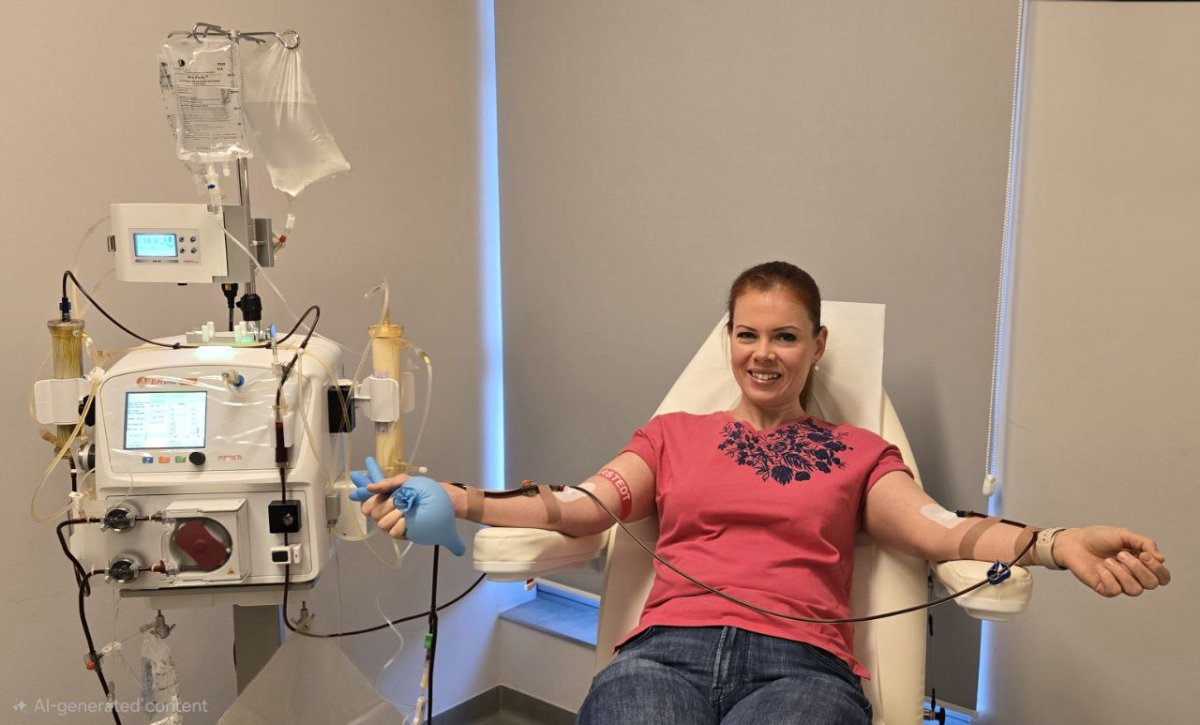
DNTRIPLED Medical Services مركز العلاج بالأفريز العلاجي
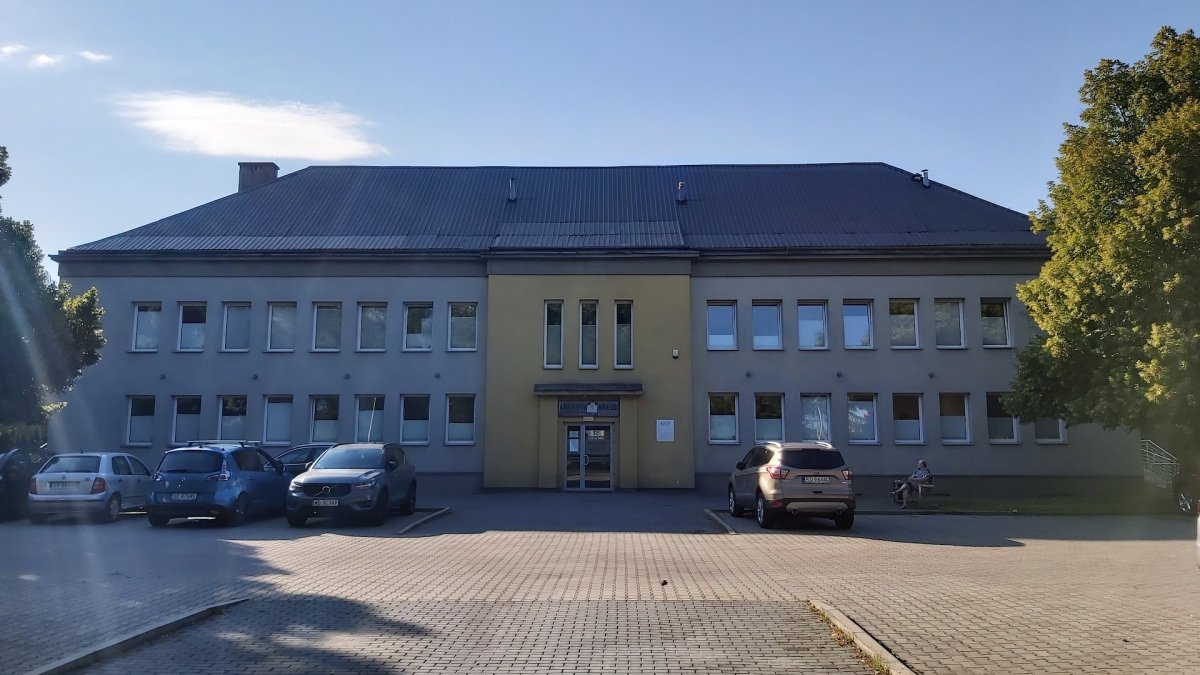
Rmed Kopernika
المراجعات
جميع المراجعاتمشاركة المحتوى
قصص فيديو من مرضى Bookimed
 Anna Leonova
أسئلة متكررة حول علاج إلتهاب المعدة في بولندا
ما هي الاختبارات التشخيصية لالتهاب المعدة المتاحة في بولندا؟
تشمل الاختبارات التشخيصية لالتهاب المعدة في بولندا فحوصات غير جراحية وإجراءات تنظيرية متقدمة. يمكن للمرضى الوصول إلى تنظير المعدة مع أخذ خزعة، واختبارات التنفس لجرثومة الملوية البوابية (Helicobacter pylori)، وتحليل مستضد البراز. توفر مرافق مثل مستشفى جامعة كراكوف وعيادة KCM هذه الخدمات باستخدام معدات تصوير ومختبرات بمعايير ISO.
- تنظير المعدة: يصور بطانة المعدة للكشف عن الالتهاب ويسمح بجمع عينات الأنسجة.
- اختبارات جرثومة المعدة (H. pylori): تشمل اختبارات التنفس باليوريا، واختبارات مستضد البراز، وفحوصات مصل الدم.
- التحليل المخبري: يساعد تعداد الدم الكامل (CBC) والتحليل الكيميائي الحيوي في تحديد فقر الدم أو الالتهاب.
- التصوير التشخيصي: يساعد التصوير بالموجات فوق الصوتية للبطن أو الأشعة المقطعية في استبعاد حالات الجهاز الهضمي الأخرى.
رؤية خبير Bookimed: بولندا هي مركز طبي ذو حجم كبير، حيث تحتل المرتبة الثالثة عالمياً في شبكتنا لطلبات المرضى. تتعامل مراكز مثل مستشفى جامعة كراكوف مع أكثر من 450,000 مريض سنوياً. غالباً ما يؤدي هذا النطاق الهائل إلى وجود أقسام متخصصة للغاية، ولكن يجب على المرضى الدوليين إعطاء الأولوية لعيادات مثل عيادة KCM. فهي تصمم برامج خاصة للضيوف الأجانب لإدارة الخدمات اللوجستية بشكل أكثر كفاءة من المستشفيات العامة.
إجماع المرضى: يشير المرضى إلى أنه من المهم التأكد مما إذا كانت الخزعة مشمولة أثناء تنظير المعدة. يؤكد الكثيرون أن الصيام والتواصل الواضح بشأن التخدير يساعدان في إدارة القلق أثناء الإجراء.
ما هي الأدوية التي توصف عادةً لالتهاب المعدة في بولندا؟
يصف الأطباء البولنديون عادةً مثبطات مضخة البروتون مثل أوميبرازول، وبانتوبرازول، وإيسوميبرازول لعلاج التهاب المعدة. يشمل العلاج عادةً مثبطات الحموضة وواقيات الغشاء المخاطي. إذا كانت بكتيريا الملوية البوابية (Helicobacter pylori) موجودة، يستخدم المتخصصون في المراكز متعددة التخصصات مثل مستشفى جامعة كراكوف أنظمة محددة لاستئصال البكتيريا بالمضادات الحيوية.
- مثبطات مضخة البروتون: يعتبر أوميبرازول وبانتوبرازول خيارات الخط الأول لمدة 4-8 أسابيع.
- علاج الاستئصال: يجمع العلاج الثلاثي بين مثبط مضخة البروتون مع أموكسيسيلين وكلاريثروميسين.
- واقيات الغشاء المخاطي: أدوية مثل ريباميبيد أو ألوغاسترين تغلف وتحمي بطانة المعدة.
- المتطلبات التشخيصية: اختبارات التنفس أو البراز لبكتيريا الملوية البوابية هي إجراء قياسي قبل البدء بمثبطات مضخة البروتون طويلة الأمد.
رؤية خبير Bookimed: تظهر البيانات من المراكز البولندية الكبرى مثل عيادة KCM أن المتخصصين في القطاع الخاص يفضلون غالبًا إيسوميبرازول على أوميبرازول العام لامتصاص أفضل. بينما يعالج مستشفى جامعة كراكوف 455,000 مريض سنويًا ببروتوكولات تقليدية، توفر العيادات الخاصة الأصغر غالبًا علاجات رباعية بالبزموت لمدة 10 أيام أكثر تخصيصًا. يجب على المرضى التأكد مما إذا كانت تكاليف الخزعة مدرجة في حزمة تنظير المعدة الخاصة بهم، حيث يتم محاسبتها غالبًا بشكل منفصل.
إجماع المرضى: يشير المرضى إلى أنه على الرغم من أن مثبطات الحموضة تعمل بسرعة، إلا أن التوقف عنها بعد الاستخدام طويل الأمد قد يكون صعبًا. يؤك
هل يمكنني العثور على خطط غذائية متخصصة لالتهاب المعدة في العيادات البولندية؟
توفر المراكز الطبية البولندية خطط تغذية متخصصة لالتهاب المعدة من خلال أقسام أمراض الجهاز الهضمي وأخصائيي التغذية السريرية. تقدم المرافق فحوصات تشخيصية تشمل تحاليل الدم الكيميائية الحيوية واستشارات أطباء الجهاز الهضمي. تركز الأنظمة الغذائية الشخصية على إعادة بناء الغشاء المخاطي والتوازن الإنزيمي باستخدام المبادئ التوجيهية السريرية المحلية.
- البروتوكولات الغذائية: تستخدم العيادات خططاً سهلة الهضم للحد من محفزات حمض المعدة.
- هيكل الوجبات: توصي المبادئ التوجيهية بـ 5-6 وجبات صغيرة يومياً لتقليل ضغط المعدة.
- الاختبارات التشخيصية: يستخدم المتخصصون تنظير المعدة وتحليل الدم لتخصيص الاستثناءات الغذائية.
- الرعاية المعتمدة: تحافظ مراكز مثل عيادة KCM على معايير ISO لخدمات فحص الجهاز الهضمي.
رؤية خبير Bookimed: تعمل بولندا على توسيع نطاق خدمات أمراض الجهاز الهضمي لديها بفعالية. يدير المستشفى الجامعي في كراكوف 455,000 مريض سنوياً. يشير هذا الحجم الكبير عبر 103 أقسام إلى بنية تحتية تشخيصية قوية. تجذب المراكز المتخصصة مثل عيادة KCM 700 مريض دولي سنوياً. وغالباً ما يجمعون بين الاستشارات والتشخيصات الشاملة الموجودة بالقرب من المراكز الرئيسية مثل فروتسواف.
إجماع المرضى: يجد المرضى أن العيادات الخاصة غالباً ما توفر خططاً مطبوعة. ويشيرون إلى أن إعطاء الأولوية لاختبار الملوية البوابية (H. pylori) غالباً ما يكون أكثر فعالية من اتباع أنظمة غذائية صارمة وحدها.
هل تتوفر خدمات دعم لغوي للمرضى الدوليين في بولندا؟
يحصل المرضى الدوليون في بولندا على دعم لغوي من خلال أقسام دولية مخصصة وطاقم طبي يتحدث الإنجليزية في العيادات الخاصة. غالبًا ما توفر المراكز الكبيرة منسقين شخصيين. كما تقدم وكالات متخصصة خدمات الترجمة الطبية الفورية في الموقع أو عن بُعد للاستشارات والفحوصات في جميع أنحاء البلاد.
- الأقسام الدولية: تقدم عيادات مثل KCM Clinic مساعدة متخصصة للمرضى الأجانب.
- الكفاءة اللغوية: توظف المستشفيات الخاصة عادةً أطباء وموظفي استقبال يتحدثون الإنجليزية بطلاقة كمعيار أساسي.
- الترجمة المعتمدة: توفر الوكالات ترجمات معتمدة للوثائق الطبية لأغراض التأمين أو السجلات.
- التنسيق الشخصي: تقوم بعض العيادات بتعيين مساعدين لمرافقة المرضى أثناء التسجيل وإجراء الفحوصات.
رؤية خبير Bookimed: بينما تخدم المؤسسات الكبيرة مثل مستشفى جامعة كراكوف أكثر من 450,000 مريض سنويًا، غالبًا ما توفر المراكز الخاصة الأصغر دعمًا لغويًا أكثر تخصيصًا. تخدم عيادة KCM أكثر من 700 مريض دولي سنويًا من المملكة المتحدة وألمانيا. يرتبط هذا الحجم الكبير من الضيوف الأجانب عادةً بفرق إدارية أكثر خبرة في التحدث بالإنجليزية.
إجماع المرضى: يشير المرضى إلى أنه على الرغم من أن الأطباء الأصغر سنًا غالبًا ما يتحدثون الإنجليزية بطلاقة، إلا أن الموظفين الإداريين قد تكون لديهم معرفة محدودة باللغة الإنجليزية. يوصي العديد من المسافرين بإحضار سجلات طبية مطبوعة ومترجمة إلى البولندية لتجنب فجوات التواصل مع موظفي الدعم.
ما مدى جودة جراحة الأعصاب في بولندا؟
تُقدم جراحة الأعصاب في بولندا رعاية عالية الجودة في مرافق معتمدة من قبل اللجنة الدولية المشتركة (JCI) والمنظمة الدولية للمعايير (ISO). يلتزم جراحو الأعصاب البولنديون بمعايير تدريب صارمة معتمدة من قبل الاتحاد الأوروبي. وقد أكمل العديد منهم زمالات في الولايات المتحدة أو ألمانيا. وتتوفر التقنيات المتقدمة، مثل جهاز سايبر نايف وجهاز جاما نايف والأنظمة الروبوتية، على نطاق واسع في المراكز الخاصة.
- المؤهلات التخصصية: غالباً ما يكون الأطباء أعضاء في الرابطة الأوروبية لجمعيات جراحة الأعصاب.
- التقنيات المتقدمة: تستخدم العيادات أنظمة CyberKnife والموجات فوق الصوتية المركزة الموجهة بالرنين المغناطيسي لعلاج الدماغ غير الجراحي.
- الحجم السريري: تعالج المراكز الرائدة مثل مستشفى الجامعة في كراكوف أكثر من 455000 مريض سنوياً.
- جراحون ذوو خبرة: أجرى الدكتور ماسيج بوجكو من مستشفى كارولينا أكثر من 2500 عملية جراحية بمفرده.
رأي خبراء بوكيمد: تُظهر البيانات وجود علاقة وثيقة بين تخصص العيادة وأصول مرضاها. تعالج عيادة KCM أكثر من 700 مريض دولي سنويًا، وهي متخصصة في جراحة العمود الفقري طفيفة التوغل. يُمكّنها هذا الحجم من العمل من تقديم باقات خدمات متخصصة، تشمل غالبًا حواجز تشخيصية وزرعات محددة،
ما هي مؤهلات جراحي الأعصاب البولنديين؟
يُعدّ جراحو الأعصاب البولنديون متخصصين ذوي كفاءة عالية، إذ أتموا ما لا يقل عن 13 عامًا من التدريب الطبي المكثف. يشمل ذلك ست سنوات من الدراسة في كلية الطب، و13 شهرًا من التدريب العملي، وست سنوات من الإقامة. ويجب عليهم اجتياز امتحان التخصص الحكومي (PES)، وغالبًا ما يحصلون على شهادة من الجمعية الأوروبية لجمعيات جراحة الأعصاب (EANS).
- التعليم: يتلقى الأطباء تعليمهم الطبي (الطب) بعد 6 سنوات من الدراسة في الجامعة.
- التخصص: تشمل الإقامة 6 سنوات من التدريب المعياري في جراحة الأعصاب السريرية وعلم الأشعة العصبية.
- حجم العمليات الجراحية: غالبًا ما يقوم الأطباء المقيمون بإجراء أكثر من 1000 عملية جراحية، وهو ما يتجاوز متوسط حجم التدريب في المناطق الأخرى.
- الشهادات: العديد من المتخصصين أعضاء في منظمة AO Spine أو الجمعية البولندية لجراحة العمود الفقري.
رأي خبراء بوكيميد: تشير البيانات إلى أن جراحي الأعصاب البولنديين غالبًا ما يتخصصون في تقنيات بالغة التخصص، مثل نظام ApiFix أو نظام SED-YESS لتنظير الفقرات القطنية. ويجمع أخصائيون مثل الدكتور ستانيسواف كويك من عيادة KCM بين أبحاث ما بعد الدكتوراه والممارسة الجراحية النشطة. هذا المزيج من المعرفة الأكاديمية المتعمقة والخبرة الجراحية الوا
ما هي أفضل عيادات جراحة الأعصاب في بولندا؟
من بين أفضل عيادات جراحة الأعصاب في بولندا مستشفى كارولينا، وعيادة KCM، ومراكز أكاديمية رائدة مثل مستشفى جامعة كراكوف. تقدم هذه المؤسسات علاجات متطورة لأمراض العمود الفقري والدماغ، مطابقة لمعايير الجودة ISO، وتضم أخصائيين أعضاء في منظمات دولية مثل AO Spine.
- مستشفى كارولينا: مركز التميز الطبي التابع للفيفا، والمتخصص في جراحات العمود الفقري المعقدة ذات التدخل الجراحي المحدود.
- عيادة KCM: معترف بها دوليًا لجودة إجراءات تنظير العمود الفقري، وتخدم أكثر من 700 مريض دولي سنويًا.
- مستشفى جامعة كراكوف: مركز متعدد التخصصات كبير يقوم بإجراء أكثر من 800 عملية جراحية عصبية سنوياً منذ عام 1788.
- لوكسميد: مركز طبي خاص مرموق في وارسو متخصص في جراحة العمود الفقري المتقدمة للمرضى الدوليين.
رأي خبراء بوكيمد: بينما يتجه الكثيرون إلى أكبر المستشفيات، تُظهر البيانات أن عيادات مثل مستشفى كارولينا تُقدم كفاءة أعلى في العمليات الجراحية الاختيارية. فمع وجود أكثر من 40 طبيباً متخصصاً في هذه المنشأة التي تضم 30 سريراً، تكون نسبة الأطباء إلى المرضى أعلى بكثير مما هي عليه في المراكز الجامعية الحكومية. وهذا يعني رعاية ما بعد الجراحة أكثر عناية، وجدولة أسرع بكثير لإجراءات مثل علاج الانزلاق الغضروفي
ما هي أكثر العمليات الجراحية العصبية شيوعاً في بولندا؟
في بولندا، يركز طب جراحة الأعصاب بشكل أساسي على جراحات العمود الفقري واستئصال أورام الدماغ. وتُجري المستشفيات بشكل متكرر عمليات استئصال القرص المجهرية، ودمج الفقرات، وتحفيز الدماغ العميق. وتستخدم مراكز مثل مستشفى كارولينا وعيادة كي سي إم تقنيات طفيفة التوغل لعلاج الانزلاق الغضروفي، وإصابات العمود الفقري، والاضطرابات العصبية المعقدة.
- جراحة العمود الفقري: يعتبر استئصال القرص واستئصال الصفيحة الفقرية من العلاجات الشائعة لانزلاق القرص.
- علم الأورام العصبية: يقوم الأخصائيون بإجراء عمليات جراحية لإزالة أورام الدماغ باستخدام معدات حديثة مثل تقنية سايبر نايف.
- جراحة الأعصاب الوظيفية: يستخدم التحفيز العميق للدماغ (DBS) على نطاق واسع لعلاج اضطرابات الحركة.
- التقنيات طفيفة التوغل: يستخدم الجراحون تقنيات التنظير الداخلي لتخفيف الضغط عن العمود الفقري وعلاج أورام الغدة النخامية.
رأي خبراء بوكيميد: أصبحت بولندا مركزًا متخصصًا في تثبيت العمود الفقري. تتعاون عيادات مثل مستشفى كارولينا مع الفرق الرياضية الوطنية، مما يعكس خبرتها العالية في علاج إصابات العمود الفقري المعقدة. تُظهر بياناتنا أن هذه المؤسسات غالبًا ما تُدمج إعادة التأهيل مباشرةً في العلاج الجراحي. هذا الدمج يقلل من خطر الم
هل تتوفر خدمات إعادة التأهيل العصبي؟
تتوفر خدمات إعادة التأهيل العصبي على نطاق واسع في بولندا من خلال مراكز متخصصة ومستشفيات متعددة التخصصات. وتشمل هذه البرامج التعافي بعد السكتة الدماغية، وإصابات الحبل الشوكي، والأمراض التنكسية. وتقدم مؤسسات مثل مستشفى كارولينا في وارسو وعيادة KCM علاجًا تحت إشراف طبي. وتتضمن معظم برامج جراحة الأعصاب تقييمًا أوليًا لإعادة التأهيل بعد العملية.
- العلاجات المتاحة: تشمل البرامج العلاج الطبيعي العصبي، والعلاج الوظيفي، وعلاج النطق.
- المؤسسات الرائدة: يقدم مستشفى كارولينا والمركز الطبي ENEL-MED في وارسو خدمات إعادة التأهيل.
- طاقم مؤهل: يعمل أخصائيو العلاج الطبيعي العصبي المتخصصون مع جراحي الأعصاب لوضع خطط علاج فردية.
- النطاق: تهدف إعادة التأهيل إلى استعادة الحركة والتوازن والوظائف الإدراكية بعد التدخلات الجراحية المعقدة.
رأي خبراء بوكيمد: تشير البيانات إلى أن العيادات التي تستقبل أعدادًا كبيرة من المرضى الدوليين، مثل عيادة KCM، غالبًا ما تُدرج إعادة التأهيل الأساسية ضمن برامجها الجراحية. تُعد هذه ميزة هامة، إذ قد يكون تنسيق إعادة التأهيل العصبي بشكل مستقل في بولندا أمرًا صعبًا. يضمن اختيار عيادة تضم أخصائي إعادة تأهيل متواجدًا فيها بدء التعافي في غضون 24 ساعة بعد الجراحة، وهو
من هم أفضل جراحي الأعصاب في بولندا؟
من أبرز جراحي الأعصاب البولنديين الدكتور يوري كسينيوك والدكتور ماتشي بويكو من مستشفى كارولينسكا في وارسو. يتخصص هذان الطبيبان في جراحة العمود الفقري طفيفة التوغل وتقنيات التنظير الداخلي. وهما حاصلان على شهادات دولية وعضوان في الجمعية البولندية لجراحة العمود الفقري ومنظمة يوروسباين.
- الدكتور يوري كسينيوك: خبير في جراحة العمود الفقري بالمنظار في مستشفى كارولينا. حائز على جائزة مسابقة فيكسيم الدولية مرتين.
- الدكتور ماتشي بوجكو: مدرب دولي في مجال التنظير الداخلي في مستشفى كارولينا. وقد أجرى أكثر من 2500 عملية جراحية، بما في ذلك استئصال أورام الدماغ.
- الأستاذ ستانيسلاف كفيك: أخصائي في عيادة KCM. يتمتع بخبرة تزيد عن 30 عامًا في مجال تخفيف الضغط بالليزر الحديث.
- الدكتور رادوسلاف ميشاليك: أخصائي في زراعة الأقراص الاصطناعية وأورام العمود الفقري في مستشفى كارولينا.
رأي خبراء بوكيمد: تُظهر البيانات وجود تركيز عالٍ من الأخصائيين ذوي الكفاءة العالية في وارسو. فمستشفى كارولينا وحده يوظف أكثر من 40 أخصائيًا حاصلين على شهادات مزدوجة في جراحة الأعصاب وجراحة العظام. هذا النهج متعدد التخصصات نادر، ويتيح علاجًا أكثر دقة للحالات المعقدة التي تشمل الأعصاب والعظام معًا.