علاج سرطان الغدة الدرقية في الهند: 17 مستشفيات


تمت مراجعة المقالة طبيا من قبل
فهد مولود
ما هي تكلفة سرطان الغدة الدرقية إجراءات التشخيص والعلاج في الهند؟ اعرف الآن
| الهند | تركيا | إسبانيا | |
|---|---|---|---|
| علاج سرطان الغدة الدرقية باليود المشع | ≈ $900 | من $5,400 | من $3,000 |
| الغدة الدرقية | من $2,600 | من $3,900 | من $9,000 |
| العلاج باليود المشع | من $1,800 | من $2,500 | من $4,500 |
| العلاج بالبروتون (انظر العلاج بحزم البروتون) | ≈ $22,000 | من $25,000 | من $43,300 |
| العلاج الكيميائي لسرطان الثدي | ≈ $3,200 | من $1,900 | من $1,700 |
مزاياك وضماناتك مع Bookimed
أسعار مباشرة
Bookimed لا يضيف رسوماً إضافية على أسعار علاج سرطان الغدة الدرقية. الأسعار مأخوذة من قوائم الأسعار الرسمية للعيادات. تدفع مباشرة في العيادة مقابل علاجك عند وصولك إلى البلد.
عيادات وأطباء معتمدون فقط
Bookimed ملتزم بسلامتك. نحن نعمل فقط مع المؤسسات الطبية التي تحافظ على معايير دولية عالية في علاج سرطان الغدة الدرقية ولديها التراخيص اللازمة لخدمة المرضى الدوليين في جميع أنحاء العالم.
مساعدة مجانية على مدار الساعة
Bookimed يقدم مساعدة خبراء مجانية. منسق طبي شخصي يدعمك قبل وأثناء وبعد العلاج، ويحل أي مشاكل. لن تكون وحيداً أبداً في رحلة علاج سرطان الغدة الدرقية.

منسقك الطبي الشخصي في Bookimed
- يدعمك في كل مرحلة
- المساعدة في اختيار العيادة الطبية المناسبة والطبيب المناسب
- يضمن الوصول السريع والمريح إلى المعلومات
اكتشف أفضل سرطان الغدة الدرقية العيادات في الهند: 17 خيارات معتمدة والأسعار












Dr. Rela Institute & Medical Centre

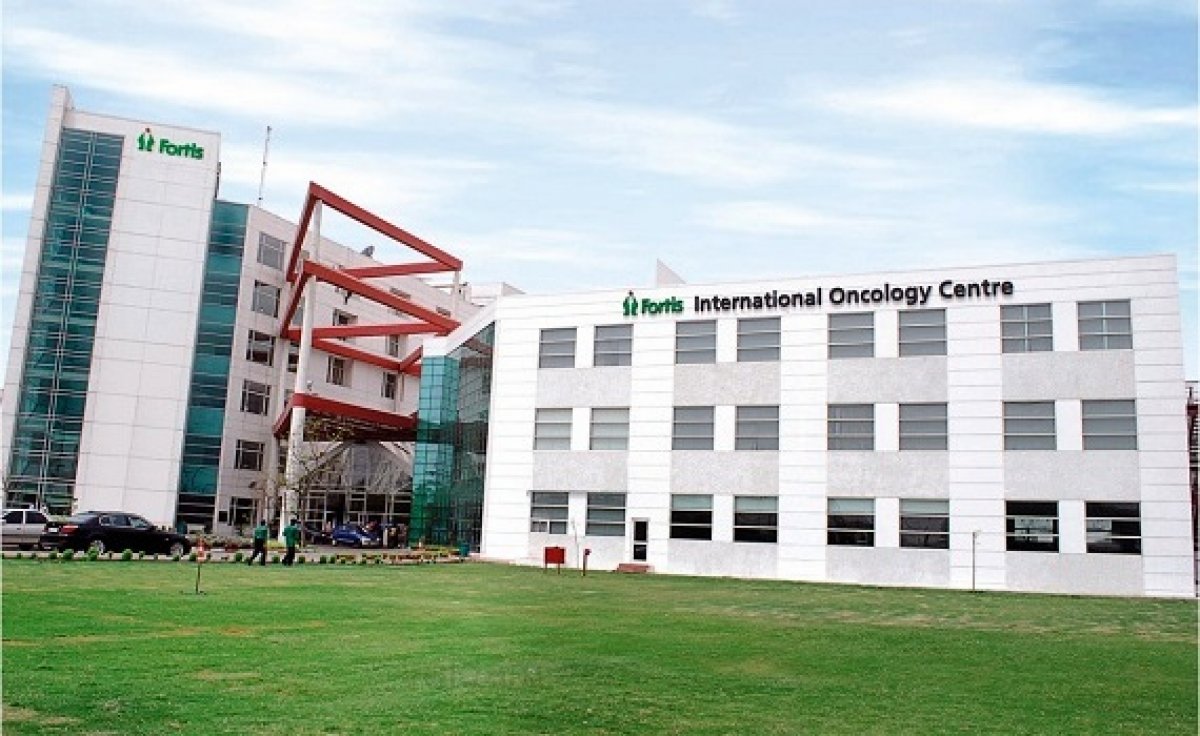
Fortis Hospital
احصل على تقييم طبي لـ في الهند. استشر الآن 15 أطباء ذوي الخبرة.
عرض جميع الأطباء
Manish Kumar
يعمل الدكتور مانيش كومار اختصاصيًّا في جراحة الأورام في مستشفى سيلفرستريك متعدد التخصصات في جوروجرام. يعالج أورام الرأس والعنق، بما في ذلك سرطانات الفم والغدة الدرقية والحنجرة. حصل الدكتور كومار على جائزة لالا كوتو رام التذكارية للمحاضرة التذكارية تقديرًا لعمله في طب الأنف والأذن والحنجرة وجراحة الرأس والعنق. ويعمل في منشأة معتمدة من اللجنة الدولية المشتركة (JCI).
- يجري استئصال أورام الفم مع ترميم باستخدام سدائل حرة ذات مفاغرات وعائية مجهرية.
- يعالج سرطان الحنجرة بإعادة تأهيل

Ravindra Tandale
الدكتور رافيندرا تاندالي هو استشاري في مركز HCG مانافاتا للسرطان في ناشيك. وهو متخصص في التخدير لجراحات الأورام، بما في ذلك جراحات سرطان الثدي والرئة والكبد. يحمل الدكتور تاندالي مؤهلات بكالوريوس الطب والجراحة (MBBS) ودبلوم التخدير (DA).
يعمل الدكتور تاندالي في مركز HCG مانافاتا، وهو منشأة تعالج 75,000 مريض سنوياً وحاصلة على اعتمادات NABL وNABH. يتولى الدكتور تاندالي إدارة التخدير لمختلف العمليات الجراحية، بما في ذلك الإجراءات المتعلقة بحالات السرطان المتقدمة. كما يقدم استشارات عبر الإن

Kiranmai Alla
تتخصص الدكتورة كيرانماي ألا في رعاية سرطان الغدة الدرقية في مستشفيات مانيبال، حيث تقدم خبرة مركزة لكل حالة.
- أخصائية غدد صماء ذات معرفة عميقة باضطرابات الغدة الدرقية
- تعمل في مستشفيات مانيبال، وهي مؤسسة رعاية صحية رائدة
- ملتزمة بخطط علاج مخصصة لمرضى سرطان الغدة الدرقية
مواد ذات صلة
عرض المزيد من التفاصيل
أربع مراحل لسرطان الغدة الدرقية. معدل البقاء وطرق العلاج
كتب بواسطة Veronika Kazina

العلاج الفعال لسرطان الغدة الدرقية في جميع مراحله
كتب بواسطة Veronika Kazina

التشخيص المبكر لسرطان الغدة الدرقية. دقة طرق التشخيص
كتب بواسطة Veronika Kazina

أنواع سرطان الغدة الدرقية
كتب بواسطة Veronika Kazina

أعراض سرطان الغدة الدرقية
كتب بواسطة Veronika Kazina
مشاركة المحتوى
قصص فيديو من مرضى Bookimed
 Anna Leonova
أسئلة متكررة حول علاج سرطان الغدة الدرقية في الهند
هل سرطان الغدة الدرقية قابل للشفاء في الهند؟
سرطان الغدة الدرقية قابل للشفاء بدرجة كبيرة في الهند. تتجاوز معدلات البقاء على قيد الحياة للأنواع الشائعة مثل السرطانة الحليمية 95% في المراكز المتخصصة. توفر المستشفيات الهندية تدخلات متقدمة بما في ذلك الجراحة الروبوتية وعلاج اليود المشع. تحافظ مرافق مثل HCG Manavata وApollo على المعايير الدولية بموجب اعتمادات JCI وNABH.
- الخبرة الجراحية: يقوم جراحون مثل الدكتور سوريندر داباس بإجراء عمليات استئصال الغدة الدرقية الروبوتية عبر الفم بدون ندبات.
- التشخيص المتقدم: تستخدم المراكز التصوير المقطعي بالإصدار البوزيتروني (PET-CT) عالي الدقة والشفط بالإبرة الدقيقة لتحديد المرحلة بدقة.
- العلاجات المتخصصة: يوفر HCG Manavata علاجات الطب النووي الموجهة مثل علاجات اليود المشع وLu-177.
- شبكة الرعاية: تخدم شبكات Manipal وApollo أكثر من 1,000,000 مريض سنويًا من خلال طب الأورام متعدد التخصصات.
رؤية خبير Bookimed: أصبحت الهند مركزًا للأورام المعقدة لأن الجراحين المتخصصين يحافظون على حجم كبير من الحالات. أجرى الدكتور راج ناجاركار أكثر من 50,000 جراحة سرطان. عالج الدكتور تشايتانيا بورد أكثر من 1,000 حالة غدة درقية بمفرده. غالبًا ما يؤدي هذا التركيز للخبرة في مراكز مثل HCG Manavata إلى كفاءة أعلى في تقنيات الحفاظ على الأعصاب.
إجماع المرضى: يقدر المرضى الدعم الشامل ويلاحظون أن الطاقم السريري يقدم تفسيرات واضحة حول الحياة بعد الاستئصال الكامل للغدة الدرقية. غالبًا ما يذكرون شعورهم بالاطمئنان بفضل تكنولوجيا التشخيص الحديثة المتاحة في المستشفيات
ما هي خيارات العلاج الأولية المتاحة لسرطان الغدة الدرقية في الهند؟
يتضمن العلاج الأولي لسرطان الغدة الدرقية في الهند بروتوكولات متعددة التخصصات تشمل استئصال الغدة الدرقية الكلي، والعلاج باليود المشع، وقمع الهرمونات الموجه. تستخدم المرافق المعتمدة من قبل JCI في دلهي وبنغالورو أنظمة روبوتية مثل دا فينشي لإجراء عمليات استئصال طفيفة التوغل. توفر وحدات الطب النووي المتخصصة استئصالاً جهازياً للحالات النقيلية.
- الاستئصال الجراحي: يقوم الجراحون بإجراء استئصال كلي أو نصفي للغدة الدرقية لإزالة الأنسجة السرطانية.
- اليود المشع: يستخدم الأطباء علاج RAI لتدمير الخلايا المتبقية بعد الإجراءات الجراحية.
- المساعدة الروبوتية: يستخدم متخصصون مثل الدكتور سوريندر داباس أنظمة روبوتية لتشريح الرقبة بدقة.
- الطب النووي: تشمل العيادات تصوير PET-CT والعلاج للحالات الجريبية أو الحليمية المتقدمة.
رؤية خبير Bookimed: يقدم مشهد الأورام في الهند كثافة فريدة من المتخصصين ذوي الخبرة العالية في الطب النووي والجراحة. عالج الدكتور تشايتانيا بورد في HCG Manavata أكثر من 1000 مريض بسرطان الغدة الدرقية. أجرى الدكتور راج ناجاركار أكثر من 50,000 جراحة سرطان. غالباً ما يؤدي هذا الحجم الكبير من المرضى إلى دقة جراحية محسنة وتحديد مراحل أكثر دقة.
إجماع المرضى: يؤكد المرضى على الحاجة إلى فترة عزل لمدة 7 أيام بعد العلاج باليود المشع. يوصي الكثيرون بفحص مستويات الكالسيوم قبل الجراحة لمنع المضاعفات بعد الجراحة مثل نقص كلس الدم.
ما هو معدل البقاء على قيد الحياة لسرطان الغدة الدرقية في الهند؟
يتمتع سرطان الغدة الدرقية في الهند بمعدل بقاء مرتفع لمدة 5 سنوات يبلغ حوالي 98%. معظم الحالات هي من النوع الحليمي أو الجريبي وهي قابلة للعلاج بشكل كبير. يمكن أن تصل نسبة البقاء على قيد الحياة في حالات السرطان الموضعي إلى 100%. تظهر المراحل المتقدمة التي تتطلب جراحة وعلاجاً معدل بقاء لمدة 5 سنوات يتراوح بين 50% إلى 60%.
- النجاح حسب النوع: تبلغ نسبة البقاء على قيد الحياة في الحالات الحليمية والجريبية 99% عندما تكون موضعية.
- حالات المرحلة المتقدمة: يبلغ متوسط البقاء على قيد الحياة لسرطان الغدة الدرقية النخاعي ما بين 75% إلى 80% في الهند.
- الخبرة المتخصصة: يقوم جراحون مثل الدكتور سوريندر داباس بإجراء عمليات جراحية معقدة للرقبة باستخدام الروبوت.
- حجم كبير من المرضى: تخدم مستشفيات مانيبال 2,000,000 مريض سنوياً وهي حاصلة على اعتمادات JCI و NABH.
رؤية خبير Bookimed: تُظهر بيانات المرضى أن اختيار العيادات ذات القدرة التشخيصية العالية أمر حيوي. يضم مستشفى أبولو إندرابراستا أكبر مختبر تشخيصي في الهند. يسمح هذا النطاق بالحصول على نتائج سريعة لفحص PET/CT والخزعات. يعد تحديد المرحلة بسرعة أمراً ضرورياً للحفاظ على معدل البقاء على قيد الحياة بنسبة 98% في المراكز الحضرية.
إجماع المرضى: يشير المرضى إلى أن الحصول على خزعة في غضون أسبوعين أمر حيوي لضمان النجاح. يؤكد الكثيرون أن المتابعة المستمرة لمستوى الثيروجلوبولين بعد الجراحة تساعد في الحفاظ على التعافي على المدى الطويل.
هل سأحتاج إلى تناول الدواء لبقية حياتي بعد علاج سرطان الغدة الدرقية؟
يعد تناول الدواء مدى الحياة أمراً ضرورياً إذا تمت إزالة الغدة الدرقية بالكامل. يجب عليك تناول هرمونات مثل ليفوثيروكسين يومياً للحفاظ على التمثيل الغذائي. إذا تمت إزالة جزء فقط من الغدة، فقد يتمكن حوالي 70% من المرضى من تجنب تناول الدواء بشكل دائم من خلال التعويض الطبيعي.
- استئصال الغدة الدرقية الكلي: يتطلب استبدالاً هرمونياً بنسبة 100% مدى الحياة لتعويض الوظائف المفقودة.
- استئصال الغدة الدرقية الجزئي: لا يزال حوالي 30% إلى 50% من المرضى يحتاجون إلى هرمونات تكميلية.
- تثبيط TSH: يصف الأطباء جرعات أعلى للحفاظ على انخفاض مستوى TSH، مما يمنع تكرار الإصابة بالسرطان.
- روتين المراقبة: يحتاج المرضى إلى فحوصات دم منتظمة خصيصاً لمستويات TSH و T4 الحر.
رؤية خبراء Bookimed: تتخصص مراكز الأورام الهندية مثل مركز HCG Manavata للسرطان في الرعاية المتكاملة لأكثر من 100,000 مريض عالمياً. تظهر البيانات أن متخصصين مثل الدكتور تشايتاينيا بوردي قد عالجوا أكثر من 1,000 حالة غدة درقية باستخدام العلاج باليود المشع. يسمح هذا الحجم الكبير للأطباء بضبط جرعات الهرمونات بدقة أكبر خلال السنة الأولى الحرجة.
إجماع المرضى: يشير المرضى إلى أنه على الرغم من أن ليفوثيروكسين ميسور التكلفة في الهند، إلا أن العثور على الجرعة المناسبة يستغرق وقتاً. يؤكد الكثيرون أن القهوة أو الكالسيوم يمكن أن يتداخلا مع كيفية امتصاص الجسم لدواء الصباح.
هل يؤثر علاج سرطان الغدة الدرقية على الحمل أو الخصوبة؟
لا يمنع علاج سرطان الغدة الدرقية الحمل بشكل عام ولا يسبب العقم على المدى الطويل. ينجح معظم المرضى في الحمل بعد الانتظار من ستة إلى اثني عشر شهراً بعد العلاج باليود المشع. الاستئصال الجراحي للغدة الدرقية يحافظ على الخصوبة. ويتطلب الأمر تعويضاً هرمونياً مستمراً لدعم الحمل الصحي ونمو الجنين.
- الجدول الزمني للحمل: انتظر من 6 إلى 12 شهراً بعد اليود المشع لضمان التخلص الآمن من الإشعاع.
- إدارة الهرمونات: يظل تناول الليفوثيروكسين مدى الحياة ضرورياً للإباضة ومنع الإجهاض المبكر.
- السلامة الجراحية: جراحة الغدة الدرقية أثناء الحمل هي الأكثر أماناً خلال الثلث الثاني من الحمل إذا لزم الأمر.
- الطب النووي: بروتوكولات الجرعات المتخصصة مثل تلك التي يستخدمها الدكتور تشايتاينيا بورد تحمي الصحة الإنجابية.
رؤية خبير Bookimed: تقوم المراكز الثالثية الهندية مثل مستشفيات مانيبال ومركز HCG Manavata للسرطان بتنسيق طب الأورام والغدد الصماء من خلال مجالس أورام مخصصة. تظهر البيانات أن متخصصين مثل الدكتور تشايتاينيا بورد قد عالجوا أكثر من 1000 حالة غدة درقية باستخدام بروتوكولات اليود المستهدفة. يضمن هذا النهج المتكامل استقرار مستويات الهرمونات بشكل أسرع، وهو أمر حيوي للمرضى الذين يخططون للحمل بعد فترة وجيزة من العلاج.
إجماع المرضى: يشير المرضى إلى أن اتباع فترة الانتظار لمدة عام بعد الإشعاع غالباً ما يؤدي إلى حمل ناجح. يؤكد الكثيرون أن البقاء استباقياً مع اختبارات دم TSH كل بضعة أسابيع يجعل الانتقال إلى الأمومة أكثر سلاسة.
هل ستترك جراحة سرطان الغدة الدرقية ندبة مرئية؟
تترك معظم جراحات سرطان الغدة الدرقية في الهند ندبة أفقية صغيرة. تتضمن التقنيات الحديثة عادةً شقوقًا يتراوح طولها من 2.5 إلى 7.5 سم. غالبًا ما يضع الجراحون هذه الشقوق داخل ثنيات الجلد الطبيعية. تتسطح معظم الندبات وتتلاشى بشكل ملحوظ في غضون 12 إلى 18 شهرًا.
- خيارات طفيفة التوغل: تسمح الجراحة الروبوتية عبر الفم بإزالة الغدة الدرقية من خلال الشفة السفلية.
- موضع الشق: عادة ما تكون الشقوق التقليدية في قاعدة الرقبة.
- معدات متطورة: تستخدم المراكز الهندية أنظمة روبوتية بدقة 1 ملم لضمان الدقة.
- الجدول الزمني للشفاء: تتحول الندبات عادةً من اللون الوردي إلى اللون الأبيض الناعم والمسطح.
رؤية خبير Bookimed: يؤثر حجم المرضى بشكل مباشر على النتائج الجمالية في طب الأورام الهندي. يحمل الدكتور سورندر داباس في مستشفى BLK Super Speciality الرقم القياسي لجراحات الروبوت عبر الفم. يضمن اختيار الجراحين المعتمدين في الجراحة الروبوتية في مراكز ذات حجم كبير مثل Fortis Gurgaon الوصول إلى تقنيات خالية من ندبات الرقبة. تتطلب هذه الإجراءات تشريحًا وحجم ورم محددين لتكون قابلة للتطبيق على المريض.
إجماع المرضى: يذكر المرضى ذوو البشرة الداكنة استخدام شرائح السيليكون في وقت مبكر لمنع فرط التصبغ. يشير الكثيرون إلى أن حماية الرقبة من أشعة الشمس القوية في الهند أمر حيوي للتلاشي.
كم تستغرق فترة علاج وتعافي سرطان الغدة الدرقية في الهند؟
يتضمن علاج سرطان الغدة الدرقية في الهند جراحة تستغرق من ساعتين إلى 4 ساعات. يبقى المرضى في المستشفى لمدة تتراوح بين 3 إلى 5 أيام. يستغرق التعافي البدني الكامل من أسبوعين إلى 3 أسابيع. يستأنف معظم المرضى أنشطتهم الخفيفة وعملهم في غضون 7 إلى 14 يوماً.
- الإقامة في المستشفى: توقع البقاء من 3 إلى 5 أيام للمراقبة بعد الجراحة في المراكز الهندية.
- مدة الجراحة: تستغرق عملية استئصال الغدة الدرقية عادةً ما بين ساعتين إلى 4 ساعات.
- التعافي الأولي: غالباً ما يعود المرضى إلى المهام اليومية الخفيفة في غضون أسبوع واحد.
- العلاجات المتخصصة: تبدأ علاجات اليود المشع بعد حوالي 6 أسابيع من الجراحة الأولية.
رؤية خبير Bookimed: اختيار شبكات ذات حجم كبير مثل مستشفيات مانيبال (Manipal Hospitals) أو مستشفيات أبولو (Apollo Hospitals) يوفر وصولاً أسرع إلى فرق متعددة التخصصات. تعالج هذه المراكز أكثر من 1,000,000 مريض سنوياً. يضمن هذا النطاق معالجة الاختبارات التشخيصية مثل PET/CT ونتائج الخزعات بسرعة. تساعد هذه الكفاءة في الحفاظ على مرحلة العلاج النشط في غضون شهرين إلى 4 أشهر.
إجماع المرضى: يذكر المرضى أن الأسبوع الأول يتطلب نظاماً غذائياً ليناً جداً مثل الدال أو الكيتشري. ويلاحظون أن ندبة الجراحة تصبح أقل وضوحاً بكثير بعد حوالي 6 أشهر.