Patients do not need permanent dietary changes after robotic cholecystectomy. Around 95% of individuals return to their normal eating habits within 3 months. Surgeons in Turkey use the da Vinci robotic system to minimise trauma. This allows the digestive tract to adapt quickly to continuous bile flow.
- Short-term adjustment: Bodies usually require 2–4 weeks to adjust to life without a gallbladder.
- Fat management: Reducing fried or greasy foods for 1 month prevents bloating and diarrhoea.
- Meal frequency: Eating 4–6 small portions daily helps the body process bile more efficiently.
- Gradual reintroduction: Adding high-fibre foods and lean proteins slowly identifies personal triggers without discomfort.
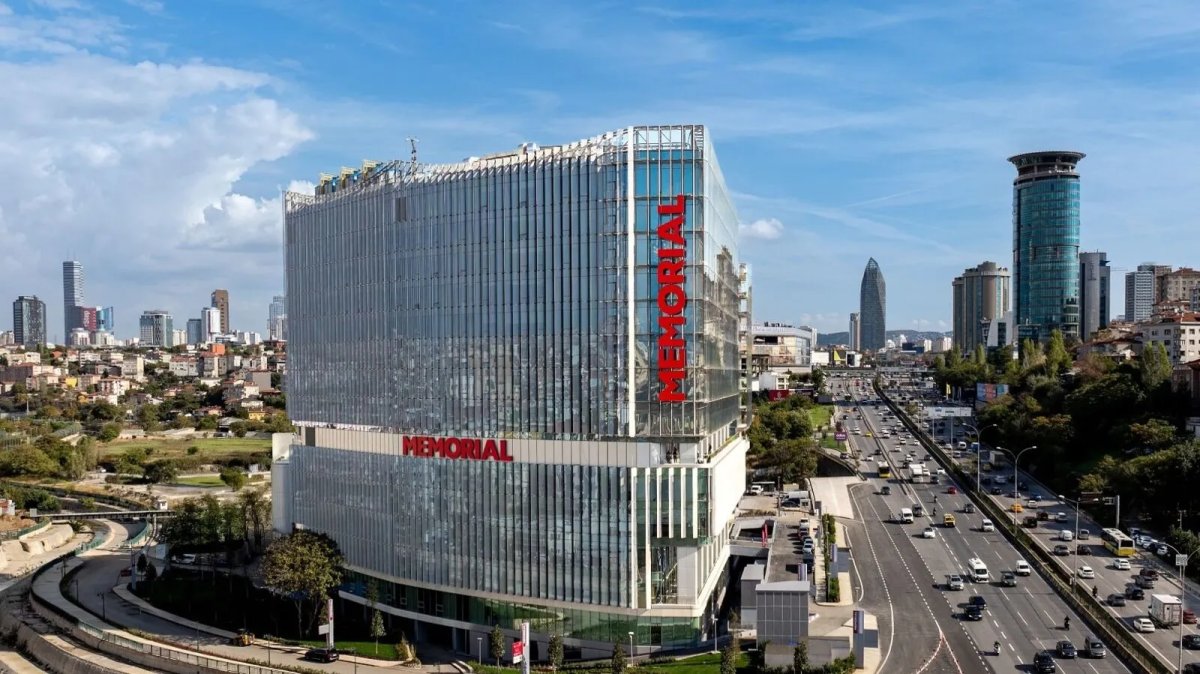
Bookimed Expert Insight: Turkish centres like Central Hospital manage 138,000+ patients annually. Their surgical teams have massive experience with post-op recovery. Robotic surgery costs from $5,800 to $9,500. This is _price_percent_discount_% less than Australian averages. These savings often allow patients to stay longer in Istanbul for dietary monitoring.
Patient Consensus: Most people find success by testing one food at a time during transition. Digestion settles quickly, though rich or creamy meals may cause temporary urgency initially.