

العودة إلى الصفحة الرئيسية
820К+ مريضًا حصلوا على المساعدة منذ عام 2014
50 دول
1,500 عيادات
6K+ تقييمات
3K+ طبيب مؤهل

ما هي تكلفة استئصال المرارة بالروبوت في كوريا الجنوبية؟ اكتشف الآن

السعر المتوسط ل في كوريا الجنوبية هو $13,101. الحد الأدنى للسعر هو $10,208 والحد الأقصى $15,993.
تم التحقق من البيانات بواسطة Bookimed اعتبارًا من July 2026، استنادًا إلى طلبات المرضى والعروض الرسمية من 7 عيادة حول العالم. تستند التكاليف المتوسطة إلى الفواتير الحقيقية (2025–2026) ويتم تحديثها شهريًا. قد تختلف الأسعار الفعلية.

مزاياك وضماناتك مع Bookimed

أسعار مباشرة

Bookimed لا يضيف رسوماً إضافية على أسعار استئصال المرارة بالروبوت. الأسعار مأخوذة من قوائم الأسعار الرسمية للعيادات. تدفع مباشرة في العيادة مقابل استئصال المرارة بالروبوت عند وصولك.

عيادات وأطباء معتمدون فقط

Bookimed ملتزم بسلامتك. نحن نعمل فقط مع المؤسسات الطبية التي تحافظ على معايير دولية عالية في استئصال المرارة بالروبوت ولديها التراخيص اللازمة لخدمة المرضى الدوليين في جميع أنحاء العالم.

مساعدة مجانية على مدار الساعة

Bookimed يقدم مساعدة خبراء مجانية. منسق طبي شخصي يدعمك قبل وأثناء وبعد العلاج، ويحل أي مشاكل. لن تكون وحيداً أبداً في رحلة استئصال المرارة بالروبوت.

لماذا نحن؟

منسقك الطبي الشخصي في Bookimed

  • يدعمك في كل مرحلة
  • المساعدة في اختيار العيادة الطبية المناسبة والطبيب المناسب
  • يضمن الوصول السريع والمريح إلى المعلومات

لا تفوت الصفقات الحصرية استئصال المرارة بالروبوت في كوريا الجنوبية لمدة يوليو 2026

استئصال المرارة الروبوتي والتنظيري لعلاج حصى المرارة

كوريا الجنوبية, سول

Yoon Sik Kang

36سنة خبره ١٦ سنة
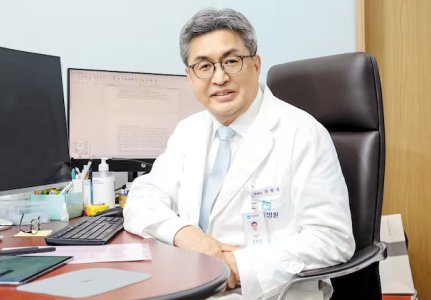
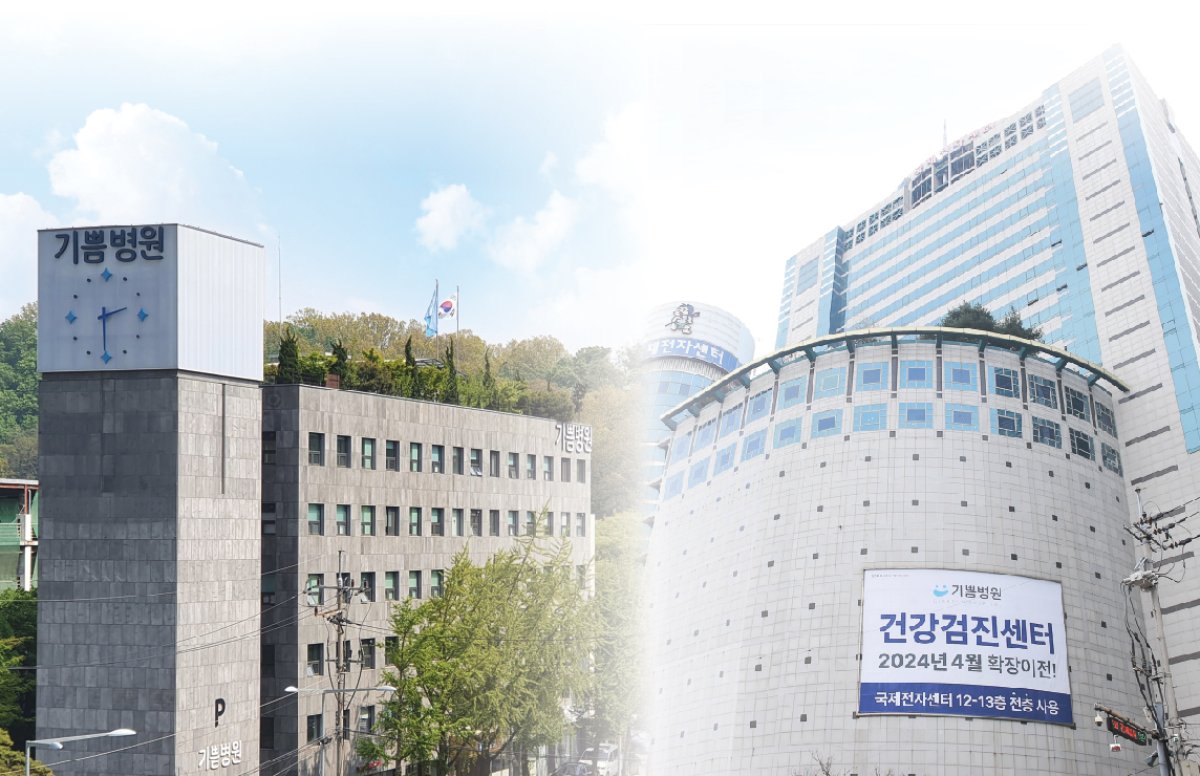
  • يون سيك كانغ هو جراح ورائد ذو شهرة عالمية، أجرى أكثر من 40,000 عملية جراحية.
  • يقدم مستشفى جيبيوم العام خدماته للمرضى الدوليين من 56 دولة، وهو معتمد من قبل KOIHA.
  • الخدمات المشمولة: فحوصات الدم، استشارات مع أخصائي أمراض الجهاز الهضمي وجراح، خزعة.
  • معلومات الإقامة: 3 أيام في المستشفى و14 يومًا في الفندق؛ لا يشمل السعر تكاليف الإقامة.

نظرة عامة على استئصال المرارة بالروبوت في كوريا الجنوبية

الوجبات الجاهزة
الإجراءات والتكاليف ذات الصلة
كيف نعمل؟
المزايا
دفع
مرضى يوصي -
85%
تمت معالجة الطلبات - 9886
رسوم الحجز - $0

قصص فيديو من مرضى Bookimed

Valentina
كانت رحلتي من إسبانيا إلى إسطنبول لإجراء شفط الدهون تجربة غيرت حياتي.
إجراء: شفط الدهون
Randolph
ابقَ قويًا، وكن على دراية، ولا تستهين أبدًا بقوة العلاجات المتقدمة ونظام الدعم المتين.
إجراء: التجميع الإشعاعي لسرطان الكبد

المراجعات

جميع المراجعات
Vladimir Kondratyuk • التهاب القولون التقرحي
روسيا الاتحادية
٥ يونيو ٢٠١٩
مراجعة تم التحقق منها.
كل شيء على المستوى والموظفين والأطباء والخدمة وما إلى ذلك
كل شيء جيد وحتى عظيم ، ومكلفة فقط. كل شيء على المستوى والموظفين والأطباء والخدمة وما إلى ذلك. من أجنحة المقترحة كان ل 500 دولارات في اليوم. الإجراءات ليست رخيصة أيضًا ، ولكن كل شيء بجودة عالية وكفاءة ، يعرف الناس ماذا وكيف يفعلون.

مشاركة المحتوى

Twitter XLinkedinFacebookWhatsAppEmail
أحصل على الرابط
محدث: 06/05/2019
تأليف
Anna Leonova
Anna Leonova
رئيس فريق تسويق المحتوى
محررة طبية معتمدة لديها خبرة تزيد عن 10 سنوات، طوّرت محتوى Bookimed الموثوق، مدعومة بماجستير في علم اللغة ومقابلات مع خبراء طبيين من جميع أنحاء العالم.
تمت المراجعة من قبل المستشار الطبي في Bookimed
فهد مولود
محرر طبي وعالم بيانات
طبيب عام. حاصل على 4 جوائز علمية. خدم في غرب آسيا. رئيس الفريق الطبي الناطق بالعربية سابقا ومسؤول عن معالجة البيانات ودقة المحتوى الطبي حاليا.
فهد مولود Linkedin
قد تحتوي هذه الصفحة على معلومات تتعلق بمختلف الحالات الطبية والعلاجات وخدمات الرعاية الصحية المتوفرة في بلدان مختلفة. يرجى العلم أن المحتوى مقدم لأغراض إعلامية فقط ولا ينبغي تفسيره على أنه نصيحة أو إرشادات طبية. يرجى استشارة طبيبك أو أخصائي طبي مؤهل قبل البدء أو تغيير العلاج الطبي.

أسئلة متكررة حول استئصال المرارة بالروبوت في كوريا الجنوبية

هذه الأسئلة الشائعة مأخوذة من مرضى حقيقيين يبحثون عن رعاية طبية عبر Bookimed. يتم تقديم الإجابات من قبل منسقين طبيين ذوي خبرة وممثلين موثوقين من العيادات.

How successful are robotic cholecystectomy procedures in Korean hospitals?

Robotic cholecystectomy in Republic of Korea achieves clinical success rates of at least 95%. Leading Seoul institutions use platforms like the Hugo RAS and locally developed Revo-i systems. These technologies provide 3D visualisation and tremor filtration for precise gallbladder removal with minimal complications.

  • Technological precision: Robotic systems offer 3D high-definition views and enhanced manual dexterity for dissection.
  • Surgical experience: Surgeons like Dr Yoon Sik Kang have performed over 40,000 successful surgical procedures.
  • Accredited facilities: Gibbeum General Hospital holds Korean Institute for Healthcare Accreditation (KOIHA) status for safety.
  • Recovery timeframe: Procedures typically require a 3-day hospital stay for monitoring and immediate post-operative care.

Bookimed Expert Insight: While robotic surgery often involves higher equipment costs, Korean hospitals maintain competitive pricing. All-inclusive packages at KOIHA-accredited centres like Gibbeum General Hospital bundle preoperative biopsies and specialist consultations. This streamlined approach means patients receive comprehensive diagnostic staging before the robotic system is deployed.

Patient Consensus: Patients value the high-resolution imaging and precision that robotic systems provide during complex dissections. Many find the structured three-day hospital stay in South Korea provides essential support. This support helps during early recovery.

Is robotic cholecystectomy in Korea safe for complicated gallbladder cases, such as cancer?

Robotic cholecystectomy in South Korea is safe and effective for complicated gallbladder cases. Specialists use the da Vinci system to perform complex lymph node dissections and liver resections for cancer. High-volume Seoul clinics hold KOIHA accreditation. This means strict safety standards for international patients.

  • Oncologic safety: Studies show robotic techniques deliver similar cancer outcomes to traditional open surgery.
  • Reduced trauma: Patients experience lower blood loss and fewer complications than with open abdominal surgery.
  • Enhanced vision: Surgeons use 3D high-resolution imaging to navigate severe inflammation or suspected malignancy.
  • Fast recovery: Robotic systems allow for smaller incisions, typically requiring only 3 days in hospital.

Bookimed Expert Insight: While many centres focus on gallstones, Gibbeum General Hospital features surgeons with 40,000+ operations. This extreme volume and the use of no-stitch skin closure mean patients often shower the next day. Choosing such high-volume specialists is vital for complex cancer staging.

Patient Consensus: Patients report that cosmetic outcomes are excellent with barely noticeable scars. They recommend verifying that the chosen surgeon specialises in cancerous cases rather than just standard gallbladder removals.

What are the main benefits of choosing robotic cholecystectomy in Korea?

Robotic cholecystectomy in Korea offers superior 3D visualisation and precision for complex gallbladder removals. Surgeons use articulated robotic wrists with 540-degree movement to navigate tight spaces. Patients benefit from shorter hospital stays, reduced complication risks, and no-stitch closures that allow showering the next day.

  • Visualisation: Da Vinci systems provide 3D high-definition views to protect the bile duct.
  • Complex case management: Enhanced dexterity helps treat acute inflammation or Mirizzi syndrome safely.
  • Faster recovery: No-stitch skin closure techniques let patients return home sooner.
  • Safety standards: Facilities like Gibbeum General Hospital hold KOIHA accreditation, mirroring Australian hospital standards.
  • Expert surgical volume: Surgeons like Dr Yoon Sik Kang have performed over 40,000 procedures.

Bookimed Expert Insight: Korean clinics provide a unique one-stop approach for international patients. Facilities like Gibbeum General Hospital offer same-day gastroscopy and colonoscopy alongside gallbladder consultations. This efficiency is rare in Australia. It helps patients complete all diagnostic screenings in one visit.

Patient Consensus: Patients find that resuming a normal diet takes three to four weeks. A common tip is managing post-operative gas pain by rotating the hips while lying down. Using alternating doses of simple pain relief helps during the first few days. South Korea provides a very smooth experience for English-speaking travellers.

How long is the hospital stay for robotic cholecystectomy in Korea?

Hospital stay for robotic cholecystectomy in Korea typically ranges from 1 to 3 days. Most uncomplicated cases involve a single overnight stay or same-day discharge. Specialised centres like Gibbeum General Hospital offer comprehensive packages including a 3-day clinical stay for monitoring.

  • Clinical stay: Standard packages often include a 3-day hospitalisation period.
  • Efficiency: Some patients qualify for day surgery with discharge inside 12 hours.
  • Quality standards: Korean hospitals maintain strict safety protocols through KOIHA accreditation.
  • Recovery period: Patients usually resume light physical activities within 2 to 3 days.

Bookimed Expert Insight: While many centres advertise day-case surgery, leading Seoul clinics often include a 3-day stay. This lets surgeons like Dr Yoon Sik Kang monitor recovery closely. The extra time allows for better pain management before patients return to hotels.

Patient Consensus: Expect an overnight stay for most robotic surgeries in Korea. Most people feel ready for light activities within a few days of discharge. Normal eating usually returns within 3 or 4 weeks following the procedure.

How long does a robotic cholecystectomy procedure in Korea take?

Robotic cholecystectomy in the Republic of Korea typically takes between 55 and 115 minutes. This covers the surgical phase. The entire hospital process covers approximately 5 hours. This includes robotic docking, setup, and console time. During this time, specialists remove the gallbladder through tiny incisions.

  • Surgical duration: Active theatre time varies based on case complexity and robotic setup requirements.
  • Console time: Surgeons spend 17 to 60+ minutes. They perform the precise removal using robotic arms.
  • Total hospital time: Preparing for surgery through to initial recovery takes around 5 hours. This is typical in Seoul.
  • Clinic options: Facilities like Gibbeum General Hospital specialise in these minimally invasive robotic procedures.
  • Clinical experience: Specialists such as Dr Yoon Sik Kang have performed over 40,000 surgeries.

Bookimed Expert Insight: Robotic surgery takes slightly longer than standard laparoscopic methods. However, Korean KOIHA-accredited clinics deliver faster turnaround. Patients can often secure surgery within 1 week of initial contact. This is significantly faster than the 6-month waits common in Australia's public health system.

Patient Consensus: Patients report that walking helps manage post-operative gas pain under the ribs. Most return to desk-based work within 1 to 2 weeks. They avoid heavy lifting for longer.

What robotic systems are used for cholecystectomy in Korea?

South Korean surgeons perform robotic cholecystectomy using the international da Vinci Surgical System. They also use the locally developed Revo-i platform. These systems allow for single-site or multi-port surgery. Leading facilities specialise in these minimally invasive gallbladder removals. One example is the KOIHA-accredited Gibbeum General Hospital in Seoul.

  • Dominant system: The da Vinci platform remains the primary choice for precise three-dimensional imaging.
  • Local innovation: The Revo-i multiport system is a Korean-made alternative used for reduced-port surgeries.
  • Specialist expertise: Dr Yoon Sik Kang has performed over 40,000 surgeries at Gibbeum General Hospital.
  • Clinical safety: Both platforms provide 3D high-resolution imaging to assist in safer gallbladder removal.

Bookimed Expert Insight: South Korea is a unique hub for robotic surgery. Patients can access the homegrown Revo-i system alongside the standard da Vinci platform. This competition helps keep costs down. Robotic cholecystectomy starts from $10,200, which is competitive for high-technology surgery.

Patient Consensus: Patients report that post-operative gas pain is manageable with light walking. They typically return to eating solid foods like Korean BBQ. This usually happens within 3 to 4 weeks in Korea.

احصل على استشارة مجانية

حدد أفضل طريقة للاتصال بك