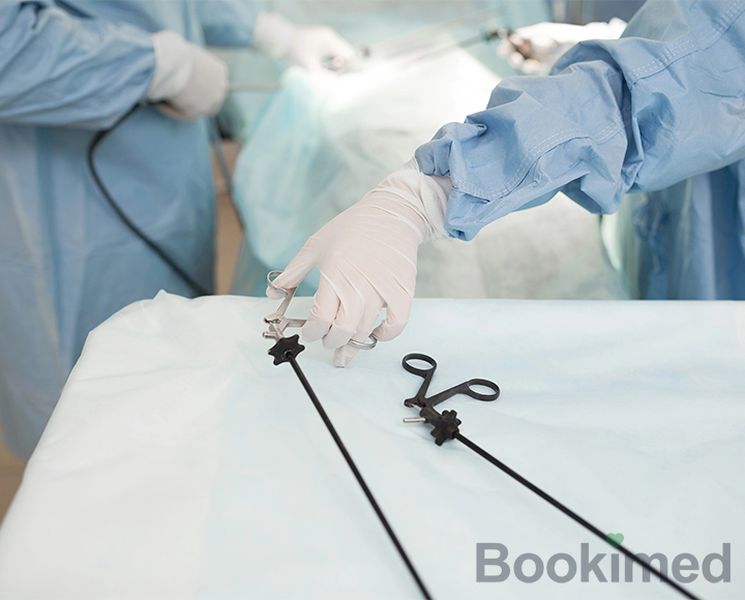
تغطي جراحة إصلاح الفتق الحجابي الشاملة في تركيا عادةً الجراحة بالمنظار، والتخدير العام، والفحوصات قبل الجراحة مثل التنظير الداخلي. تشمل هذه الباقات بشكل خاص الإقامة في مستشفيات معتمدة من اللجنة الدولية المشتركة (JCI)، وخدمات نقل VIP من المطار، ومنسقي مرضى متعددي اللغات مخصصين لإدارة الخدمات اللوجستية السريرية للمرضى الدوليين طوال فترة علاجهم في إسطنبول.
- التنسيق الطبي: يتولى مديرو الحالات الشخصيون جدولة المواعيد ومراجعة السجلات قبل الوصول.
- الشموليات السريرية: تغطي الباقات تحاليل الدم، ويومين من الإقامة في المستشفى، وفحوصات المتابعة.
- الدعم اللوجستي: تعتبر خدمات النقل الخاصة VIP بين المطار والفندق والعيادة معياراً أساسياً.
- مرافق المستشفى: غالباً ما تشمل الباقات وجبات كاملة وغرفاً خاصة للتعافي.
رؤية خبير Bookimed: توفر الباقات التي تبلغ تكلفتها 8,750 دولاراً في عيادات مثل مستشفى VM Medical Park Pendik ميزة لوجستية فريدة. فهي تشمل وجبات كاملة طوال فترة الإقامة في المستشفى. غالباً ما يتم إغفال هذا التفصيل في الخيارات الأقل تكلفة، ولكنه أمر بالغ الأهمية لإدارة نظام غذائي صارم مضاد للارتجاع بعد الجراحة دون حواجز لغوية.
إجماع المرضى: يقدر المرضى كيف تعمل الباقات التي يديرها المنسقون على تبسيط إدارة الألم وتوصيل الوجبات خلال مرحلة التعافي الأولية. ويوصون بالتأكد مما إذا كانت مراقبة درجة الحموضة (pH) أو الإمدادات الغذائية طويلة الأمد مشمولة لتجنب تكاليف إضافية عند الخروج.




 إصلاح فتق الحجاب الحاجز بالمنظار مع عملية التكميم (فوندوبيليكاشن)