إصلاح فتق الحجاب الحاجز في إيطاليا — احصل على 3 عيادات مطابقة مع التكاليف


تمت مراجعة المقالة طبيا من قبل
فهد مولود
ما هي تكلفة إصلاح فتق الحجاب الحاجز في إيطاليا؟ اكتشف الآن
تتراوح تكلفة جراحة فتق الحجاب الحاجز في إيطاليا عادة بين $7,500 و $12,000. يعتمد السعر النهائي على التقنية الجراحية المستخدمة، مثل الجراحة بالمنظار أو الجراحة الروبوتية. كما يؤثر طول مدة الإقامة في المستشفى والمدينة المختارة للعلاج على التكلفة. تشمل الباقات الطبية الإيطالية القياسية عادة رسوم الجراحة، والتخدير، وخدمات التمريض، وإقامة في المستشفى تتراوح بين ليلة وليلتين.
- الجراحة الروبوتية: تضيف عادةً تكلفة إضافية بنسبة 20-30 % مقارنة بتقنيات المنظار التقليدية.
- تفاوت الأسعار حسب المدينة: قد تختلف الأسعار قليلاً في المدن الكبرى مثل ميلانو، وروما، وبولونيا.
- الخدمات التشخيصية: غالباً ما يتم تحصيل رسوم تصوير الأشعة المقطعية قبل الجراحة واستشارات المتخصصين بشكل منفصل.
- فئات المستشفيات: خيارات الإقامة في أجنحة VIP أو العيادات الخاصة ترفع إجمالي التكلفة بشكل ملحوظ.
رأي خبراء Bookimed: يوفر اختيار مرافق حاصلة على اعتماد JCI، مثل مستشفى ماريا تشيتشيليا، معايير عالية للسلامة ورعاية متخصصة. وعلى الرغم من تقديم بعض العيادات في ميلانو وروما خدمات متميزة، إلا أنها غالباً ما تحافظ على أسعار تنافسية للمرضى الدوليين. على سبيل المثال، قد تبلغ تكلفة الجراحة بالمنظار في بولونيا حوالي 14,100 $. يشمل هذا السعر إقامة لمدة يومين في جناح VIP، مما يعكس قيمة ممتازة للجراحات الكبرى في أوروبا.
المزايا الرئيسية
لماذا يختار المرضى إيطاليا لإصلاح فتق الحجاب الحاجز؟
- العيادات المعتمدة: المستشفيات المعتمدة من JCI والمراكز المعترف بها من قبل وزارة الصحة الإيطالية تضمن معايير عالية من الرعاية.
- أحدث التقنيات: استخدام تقنيات التنظير البطني، مثل عملية نيسن لتثنية القاع ونظام إدارة الارتجاع LINX، يوفر خيارات طفيفة التوغل. تسهم هذه الأساليب في تقليل فترات التعافي.
- معدلات نجاح عالية: عمليات إصلاح فتق الحجاب الحاجز في إيطاليا تتمتع بمعدل فعالية يبلغ 95%. يضمن هذا تخفيف الأعراض بشكل فعال وتحسين جودة الحياة.
- الجراحون الخبراء: الجراحون الإيطاليون الرائدون معتمدون من المجلس الأوروبي للجراحة. لقد أجروا أكثر من 2000 عملية إصلاح لفتق الحجاب الحاجز، مما يظهر خبرتهم الواسعة ومهارتهم.
احصل على حلول متقدمة لإصلاح فتق الحجاب الحاجز في عيادات موثوقة من $7,500.
| إيطاليا | تركيا | إسبانيا | |
|---|---|---|---|
| إصلاح فتق الحجاب الحاجز | ≈ $7,500 | من $5,400 | من $12,000 |
مزاياك وضماناتك مع Bookimed
أسعار مباشرة
Bookimed لا يضيف رسوماً إضافية على أسعار إصلاح فتق الحجاب الحاجز. الأسعار مأخوذة من قوائم الأسعار الرسمية للعيادات. تدفع مباشرة في العيادة مقابل إصلاح فتق الحجاب الحاجز عند وصولك.
عيادات وأطباء معتمدون فقط
Bookimed ملتزم بسلامتك. نحن نعمل فقط مع المؤسسات الطبية التي تحافظ على معايير دولية عالية في إصلاح فتق الحجاب الحاجز ولديها التراخيص اللازمة لخدمة المرضى الدوليين في جميع أنحاء العالم.
مساعدة مجانية على مدار الساعة
Bookimed يقدم مساعدة خبراء مجانية. منسق طبي شخصي يدعمك قبل وأثناء وبعد العلاج، ويحل أي مشاكل. لن تكون وحيداً أبداً في رحلة إصلاح فتق الحجاب الحاجز.

منسقك الطبي الشخصي في Bookimed
- يدعمك في كل مرحلة
- المساعدة في اختيار العيادة الطبية المناسبة والطبيب المناسب
- يضمن الوصول السريع والمريح إلى المعلومات
اكتشف أفضل إصلاح فتق الحجاب الحاجز العيادات في إيطاليا: 3 خيارات معتمدة والأسعار









نظرة عامة على إصلاح فتق الحجاب الحاجز في إيطاليا
تُصلح العملية انتفاخًا بالقرب من السرة ، مما يقلل الانزعاج ويمنع حدوث مضاعفات خطيرة.
- استئصال المعدة - من $14,500
يتضمن الإجراء إزالة جزء من المعدة لعلاج حالات مثل السرطان ، مما يوفر نتائج علاجية محتملة.
- البتر - من $7,500
يتضمن الإجراء إزالة جزء من الجسم لإنقاذ الأرواح أو تخفيف الألم أو معالجة تقدم المرض.
- جراحة الفتق الإربي - من $2,800
يعالج هذا الإجراء انتفاخًا في منطقة الفخذ عن طريق دفعه للخلف وتقوية جدار البطن.
- إصلاح فتق الحجاب الحاجز - من $7,500
يقوم الإجراء بإصلاح نتوءات أنسجة البطن من خلال الحجاب الحاجز ، مما يحسن الهضم ويقلل الانزعاج.
- استئصال المرارة بالمنظار - من $8,500
تزيل العملية المرارة لعلاج حصوات المرارة والالتهابات والسرطان مع تندب أقل وشفاء أسرع.
- الجراحة - من $5,500
يتضمن الإجراء تصحيح عيوب الجسم أو الأمراض من خلال العمليات اليدوية ، وعادة ما تكون تحت التخدير.
- Atherectomy - من $8,500
يزيل هذا الإجراء الترسبات من الشرايين ، ويحسن تدفق الدم ، ويقلل من مخاطر الإصابة بأمراض القلب ، مع إجراء جراحات طفيفة التوغل.
اليوم الأول - الوصول
- الوصول إلى المنشأة الطبية.
- استكمال الأوراق اللازمة والتسجيل.
- قابل الفريق الجراحي للاستشارة.
اليوم 2 - ما قبل العملية
- الخضوع لفحوصات طبية قبل الجراحة مثل فحوصات الدم.
- ستخضع لاختبار سلسلة الجزء العلوي من الجهاز الهضمي (GI).
- اخضع لاختبار مرض الجزر المعدي المريئي (GERD) إذا لزم الأمر.
- يبدأ الصيام في الليلة التي تسبق الجراحة.
اليوم الثالث - الجراحة
- تستغرق العملية حوالي 2-3 ساعات.
- يتم إعطاء التخدير العام.
- سيقوم الجراح بإصلاح الفتق بالمنظار.
- بعد الجراحة ، ستقضي ساعات قليلة في الشفاء.
اليوم 4 - بعد العملية
- البقاء في المستشفى للمراقبة والراحة.
- ابدأ نشاطًا بدنيًا خفيفًا حسب موافقة الطبيب.
- ابدأ باتباع نظام غذائي سائل قبل الانتقال إلى الطعام الصلب.
الأسبوع الأول - إعادة التأهيل
- استمر في ممارسة الأنشطة البدنية الخفيفة.
- قدم تدريجياً الطعام المنتظم حسب موافقة الطبيب.
الأسبوع الثاني - إعادة التأهيل
- عد إلى العمل إذا كانت وظيفتك لا تتطلب نشاطًا شاقًا.
- احضر مواعيد المتابعة مع الجراح.
الأسبوع الرابع - إعادة التأهيل
- استأنف أنشطة بدنية أكثر قوة بإذن من الطبيب.
- توقع رؤية النتائج النهائية للجراحة.
ملحوظة: قد يختلف شفاء كل مريض بناءً على الظروف الصحية الفردية ومدى تعقيد الجراحة.
- إيداع Bookimed: 200 دولار أو 200 يورو.
- وديعة العيادة: ادفع نسبة محددة مقدمًا.
قصص فيديو من مرضى Bookimed
مشاركة المحتوى
 Anna Leonova
حقائق سريعة عن إصلاح فتق الحجاب الحاجز
إصلاح فتق الحجاب الحاجز
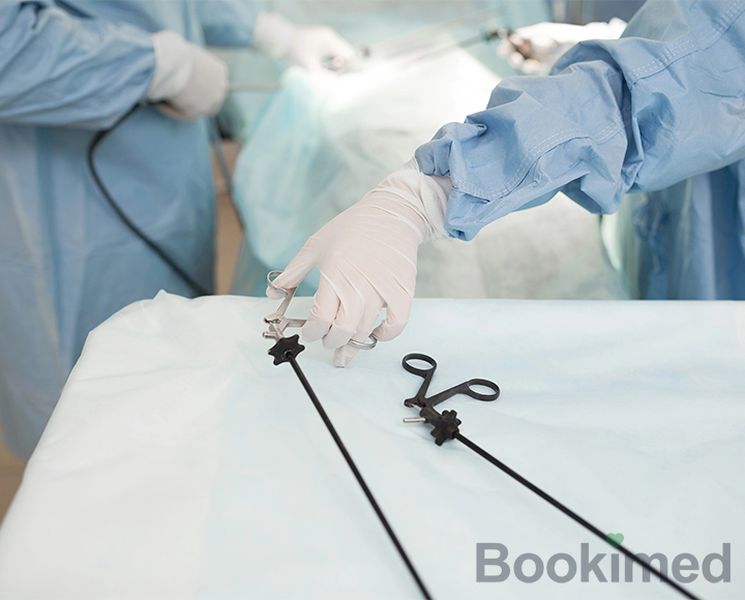
يعمل هذا التدخل الجراحي على تصحيح فتق الحجاب الحاجز عن طريق إعادة وضع المعدة وتقوية الحجاب الحاجز.
أسئلة متكررة حول إصلاح فتق الحجاب الحاجز في إيطاليا
هل جراحة إصلاح الفتق الحجابي في إيطاليا آمنة، وما هي المؤهلات التي يجب أن أبحث عنها في الجراح؟
تعتبر جراحة إصلاح الفتق الحجابي في إيطاليا آمنة للغاية، حيث تصل معدلات النجاح إلى 95%. يستخدم الجراحون تقنيات تنظير البطن المتقدمة والأنظمة الروبوتية لضمان الدقة. غالبًا ما يحمل كبار الخبراء الإيطاليين شهادات من المجلس الأوروبي للجراحة ويجرون أكثر من 2000 عملية لضمان سلامة المرضى.
- شهادة الجراح: أعط الأولوية للجراحين الحاصلين على اعتماد الجمعية الإيطالية لجراحة الفتق وجدار البطن (ISHAWS).
- الخبرة السريرية: ابحث عن المتخصصين الذين يجرون أكثر من 50 عملية فتق بالمنظار كل عام.
- اعتماد المنشأة: اختر المراكز الحاصلة على اعتماد JCI أو IRCCS مثل مستشفى سان دوناتو في ميلانو.
- حجم العمليات السريرية: عادة ما تبلغ المراكز ذات الحجم الكبير في روما أو ميلانو عن معدلات تكرار فتق أقل.
رؤية خبير Bookimed: تجمع المراكز الإيطالية المعتمدة من قبل IRCCS مثل مستشفى سان دوناتو بين الرعاية السريرية والأبحاث الممولة من الحكومة. غالبًا ما يترجم هذا التركيز المزدوج إلى اعتماد مبكر لتقنيات الإصلاح بدون شبكة مقارنة بالمستشفيات العامة القياسية. يستفيد المرضى في هذه المؤسسات البحثية من فرق متعددة التخصصات تتعامل مع الحالات المعقدة بشكل متكرر.
إجماع المرضى: أفاد المرضى أن الجراحين الإيطاليين غالبًا ما يقضون وقتًا أطول في المرحلة الجراحية. غالبًا ما يتم الاستشهاد بهذا النهج الدقيق كسبب لتقليل صعوبات البلع بعد الجراحة.
كيف يتم إصلاح الفتق الحجابي بالمنظار، وكيف يختلف هذا الإجراء عن الجراحة المفتوحة؟
يستخدم إصلاح الفتق الحجابي بالمنظار من 3 إلى 5 شقوق صغيرة لإعادة وضع المعدة وشد فتحة الحجاب الحاجز. يستخدم الجراحون كاميرا وأدوات متخصصة لإجراء العملية بأقل قدر من التدخل الجراحي. يوفر هذا النهج تعافيًا أسرع بكثير وألمًا أقل مقارنة بالجراحة المفتوحة.
- حجم الشق: يقوم الجراحون بعمل شقوق صغيرة جدًا بدلاً من فتحة كبيرة في البطن أو الصدر.
- الإقامة في المستشفى: يبقى المرضى عادةً من يوم إلى يومين مقارنة بـ 3 إلى 7 أيام في الإجراءات المفتوحة.
- جدول التعافي: يمشي معظم المرضى في نفس اليوم ويعودون إلى النشاط الخفيف خلال أسبوع واحد.
- النتائج طويلة المدى: يقلل تعزيز الشبكة بالمنظار من تكرار الفتق من 30-50% إلى أقل من 10%.
رؤية خبير Bookimed: تدمج المراكز الإيطالية مثل مستشفى سان دوناتو الأبحاث مع الممارسة السريرية لخفض معدلات المضاعفات. يعد اختيار منشأة ذات حجم كبير أمرًا حيويًا لأن الخبرة تمنع لفات تثنية القاع الضيقة للغاية. قد يكون لدى المستشفيات العامة الصغيرة فترات انتظار تتراوح من 3 إلى 6 أشهر. توفر العيادات الخاصة المعتمدة من JCI في ميلانو أو روما وصولاً أسرع بكثير إلى جراحي المنظار المتخصصين.
إجماع المرضى: يصف العديد من المرضى التعافي بأنه يختلف كالليل والنهار مقارنة بالجراحة المفتوحة. وينصحون الآخرين بالضغط من أجل خيارات المنظار مبكرًا لتجنب الندبات الكبيرة والألم المزمن.
ما هي المخاطر أو المضاعفات الرئيسية بعد جراحة إصلاح الفتق الحجابي، وكيف يتم التعامل معها؟
تعتبر جراحة إصلاح الفتق الحجابي في إيطاليا آمنة بشكل عام، ولكن مضاعفات مثل صعوبة البلع (عسر البلع) ومتلازمة انتفاخ الغازات تحدث لدى ما يصل إلى 40-50% من المرضى. يتم التعامل مع معظم المشكلات من خلال تغييرات في النظام الغذائي، بينما قد تتطلب حالات التكرار أو الارتجاع المستمر جراحة مراجعة بالمنظار من قبل جراحين متخصصين.
- صعوبة البلع: تؤثر على 20-40% من المرضى في البداية بسبب الوذمة؛ يتم التعامل معها بوجبات صغيرة ولينة.
- متلازمة انتفاخ الغازات: تسبب ضغطاً في البطن؛ يتم التعامل معها بالمشي وتجنب المشروبات الغازية أو الأطعمة المسببة للغازات.
- تكرار الفتق: يحدث لدى 10-30% على المدى الطويل؛ يتم التعامل معه من خلال التحكم في الوزن أو جراحة المراجعة بمساعدة الروبوت.
- إصابة العصب الحائر: تسبب تأخر إفراغ المعدة؛ يتم التعامل معها بأدوية محفزة للحركة للمساعدة في الهضم.
رؤية خبير Bookimed: تمتلك المراكز الإيطالية مثل مستشفى ماريا سيسيليا اعتماد اللجنة الدولية المشتركة (JCI)، والذي يرتبط ببروتوكولات سلامة موحدة. تظهر البيانات أن المراكز ذات الحجم الكبير التي تجري آلاف العمليات سنوياً غالباً ما تحقق نتائج أفضل. يجب على المرضى التأكد مما إذا كان جراحهم يجري أكثر من 50 عملية إصلاح فتق حجابي سنوياً لتقليل مخاطر التكرار.
إجماع المرضى: يجد العديد من المرضى أن الأسابيع الاثني عشر الأولى من النظام الغذائي اللين صعبة ولكنها ضرورية. وغالباً ما يؤكدون أن تتبع الأعراض يومياً يساعد في تحديد متى يجب طلب تنظير متابعة إذا تعثر التعافي.
هل أنا مرشح جيد لإصلاح الفتق الحجابي بالمنظار؟
يشمل المرشحون المثاليون لإصلاح الفتق الحجابي بالمنظار في إيطاليا المرضى الذين يعانون من ارتجاع المريء المستمر، أو فشل العلاج الدوائي، أو الفتق المريئي الكبير. عادة ما تكون مؤهلاً إذا كان حرقة المعدة المزمنة، أو الارتجاع، أو صعوبة البلع تؤثر بشكل كبير على حياتك اليومية على الرغم من استخدام مثبطات مضخة البروتون.
- شدة الأعراض: الارتجاع المزمن أو ألم الصدر المقاوم للعلاج الدوائي طويل الأمد.
- مواصفات الفتق: الفتق الانزلاقي الكبير أو الأنواع المريئية التي تحمل مخاطر عالية للاختناق.
- المضاعفات الطبية: وجود قرحة المريء، أو مريء باريت، أو الالتهاب الرئوي الاستنشاقي المتكرر.
- الصحة العامة: القدرة على الخضوع للتخدير العام دون الإصابة بأمراض القلب أو الرئة الشديدة.
رؤية خبير Bookimed: تدمج المراكز الإيطالية مثل مستشفى سان دوناتو أو مستشفى ماريا سيسيليا بين الخبرة الجراحية عالية الحجم والسلامة المعتمدة من JCI. تظهر البيانات أن هذه العيادات تجري آلاف العمليات المعقدة سنويًا. تترجم أحجام المرضى الكبيرة إلى تقنيات منظار أكثر دقة ومعدلات مضاعفات أقل لإصلاح الفتق.
كم تستغرق العملية والتعافي الكامل، وما هو جدول الألم بعد الجراحة والنظام الغذائي؟
تستغرق عملية إصلاح الفتق الحجابي بالمنظار في إيطاليا عادةً من 90 دقيقة إلى 3 ساعات. يبقى المرضى عمومًا في المستشفى لمدة يوم إلى 3 أيام. يتراوح التعافي الكامل من 4 إلى 8 أسابيع، حيث يعود معظمهم إلى العمل الخفيف في غضون 10 إلى 14 يومًا.
- مدة الجراحة: تستغرق الأساليب بالمنظار 90 دقيقة بينما قد تتطلب الإجراءات الروبوتية 3 ساعات.
- الإقامة في المستشفى: تقوم معظم العيادات الإيطالية بتسريح المرضى في غضون 48 ساعة بعد مراقبة الشفاء الأولي.
- مراحل التعافي: العودة إلى العمل غير الشاق في غضون أسبوعين؛ تجنب رفع الأثقال لمدة 6 أسابيع.
- إدارة الألم: يصل الانزعاج إلى ذروته خلال الأيام 2-5، ويرجع ذلك أساسًا إلى الغاز الجراحي وليس الشقوق.
- المراحل الغذائية: يبدأ التقدم بالسوائل، وينتقل إلى الأطعمة المهروسة بحلول الأسبوع الثاني والأطعمة الصلبة بحلول الأسبوع السادس.
رؤية خبير Bookimed: بينما تركز العديد من المراكز الدولية على التسريح السريع، تؤكد المرافق الإيطالية المعتمدة من JCI مثل مستشفى ماريا سيسيليا على سلامة التشخيص. تشير البيانات إلى أن دراسة البلع قبل الانتقال إلى الأطعمة الصلبة هي معيار محلي شائع. تساعد هذه الخطوة الإضافية في منع المشاكل الشائعة بعد الجراحة مثل متلازمة انتفاخ الغازات أو صعوبات البلع.
إجماع المرضى: يؤكد المرضى أن المشي كل ساعة هو الطريقة الوحيدة الفعالة لتخفيف آلام الغازات بعد الجراحة. يوصي الكثيرون بتخزين مخفوق البروتين وشاي الزنجبيل قبل السفر إلى إيطاليا لإجراء الجراحة.
ما هي المدن الإيطالية التي تقدم أكثر البرامج خبرة في جراحة الفتق الحجابي بالمنظار، وهل يتوفر منسقون يتحدثون الإنجليزية؟
تعد ميلانو وروما وبولونيا المراكز الرئيسية في إيطاليا لإصلاح الفتق الحجابي بالمنظار. تستضيف هذه المدن مستشفيات بحثية معتمدة من اللجنة الدولية المشتركة (JCI) مثل سان دوناتو وسان كارلو دي نانسي. توفر مكاتب المرضى الدوليين المتخصصة منسقين مخصصين يتحدثون الإنجليزية لإدارة الترجمة الطبية والخدمات اللوجستية للأجانب.
- المراكز المتخصصة: تتصدر ميلانو وروما في قدرة جراحة الجهاز الهضمي الروبوتية وبالمنظار.
- البحث السريري: تجمع المرافق المعتمدة من IRCCS في ميلانو بين الأبحاث المتقدمة والعلاجات طفيفة التوغل.
- دعم اللغة: تدير المكاتب الدولية في عيادات مثل جيميلي وبوليكلينيكو التأمين الأجنبي.
- معايير المرافق: تحافظ معظم المستشفيات من الدرجة الأولى على اعتماد JCI أو معايير شهادة الجودة ISO.
رؤية خبير Bookimed: بينما تتمتع العيادات الكبرى في روما برؤية عالية، يوفر مستشفى ماريا سيسيليا بالقرب من بولونيا ميزة فريدة. فهو يدير حرماً جامعياً دولياً مخصصاً ويوفر انتقالات مباشرة من مطار بولونيا. غالباً ما يكون هذا المستوى من التنسيق اللوجستي أكثر سلاسة من التنقل في مستشفيات وسط المدينة الأكبر.
إجماع المرضى: يوصي المرضى بتوظيف منسق طبي لأن الحواجز اللغوية لا تزال شائعة في الأجنحة العامة. على الرغم من أن المهارة الجراحية تحظى بتقدير كبير، إلا أن استخدام ترجمة جوجل غالباً ما يكون ضرورياً بدون مساعد مخصص يتحدث الإنجليزية.