إصلاح فتق الحجاب الحاجز في المكسيك — احصل على 3 عيادات مطابقة مع التكاليف


تمت مراجعة المقالة طبيا من قبل
فهد مولود
ما هي تكلفة إصلاح فتق الحجاب الحاجز في المكسيك؟ اكتشف الآن
من $5,500. يعتمد السعر النهائي على التقنية الجراحية المستخدمة، مثل الجراحة بالمنظار، وموقع العيادة. تشمل تقديرات معظم المراكز الطبية المكسيكية رسوم الجراحة، والتخدير، والإقامة القصيرة في المستشفى.
- المراكز الإقليمية: تشمل المدن الرئيسية لهذه الجراحة كانكون، وغوادالاخارا، ومونتيري، وتيخوانا، ومدينة المكسيك.
- أثر التقنية: تضيف العمليات طفيفة التوغل بالمنظار عادة ما بين 20 إلى 30 % على تكاليف الجراحة التقليدية المفتوحة.
- اختلافات المدن: قد ترتفع تكاليف الباقات في مراكز طبية شهيرة مثل تيخوانا أو كانكون بنسبة 15-20 %.
- مستويات الاعتماد: غالباً ما تلتزم المرافق الحاصلة على اعتماد JCI أو CSG بمعايير جودة أعلى.
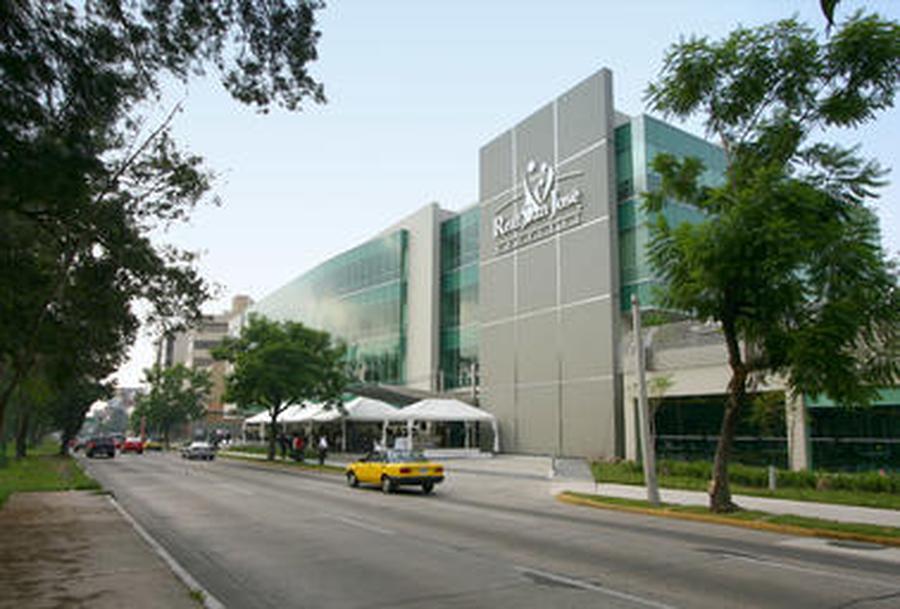
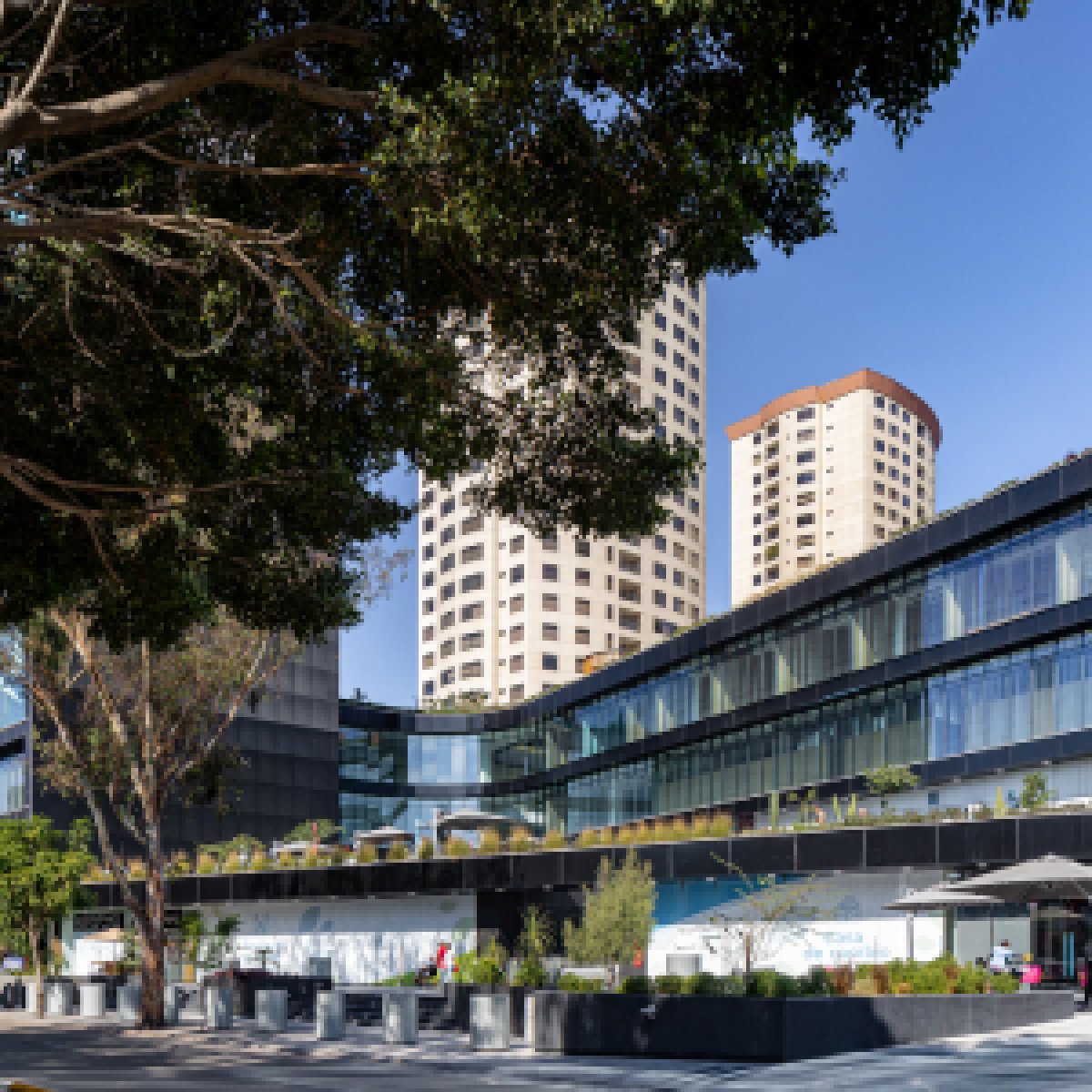
رأي خبراء Bookimed: يُعد اختيار متخصص ذي مؤهلات دولية هو الخيار الأفضل لموازنة التكلفة والجودة. على سبيل المثال، الدكتور إنريكي بليغو في كانكون عضو في الجمعية الأمريكية لجراحة السمنة ASMBS وكلية الجراحين الأمريكية ACS. يخدم عيادته 500 مريض سنوياً ويحتفظ بتقييمات ممتازة من فئة 5 نجوم. توفر العيادات في غوادالاخارا، مثل مستشفى ريال سان خوسيه، مرافق حديثة تشبه الفنادق، مما يضيف قيمة كبيرة لتجربة المريض.
المزايا الرئيسية
| المكسيك | تركيا | إسبانيا | |
|---|---|---|---|
| إصلاح فتق الحجاب الحاجز | من $5,500 | من $5,400 | من $10,900 |
مزاياك وضماناتك مع Bookimed
أسعار مباشرة
Bookimed لا يضيف رسوماً إضافية على أسعار إصلاح فتق الحجاب الحاجز. الأسعار مأخوذة من قوائم الأسعار الرسمية للعيادات. تدفع مباشرة في العيادة مقابل إصلاح فتق الحجاب الحاجز عند وصولك.
عيادات وأطباء معتمدون فقط
Bookimed ملتزم بسلامتك. نحن نعمل فقط مع المؤسسات الطبية التي تحافظ على معايير دولية عالية في إصلاح فتق الحجاب الحاجز ولديها التراخيص اللازمة لخدمة المرضى الدوليين في جميع أنحاء العالم.
مساعدة مجانية على مدار الساعة
Bookimed يقدم مساعدة خبراء مجانية. منسق طبي شخصي يدعمك قبل وأثناء وبعد العلاج، ويحل أي مشاكل. لن تكون وحيداً أبداً في رحلة إصلاح فتق الحجاب الحاجز.

منسقك الطبي الشخصي في Bookimed
- يدعمك في كل مرحلة
- المساعدة في اختيار العيادة الطبية المناسبة والطبيب المناسب
- يضمن الوصول السريع والمريح إلى المعلومات
اكتشف أفضل إصلاح فتق الحجاب الحاجز العيادات في المكسيك: 7 خيارات معتمدة والأسعار


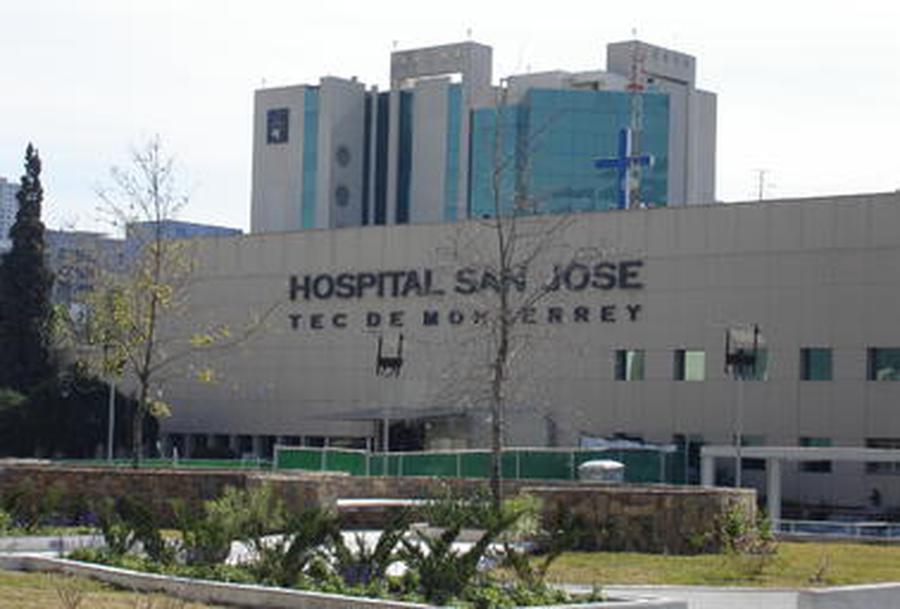
Hospital Zambrano Hellion




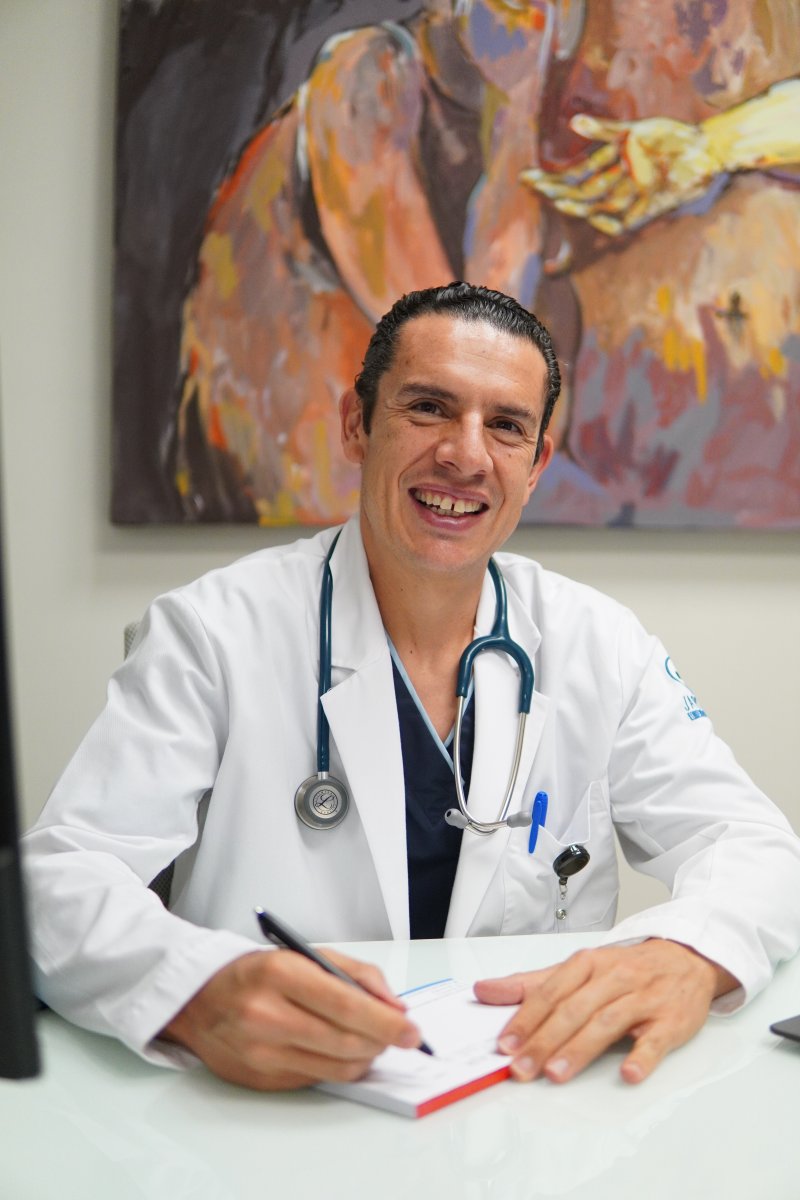
Dr. Rodrigo Prieto Bariatric & Metabolic Surgery Center - Guadalajara, Mexico
نظرة عامة على إصلاح فتق الحجاب الحاجز في المكسيك
تُصلح العملية انتفاخًا بالقرب من السرة ، مما يقلل الانزعاج ويمنع حدوث مضاعفات خطيرة.
- استئصال المعدة - من $6,500
يتضمن الإجراء إزالة جزء من المعدة لعلاج حالات مثل السرطان ، مما يوفر نتائج علاجية محتملة.
- البتر - من $5,500
يتضمن الإجراء إزالة جزء من الجسم لإنقاذ الأرواح أو تخفيف الألم أو معالجة تقدم المرض.
- جراحة الفتق الإربي - من $2,800
يعالج هذا الإجراء انتفاخًا في منطقة الفخذ عن طريق دفعه للخلف وتقوية جدار البطن.
- إصلاح فتق الحجاب الحاجز - من $5,500
يقوم الإجراء بإصلاح نتوءات أنسجة البطن من خلال الحجاب الحاجز ، مما يحسن الهضم ويقلل الانزعاج.
- استئصال المرارة بالمنظار - من $3,400
تزيل العملية المرارة لعلاج حصوات المرارة والالتهابات والسرطان مع تندب أقل وشفاء أسرع.
- الجراحة - من $2,500
يتضمن الإجراء تصحيح عيوب الجسم أو الأمراض من خلال العمليات اليدوية ، وعادة ما تكون تحت التخدير.
- Atherectomy - من $7,000
يزيل هذا الإجراء الترسبات من الشرايين ، ويحسن تدفق الدم ، ويقلل من مخاطر الإصابة بأمراض القلب ، مع إجراء جراحات طفيفة التوغل.
اليوم الأول - الوصول
- الوصول إلى المنشأة الطبية.
- استكمال الأوراق اللازمة والتسجيل.
- قابل الفريق الجراحي للاستشارة.
اليوم 2 - ما قبل العملية
- الخضوع لفحوصات طبية قبل الجراحة مثل فحوصات الدم.
- ستخضع لاختبار سلسلة الجزء العلوي من الجهاز الهضمي (GI).
- اخضع لاختبار مرض الجزر المعدي المريئي (GERD) إذا لزم الأمر.
- يبدأ الصيام في الليلة التي تسبق الجراحة.
اليوم الثالث - الجراحة
- تستغرق العملية حوالي 2-3 ساعات.
- يتم إعطاء التخدير العام.
- سيقوم الجراح بإصلاح الفتق بالمنظار.
- بعد الجراحة ، ستقضي ساعات قليلة في الشفاء.
اليوم 4 - بعد العملية
- البقاء في المستشفى للمراقبة والراحة.
- ابدأ نشاطًا بدنيًا خفيفًا حسب موافقة الطبيب.
- ابدأ باتباع نظام غذائي سائل قبل الانتقال إلى الطعام الصلب.
الأسبوع الأول - إعادة التأهيل
- استمر في ممارسة الأنشطة البدنية الخفيفة.
- قدم تدريجياً الطعام المنتظم حسب موافقة الطبيب.
الأسبوع الثاني - إعادة التأهيل
- عد إلى العمل إذا كانت وظيفتك لا تتطلب نشاطًا شاقًا.
- احضر مواعيد المتابعة مع الجراح.
الأسبوع الرابع - إعادة التأهيل
- استأنف أنشطة بدنية أكثر قوة بإذن من الطبيب.
- توقع رؤية النتائج النهائية للجراحة.
ملحوظة: قد يختلف شفاء كل مريض بناءً على الظروف الصحية الفردية ومدى تعقيد الجراحة.
- إيداع Bookimed: 200 دولار أو 200 يورو.
- وديعة العيادة: ادفع نسبة محددة مقدمًا.
احصل على تقييم طبي لـ إصلاح فتق الحجاب الحاجز في المكسيك: اختر أخصائيك من بين الأفضل في هذا المجال
عرض جميع الأطباء
Enrique Pliego Esquivel
الدكتور إنريكي بليغو إسكيفيل هو جراح سمنة معتمد متخصص في الحالات المتعلقة بالسمنة، بما في ذلك إصلاح الفتق الحجابي، مع التركيز على الرعاية الشخصية والنتائج المتميزة.
- عضو الجمعية الأمريكية لجراحة التمثيل الغذائي والسمنة (ASMBS)
- معتمد من المجلس المكسيكي لجراحة السمنة
- متخصص في الارتجاع المعدي المريئي والتهاب المريء المرتبط بالارتجاع
- أكثر من _doctor_8959_ سنوات من الخبرة في جراحة السمنة والتمثيل الغذائي
- معروف بالمهنية والتعاطف والتفاني في رعاية المرضى
Daniel Guerra De Coss
قصص فيديو من مرضى Bookimed
المراجعات
جميع المراجعاتمشاركة المحتوى
 Anna Leonova
حقائق سريعة عن إصلاح فتق الحجاب الحاجز
إصلاح فتق الحجاب الحاجز
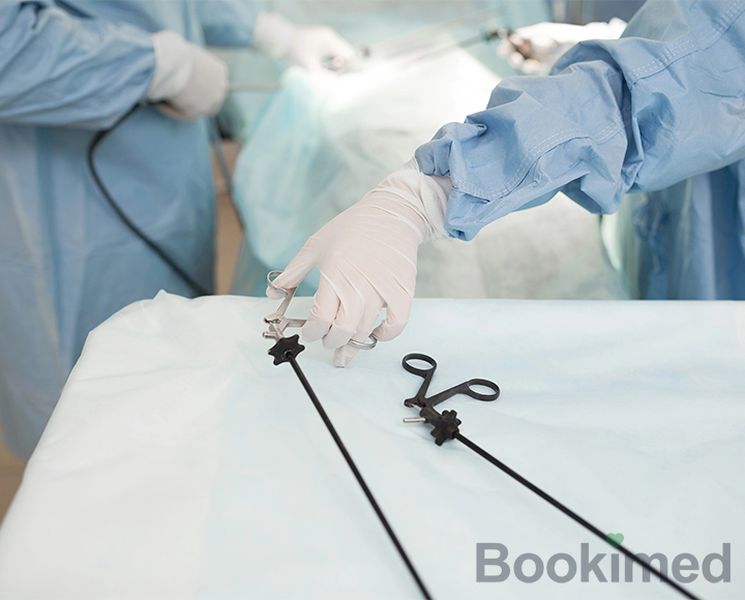
يعمل هذا التدخل الجراحي على تصحيح فتق الحجاب الحاجز عن طريق إعادة وضع المعدة وتقوية الحجاب الحاجز.
أسئلة متكررة حول إصلاح فتق الحجاب الحاجز في المكسيك
هل الجراحون في المكسيك مؤهلون لإجراء عمليات إصلاح الفتق الحجابي؟
يتمتع الجراحون في المكسيك بمؤهلات عالية لإجراء عمليات إصلاح الفتق الحجابي، لا سيما في المراكز الخاصة في تيخوانا وغوادالاخارا ومونتيري. كبار المتخصصين معتمدون من قبل المجلس المكسيكي للجراحة العامة (CMCG) وغالباً ما يحملون زمالات دولية من كلية الجراحين الأمريكية.
- الشهادة: تحقق من بيانات اعتماد CMCG النشطة عبر سجل CONACEM الوطني للجراحة العامة.
- التدريب الجراحي: ابحث عن جراحين لديهم زمالات متقدمة في تنظير البطن والجهاز الهضمي للإصلاح طفيف التوغل.
- الاعتمادات الدولية: ابحث عن عضويات في الجمعية الأمريكية لجراحة التمثيل الغذائي والسمنة.
- معايير المستشفى: اختر المرافق الحاصلة على اعتماد CSG أو أختام السلامة من اللجنة الدولية المشتركة (JCI).
رؤية خبير Bookimed: بينما يبحث الكثيرون عن هذه الجراحة في تيخوانا، تقدم عيادات غوادالاخارا مثل مستشفى ريال سان خوسيه مفهوماً فريداً للمستشفى والفندق. توازن هذه المرافق بين التكنولوجيا المتقدمة والبيئات التي تركز على التعافي. تظهر البيانات أن جراحين عالميين مثل الدكتور أرتورو مارتينيز يجلبون 20 عاماً من الخبرة إلى هذه البيئات عالية التقنية.
إجماع المرضى: يؤكد المرضى ذوو الخبرة على اختيار جراح معين بناءً على حجم إجراءاته السنوية بدلاً من مجرد موقع العيادة. يوصون بمشاركة نتائج التنظير الداخلي ودراسة درجة الحموضة الأخيرة لضمان أن الإصلاح مشار إليه طبياً.
ما هي التقنيات الجراحية المستخدمة لإصلاح الفتق الحجابي في المكسيك؟
يقوم الجراحون المكسيكيون بشكل أساسي بإجراء إصلاح الفتق الحجابي بالمنظار لعلاج الارتجاع المعدي المريئي وعيوب الحجاب الحاجز. المعيار الذهبي هو تثنية القاع بطريقة نيسن، وهي عبارة عن لف المعدة بزاوية 360 درجة. تشمل الأساليب الأخرى لفات جزئية بطريقة توبيه أو دور، والتعزيز بالشبكة للفتوق الكبيرة، والتقنيات المساعدة بالروبوت في المراكز المتخصصة.
- تثنية القاع بالمنظار: لفات طفيفة التوغل بزاوية 360 درجة أو جزئية يتم إجراؤها في مستشفيات معتمدة من JCI.
- التعزيز بالشبكة: مصفوفات صناعية أو بيولوجية معتمدة من الولايات المتحدة لتقوية فتحات الحجاب الحاجز الكبيرة.
- الإصلاح بمساعدة الروبوت: يستخدم الجراحون أنظمة دافنشي لتعزيز الدقة في الحالات المعقدة.
- التكامل مع جراحات السمنة: غالبًا ما يتم دمج إصلاح الفتق مع جراحة تكميم المعدة أو تحويل المسار.
رؤية خبير Bookimed: العديد من كبار الجراحين المكسيكيين، مثل أولئك الموجودين في عيادة الدكتور إنريكي بليغو الخاصة، متخصصون في جراحة الجهاز الهضمي العلوي. يقومون بإجراء أكثر من 500 عملية سنويًا. تظهر بياناتنا أن المراكز ذات الحجم الكبير غالبًا ما تجمع بين إصلاح الفتق الحجابي وجراحة إنقاص الوزن. يعمل هذا النهج المشترك على تحسين السيطرة على الارتجاع على المدى الطويل للمرضى الذين يعانون من مؤشر كتلة جسم مرتفع.
إجماع المرضى: يؤكد المرضى أن هذه الجراحة هي أكثر من مجرد إغلاق ثقب. يتفاجأ معظمهم بمدى تأثير لفافة منع الارتجاع على قدرتهم على التجشؤ أو الأكل بسرعة بعد العملية.
ما هو معدل نجاح جراحة الفتق الحجابي؟
تحقق جراحة الفتق الحجابي في المكسيك معدلات نجاح تتراوح بين 85% و 90% لتخفيف الأعراض على المدى الطويل. يعاني معظم المرضى من انخفاض كبير في ارتجاع الحمض وحرقة المعدة. في حين أن التكرار الجسدي يحدث في 10% إلى 30% من الحالات، فإن 1% إلى 5% فقط يحتاجون إلى جراحة ثانية.
- السيطرة على الأعراض: يحافظ معظم المرضى على تخفيف الارتجاع بعد 10 سنوات من جراحة تثنية القاع بالمنظار.
- التكرار التشريحي: غالبًا ما تكون التحولات الجسدية صغيرة وغير مصحوبة بأعراض ولا تتطلب علاجًا طبيًا إضافيًا.
- النهج طفيف التوغل: توفر تقنيات المنظار فعالية تتراوح بين 80% و 90% مع أوقات تعافي أسرع.
- خبرة الجراح: يحافظ المتخصصون ذوو الحالات الكثيرة في تيخوانا وكانكون على معدلات مراضة منخفضة تصل إلى 1.2%.
رؤية خبير Bookimed: غالبًا ما يعتمد النجاح على حجم العمليات الجراحية وليس فقط على موقع العيادة. يركز المتخصصون مثل أولئك الموجودين في عيادة الدكتور إنريكي بلييجو الخاصة على مضاعفات الجهاز الهضمي العلوي لضمان المتانة. غالبًا ما يرتبط اختيار جراح عضو في الجمعية الأمريكية لجراحة التمثيل الغذائي والسمنة (ASMBS) بمعايير سلامة أعلى.
إجماع المرضى: يبلغ العديد من المرضى عن تحسن فوري في التنفس والارتجاع. ومع ذلك، يؤكدون أن مشاكل التعافي المبكرة مثل الانتفاخ أو صعوبات البلع طبيعية وعادة ما تختفي في غضون أشهر.
كيف يمكنني العثور على مستشفى آمن ومعتمد في المكسيك؟
يتضمن العثور على مستشفى آمن في المكسيك التحقق من اعتماد اللجنة الدولية المشتركة (JCI) أو شهادة المجلس الوطني للصحة العامة (CSG). يجب عليك أيضًا التحقق من رقم الترخيص الطبي للجراح، المعروف باسم Cédula Profesional، من خلال قاعدة بيانات الحكومة الرسمية DGP للتأكد من أنه مرخص قانونًا.
- المعايير الدولية: تمتلك مرافق مثل مستشفى سان خوسيه تكنولوجيكو دي مونتيري اعتماد JCI للسلامة.
- الشهادة الوطنية: ابحث عن المستشفيات المعتمدة من CSG مثل مستشفى ريال سان خوسيه لضمان بروتوكولات صحية صارمة.
- ترخيص الطبيب: تحقق من Cédula Profesional الخاص بالأخصائي وعضويته في كليات مثل الكلية المكسيكية للجراحة العامة.
- تسجيل المنشأة: تأكد من أن العيادة لديها تسجيل COFEPRIS ساري المفعول للاستخدام القانوني لغرفة العمليات.
رؤية خبير Bookimed: بينما يبحث الكثيرون عن أقل سعر، غالبًا ما تعمل المرافق الأكثر أمانًا كمراكز صحية. على سبيل المثال، يخدم الدكتور إنريكي بليغو في كانكون 500 مريض سنويًا ويحافظ على معايير الكلية الأمريكية للجراحين. اختيار المراكز ذات حجم المرضى المرتفع والتخصصات الهضمية المحددة يضمن عادةً إدارة أفضل لإصلاحات فتق الحجاب الحاجز المعقدة.
إجماع المرضى: يؤكد المرضى على أهمية التحقق من الجراح بشكل مستقل قبل المستشفى وطلب إثبات كتابي للاعتماد. يقترحون تفضيل المراكز الطبية الأكبر في مدن مثل مونتيري أو غوادالاخارا حيث تتوفر رعاية مركزة بسهولة.
كيف يبدو التعافي بعد الجراحة؟
يتضمن التعافي من جراحة إصلاح الفتق الحجابي في المكسيك عودة منظمة إلى النشاط الطبيعي من خلال تقنيات تنظير البطن طفيفة التوغل. يقضي المرضى عادةً ليلة أو ليلتين في مستشفيات معتمدة من JCI أو CSG قبل الانتقال إلى نظام غذائي سائل لعدة أسابيع لضمان التئام المريء بشكل صحيح.
- الحركة الفورية: يتم تشجيع المشي في يوم الجراحة لمنع تجلط الدم وتقليل الغازات.
- تطور النظام الغذائي: مراحل متخصصة تنتقل من السوائل الصافية إلى الأطعمة اللينة على مدى 4 إلى 6 أسابيع.
- القيود البدنية: يُمنع منعاً باتاً رفع الأثقال التي تزيد عن 10 أرطال (حوالي 4.5 كجم) لمدة 6 أسابيع على الأقل.
- الانزعاج الأولي: ألم الغازات في الكتف والصدر شائع بسبب نفخ البطن أثناء التنظير.
رؤية خبير Bookimed: بينما يركز الكثيرون على الجراحة فقط، يعتمد نجاح التعافي في المكسيك على خبرة الجراح في تقنيات تثنية القاع. شارك خبراء مثل الدكتور أرييل أورتيز لارجادير في تيخوانا في أكثر من 19000 إجراء بمعدلات مراضة منخفضة للغاية. اختيار جراح متخصص في كل من جراحة السمنة ومكافحة الارتجاع يضمن أن يكون إصلاح الفتق الحجابي متيناً ويقلل من احتمالية صعوبة البلع خلال الشهر الأول.
إجماع المرضى: يجد العديد من المرضى أن الشعور بأن الطعام عالق أكثر إثارة للدهشة من ألم الجراحة الفعلي. ويؤكدون أن اتباع النظام الغذائي المرحلي بدقة أمر حيوي للراحة خلال الأسابيع القليلة الأولى.
كم من الوقت أحتاج للبقاء في المكسيك لإجراء الجراحة والتعافي؟
يجب على المرضى التخطيط للبقاء في المكسيك لمدة تتراوح بين 5 إلى 10 أيام لإجراء جراحة إصلاح الفتق الحجابي بأمان. تغطي هذه الفترة الاختبارات السريرية قبل الجراحة، وإجراء تنظير البطن، والمراقبة الطبية الأساسية لضمان قدرتك على تحمل السوائل والمشي بشكل طبيعي قبل ركوب رحلة العودة.
- الإقامة في المستشفى: توقع قضاء ليلتين إلى 3 ليالٍ في المستشفى للمراقبة المهنية بعد الجراحة.
- التصريح السريري: يتطلب الجراحون تأكيد تحمل السوائل والتحكم في الألم بدون أدوية وريدية.
- العوامل التقنية: قد تتطلب جراحة تثنية القاع طفيفة التوغل أو إصلاحات الشبكة يومين إضافيين للتعافي.
- سلامة الطيران: توفر فترة انتظار لمدة 7 أيام حماية من مضاعفات تغيرات الضغط وآلام الغازات أثناء الرحلات الجوية.
رؤية خبير Bookimed: على الرغم من أن العديد من مراكز جراحة السمنة في تيخوانا أو كانكون تقدم برامج لمدة 4 أيام، إلا أن إصلاحات الفتق الحجابي أكثر تعقيداً من الناحية التقنية من عمليات تكميم المعدة البسيطة. تظهر بياناتنا من مراكز مثل عيادة الدكتور إنريكي بليغو أن الإقامة في المستشفى لمدة 3 ليالٍ تظل هي معيار الأمان. تضمن هذه الليلة الإضافية قدرة الجراحين على مراقبة صعوبات البلع النادرة ولكن الحرجة قبل مغادرتك المدينة.
إجماع المرضى: يؤكد المرضى على أهمية تخصيص أيام إضافية للتعامل مع الانتفاخ المبكر وآلام الغازات الناتجة عن ضغط مقصورة الطائرة. يوصون بالتأكد من أن فندقك يوفر سهولة الوصول إلى الأطعمة اللينة ووجود مرافق للمساعدة في حمل الأمتعة الثقيلة.