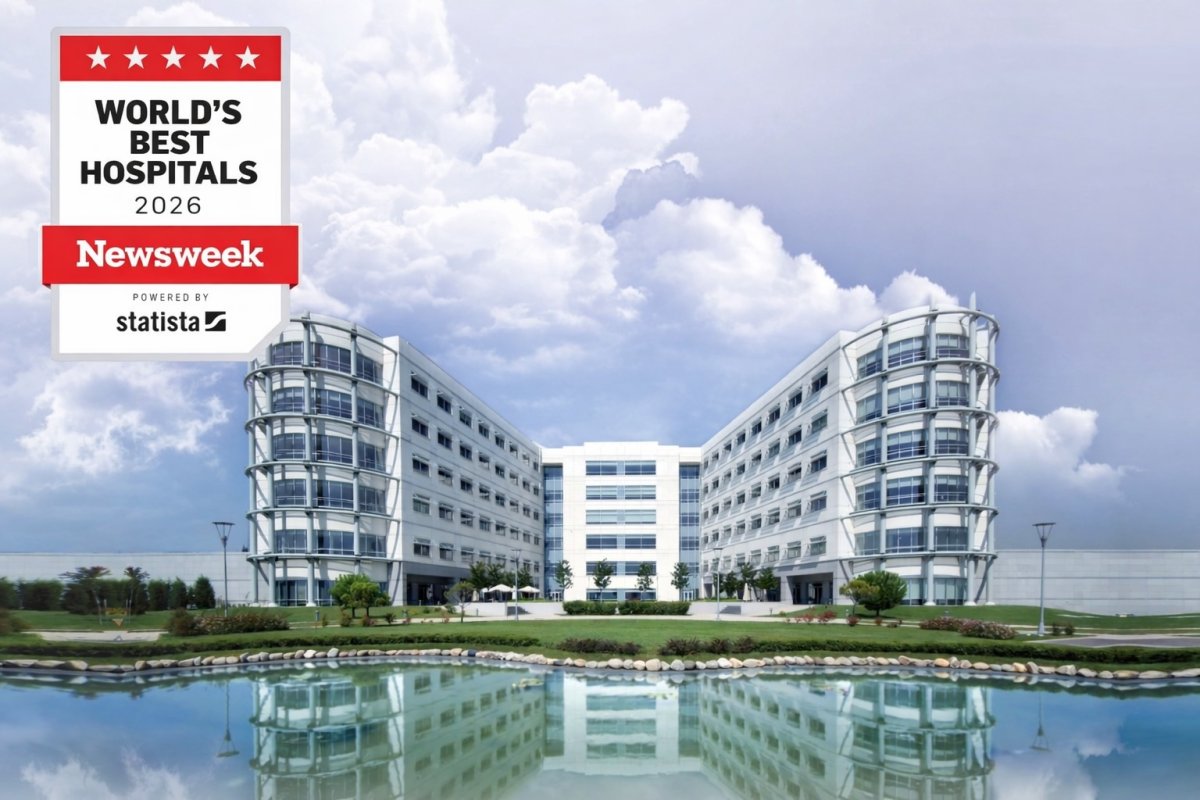
 Anadolu Medical Center
إفصاح المعلن
آخر تحديث: 09/01/2026
علاج الورم السحائي في تركيا — احصل على 3 عيادات مختارة خصيصاً لك
هل تريد استكشاف المزيد من الخيارات؟يمكنك أيضًا تصفح 34 عيادة أدناه.


تمت مراجعة المقالة طبيا من قبل
فهد مولود
تأليف Anna Leonova
رئيس فريق تسويق المحتوى
كيف نعمل؟
لقد قمنا بتحويل عملية البحث عن العيادة، وجعلناها بسيطة وسريعة وشخصية.
أجب عن بعض الأسئلة
املأوا استمارة قصيرة لتخبرونا عن حالتكم الصحية واحتياجاتكم الطبية.
احصل على عروض مخصصة٣ عيادات تم اختيارها بعناية بناءً على إجاباتك، ستقدّم خطط علاج وتقديرات تكلفة مخصصة لك.
اختر الخيار الأفضلقارن بين العروض واختر العيادة الأنسب لك.
يمكنك أيضًا تصفح 34 عيادة أدناه.
820К+ مريضًا حصلوا على المساعدة منذ عام 2014
50 دول
1,500
عيادات
6K+ تقييمات
3K+ طبيب مؤهل
ما هي تكلفة الورم السحائي إجراءات التشخيص والعلاج في تركيا؟ اعرف الآن
تختلف التكلفة الإجمالية لعلاج الورم السحائي في تركيا بناءً على خطة العلاج والإجراءات المحددة المطلوبة. على سبيل المثال، تبلغ تكلفة الاستشارة مع جراح الأعصاب حوالي $140، بينما يتم تسعير إجراء إزالة الورم باستخدام التوجيه العصبي والمستحضر فوق الصوتي بـ $19,000. تبدأ تكلفة الإجراءات الإضافية مثل علاج سكين جاما من $7,000. يتم وضع خطة العلاج النهائية بعد تقييم شامل من قبل المتخصصين الطبيين، مما يضمن نهجًا شخصيًا لكل مريض.
تم التحقق من البيانات بواسطة Bookimed اعتبارًا من September 2026، استنادًا إلى طلبات المرضى والعروض الرسمية من 117 عيادة حول العالم. تستند التكاليف المتوسطة إلى الفواتير الحقيقية (2025–2026) ويتم تحديثها شهريًا. قد تختلف الأسعار الفعلية.
اكتشف أفضل الورم السحائي العيادات في تركيا: 34 خيارات معتمدة والأسعار
تم تصنيف العيادات بواسطة نظام Bookimed الذكي، باستخدام تحليل علوم البيانات عبر 5 معايير رئيسية.
Anadolu Medical Center


 Group Florence Nightingale Hospitals


إعلان
Hisar Intercontinental Hospital
 Medical Park Göztepe Hospital Complex
 Memorial Şişli Hospital
لقد شاهدتم 4 من 34
عيادات
احصل على تقييم طبي لـ في تركيا. استشر الآن 36 أطباء ذوي الخبرة.
عرض جميع الأطباء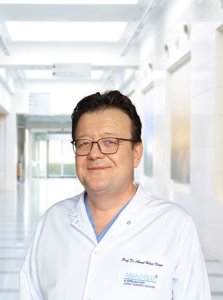
يؤكد
Ahmet Hilmi Kaya
30سنة خبره ١٦ سنة
البروفيسور الدكتور أحمد حلمي كايا أستاذ جراحة الأعصاب في مركز الأناضول الطبي في غبزة، تركيا. حصل على شهادة الطب من جامعة إسطنبول - جراح باشا (البرنامج الإنجليزي)، وأكمل فيها اختصاص جراحة الأعصاب بين 1996 و2003. نال لقب أستاذ عام 2015، وأتم فترتي ملاحظة في جامعة ماسترخت عامي 2007 و2009.
يركز عمله السريري على جراحة الأعصاب الوظيفية والتوضيعية (التجسيمية)، بما في ذلك التحفيز العميق للدماغ لعلاج مرض باركنسون والرعاش الأساسي. كما يعالج أورام العمود الفقري وتضيق القناة الشوكية ويجري تثبيتات
يؤكد
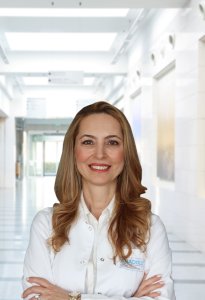
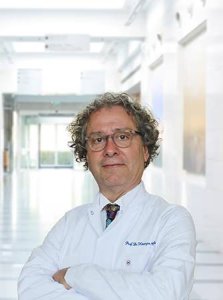
Banu Atalar
26سنة خبره ١٦ سنة
الدكتورة بانو أتالار طبيبة أورام إشعاعية حاصلة على شهادة البورد (تركيا، 2004). تشغل منصب أستاذة في جامعة أجيبادم MAA (2018–الآن) وطبيبة سريرية في مركز الأناضول الطبي (2026–الآن). تلقت تدريبها في جامعة إسطنبول وكلية جراح باشا. في عام 2011 أتمّت زمالة أبحاث سريرية بجامعة ستانفورد في الجراحة الإشعاعية التجسيمية. يتركز عملها على أورام الجهاز العصبي المركزي والأورام الصدرية وأورام الجهاز الهضمي. نحو 75% من رعايتها تشمل الجراحة الإشعاعية التجسيمية SRS وSRS التكيفية الموجّهة بالرنين المغناطيسي.
يؤكد
Huseyin Baloglu
40سنة خبره ١٦ سنة
البروفيسور حسين بال أوغلو اختصاصي علم الأمراض في مركز الأناضول الطبي بغبزه، كوجالي، تركيا. يركز على علم الأمراض الجزيئي، وعلم الأمراض الجراحي، وخزعات الأورام والتشخيص.
التعليم والاعتمادات: دكتوراه في الطب، كلية طب غاتا (1986). تدريب تخصصي في علم الأمراض، غاتا (1992). أستاذ مشارك (Doçent)، غاتا (2004). باحث زائر في كلية طب ألبرت آينشتاين (نيويورك) وجامعة هايدلبرغ.
الإنجازات: مؤلف لأكثر من 600 منشور مُحكَّم. يحمل براءة اختراع في التشخيص الجزيئي لسرطان الغدة الدرقية. يقود خدمات الخ

يؤكد
البروفيسور سيزر ساغلام
27سنة خبره ١٦ سنة
البروفيسور ساغلام هو أستاذ متخصص في أورام الجهاز الهضمي في مستشفى غايتبي فلورنس نايتنجيل.
- أكمل زمالة الأورام الطبية في جامعة إسطنبول
- عضو في الجمعية الأوروبية لطب الأورام (ESMO)، والجمعية الأمريكية لعلم الأورام السريري (ASCO)، والجمعية الأوروبية لأورام الغدد الصماء العصبية
- عمل في المركز الأمريكي للسرطان في إسطنبول
- متخصص في كل من الأورام الطبية وأورام الجهاز الهضمي
المراجعات
جميع المراجعات Gulnoza Husenova • Gamma Knife جاما نايف
أوزبكستان
27 سبتمبر 2024
ساعدنا موقع Bookimed الإلكتروني كثيراً. كان كل شيء رائعاً، فقد كانت فتاة لطيفة ومتعاونة للغاية تدعى فيكتوريا مفيدة للغاية. كانت المترجمة الفورية وسيارة الأجرة والعيادة التي أوصتنا بها من الدرجة الأولى. تم استقبالنا في المطار ونقلنا إلى العيادة. كان الأطباء جيدين وذوي خبرة. كانت الممرضات في العيادة غير مسؤولات بعض الشيء. لكنني ممتن جداً لهذا الموقع على المساعدة الكبيرة. أنا سعيد لأنني وجدت هذا الموقع. نصيحة.
مشغل بوكيميد لطيف للغاية ومسؤول.
طاقم التمريض في العيادة
حول خدمة Bookimed
يتم أخذ جميع استفساراتنا في الاعتبار ويتم شرح كل شيء بوضوح. مفيد في العثور على عيادات في الخارج. فريق عمل Bookimed مسؤول ودقيق للغاية.
مجهول • الورم السحائي
أوكرانيا
11 أكتوبر 2019
في السابق ، كانت هناك خبرة في العلاج في بلدان أخرى ، وكانت العيادة مفاجأة سارة والاهتمام والموقف الممتاز. شكرا لاختيارك وساعد في تنظيم الرحلة.
Shatha • الورم السحائي
17 مارس 2019
لم يكن الطبيب يضفي خبرة عملية على مشكلة ورم في المخ ويجعلنا بلا أمل من العملية.
مشاركة المحتوى
قصص فيديو من مرضى Bookimed
Dayana
جمعت بين إجازتي في أنطاليا والفحص الطبي.
إجراء: فحص صحة الإناث (انظر فحص النساء)
مستشفى: Memorial Antalya Hospital
Marina
قام Bookimed بكل شيء من أجلي. لم أضطر للقلق بشأن أي شيء.
إجراء: فحص صحة الإناث (انظر فحص النساء)
مستشفى: Severance Hospital
محدث: 09/01/2026
تأليف
 Anna Leonova
Anna Leonova
رئيس فريق تسويق المحتوى
محررة طبية معتمدة لديها خبرة تزيد عن 10 سنوات، طوّرت محتوى Bookimed الموثوق، مدعومة بماجستير في علم اللغة ومقابلات مع خبراء طبيين من جميع أنحاء العالم.
تمت المراجعة من قبل المستشار الطبي في Bookimed

فهد مولود
محرر طبي وعالم بيانات
طبيب عام. حاصل على 4 جوائز علمية. خدم في غرب آسيا. رئيس الفريق الطبي الناطق بالعربية سابقا ومسؤول عن معالجة البيانات ودقة المحتوى الطبي حاليا.
فهد مولود Linkedinقد تحتوي هذه الصفحة على معلومات تتعلق بمختلف الحالات الطبية والعلاجات وخدمات الرعاية الصحية المتوفرة في بلدان مختلفة. يرجى العلم أن المحتوى مقدم لأغراض إعلامية فقط ولا ينبغي تفسيره على أنه نصيحة أو إرشادات طبية. يرجى استشارة طبيبك أو أخصائي طبي مؤهل قبل البدء أو تغيير العلاج الطبي.
أسئلة متكررة حول علاج الورم السحائي في تركيا
هذه الأسئلة الشائعة مأخوذة من مرضى حقيقيين يبحثون عن رعاية طبية عبر Bookimed. يتم تقديم الإجابات من قبل منسقين طبيين ذوي خبرة وممثلين موثوقين من العيادات.
هل الجراحة مطلوبة دائمًا للورم السحائي؟
الجراحة ليست مطلوبة دائمًا للورم السحائي. غالبًا ما يوصي الأطباء بالمراقبة للأورام الصغيرة بطيئة النمو. تعالج البدائل غير الجراحية مثل Gamma Knife أو CyberKnife الأورام في المواقع الصعبة. عادة ما يتم حجز التدخل الجراحي للأورام الكبيرة أو العدوانية من الدرجة 2 و 3 التي تسبب أعراضًا.
- المراقبة والانتظار: تراقب فحوصات التصوير بالرنين المغناطيسي المنتظمة الأورام الصغيرة التي لا تظهر أي أعراض.
- العلاج الإشعاعي: تستهدف حزم الطاقة العالية الآفات عندما تكون الجراحة محفوفة بالمخاطر جسديًا.
- تقنية CyberKnife: يعالج هذا النظام غير الجراحي الأورام الصغيرة بدقة دون المليمتر.
- إدارة الأعراض: يبدأ العلاج إذا تسببت الأورام في نوبات صرع أو فقدان البصر أو ضعف.
رؤية خبير Bookimed: غالبًا ما تقدم مراكز جراحة الأعصاب التركية مثل مركز الأناضول الطبي تقنية CyberKnife للحالات التي قد تصفها عيادات أخرى بأنها غير قابلة للجراحة. يتم إدارة أكثر من 40% من الحالات التي نراها بدون جراحة مفتوحة. يفضل هذا الاتجاه المرضى الذين يعانون من أورام بالقرب من الأعصاب البصرية الحساسة أو جذع الدماغ. غالبًا ما تحافظ تقنية CyberKnife على الوظائف بشكل أفضل من الاستئصال الجراحي في هذه المناطق الحساسة.
إجماع المرضى: غالبًا ما يجد المرضى الذين يشعرون بالقلق في البداية بشأن جراحة الدماغ الراحة بعد التعرف على الخيارات غير الجراحية. يلاحظ الكثيرون أن المراقبة البسيطة كافية لسنوات إذا ظل الورم مستقرًا.
ما هي خيارات العلاج الأساسية للورم السحائي المتاحة في تركيا؟
يشمل العلاج الأساسي للورم السحائي في تركيا الاستئصال المجهري والعلاج الإشعاعي الدقيق. يستخدم الجراحون الملاحة العصبية والتصوير بالرنين المغناطيسي أثناء الجراحة لإزالة الورم بدقة. تستهدف الخيارات غير الجراحية مثل سكين جاما (Gamma Knife) وسايبر نايف (CyberKnife) الأورام غير القابلة للجراحة. تمتلك العديد من مراكز جراحة الأعصاب التركية اعتماد JCI للسلامة.
- الجراحة المجهرية: يستخدم الجراحون مجاهر عالية الطاقة لإزالة الأورام مع الحفاظ على أنسجة المخ.
- سكين جاما (Gamma Knife): يعالج نظام الإشعاع الدقيق هذا الأورام الصغيرة دون إجراء أي شقوق.
- سايبر نايف (CyberKnife): نظام آلي يوجه حزمًا مركزة نحو الأورام في المواقع الحساسة.
- المراقبة النشطة: يتابع الأطباء الأورام السحائية بطيئة النمو وغير المصحوبة بأعراض باستخدام فحوصات الرنين المغناطيسي المنتظمة.
رؤية خبير Bookimed: يتميز مركز الأناضول الطبي بانتمائه إلى جونز هوبكنز. تجلب هذه الشراكة بروتوكولات الأورام بمستوى الولايات المتحدة إلى المنطقة. يقدم المركز تقنيات سايبر نايف وسكين جاما المتخصصة. تسمح هذه الأنظمة للأطباء بعلاج الحالات المعقدة دون جراحة مفتوحة تقليدية.
إجماع المرضى: يشير المرضى إلى أهمية اختيار العيادات التي تقدم أنظمة آلية. يقدر الكثيرون الخرائط التفصيلية قبل الجراحة التي تساعد في حماية الكلام والحركة.
ما هو معدل نجاح جراحة الورم السحائي في تركيا؟
يبلغ جراحو الأعصاب في تركيا عن معدلات نجاح تتجاوز 90% لإجراءات إزالة الورم السحائي. تحافظ المراكز المتخصصة على معدل نجاح يبلغ 91% لجراحات الأعصاب داخل الجمجمة باستخدام الملاحة العصبية المتقدمة. عادة ما يصل التحكم في الأورام الحميدة إلى 95%. تظهر حالات المرحلة المبكرة من الدرجة الأولى هجوعاً طويل الأمد لدى 85% من المرضى.
- الدقة الجراحية: يضمن التصوير بالرنين المغناطيسي أثناء الجراحة وأنظمة الملاحة العصبية المستخدمة في المراكز المعتمدة من JCI الدقة.
- معدلات البقاء على قيد الحياة: تبلغ أقسام جراحة الأعصاب الرائدة عن معدلات بقاء إجمالية تصل إلى 91%.
- فعالية الجراحة الإشعاعية: تحقق علاجات CyberKnife و Gamma Knife تحكماً في الورم بنسبة 90% إلى 95%.
- سجلات السلامة: تبلغ المستشفيات التركية من الدرجة الأولى عن معدل بقاء بنسبة 99% لهذه الإجراءات المعقدة.
- التحكم في التكرار: يظل تكرار الحالات الحميدة منخفضاً عند حوالي 3% بعد الإزالة الكاملة.
رؤية خبير Bookimed: غالباً ما يعتمد النجاح على توفر معدات محددة بدلاً من مجرد مهارة الجراح. تعطي مراكز مثل مستشفى ميموريال ومستشفى ليف الأولوية لغرف العمليات الهجينة. تسمح هذه الغرف بإجراء فحوصات فورية بعد الجراحة بينما لا يزال المريض تحت التخدير. تساعد هذه التكنولوجيا الجراحين على تأكيد الاستئصال الكامل للورم قبل إنهاء الإجراء. يقلل هذا النهج بشكل كبير من الحاجة إلى جراحات مراجعة ثانوية.
إجماع المرضى: غالباً ما يذكر المرضى شعورهم بالاطمئنان بسبب دقة الفحوصات العصبي
ما هي مدة الإقامة في المستشفى وفترة التعافي الإجمالية بعد جراحة الورم السحائي؟
يبقى معظم المرضى في المستشفى لمدة تتراوح بين 3 إلى 7 أيام بعد جراحة الورم السحائي. تستغرق فترة التعافي الإجمالية للعودة إلى العمل عادةً من 6 إلى 12 أسبوعاً. تعطي المراكز المتخصصة في تركيا الأولوية للتحريك المبكر لتحسين النتائج وتسريع الخروج.
- المراقبة في العناية المركزة: يقضي المرضى عادةً الليلة الأولى في العناية المركزة للمراقبة الدقيقة.
- العناية بالجروح: يقوم الجراحون عادةً بإزالة الغرز أو الدبابيس بعد 14 يوماً من الإجراء.
- النشاط البدني: يُمنع رفع أكثر من 4.5 كجم (10 أرطال) لمدة شهر واحد على الأقل.
- شفاء الدماغ: يستغرق شفاء أنسجة الدماغ بشكل كبير واستعادة الطاقة من 6 إلى 12 شهراً.
رؤية خبير Bookimed: غالباً ما تستخدم مراكز الأورام التركية الملاحة العصبية والمراقبة العصبية أثناء إزالة الورم السحائي. تساعد هذه التقنيات في الحفاظ على أنسجة الدماغ السليمة. تُظهر بياناتنا أن هذه الدقة غالباً ما تقلل من فترات الإقامة في العناية المركزة إلى 24 ساعة فقط. تساعد فترات الإقامة الأقصر في العناية المركزة المرضى على بدء العلاج الطبيعي بشكل أسرع بكثير.
إجماع المرضى: يؤكد المرضى أن التعب الشديد أمر طبيعي خلال الشهر الأول في المنزل. يقترح الكثيرون وجود مقدم رعاية جاهز لمدة أسبوعين على الأقل بعد الخروج من المستشفى.