الورم السحائي العلاج في الهند - التكاليف 2026


تمت مراجعة المقالة طبيا من قبل
فهد مولود
ما هي تكلفة الورم السحائي إجراءات التشخيص والعلاج في الهند؟ اعرف الآن
| الهند | تركيا | إسبانيا | |
|---|---|---|---|
| سايبر نايف CyberKnife | ≈ $6,000 | من $4,900 | من $14,800 |
| حج القحف | من $6,500 | من $8,900 | من $32,400 |
| العلاج الإشعاعي لسرطان القولون والمستقيم | ≈ $4,500 | من $5,000 | من $7,500 |
| استئصال الورم السحائي | ≈ $5,800 | من $10,500 | من $27,800 |
| TrueBeam | ≈ $3,400 | ≈ $7,500 | ≈ $12,000 |
مزاياك وضماناتك مع Bookimed
أسعار مباشرة
Bookimed لا يضيف رسوماً إضافية على أسعار علاج الورم السحائي. الأسعار مأخوذة من قوائم الأسعار الرسمية للعيادات. تدفع مباشرة في العيادة مقابل علاجك عند وصولك إلى البلد.
عيادات وأطباء معتمدون فقط
Bookimed ملتزم بسلامتك. نحن نعمل فقط مع المؤسسات الطبية التي تحافظ على معايير دولية عالية في علاج الورم السحائي ولديها التراخيص اللازمة لخدمة المرضى الدوليين في جميع أنحاء العالم.
مساعدة مجانية على مدار الساعة
Bookimed يقدم مساعدة خبراء مجانية. منسق طبي شخصي يدعمك قبل وأثناء وبعد العلاج، ويحل أي مشاكل. لن تكون وحيداً أبداً في رحلة علاج الورم السحائي.

منسقك الطبي الشخصي في Bookimed
- يدعمك في كل مرحلة
- المساعدة في اختيار العيادة الطبية المناسبة والطبيب المناسب
- يضمن الوصول السريع والمريح إلى المعلومات
اكتشف أفضل الورم السحائي العيادات في الهند: 9 خيارات معتمدة والأسعار










Dr. Rela Institute & Medical Centre

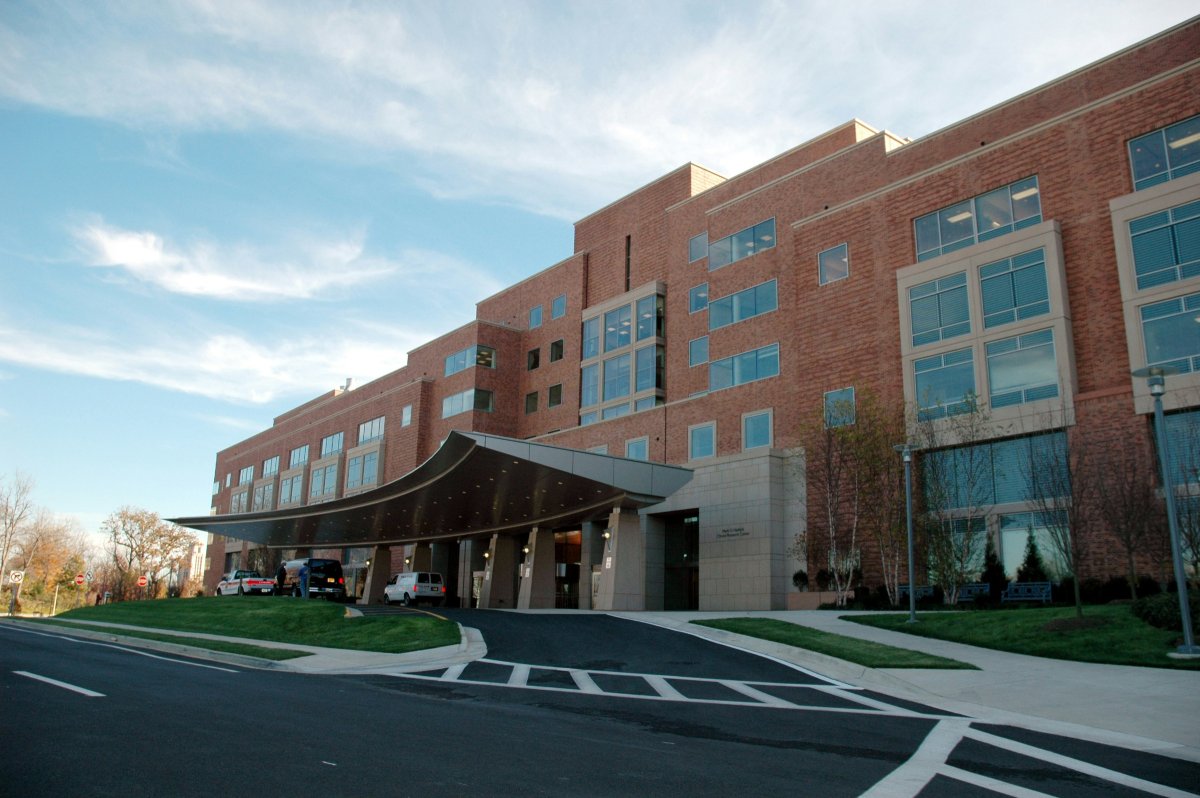

احصل على تقييم طبي لـ في الهند. استشر الآن 8 أطباء ذوي الخبرة.
عرض جميع الأطباء
Vinod Rambal

Rana Patir

Vadhiraja B. M.
الدكتور فادحيراجا بي. إم. هو أخصائي أشعة ماهر في مستشفيات مانيبال، متخصص في التصوير التشخيصي لحالات الورم السحائي.
- خبير في تقنيات التصوير المتقدمة للتشخيص الدقيق
- يعمل بشكل وثيق مع جراحي الأعصاب لتخطيط العلاجات
- جزء من فريق متعدد التخصصات في مستشفى رائد

Sridhar P.S.
يتخصص الدكتور سريدهار بي. إس. في العلاج الإشعاعي لأورام المخ في مركز HCG Manavata للسرطان، مع تدريب مكثف في طب الأورام العصبي.
- حاصل على شهادة البورد في العلاج الإشعاعي مع خبرة تزيد عن _doctor_3397_ عاماً
- عضو في جمعية طب الأورام العصبي - متخصص في أورام المخ
- تلقى تدريبه في مؤسسات مرموقة بما في ذلك جامعة باناراس الهندوسية
- نشط في الأبحاث والمنظمات المهنية في مجال الأورام
مشاركة المحتوى
قصص فيديو من مرضى Bookimed
 Anna Leonova
أسئلة متكررة حول علاج الورم السحائي في الهند
ما هو معدل نجاح جراحة الورم السحائي في الهند؟
تُبلغ الهند عن معدل نجاح لجراحة الورم السحائي يتراوح بين 85% و95% للأورام الحميدة من الدرجة الأولى. تحقق المراكز المعتمدة من قبل اللجنة الدولية المشتركة (JCI) معدل بقاء على قيد الحياة لمدة خمس سنوات بنسبة 95.7% لهذه الحالات. يعتمد النجاح على درجة الورم وموقعه وقدرة الجراح على تحقيق الاستئصال الكلي الإجمالي.
- معدل الاستئصال: تُبلغ أفضل المستشفيات الهندية عن نجاح بنسبة 90% في الاستئصال الكامل للورم.
- نتائج البقاء على قيد الحياة: تُظهر حالات الدرجة الأولى بقاءً على قيد الحياة بنسبة 95.7% تقريبًا بعد خمس سنوات.
- معيار السلامة: تظل معدلات المضاعفات بعد الجراحة أقل من 3% في مراكز جراحة الأعصاب المتخصصة.
- خطر التكرار: يحدث التكرار في أقل من 10% من الحالات بعد الاستئصال الكامل.
رؤية خبير Bookimed: يرتبط حجم المرضى في المراكز الهندية ارتباطًا مباشرًا بالدقة الجراحية. يخدم مركز HCG Manavata للسرطان 75,000 مريض سنويًا. تجري المستشفيات ذات الحجم الكبير مثل مستشفى جلوبال في تشيناي 18,000 عملية سنويًا. يسمح هذا العبء الهائل من الحالات للجراحين بإتقان أورام قاعدة الجمجمة المعقدة التي نادرًا ما تتعامل معها العيادات الصغيرة.
إجماع المرضى: يشير المرضى إلى أهمية اختيار المستشفيات المعتمدة من JCI التي تستخدم التصوير بالرنين المغناطيسي أثناء الجراحة. يؤكد الكثيرون أن العثور على جراح أعصاب يتعامل مع أكثر من 100 حالة سنويًا يعزز بشكل كبير الثقة في التعافي.
ما هي المستشفيات في الهند المعترف بها لعلاج الأورام السحائية المتقدم؟
تضم الهند مراكز جراحة أعصاب نخبوية مثل مستشفيات فورتيس جورجاون ومانيبال المعترف بها لإدارة الأورام السحائية المتقدمة. تحمل هذه المرافق اعتمادات JCI و NABH وتستخدم تقنيات مثل CyberKnife و Gamma Knife. تقوم فرق متخصصة بإجراء عمليات استئصال معقدة وعلاجات إشعاعية دقيقة لضمان معايير سلامة عالية.
- العمق التكنولوجي: تستخدم المراكز CyberKnife و Gamma Knife و TrueBeam لتشعيع الأورام غير الجراحي.
- مراكز عالية الكثافة: تم تصنيف فورتيس جورجاون عالمياً للتقدم التقني في جراحة الأعصاب المعقدة.
- الخبرة المتخصصة: الدكتور رانا باتير في فورتيس متخصص في جراحة الأورام العصبية للتدخل الجراحي.
- التشخيص الشامل: توفر المرافق تصوير الرنين المغناطيسي للدماغ مع التباين واستشارات متخصصة في جراحة الأعصاب.
- معايير الاعتماد: تحمل مستشفيات مانيبال وجلوبال تشيناي اعتراف «أفضل مستشفيات العالم» من مجلة نيوزويك.
رؤية خبير Bookimed: بينما يركز الكثيرون على المدن الكبرى، برزت ناشيك كمركز متخصص مع مركز HCG Manavata للسرطان. يخدم 75,000 مريض سنوياً وهو أول مرفق معتمد من NABH في وسط الهند. يشمل طاقمهم أطباء مثل الدكتور سريدهار بي.إس.، الذي تدرب في جامعة ستانفورد وأجرى أكثر من 2,500 حالة جراحة إشعاعية.
إجماع المرضى: يؤكد المرضى أن خبرة الجراح في تقنيات قاعدة الجمجمة والتقنيات التنظيرية أكثر أهمية من العلامة التجارية للمستشفى نفسها. يلاحظ الكثيرون أن اختيار المستشفيات التي لديها فرق متخصصة في جراحة الأورام العصبية يؤدي إلى انتقالات أكث
هل الجراحة ضرورية دائمًا للورم السحائي؟
الجراحة ليست ضرورية دائمًا للورم السحائي. العديد من الأورام حميدة وبطيئة النمو. تشمل الخيارات غير الجراحية المراقبة الدورية بالرنين المغناطيسي أو الجراحة الإشعاعية التجسيمية مثل سكين غاما (Gamma Knife). يعتمد العلاج على الأعراض السريرية وحجم الورم. يوصي المتخصصون بالتدخل فقط إذا تجاوز النمو 2 مم سنويًا.
- المراقبة اليقظة: يتم مراقبة الأورام الصغيرة التي لا تظهر عليها أعراض من خلال فحوصات الرنين المغناطيسي السنوية.
- خيارات الجراحة الإشعاعية: تستهدف سكين غاما وسايبر نايف (CyberKnife) الأورام دون الحاجة إلى شقوق جراحية غازية.
- الجراحة القائمة على الأعراض: الإجراءات مطلوبة في حالات النوبات، أو تغيرات الرؤية، أو الصداع.
- حجم الورم: يوصى بالجراحة عادةً إذا تجاوز حجم الأورام 3 سنتيمترات.
رؤية خبير Bookimed: تقدم الهند بدائل عالية التقنية للجراحة غالبًا ما يتم تجاهلها. تُصنف مرافق مثل فورتيس جورجاون (Fortis Gurgaon) من بين الأكثر تقدمًا تقنيًا على مستوى العالم. أجرى جراحون مثل الدكتور سريدهار بي إس أكثر من 2500 حالة جراحة إشعاعية. تسمح هذه الخبرة المتخصصة بالعلاج غير الجراحي لأورام قاعدة الجمجمة المعقدة. توفر المراكز الهندية إمكانية الوصول إلى تقنيات سكين غاما وTrueBeam للتحكم الدقيق في الورم.
إجماع المرضى: يؤكد المرضى على قيمة الحصول على آراء متعددة لتجنب الإجراءات غير الضرورية. يلاحظ الكثيرون أن الأورام المستقرة يمكن مراقبتها بأمان لسنوات دون الحاجة إلى جراحة.
كم تستغرق فترة التعافي بعد جراحة الورم السحائي في الهند؟
تستغرق فترة التعافي بعد جراحة الورم السحائي في الهند عادةً من 6 إلى 12 أسبوعًا لاستعادة الوظائف الأساسية. يبقى المرضى عادةً في المستشفى لمدة تتراوح بين 3 إلى 10 أيام. يستأنف معظم الأفراد الأنشطة الخفيفة في غضون 4 أسابيع. غالبًا ما تستخدم المراكز المتخصصة تقنيات طفيفة التوغل لتسريع الشفاء.
- الإقامة في المستشفى: يبقى المرضى في المستشفى لمدة 3 إلى 7 أيام للمراقبة والاستقرار.
- إزالة الغرز: يقوم الجراحون عادةً بإزالة الدبابيس الجراحية أو الغرز في غضون 7 إلى 10 أيام.
- النشاط المبكر: يمكن لمعظم المرضى البدء في المشي والقيام بالرعاية الذاتية الأساسية بحلول الأسبوع الثالث أو الرابع.
- العودة إلى العمل: عادةً ما يتم استئناف العمل المكتبي في غضون 6 إلى 8 أسابيع بعد الحصول على التصريح الطبي.
رؤية خبير Bookimed: يجب على المرضى إعطاء الأولوية للمرافق مثل Fortis Gurgaon أو Manipal Hospitals التي تقدم خيارات روبوتية متقدمة وتقنيات طفيفة التوغل. يمكن لهذه التقنيات تقليل فترات الإقامة الأولية في المستشفى إلى يومين أو 4 أيام فقط. الإقامات الأقصر شائعة في المراكز الهندية ذات الحجم الكبير التي تتعامل مع آلاف الحالات الجراحية العصبية سنويًا.
إجماع المرضى: يشير المرضى إلى أن الأسبوعين الأولين هما الأكثر صعوبة بسبب التعب والصداع. يؤكد الكثيرون على الحاجة إلى دعم منزلي قوي وعلاج طبيعي مبكر للتعامل مع ضبابية الدماغ المستمرة ومشاكل الحركة.
هل يمكن أن يعود الورم السحائي بعد الاستئصال الجراحي الكامل؟
يمكن أن تعود الأورام السحائية حتى بعد الاستئصال الجراحي الكامل. يظل التكرار ممكناً لأن الخلايا المجهرية غالباً ما تبقى على طول الأوعية الدموية أو العظام. في حين أن الاستئصال الكلي يقلل من المخاطر، فإن الأورام الحميدة تعود في 10% إلى 20% من الحالات. يعد التصوير الدوري للمتابعة ضرورياً للكشف عن إعادة النمو المبكر.
- درجة الورم: يصل خطر التكرار إلى 40% للأورام من الدرجة الثانية و90% للأورام من الدرجة الثالثة.
- مقياس الجراحة: يستخدم الجراحون تصنيف سيمبسون لقياس مدى اكتمال استئصال الورم.
- قاعدة الجمجمة: الأورام في هذا الموقع يصعب إزالتها وأكثر عرضة للعودة.
- المراقبة: توصي بروتوكولات الخبراء بإجراء فحوصات التصوير بالرنين المغناطيسي كل 1 إلى 3 سنوات بعد الجراحة.
رؤية خبراء Bookimed: تستخدم المراكز الهندية مثل مركز HCG Manavata للسرطان ومستشفيات مانيبال تقنيات متقدمة لتقليل مخاطر التكرار. أجرى الدكتور راج ناجاركار أكثر من 50,000 عملية جراحية، بينما أدار الدكتور سريدهار بي إس أكثر من 2,500 حالة جراحة إشعاعية. غالباً ما يجمع هؤلاء المتخصصون ذوو الخبرة العالية بين تقنية CyberKnife أو TrueBeam والجراحة لاستهداف البقايا المجهرية التي لا يمكن للمشرط الوصول إليها بأمان.
إجماع المرضى: يؤكد المرضى على أهمية إجراء تصوير بالرنين المغناطيسي كل 6 إلى 12 شهراً لمدة 3 سنوات على الأقل. ويشيرون إلى أنه حتى لو ادعى الجراح إجراء استئصال كامل، فإن الخلايا المجهرية المتبقية يمكن أن تسبب إعادة نمو بدون أعراض.
ما هي التقنيات المتقدمة التي توفرها المستشفيات الهندية لجراحة الورم السحائي؟
توفر المستشفيات الهندية تقنيات متقدمة مثل CyberKnife وGamma Knife ونظام Da Vinci الروبوتي لعلاج دقيق للورم السحائي. تستخدم هذه المرافق الملاحة العصبية والمراقبة أثناء الجراحة لضمان دقة العمليات الجراحية. تحافظ المراكز الرائدة على اعتمادات JCI وNABH لضمان معايير السلامة الدولية.
- الأنظمة الروبوتية: يوفر Da Vinci دقة دون المليمتر لإزالة الأورام المعقدة.
- منصات الجراحة الإشعاعية: توفر CyberKnife وGamma Knife خيارات علاج غير جراحية للمرضى الخارجيين.
- التصوير أثناء الجراحة: تتحقق فحوصات التصوير بالرنين المغناطيسي وPET-CT في الوقت الفعلي من استئصال الورم بالكامل.
- العلاج الإشعاعي المتقدم: توفر أنظمة TrueBeam وHalcyon علاجاً إشعاعياً موجهاً عالي السرعة.
رؤية خبير Bookimed: يتركز التطور التقني في الهند في مراكز متخصصة. تم تصنيف مستشفى Fortis Gurgaon كثاني أكثر المستشفيات تقدماً من الناحية التقنية على مستوى العالم. تستخدم مراكز مثل معهد Dr. Rela مسرعات خطية بدقة 1 مم. تخدم هذه المؤسسات غالباً أكثر من 75,000 مريض سنوياً، مما يضمن احتفاظ الأطباء بأحجام إجراءات عالية للغاية.
إجماع المرضى: يؤكد المرضى أن استخدام المراقبة أثناء الجراحة يقلل بشكل كبير من خطر حدوث مضاعفات. يلاحظ الكثيرون أن الأساليب التنظيرية عبر ثقب المفتاح تسمح بأوقات خروج أسرع بكثير.
ما هي الرعاية المتابعة المطلوبة بعد العودة إلى المنزل؟
تتضمن رعاية المتابعة بعد علاج الورم السحائي في الهند عادةً إجراء تصوير بالرنين المغناطيسي للدماغ بجدول زمني محدد مع صبغة وتقليل تدريجي للأدوية تحت الإشراف. يجب على المرضى العناية بشقوق الجراحة بعناية ومراقبة أي تغيرات عصبية. تستخدم المراكز المتخصصة تقنيات تصوير متقدمة مثل PET-CT لتتبع التعافي والتأكد من عدم حدوث تكرار للورم.
- جدول التصوير: فحوصات الرنين المغناطيسي هي المعيار في فترات 1 و 3 و 6 أشهر بعد الجراحة.
- إدارة الأدوية: غالبًا ما يتم الاستمرار في تناول أدوية مضادات الصرع لمدة 3 إلى 6 أشهر بعد العلاج.
- حدود النشاط: تجنب رفع أكثر من 5 كجم وتقليل استخدام السلالم لمدة شهرين.
- مراقبة الجرح: حافظ على جفاف شقوق الجراحة وتجنب الغسل بالقرب من الموقع لمدة أسبوعين.
رؤية خبير Bookimed: غالبًا ما تستخدم مراكز الأورام الهندية مثل HCG Manavata ومعهد Dr. Rela تقنيات PET-CT أو TrueBeam للمراقبة الدقيقة بعد العلاج. تسمح هذه المعدات المتخصصة للأطباء بالتمييز بين التغيرات الناتجة عن الإشعاع وإعادة نمو الورم المحتمل. بينما تقترح بعض المرافق إجراء فحوصات CT لفعالية التكلفة، فإن اختيار البروتوكولات القائمة على الرنين المغناطيسي في المستشفيات المعتمدة من NABH يضمن دقة تشخيصية أعلى خلال السنة الأولى من التعافي.
إجماع المرضى: يؤكد المرضى على ضرورة تقليل الستيرويدات ببطء تحت إشراف الطبيب لتجنب الإرهاق الشديد. يوصي الكثيرون أيضًا بالاحتفاظ بمذكرة يومية للأعراض لتتبع شدة الصداع وتوقيت الدواء بدقة.