علاج الورم السحائي في النمسا — احصل على 3 عيادات مختارة خصيصاً لك


تمت مراجعة المقالة طبيا من قبل
فهد مولود
كيف نعمل؟
ما هي تكلفة الورم السحائي إجراءات التشخيص والعلاج في النمسا؟ اعرف الآن
تتراوح تكلفة علاج الورم السحائي في النمسا عادةً ما بين $18,000 و $12,000 لعلاجات الإشعاع المتقدمة، بينما تتراوح تكلفة الاستئصال الجراحي للورم السحائي ما بين $35,000 و $65,000. تعتمد النفقات الإجمالية على موقع الورم، ومدى تعقيد الجراحة، ومستوى العيادة. وغالباً ما يحقق المرضى وفورات تتراوح بين 30-50% مقارنة بالولايات المتحدة. وتعد فيينا وسالزبورغ المدينتين الرئيسيتين لهذا العلاج.
تكاليف علاج الورم السحائي النموذجية في النمسا
- استشارة طبيب أورام: من $430
- استئصال الورم السحائي: $35,000 – $65,000
- بضع القحف: $18,000 – $30,000
- سايبر نايف (CyberKnife): $7,500 – $12,000
- جاما نايف (Gamma Knife): $32,000 – $45,000
- تروبيم (TrueBeam): $18,000 – $26,000
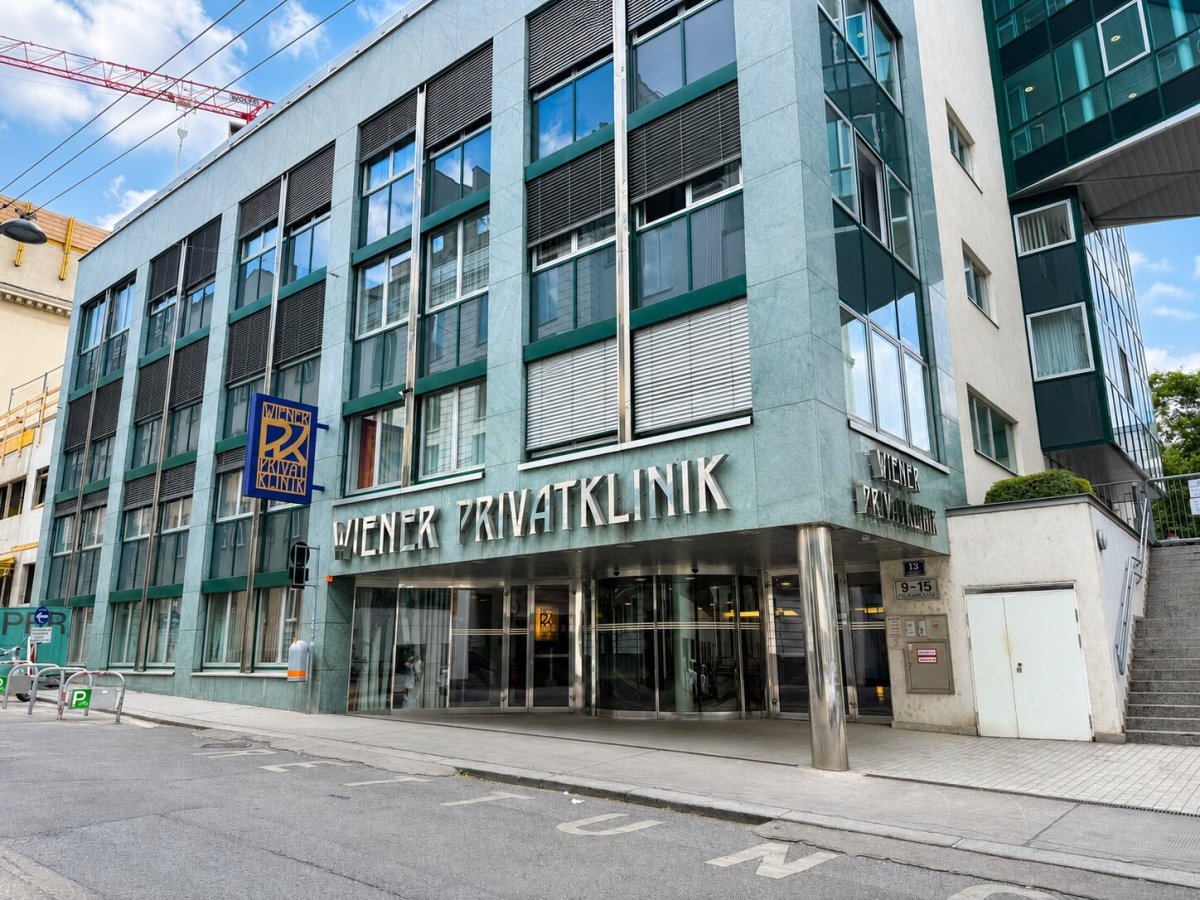
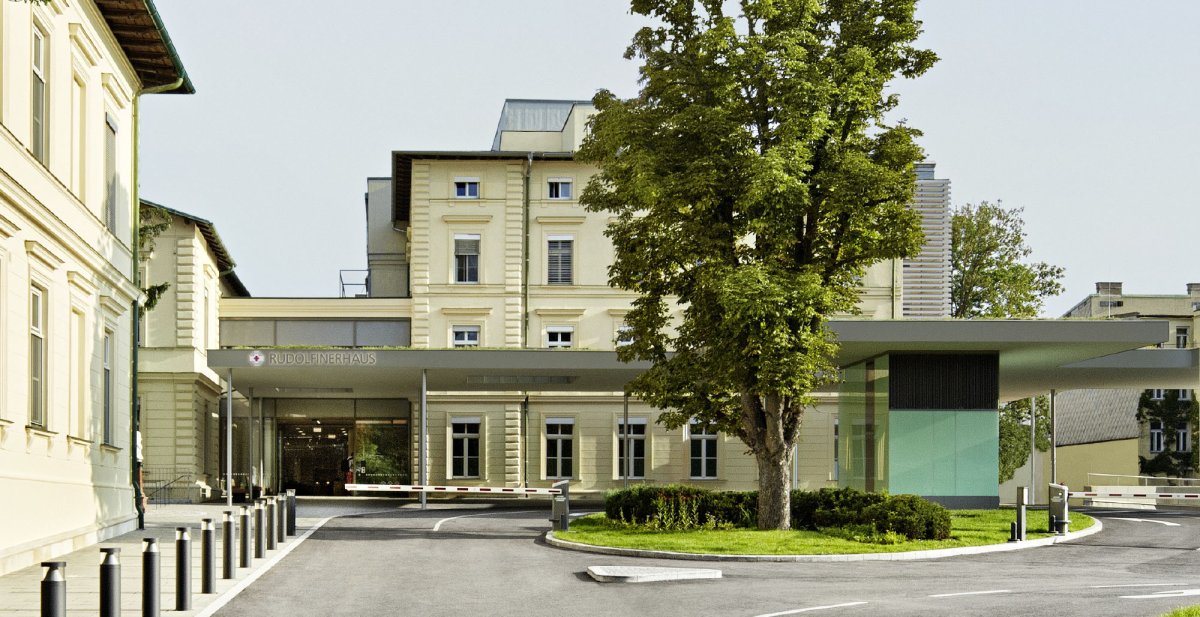
رؤية خبراء Bookimed: بالنسبة لحالات الأورام العصبية المعقدة، توفر الفرق متعددة التخصصات أعلى قيمة علاجية. توفر عيادة فيينا الخاصة (Wiener Privatklinik) إمكانية الوصول إلى الأستاذ الجامعي الدكتور فولفغانغ كوستلر، الذي تدرب في مركز ميموريال سلون كيترينج للسرطان. تُعد هذه المنشأة مثالية للمرضى الذين يبحثون عن أساتذة من جامعة فيينا الطبية. وبدلاً من ذلك، تناسب عيادة رودولفينرهاوس الخاصة (Rudolfinerhaus Private Clinic) أولئك الذين يعطون الأولوية للتقاليد والبيئة المرموقة في فيينا.
| النمسا | تركيا | إسبانيا | |
|---|---|---|---|
| سايبر نايف CyberKnife | ≈ $7,500 | من $4,900 | من $14,800 |
| حج القحف | ≈ $18,000 | من $8,900 | من $32,500 |
| العلاج الإشعاعي لسرطان القولون والمستقيم | من $6,800 | من $5,000 | من $7,500 |
| استئصال الورم السحائي | ≈ $35,000 | من $10,500 | من $27,900 |
| TrueBeam | ≈ $18,000 | ≈ $7,500 | ≈ $12,000 |
اكتشف أفضل الورم السحائي العيادات في النمسا: 3 خيارات معتمدة والأسعار




احصلوا على تقييم طبي لـ الورم السحائي في النمسا: استشيروا أطباء ذوي خبرة الآن
عرض جميع الأطباء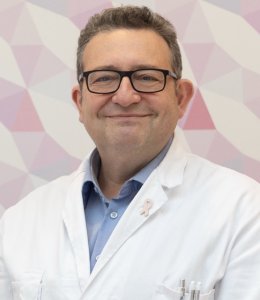
David Kuczer
الدكتور ديفيد كوتسر اختصاصي طب الأورام الإشعاعي ذو خبرة طويلة في تشخيص السرطان وعلاجه. يوفّر وصولاً سريعاً إلى علاج إشعاعي دقيق وفق المعايير العلمية الراهنة.
هو عضو في مركز السرطان بعيادة فيينا الخاصة. يعرض حالة كل مريض على لجنة الأورام الداخلية، ما يتيح مناقشة متعددة التخصصات يجريها فريق ذو سمعة دولية ويساعد على اختيار أفضل علاج.
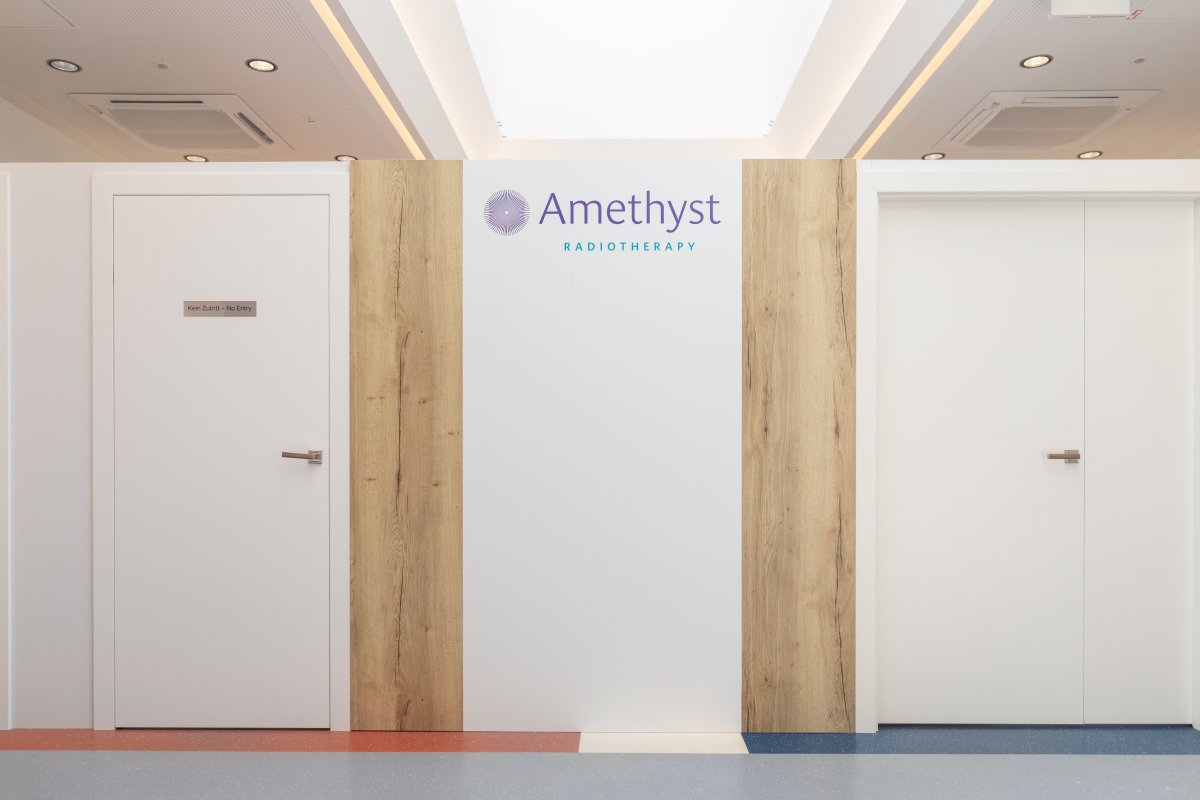
تُقدَّم جميع العلاجات الإشعاعية بالتعاون الوثيق مع Amethyst Radiotherapy في عيادة فيينا الخاصة.

Wolfgang Köstler
يعد البروفيسور كوستلر خبيراً رائداً في علاجات السرطان الموجهة ولديه أكثر من عقدين من الخبرة، وهو متخصص في الأورام الخبيثة في الثدي والأمراض النسائية.
- أكمل تدريبه في جامعة فيينا الطبية
- يركز على العلاج الجهازي الفردي للسرطان والعلاج المناعي
- نائب رئيس القسم السريري للأورام
- نشر أبحاثاً في تطوير المؤشرات الحيوية وبيولوجيا الأورام
مشاركة المحتوى
قصص فيديو من مرضى Bookimed
 Anna Leonova
أسئلة متكررة حول علاج الورم السحائي في النمسا
ما هي الطرق الجراحية المستخدمة لإزالة الأورام السحائية في النمسا؟
يستخدم جراحو الأعصاب النمساويون تقنيات الجراحة المجهرية عالية الدقة وتقنيات التنظير الداخلي لإزالة الأورام السحائية مع الحفاظ على وظائف الدماغ. وتدمج عيادات مثل عيادة فيينا الخاصة تقنيات الملاحة العصبية والتجسيمية لضمان استئصال الورم بدقة. كما تساعد تقنيات التصوير المتقدمة أثناء الجراحة، بما في ذلك التصوير بالرنين المغناطيسي عالي الدقة، الجراحين على ضمان إزالة الورم بالكامل أثناء العملية.
- الاستئصال الجراحي المجهري: يستخدم الجراحون مجاهر جراحية قوية لفصل الأورام عن الأعصاب الحسية.
- النهج التنظيري عبر الأنف: تسمح هذه التقنية بالوصول إلى أورام قاعدة الجمجمة من خلال الأنف دون الحاجة إلى شقوق كبيرة.
- فتح الجمجمة من خلال شقوق صغيرة: تسمح الثقوب الصغيرة بالقرب من الحاجب أو الجفن للمريض بالتعافي بشكل أسرع.
- الجراحة الإشعاعية التجسيمية: يوفر جهاز جاما نايف أو سايبر نايف علاجًا غير جراحي للأورام العميقة أو المتكررة.
رأي خبراء بوكيمد: بينما تستقبل المستشفيات الجامعية الحكومية أعدادًا كبيرة من المرضى، توفر المراكز الخاصة مثل عيادة فيينا الخاصة (Vienna Privatklinik) إمكانية فريدة للحصول على الرعاية الطبية. فالعديد من أخصائييها هم أيضًا أساتذة في جامعة فيينا الطبية. هذه الصلة تضمن
متى يمكنني العودة إلى المنزل بعد إجراء عملية جراحية لعلاج ورم سحائي في النمسا؟
في النمسا، يستطيع المرضى عادةً العودة إلى ديارهم براً بعد سبعة أيام من جراحة ورم السحايا. أما السفر جواً فيتطلب فترة انتظار أطول، تتراوح بين سبعة وعشرة أيام للرحلات القصيرة. وغالباً ما ينصح الجراحون بالانتظار ستة أسابيع قبل السفر لمسافات طويلة لضمان استقرار ضغط الجمجمة بشكل آمن.
- الخروج من المستشفى: عادةً ما يتم تخريج المرضى من المستشفى في غضون ثلاثة إلى عشرة أيام بعد الجراحة.
- سلامة الطيران: يُحظر السفر الجوي حتى يذوب الهواء المتراكم في الجمجمة (استرواح الرأس) تمامًا.
- السفر البري: يمكن القيام برحلات قصيرة بالسيارة بعد أسبوع واحد إذا لم تستخدم السيارة.
- فحص الخبراء: يُعدّ إجراء فحص طبي رسمي للياقة البدنية للسفر أمراً إلزامياً قبل حجز أي رحلات عودة.
رأي خبراء بوكيمد: على الرغم من أن المراكز الكبيرة مثل مستشفى فيينا الخاص تُعطي الأولوية للتشخيص السريع، إلا أن فترات التعافي لا تقبل المساومة. تُظهر بياناتنا أن جراحي الأعصاب البارزين في فيينا، والعديد منهم أساتذة جامعيون، يُعطون الأولوية لفترة مراقبة مدتها عشرة أيام. تُتيح هذه الفترة مراقبة دقيقة لالتئام الجروح قبل مغادرة المرضى للبلاد.
ملاحظات المرضى: يشير ا
ما هي المدة النموذجية للإقامة في المستشفى بعد جراحة الورم السحائي؟
بعد جراحة استئصال الورم السحائي، تتراوح مدة الإقامة في المستشفى عادةً بين 3 و7 أيام. ويُغادر معظم المرضى المستشفى في غضون أسبوع. وتعتمد مدة الإقامة على موقع الورم ومدى تعقيد الجراحة. وخلال هذه الفترة، يُراقب جراحو الأعصاب في النمسا وظائف الجهاز العصبي للمرضى عن كثب.
- العلاج طفيف التوغل: يمكن أن تقلل الإجراءات التنظيرية مدة الإقامة في المستشفى إلى يومين أو ثلاثة أيام.
- مدة الإقامة بعد عملية فتح الجمجمة المعقدة: غالباً ما تتطلب أورام قاعدة الجمجمة المراقبة لمدة 5-7 أيام.
- مرحلة العناية المركزة: يقضي المرضى أول 24 ساعة في وحدة إعادة تأهيل متخصصة.
- نقل المريض إلى الجناح للمتابعة والملاحظة: من اليوم الثاني إلى اليوم السابع، ينصب التركيز الرئيسي على تخفيف الألم والعلاج الطبيعي.
رأي خبراء بوكيميد: تُظهر بيانات المرضى من مراكز كبيرة مثل مستشفى فيينا الخاص أن سرعة العلاج تُعدّ أولوية قصوى. يضم هذا المستشفى أكثر من 30 قسمًا و400 طبيب، والعديد منهم أساتذة في جامعة فيينا الطبية. تُمكّنهم خبرتهم الواسعة من ضمان انتقال المرضى بسلاسة بعد العمليات الجراحية. في مثل هذه المراكز المتخصصة، غالبًا ما يُنقل المرضى بسرعة أكبر من وحدة العناية المركزة إلى الأجنحة العادية.
هل تقدم المستشفيات النمساوية الجراحة الإشعاعية التجسيمية أو العلاج الإشعاعي لعلاج الأورام السحائية التي لا تتطلب جراحة؟
تستخدم المستشفيات النمساوية تقنيات متقدمة في الجراحة الإشعاعية التجسيمية والعلاج الإشعاعي لعلاج الأورام السحائية دون تدخل جراحي. وتُستخدم تقنيات مثل سايبر نايف، وجاما نايف، والعلاج بالبروتونات لعلاج الأورام دون شقوق جراحية. تُسهم هذه التقنيات غير الجراحية بفعالية في تثبيت الأورام السحائية الصغيرة والمتوسطة الحجم الواقعة بالقرب من تراكيب حيوية، كالعصب البصري.
- تقنيات العلاج: تستخدم المستشفيات جهاز جاما نايف، وجهاز سايبر نايف، والجراحة الإشعاعية التجسيمية القائمة على المعجل الخطي بدون إطار.
- معايير الحجم: عادةً ما تُستخدم الجراحة الإشعاعية للأورام التي يقل قطرها عن 3 سم.
- نهج العلاج الإشعاعي: يسمح العلاج الإشعاعي التجسيمي المجزأ بمعالجة الأورام الكبيرة في جلسات متعددة بدقة عالية.
- القدرات المتقدمة: توفر المراكز المتخصصة مثل MedAustron العلاج بالبروتونات أو الأيونات للحالات المعقدة.
- الإشراف المتخصص: تتم مراجعة الحالات من قبل مجالس الأورام متعددة التخصصات في عيادات مثل عيادة فيينا الخاصة.
رأي خبراء بوكيمد: بينما تُقدّم المستشفيات الجامعية مثل مستشفى فيينا الجامعي علاجات متطورة، تُقلّل العيادات الخاصة مثل عي
ما هي أنواع فحوصات التصوير المطلوبة بعد علاج الورم السحائي؟
تشمل المتابعة التصويرية بعد علاج الورم السحائي إجراء فحوصات دورية بالرنين المغناطيسي للدماغ مع وبدون حقن مادة التباين. تنص البروتوكولات القياسية على إجراء فحص أساسي خلال 72 ساعة من الجراحة. تُجرى المتابعة عادةً كل 6-12 شهرًا للأورام الحميدة، بينما تتطلب الأورام عالية الدرجة إجراء فحوصات كل 3-6 أشهر بشكل مستمر.
- الطريقة القياسية: يوفر التصوير بالرنين المغناطيسي مع التباين الكشف الأكثر تفصيلاً عن عودة الورم.
- تقنيات التصوير البديلة: يستخدم التصوير المقطعي المحوسب (CT) لتقييم المرضى الذين لديهم أجهزة تنظيم ضربات القلب أو أولئك الذين يحتاجون إلى تقييم صحة العظام.
- الإطار الزمني الأولي: يقوم الجراحون بإجراء أول فحص بعد العملية الجراحية بعد 48-72 ساعة من الجراحة.
- تعديل التردد: بعد 2-5 سنوات من النتائج المستقرة، يتم زيادة الفترات بين الفحوصات إلى سنوية.
رأي خبراء بوكيميد: يستفيد المرضى في النمسا من نهج متكامل ومتعدد التخصصات في مراكز مثل عيادة فيينا الخاصة. يعرض أخصائيون بارزون، مثل الدكتور ديفيد كوتزر، كل حالة على مجلس الأورام داخل المركز. يضمن هذا التعاون تعديل جداول التصوير بناءً على نتائج علاج الأورام بالإشعاع. غالبًا ما يؤدي هذا النهج الشخصي إلى كشف أكثر دقة لحالات الت
هل توجد معايير اختيار خاصة للعلاجات التنظيرية/الأنفية في النمسا؟
تعتمد ملاءمة جراحة استئصال ورم السحايا عبر الأنف في النمسا على موقع الورم وحجمه. يُفضل الجراحون هذه الطريقة للأورام التي يقل حجمها عن 3 سم في منتصف الأنف. يجب أن يكون لدى المرضى ممرات أنفية سليمة. ويؤكد التصوير بالرنين المغناطيسي عالي الدقة والتصوير المقطعي المحوسب أن الورم لا يضغط على الأوعية الدموية الحيوية.
- تحديد موقع الورم: المرشحون الرئيسيون هم أورام قاعدة الجمجمة الأمامية الوسطى.
- قيود الحجم: تقتصر البروتوكولات الحالية عمومًا على استخدام هذا النهج للأورام التي يقل حجمها عن 30 مم.
- الفحص التشريحي: يُعد عدم وجود التهاب الجيوب الوتدية شرطاً أساسياً لسلامة المريض.
- إصابة الأوعية الدموية: لا توجد إصابة في الجيب الكهفي أو الشرايين الداخلية الرئيسية.
رأي خبراء بوكيميد: تُظهر البيانات السريرية من فيينا أنه على الرغم من التطورات التكنولوجية، غالبًا ما يلجأ الجراحون إلى نهج هجين للأورام التي يزيد حجمها عن 4 سم. يضم مستشفى فيينا الخاص (Wiener Privatklinik) أكثر من 400 طبيب، العديد منهم منتسبون إلى جامعة فيينا الطبية، لإجراء هذه الفحوصات متعددة التخصصات. يُعد هذا التعاون بين أخصائيي الأنف والأذن والحنجرة وجراحي الأعصاب المعيار الأمثل للتأكد من ملاءمتك التشريحية قبل السفر.<
هل تتوفر خدمات إعادة التأهيل العصبي للمرضى الدوليين في المستشفيات أم أنها مشمولة بالتأمين؟
في النمسا، يُتاح للمرضى الدوليين الحصول على خدمات إعادة التأهيل العصبي في العيادات الخاصة. أما المؤسسات العامة، فتقتصر عادةً على تقديم هذه الخدمات لسكان الاتحاد الأوروبي. ويتكفل المرضى الدوليون عادةً بتكاليف علاجهم. وتقدم مراكز متخصصة في فيينا برامج تعافي مكثفة بعد جراحة ورم السحايا، تهدف إلى استعادة الوظائف الحركية والمعرفية.
- نوع المنشأة الطبية: ينبغي على المرضى الأجانب التوجه إلى العيادات الخاصة مثل رودولفينرهاوس.
- توافر الخدمات: تضمن وحدات إعادة التأهيل المتخصصة التعافي على المدى الطويل والسلامة السريرية.
- طريقة الدفع: يدفع معظم المرضى من مختلف البلدان تكاليف العلاج بأنفسهم أو من خلال التأمين الصحي الدولي الخاص.
- مؤهلات الموظفين: يعمل في هذه المؤسسات أساتذة من جامعة فيينا الطبية.
رأي خبراء بوكيمد: يتمتع القطاع الخاص في النمسا بميزة هيكلية فريدة في مجال إعادة التأهيل العصبي. تعمل عيادات مثل رودولفينرهاوس منذ أكثر من 125 عامًا، ما يعكس سجلًا مؤسسيًا حافلًا في مجال إعادة التأهيل على المدى الطويل. وبينما تركز العديد من الدول على التدخلات الجراحية فقط، تُولي المراكز الخاصة النمساوية أولوية قصوى لفترة الانتقال التي تمتد لشهر كامل، حيث يُعدّ هذا الانتقال من العناية المرك