علاج الذئبة الحمامية في تركيا — احصل على 3 عيادات مختارة خصيصاً لك


تمت مراجعة المقالة طبيا من قبل
فهد مولود
كيف نعمل؟
ما هي تكلفة الذئبة الحمامية إجراءات التشخيص والعلاج في تركيا؟ اعرف الآن
تختلف تكلفة علاج الذئبة الحمراء في تركيا اعتمادًا على الإجراءات وخطط العلاج المحددة. يتراوح عادةً سعر علاج تبادل البلازما من 2,100 دولار إلى 3,700 دولار لكل جلسة. يتم تسعير العلاج بالخلايا الجذعية الجهازية بـ 13,500 دولار لكل جلسة، وعادةً ما يكون الحد الأدنى ثلاث جلسات. سيتم تحديد خطة العلاج الدقيقة والتكلفة بعد تقييم شامل من قبل المهنيين الطبيين.
| تركيا | إسبانيا | ألمانيا | |
|---|---|---|---|
| فصادة البلازما ذات الترشيح المزدوج | ≈ $1,900 | ≈ $1,100 | ≈ $1,800 |
| تبادل البلازما | ≈ $3,900 | ≈ $2,400 | ≈ $3,800 |
| الفصل الانتقائي للدم | ≈ $1,600 | ≈ $1,800 | ≈ $2,800 |
| البلازما | من $3,200 | من $12,300 | ≈ $2,200 |
اكتشف أفضل الذئبة الحمامية العيادات في تركيا: 20 خيارات معتمدة والأسعار








Group Florence Nightingale Hospitals
Sait Burak Erer



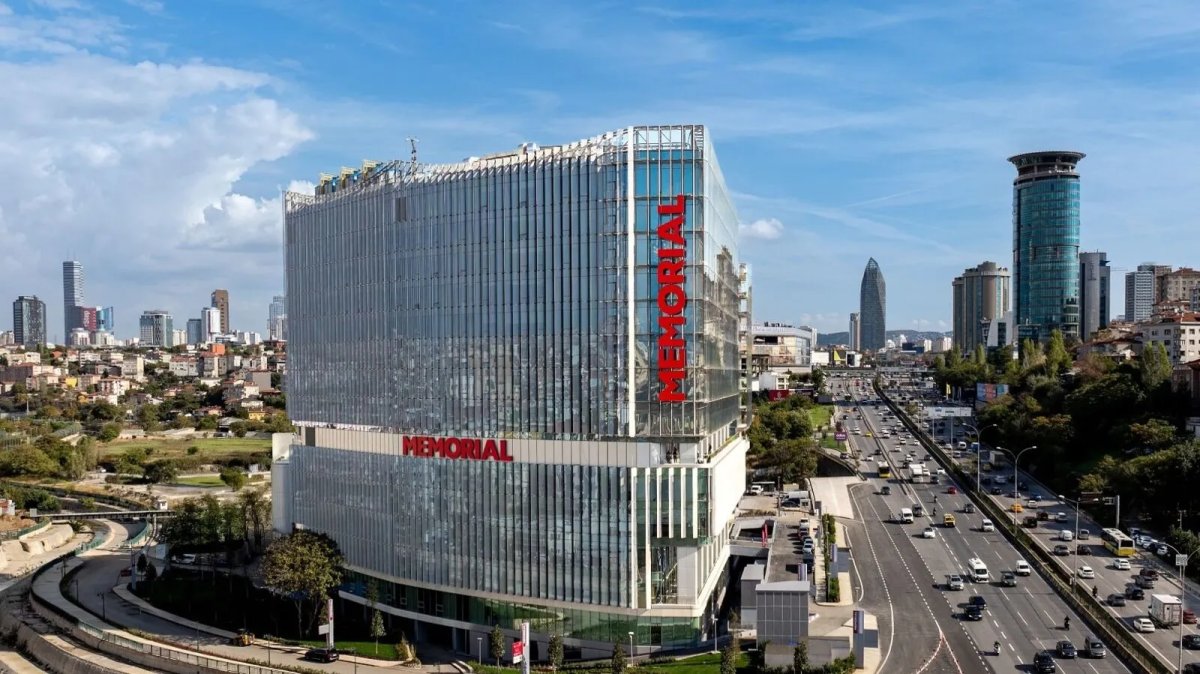
Memorial Göztepe Hospital


Memorial Ankara Hospital
احصل على تقييم طبي لـ في تركيا. استشر الآن 13 أطباء ذوي الخبرة.
عرض جميع الأطباء
Enes Duman
يتخصص الأستاذ المشارك إينيس دومان في الأشعة التداخلية في مجمع مستشفيات ميديكال بارك أنطاليا.
- تدرب في جامعة باشكنت – واحدة من كليات الطب الرائدة في تركيا
- أكثر من 15 سنة من الخبرة في الأشعة التداخلية
- يركز على الإجراءات الدقيقة الموجهة بالصور
Sait Burak Erer
يتخصص الدكتور سعيد بوراك إيرير في الأمراض الجهازية المعقدة مثل الذئبة الحمراء، مع 24 سنة من الخبرة وأكثر من 1100 إجراء تم إجراؤه.
- خبير في تشخيص وعلاج أمراض المناعة الذاتية
- يستخدم طرق علاج حديثة تعتمد على البروتوكولات الدولية
- معروف برعاية المرضى اليقظة والتشخيص الدقيق
- يعمل في مستشفى ميموريال شيشلي

Akif Nuri Dogan
تخرج الطبيب من كلية طب جراح باشا، جامعة إسطنبول في عام 2002 وأكمل تدريب الإقامة في عام 2008 في مستشفى التعليم والبحث Bezm-i Alem Vakıf Gureba. حاليًا، يقدم الطبيب خدمات التقييم الشامل، التشخيص التفريقي، العلاج، والمراقبة في مستشفى هيسار إنتركونتيننتال، مع التركيز على الأمراض الداخلية.<\/p>
متخصصًا في حالات مثل السمنة، الارتجاع، ارتفاع ضغط الدم، السكري، والإرهاق المزمن، اكتسب الطبيب خبرة واسعة من خلال أدوار في مستشفى العلازيق العسكري، مستشفى التدريب والبحث في أنطاليا، مستشفى الدولة

Selami Aydin
يتخصص الطبيب في إدارة مرض السكري وارتفاع ضغط الدم وفرط شحميات الدم وأمراض الغدة الدرقية والأمراض المزمنة والروماتيزمية والسمنة وأمراض المعدة والأمعاء. <\/p>
تخرج من كلية الطب بجامعة كارادينيز التقنية، وأكمل الطبيب تخصصه في كلية الطب بجامعة كوجايلي. <\/p>
مع خبرة واسعة، عمل الطبيب في مستشفى الدولة في توكات، ومستشفى كوجايلي الخاص، ويعمل حاليًا في مستشفى هيسار الدولي. <\/p>
المراجعات
جميع المراجعات
مشاركة المحتوى
قصص فيديو من مرضى Bookimed
 Anna Leonova
أسئلة متكررة حول علاج الذئبة الحمامية في تركيا
ما هي طرق العلاج الأساسية لمرض الذئبة في تركيا؟
تعالج مراكز الروماتيزم التركية مرض الذئبة باستخدام بروتوكولات مخصصة. وتشمل هذه الأدوية المضادة للملاريا مثل هيدروكسي كلوروكين والكورتيكوستيرويدات للالتهاب. كما يستخدم المتخصصون ذوو التصنيف العالي في المرافق المعتمدة من قبل JCI في إسطنبول الأدوية البيولوجية ومثبطات المناعة. تتوفر خيارات متقدمة مثل فصادة البلازما للحالات المعقدة بما في ذلك إصابة الكلى.
- أساس الدواء: هيدروكسي كلوروكين هو العلاج الأساسي لأكثر من 90% من المرضى الأتراك.
- السيطرة على الالتهاب: تُستخدم الكورتيكوستيرويدات مثل بريدنيزولون من قبل ما يصل إلى 92% للتحكم في النوبات.
- الأدوية البيولوجية المستهدفة: تعالج العلاجات المتقدمة مثل بيليموماب أو ريتوكسيماب الحالات الشديدة أو المقاومة.
- ترشيح الدم: تزيل فصادة البلازما الأجسام المضادة الضارة أثناء المظاهر الحادة في المراكز الطبية الكبرى.
رؤية خبير Bookimed: تشير بيانات حجم المرضى إلى أن تركيا رائدة في حالات الروماتيزم المعقدة. تخدم مستشفيات مثل ميديبول ميجا وحصار إنتركونتيننتال أكثر من 250,000 مريض سنوياً. في حين يعتقد الكثيرون أن الأدوية القياسية كافية، يقوم كبار المتخصصين الأتراك مثل الدكتور سعيد بوراك إيرير في ميموريال شيشلي بدمج تحليلات الدم التفصيلية وتصوير دوبلر. تسمح هذه الخبرة ذات الحجم الكبير للعيادات بالحفاظ على مجموعة أوسع من العلاجات البيولوجية في المخزون مقارنة بالمراكز الإقليمية الأصغر.
إجماع المرضى: يشير المرضى إلى أنه من المهم إجراء فحوصات أساسية للعين عند البدء في تناول أدوية معينة. يؤكد الك
ما هي المستشفيات التركية المعروفة برعاية مرض الذئبة المتخصصة ومن يقود هذه البرامج؟
توفر المراكز التركية مثل ميموريال شيشلي وميديبول ميجا رعاية متخصصة لمرض الذئبة باستخدام بروتوكولات معتمدة من اللجنة الدولية المشتركة (JCI). يقود البرامج خبراء مثل الدكتور سعيد بوراك إيرير والبروفيسورة الدكتورة مريم جان. توفر المرافق تشخيصات متقدمة بما في ذلك التصوير بالرنين المغناطيسي 3T، والتصوير المقطعي بالإصدار البوزيتروني (PET-CT)، ولوحات مختبرية متخصصة لأمراض المناعة الذاتية.
- مستشفى ميموريال شيشلي: يدير الدكتور سعيد بوراك إيرير الحالات بعلاج مخصص في هذا الموقع المعتمد من JCI.
- جامعة ميديبول ميجا: تقود البروفيسورة الدكتورة مريم جان قسم الروماتيزم باستخدام تقنية التصوير بالرنين المغناطيسي 3T.
- إسطنبول فلورنس نايتنجيل: يتخصص الدكتور إيجي سنان تورون في المناعة المعقدة وتشخيص التصوير منخفض الإشعاع.
- مستشفى ليف أولوس: يقدم الدكتور نيفزات كوجا علاجاً مستهدفاً للذئبة الحمراء (SLE) في مراكز التميز المتخصصة هذه.
رؤية خبير Bookimed: بينما يبحث الكثيرون عن روماتيزم عام، يتركز أعلى حجم من المرضى لرعاية المناعة الذاتية غالباً في أكبر الأنظمة الجامعية في إسطنبول. يخدم مستشفى جامعة ميديبول ميجا حوالي 1,000,000 مريض سنوياً. يسمح هذا النطاق الهائل بوجود فرق متخصصة متعددة الأقسام. إنها ميزة كبيرة عندما تؤثر الذئبة على أنظمة أعضاء متعددة في وقت واحد.
إجماع المرضى: يشير المرضى إلى أن المنسقين يساعدون في سد حاجز اللغة أثناء المراجعات الطبية المعقدة. يؤكد الكثيرون على الارتياح للحصول على تشخيص نهائي بعد سنوات من عدم اليقين في الوطن.<
كيف يتم تشخيص مرض الذئبة في العيادات التركية؟
تقوم العيادات التركية بتشخيص مرض الذئبة من خلال الفحوصات البدنية ولوحات المختبر التفصيلية باستخدام معايير EULAR/ACR. يعطي أطباء الروماتيزم الأولوية لاختبارات الأجسام المضادة للنواة كفحص أولي. تشمل اختبارات التأكيد الأجسام المضادة لـ anti-dsDNA و anti-Sm. تكتشف تقنيات التصوير المتقدمة مثل الرنين المغناطيسي 3T أو تصوير دوبلر بالموجات فوق الصوتية الإصابة الجهازية المبكرة.
- لوحات المختبر: تشمل الاختبارات ANA و anti-dsDNA و anti-Sm وعلامات الالتهاب مثل ESR.
- تقييم الأعضاء: يستخدم المتخصصون تحليل البول وتعداد الدم لمراقبة وظائف الكلى.
- التصوير المتخصص: تستخدم العيادات الرنين المغناطيسي 3T و PET-CT لتحديد مضاعفات الأعضاء المبكرة.
- خزعة الأنسجة: تؤكد خزعات الجلد أو الكلى التشخيصات وتوجه خطط العلاج المستهدفة.
- الخبرة السريرية: يقوم أطباء الروماتيزم مثل البروفيسور الدكتور متين أوزجن بتقييم أعراض محددة مثل الطفح الجلدي.
رؤية خبير Bookimed: تتمتع عيادات مجموعة ميموريال للرعاية الصحية بحجم دولي كبير وغالباً ما تقدم نتائج تشخيصية أسرع. عادة ما يتم الانتهاء من لوحات الروماتيزم المتخصصة والخزعات في غضون أسبوع واحد. تقلل هذه السرعة بشكل كبير من تأخير التشخيص النموذجي الموجود في معظم أنظمة الرعاية الصحية العامة.
إجماع المرضى: يقدر المرضى كيف يقوم المتخصصون في عيادات مثل مستشفى ميموريال شيشلي بإزالة القيود السابقة. يؤكد الكثيرون على الارتياح للحصول على تشخيص صحيح بعد سنوات من عدم اليقين.
هل تتوفر متابعة شخصية طويلة الأمد للمرضى الدوليين؟
توفر المراكز الطبية التركية متابعة شخصية طويلة الأمد لمرضى الذئبة الدوليين من خلال أقسام دولية مخصصة والطب عن بعد. تقدم مرافق مثل مستشفى ميموريال بهجيلي إيفلر استشارات عبر الإنترنت. يقدم المتخصصون أوراق خروج مفصلة ونتائج الفحوصات عن بعد. تضمن المستشفيات المعتمدة من قبل اللجنة الدولية المشتركة (JCI) استمرارية الرعاية مع أطباء بلد المريض الأصلي.
- الاستشارات عن بعد: تستضيف العديد من العيادات مواعيد فيديو لمراجعة نتائج المختبر.
- دعم اللغة: يسهل المترجمون التواصل الواضح خلال جلسات المتابعة الافتراضية.
- الرعاية المنسقة: ترسل المراكز الكبرى الملاحظات الطبية إلى الطبيب المحيل للمريض.
- الوصول الرقمي: يتلقى المرضى التقارير الطبية وأوراق الاستشارة عبر المنصات الرقمية.
رؤية خبير Bookimed: تستفيد المستشفيات التركية مثل مركز الأناضول الطبي من حجم المرضى الكبير، حيث تخدم 65,000 شخص سنويًا. يسمح هذا النطاق لهم بالحفاظ على منسقين دوليين متخصصين يسدون الفجوة بين إسطنبول ومنزل المريض. تظهر بياناتنا أن أطباء الروماتيزم ذوي التصنيف العالي، مثل الدكتور سعيد بوراك إيرير، يقدمون الوثائق المحددة اللازمة للأطباء المحليين لإدارة علاجات الذئبة المعقدة بأمان في الخارج.
إجماع المرضى: يشير المرضى إلى أنه على الرغم من أن العيادات توفر متابعة أولية عبر واتساب أو البريد الإلكتروني، فمن الضروري وجود طبيب روماتيزم محلي جاهز. يؤكد العديد من المسافرين أن الحصول على ورقة استشارة مترجمة قبل مغادرة تركيا أمر حيوي لإدارة الصحة على المدى الطويل.
ما هي العلاجات البيولوجية أو الخلوية المتقدمة التي يتم تقديمها عند فشل الأدوية التقليدية؟
توفر مراكز الروماتيزم التركية علاجات بيولوجية وخلوية متقدمة عندما تفشل الأدوية التقليدية في السيطرة على مرض الذئبة. تشمل هذه الخيارات الأجسام المضادة وحيدة النسيلة مثل بيلوموماب وريتوكسيماب لاستهداف الخلايا المناعية. كما تستخدم المستشفيات تبادل البلازما وعلاجات فصادة الدم لتصفية الأجسام المضادة الذاتية جسديًا من الدم.
- العلاجات البيولوجية: تستهدف الأجسام المضادة وحيدة النسيلة خلايا بائية محددة لتقليل الاستجابات المناعية المفرطة الضارة.
- العلاجات خارج الجسم: تعمل فصادة البلازما والفصادة الانتقائية على إزالة المعقدات المناعية المنتشرة من مجرى الدم.
- التقنيات الخلوية: تساعد زراعة نخاع العظم والحقن المتخصصة في إدارة حالات الذئبة الشديدة والمستعصية.
- التشخيص المتخصص: تراقب تحاليل الدم الموسعة وتصوير دوبلر بالموجات فوق الصوتية التورط الوعائي والالتهاب.
رؤية خبير Bookimed: تدمج المؤسسات التركية مثل مستشفى ميموريال شيشلي ومستشفى جامعة ميديبول ميجا طب الروماتيزم المتقدم مع خبرة واسعة في عمليات الزرع. هذا أمر بالغ الأهمية لأن الذئبة المستعصية غالبًا ما تتطلب نفس البنية التحتية المستخدمة لعمليات زرع نخاع العظم. يُعرف الدكتور سعيد بوراك إيرير في ميموريال شيشلي بشكل خاص بالتعامل مع هذه البروتوكولات المعقدة. يستفيد المرضى من هذا الإعداد متعدد التخصصات حيث يتعاون أطباء الروماتيزم وأمراض الدم في العلاجات الخلوية في بيئات معتمدة من JCI.
إجماع المرضى: يؤكد المرضى أن العلاجات البيولوجية يمكن أن تغير قواعد اللعبة ولكنها غالبًا ما تستغرق
هل يتم استخدام فصادة البلازما (تبادل البلازما) لمرض الذئبة في تركيا، ومتى يوصى بها؟
تُستخدم فصادة البلازما في تركيا لحالات الذئبة الحمراء الجهازية الشديدة أو المقاومة للعلاجات التقليدية. يشرف أخصائيو أمراض الدم الأتراك على هذه الإجراءات في وحدات مستشفيات متخصصة. يوصى بها للحالات التي تهدد الحياة مثل النزف السنخي المنتشر. كما يستخدمها الأطباء لعلاج الذئبة العصبية النفسية المقاومة للعلاج أو التدهور السريع في وظائف الكلى.
- إصابة الأعضاء: تعالج نزيف الرئة الشديد والتهاب كبيبات الكلى سريع التطور.
- الأزمة العصبية: تعالج الذئبة العصبية النفسية بما في ذلك التهاب الدماغ والارتباك الشديد.
- مضاعفات الدم: تعالج فرفرية نقص الصفيحات التخثرية وفقر الدم الانحلالي المقاوم.
- إدارة المتلازمات: يوصى بها لمتلازمة أضداد الفوسفوليبيد الكارثية والذئبة المقاومة للعلاج.
رؤية خبير Bookimed: تقدم المستشفيات الجامعية التركية فصادة البلازما بشكل أساسي كعلاج انتقالي للنوبات التي تهدد الأعضاء. تظهر البيانات أن هذه المراكز تعطي الأولوية للحالات المعقدة التي تنطوي على أعراض شديدة في الجهاز العصبي المركزي. غالبًا ما يتلقى المرضى تبادل البلازما جنبًا إلى جنب مع ريتوكسيماب لمنع حدوث نوبات فورية بعد انتهاء الجلسات. يساعد هذا النهج المزدوج في استقرار المرضى في الحالات الحرجة قبل أن يبدأ تأثير كبت المناعة طويل الأمد بشكل كامل.
إجماع المرضى: يشير المرضى إلى أن تبادل البلازما يمكن أن يحسن وظائف الكلى والأعراض العصبية بسرعة أثناء الأزمة. ويؤكدون على ضرورة الاستعداد لـ 5 إلى 7 جلسات مرهقة والتخطيط لفترة تعافٍ كافية.
ما هي مدة الإقامة النموذجية والجدول الزمني للمتابعة لتقييم الذئبة الأولي في تركيا؟
يتطلب تقييم الذئبة الأولي في تركيا حوالي 14 يوماً في البلاد. تستغرق العملية السريرية عادةً من 3 إلى 7 أيام للتشخيص وبدء العلاج. يقوم أخصائيو الروماتيزم الخبراء مثل الدكتور سعيد بوراك إيرير في مستشفى ميموريال شيشلي بتنسيق مرحلة التقييم المكثفة هذه.
- الجدول الزمني للتشخيص: تظهر نتائج تحاليل الدم والتصوير عادةً في غضون يوم إلى 3 أيام.
- الاستشارات الأولية: يخضع المرضى عادةً لـ 1 إلى 3 مواعيد خلال الأسبوع الأول.
- فترات المتابعة: يحتاج المرضى المستقرون إلى مراقبة كل 3 إلى 4 أشهر بعد التقييم.
- مراقبة المرحلة النشطة: قد تحتاج الحالات المكثفة إلى زيارات كل أسبوعين إلى 4 أسابيع لعدة أشهر.
رؤية خبير Bookimed: يعد تنسيق النتائج عاملاً مميزاً رئيسياً بين العيادات المعتمدة من JCI في إسطنبول. بينما يتلقى المرضى في مستشفى ميموريال بهجلي إيفلر تقارير تشخيصية كاملة في غضون أسبوع واحد، يستخدم مركز الأناضول الطبي ارتباطه مع جونز هوبكنز للتعامل مع المراجعات الثانوية المعقدة. اختيار عيادة تقدم متابعة منظمة عبر الإنترنت، مثل ميموريال، يمنع الحاجة إلى إقامة جسدية ممتدة لأكثر من 7 أيام.
إجماع المرضى: يشير المرضى إلى أن وجود مترجم في كل خطوة أمر حيوي لفهم نتائج المختبر المعقدة وتغييرات الأدوية. يوصي الكثيرون بإحضار جميع سجلات الاختبارات السابقة لتجنب تحاليل الدم المتكررة وتسريع عملية الاستشارة الأولية.