علاج الذئبة الحمامية في النمسا: 3 مستشفيات


تمت مراجعة المقالة طبيا من قبل
فهد مولود
كيف نعمل؟
ما هي تكلفة الذئبة الحمامية إجراءات التشخيص والعلاج في النمسا؟ اعرف الآن
تتضمن تكلفة علاج الذئبة الحمراء في النمسا عادةً فحوصات مخبرية متخصصة للذئبة الحمراء الجهازية تتراوح ما بين $180 إلى $480. غالبًا ما يحتاج المرضى إلى تشخيص داخلي لأمراض الروماتيزم، والذي تتراوح تكلفته من $1,800 إلى $3,500 اعتمادًا على مدى التعقيد. تعتمد التكاليف على شدة المرض، وتكرار النوبات، والمنشأة الطبية المختارة. يمكن للمرضى الدوليين تحقيق وفورات تبلغ حوالي 50% مقارنة بالولايات المتحدة. وتعد فيينا المركز الرئيسي لهذا العلاج.
تكاليف علاج الذئبة الحمراء النموذجية في النمسا
- فحوصات مخبرية للذئبة الحمراء الجهازية: $180 – $480
- تشخيص داخلي لأمراض الروماتيزم: $1,800 – $3,500
- تحليل دم موسع: $150 – $400
- تصوير الأوعية بالدوبلر: $150 – $300
- تخطيط كهربائية القلب (ECG): من $60
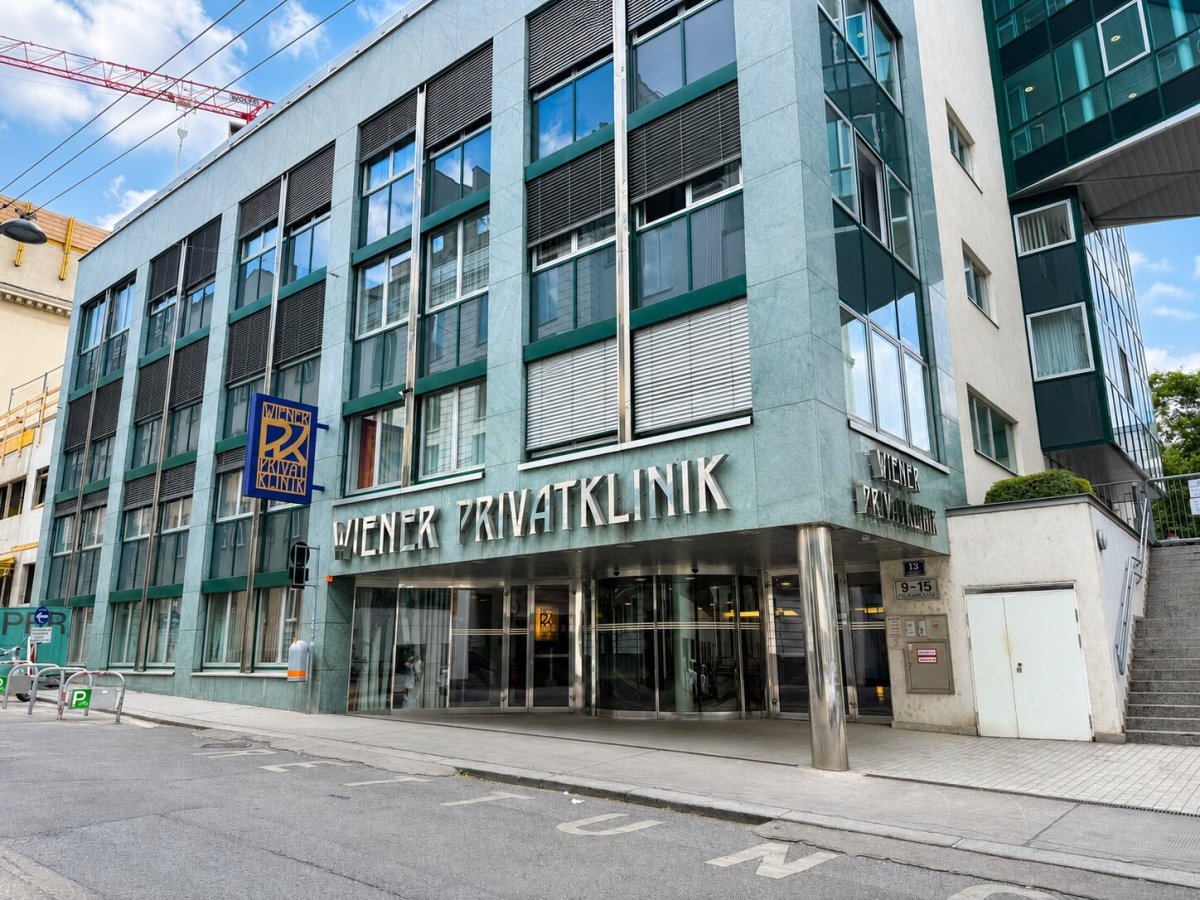
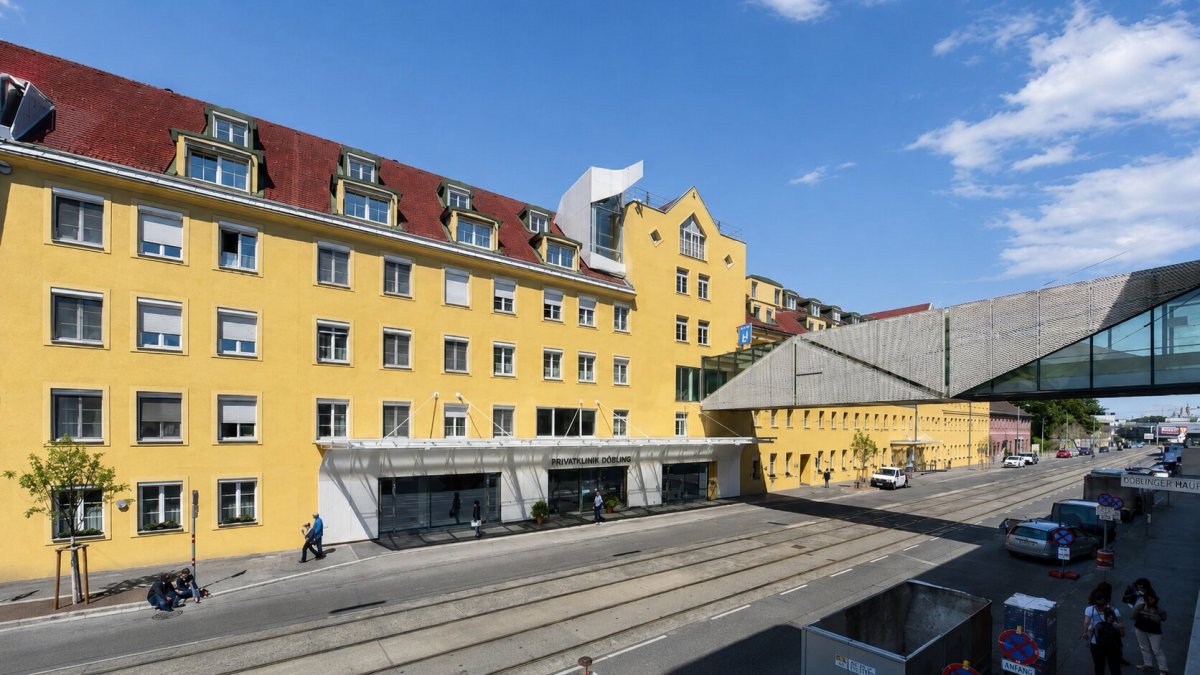
رؤية خبير Bookimed: بالنسبة لإدارة أمراض المناعة الذاتية المعقدة، يستفيد المرضى من الخبراء التابعين للجامعات. يقدم الأستاذ الدكتور يوهانس غريزار في عيادة فيينا الخاصة (Wiener Privatklinik) خبرة روماتيزمية متميزة. وتضمن خلفيته العلمية في جامعة ستانفورد والجامعة الطبية في فيينا رعاية ذات مستوى عالمي. يعد مستشفى فيينا العام (AKH) الأفضل في حالات إصابة أعضاء متعددة، حيث يعالج ما يقرب من 600,000 مريض سنويًا من خلال 42 قسمًا جامعيًا متخصصًا. وتضمن العيادات الخاصة مثل عيادة دوبلينج (Döbling) وصولاً أسرع مع بروتوكولات سلامة بمعايير اللجنة الدولية المشتركة (JCI).
| النمسا | تركيا | إسبانيا | |
|---|---|---|---|
| فصادة البلازما ذات الترشيح المزدوج | ≈ $1,400 | ≈ $1,900 | ≈ $1,100 |
| تبادل البلازما | ≈ $3,800 | ≈ $3,900 | ≈ $2,400 |
| الفصل الانتقائي للدم | ≈ $1,800 | ≈ $1,600 | ≈ $1,800 |
| البلازما | ≈ $2,000 | من $3,200 | من $12,300 |
اكتشف أفضل الذئبة الحمامية العيادات في النمسا: 3 خيارات معتمدة والأسعار






احصلوا على تقييم طبي لـ الذئبة الحمامية في النمسا: استشيروا أطباء ذوي خبرة الآن
عرض جميع الأطباء
Johannes Grisar
البروفيسور يوهانس غريزار هو طبيب روماتيزم رائد متخصص في اضطرابات المناعة الذاتية، ويتمتع بعقود من الخبرة في علاج الذئبة وأمراض النسيج الضام الأخرى.
- أستاذ الروماتيزم في جامعة فيينا الطبية
- يركز على التهاب المفاصل الروماتويدي، والذئبة، وتصلب الجلد، والتهاب الأوعية الدموية
- نشر العديد من الأبحاث حول الأمراض الالتهابية بوساطة مناعية
- استشاري أول في عيادة فيينا الخاصة (Wiener Privatklinik)
مشاركة المحتوى
قصص فيديو من مرضى Bookimed
 Anna Leonova
أسئلة متكررة حول علاج الذئبة الحمامية في النمسا
هل يغطي التأمين الصحي النمساوي علاج مرض الذئبة؟
يُغطي نظام التأمين الصحي النمساوي العلاج الضروري طبيًا لمرض الذئبة الحمراء لسكان البلاد كجزء من نظام الرعاية الصحية الشاملة. تُغطى العلاجات القياسية، بما في ذلك الستيرويدات وأدوية الملاريا، بعد الموافقة على السجل الصحي الإلكتروني. أما الأدوية البيولوجية والأجسام المضادة وحيدة النسيلة، فتتطلب عادةً موافقة مسبقة خاصة من شركة التأمين.
- الاستشارات الطبية: يتم تغطية زيارات أطباء الروماتيزم أو أطباء الجلد بالكامل من قبل السكان المؤمن عليهم.
- تغطية الأدوية: بالنسبة للوصفات الطبية القياسية، مثل هيدروكسي كلوروكين، هناك مبلغ صغير يتم دفعه كدفعة مشتركة لكل وصفة طبية.
- العلاجات المتقدمة: تتطلب العلاجات البيولوجية مثل بيليموماب الموافقة من خلال إجراء Heilmittelbewilligung (الموافقة على الصحة والأدوية).
- المرافق الاستشفائية: عادةً ما يغطي التأمين العلاج المتخصص للمرضى الداخليين في مراكز مثل مستشفى فيينا العام.
كشف تحليلٌ أجراه خبراء بوكيمد للكوادر الطبية في فيينا عن وجود نسبة عالية من المتخصصين الأكاديميين. فعلى سبيل المثال، الدكتور يوهانس غريزار، من عيادة فيينا الخاصة، هو أيضاً أستاذ في جامعة فيينا الطبية. ويضمن هذا الدور المزدوج حصول المرضى على علاجٍ قائم على أحدث الأبحاث في أمرا
أين يمكنني العثور على أخصائي في مرض الذئبة في النمسا؟
في النمسا، يتركز أخصائيو الذئبة في فيينا، في مؤسسات أكاديمية وخاصة مرموقة. ويقدم خبراء بارزون، مثل الدكتور يوهانس غريزار من مستشفى فيينا الخاص، رعاية متخصصة. كما توفر المستشفيات الجامعية في غراتس وإنسبروك فرقًا متعددة التخصصات لعلاج أمراض المناعة الذاتية الجهازية والتهاب الكلى الذئبي.
- التشخيص المتخصص: يتم استخدام التصوير بالموجات فوق الصوتية دوبلر واختبارات الدم المتقدمة في العيادات لأغراض التشخيص.
- التخصص العلمي: العديد من الأطباء من العيادات الخاصة هم أساتذة في جامعة فيينا الطبية.
- مراكز العلاج: يخدم مستشفى فيينا العام (AKH) أكثر من 595000 مريض ويضم 42 معهدًا جامعيًا.
- معايير السلامة: تلتزم مؤسسات مثل مستشفى دوبلينغ الخاص بمعايير المنظمة الدولية للمعايير (ISO) وتضع معايير سلامة عالية.
رأي خبراء بوكيمد: غالبًا ما يختار المرضى الذين يسعون للحصول على رعاية متخصصة لمرض الذئبة بين العيادات العامة الكبيرة والعيادات الخاصة. يُعدّ مستشفى فيينا العام (AKH) مستشفىً كبيرًا في المدينة، ويضم 1600 طبيب. مع ذلك، توفر العيادات الخاصة، مثل عيادة فيينا الخاصة (Wiener Privatklinik)، وصولًا أسرع إلى كبار أساتذة البحث. ويُمثّل هذا خيارًا مهمًا عندما تصل فترات الانتظار في العيادات العام
ما هي أكثر طرق العلاج شيوعاً في النمسا؟
في النمسا، تركز العلاجات الشائعة لمرض الذئبة الحمراء الجهازية على أحدث أساليب طب الروماتيزم في المستشفيات الجامعية. وتشمل البروتوكولات القياسية استخدام هيدروكسي كلوروكين ومثبطات المناعة. وتجمع العيادات الرائدة في فيينا بين هذه الأساليب والطب الباطني المتخصص، حيث تركز على تخفيف حدة تفاقم أمراض المناعة الذاتية والوقاية من تلف الأعضاء. وغالبًا ما يتمتع كبار المتخصصين بخبرة بحثية دولية.
- العلاج الدوائي الأساسي: يعتبر هيدروكسي كلوروكين الدواء الأكثر شيوعًا في الوصفات الطبية لتحقيق الاستقرار طويل الأمد للحالة.
- علاج التفاقم: يتم استخدام ميثيل بريدنيزولون عن طريق الوريد متبوعًا بتقليل تدريجي لجرعة الدواء عن طريق الفم لعلاج نوبات الالتهاب الحادة.
- العلاج المثبط للمناعة: العلاج القياسي لإصابة الكلى المؤكدة بالخزعة في الذئبة الحمامية الجهازية هو ميكوفينولات موفيتيل.
- الرعاية المتخصصة: توفر المراكز الجامعية في فيينا إمكانية الوصول السريع إلى العلاج البيولوجي.
رأي خبراء بوكيمد: تُظهر البيانات اتجاهًا واضحًا لدى مرضى الذئبة الحمراء نحو تفضيل المؤسسات التابعة للجامعات. يُعالج مستشفى فيينا العام (AKH) 595,000 مريض سنويًا، ويضم 42 معهدًا متخصصًا. يُتيح هذا العدد الكبير من الحالات تشخ
ما هي أخطر المشاكل التي يواجهها مرضى الذئبة في النمسا؟
يواجه مرضى الذئبة في النمسا تأخيرات كبيرة في التشخيص، حيث ينتظر 37.3% منهم أكثر من ثلاث سنوات للحصول على تشخيص مؤكد. ومن أبرز التحديات عدم استقرار العمل، إذ يُبلغ 69% عن صعوبات في العمل. كما يؤدي نقص الأخصائيين في العيادات العامة إلى انتظار يتراوح بين ثلاثة وستة أشهر للحصول على موعد أولي.
- الجدول الزمني للتشخيص: يراجع العديد من المرضى ما يصل إلى خمسة أطباء قبل الحصول على إحالة نهائية إلى أخصائي أمراض الروماتيزم.
- التأثير على مكان العمل: بسبب الوصمة الاجتماعية، فإن 57% فقط من المرضى يفصحون عن حالتهم لأصحاب العمل.
- النشاط البدني: يؤدي التعب والألم المزمن إلى إبلاغ الكثيرين عن ضعف الأداء البدني على الرغم من العلاج.
- صعوبات التأمين: غالباً ما يتطلب الحصول على إعانات العجز 18 شهراً من الاستئناف بسبب الإجراءات الورقية المعقدة.
رأي خبراء بوكيمد: على الرغم من أن فترات الانتظار في عيادات فيينا العامة قد تتجاوز ستة أشهر، إلا أن طلب استشارة خاصة مع أخصائيين مثل الدكتور يوهانس غريزار في عيادة فيينا الخاصة قد يساعد في تجنب هذه الفترات الطويلة. تعالج عيادات مثل مستشفى فيينا العام (AKH) حوالي 600,000 مريض سنويًا. هذا العدد الكبير من المرضى يجعل أقسام الأخصائيين الخاصة وسيلة أسرع لإج