علاج سرطان الكبد في تركيا — احصل على 3 عيادات مختارة خصيصاً لك


تمت مراجعة المقالة طبيا من قبل
فهد مولود
كيف نعمل؟
ما هي تكلفة سرطان الكبد إجراءات التشخيص والعلاج في تركيا؟ اعرف الآن
تختلف التكلفة الإجمالية لعلاج سرطان الكبد في تركيا بناءً على الإجراءات والخدمات المحددة المطلوبة. تتوفر حزمة زراعة الكبد مقابل $55,000، ودراسة جينية للمتبرع بتكلفة إضافية $1,500. تبلغ تكلفة التصوير بالرنين المغناطيسي للبطن العلوي حوالي $550. تُسعر العلاجات الاستئصالية مثل الانصمام الكيميائي عبر الشريان (TACE) والانصمام الإشعاعي عبر الشريان (TARE) بـ $55,000 لجلساتين. تتراوح جلسات العلاج الكيميائي من $2,000 إلى $5,400 لكل دورة، اعتمادًا على النظام العلاجي، مع تضمين الاختبارات الروتينية في الجلسة الأولى بتكلفة $3,900. تشمل التكاليف الإضافية الاستشارات بـ $150، والاختبارات المخبرية بـ $850، والخزعة بـ $950. يتم تخصيص برنامج العلاج بعد تقييم شامل من قبل فريق متعدد التخصصات.
| تركيا | إسبانيا | ألمانيا | |
|---|---|---|---|
| نانو نايف NanoKnife | ≈ $9,500 | ≈ $9,500 | ≈ $9,500 |
| سايبر نايف CyberKnife | من $4,900 | من $14,800 | من $9,000 |
| المعالجة المقطعية | من $6,700 | ≈ $7,500 | ≈ $7,500 |
| العلاج بالبروتون (انظر العلاج بحزم البروتون) | من $25,000 | من $43,300 | ≈ $24,000 |
| العلاج الكيميائي لسرطان الكبد | من $2,400 | من $2,300 | من $3,000 |
اكتشف أفضل سرطان الكبد العيادات في تركيا: 38 خيارات معتمدة والأسعار
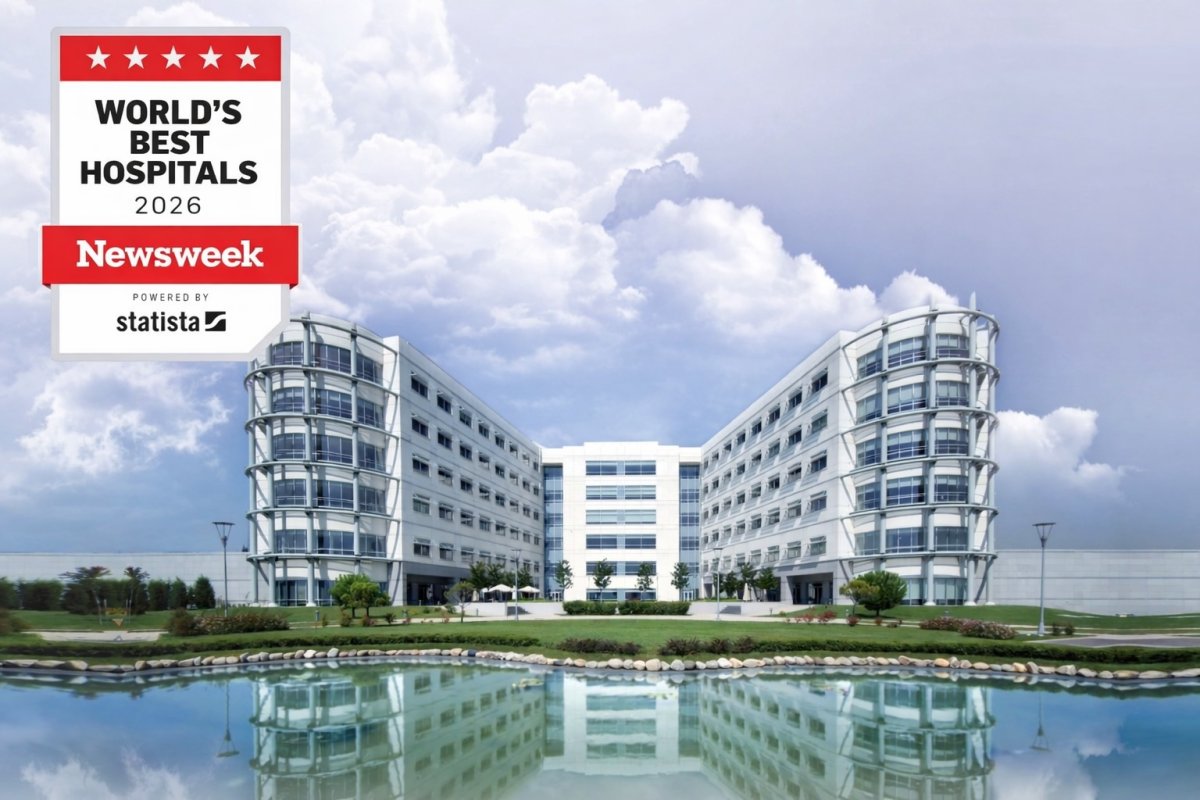






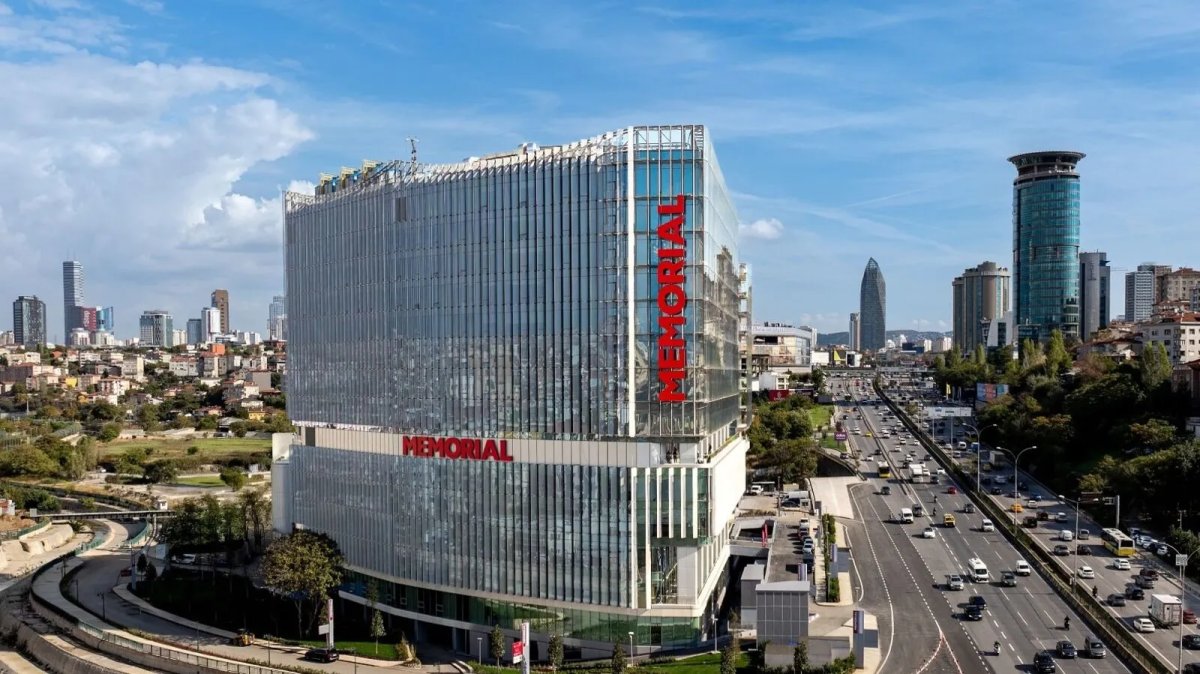
Memorial Göztepe Hospital

Memorial Ankara Hospital

احصل على تقييم طبي لـ في تركيا. استشر الآن 69 أطباء ذوي الخبرة.
عرض جميع الأطباء
Bulent Karagoz
يتخصص البروفيسور بولنت كاراغوز في حالات سرطان الكبد المعقدة في مركز الأناضول الطبي، التابع لـ Johns Hopkins Medicine.
- 33 سنة من الخبرة في طب الأورام
- خبير في العلاجات الموجهة والعلاج المناعي للسرطان
- نشر أكثر من 40 بحثاً علمياً في مجال الأورام
- أستاذ في كلية الطب بجامعة إسطنبول أوكان
- عضو في الجمعية التركية لطب الأورام

Serdar Turhal
تتخصص الدكتورة تانريكولو بشكل خاص في علاج سرطان الكبد باستخدام العلاج الكيميائي والأورام الطبية. تعمل في مركز الأناضول الطبي، وهو مستشفى رائد في علاج السرطان.
- أخصائية أورام طبية معتمدة منذ عام 2017
- حصلت على المركز الثالث في امتحان الأورام الطبية التنافسي للغاية في تركيا
- ترأست سابقاً وحدة الأورام الطبية في مستشفى حيدر باشا نوموني للتدريب والبحوث
- تشارك في دراسات سريرية دولية لعلاجات السرطان الجديدة

Murat Dokdok
الطبيب هو أخصائي أشعة ذو خبرة عالية وأخصائي أشعة تداخلية مرتبط بمركز الأناضول الطبي منذ عام 2005. مع زمالة في الأشعة العصبية التداخلية من مستشفى جامعة زيورخ وزمالة قصيرة الأجل من كلية الطب بجامعة هارفارد، يمتلك الطبيب خبرة واسعة في الأشعة العصبية وتقنيات التصوير المتقدمة.<\/p>
معتمد من الجمعية الأوروبية للأشعة العصبية والجمعية الأوروبية للأشعة القلبية الوعائية والتداخلية، يحمل الطبيب دبلومات في العلاج العصبي الأقل توغلاً والأشعة العصبية. كونه مساهمًا غزير الإنتاج في هذا المجال، يم
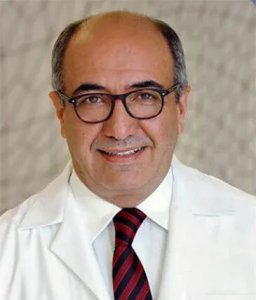
Kamil Yalcin Polat
أجرى الدكتور كامل يالتشين بولات أكثر من 3000 عملية زراعة أعضاء في مستشفى ميموريال بهجيليفلر. وهو يرأس مركز زراعة الأعضاء في إسطنبول. أكمل الدكتور بولات زمالات في مستشفى ماونت سيناي وميموريال سلون كيترينج في نيويورك. وهو خبير في زراعة الكبد والكلى.
- أجرى أكثر من 2000 عملية زراعة كبد و1000 عملية زراعة كلى.
- يشغل منصب نائب رئيس الجمعية التركية لجراحة الكبد والبنكرياس والقنوات الصفراوية.
- مؤسس سابق لمركز زراعة الأعضاء في جامعة أتاتورك.
- يعمل في مستشفى ميموريال بهجيل
المراجعات
جميع المراجعات
مواد ذات صلة

كم تكلفة علاج سرطان الكبد؟
كتب بواسطة Halina Shubala

SIRT هو خيار علاجي جديد للسرطان النقيلي
كتب بواسطة Veronika Kazina
أسئلة وأجوبة حول زراعة الكبد
كتب بواسطة Veronika Kazina
مشاركة المحتوى
قصص فيديو من مرضى Bookimed
 Anna Leonova
أسئلة متكررة حول علاج سرطان الكبد في تركيا
ما هي خيارات العلاج الرئيسية لسرطان الكبد التي تقدمها المستشفيات التركية؟
توفر المستشفيات التركية جراحات علاجية مثل زراعة الكبد والاستئصال الروبوتي. تقدم المراكز المتخصصة علاجات طفيفة التوغل بما في ذلك الاستئصال بالترددات الراديوية والانصمام الكيميائي (TACE). تتوفر خيارات متقدمة مثل الجراحة الإشعاعية CyberKnife والعلاج المناعي. تقوم فرق متعددة التخصصات بتخصيص بروتوكولات العلاج لكل مريض.
- زراعة الكبد: تبلغ الوحدات المتخصصة عن معدلات نجاح تصل إلى 99.5% للحالات المتقدمة.
- الاستئصال الجراحي: يستخدم الجراحون روبوتات da Vinci لإجراء إزالة دقيقة للورم.
- تقنيات الانصمام: تستهدف إجراءات مثل TACE وTARE الأورام عن طريق حجب إمدادات الدم.
- الإشعاع الدقيق: توفر تقنيات بما في ذلك CyberKnife وMRIdian استهدافاً دقيقاً للورم.
رؤية خبير Bookimed: غالباً ما ينبع النجاح في تركيا من مجالس الأورام المخصصة. في مستشفى جامعة ميديبول ميجا، تراجع هذه الفرق متعددة التخصصات كل حالة. يضمن هذا النهج التعاوني حصول المرضى المعقدين على علاجات محلية وجهازية. هذا النموذج المتكامل هو السبب في أن العديد من العيادات التركية تحافظ على نتائج بقاء عالية.
إجماع المرضى: يعبر المرضى بشكل متكرر عن ارتياحهم لسرعة عملية المراجعة متعددة التخصصات. يلاحظ الكثيرون أن وجود جراحي زراعة الأعضاء وأطباء الأورام في غرفة واحدة وفر وقتاً حيوياً لعلاجهم.
ما هي معدلات النجاح المبلغ عنها لعمليات زراعة الكبد في تركيا؟
تبلغ برامج زراعة الكبد التركية عن معدل بقاء على قيد الحياة لمدة عام واحد يتراوح بين 85% و95%. معدلات النجاح لإجراءات المتبرع الحي أعلى من ذلك. تصل هذه المعدلات إلى 98% في المراكز المتخصصة. غالبًا ما تحافظ المؤسسات الكبرى على معدلات بقاء على قيد الحياة لمدة 5 سنوات تتجاوز 70%.
- بقاء المتبرع الحي: تُظهر هذه الإجراءات معدلات نجاح تتراوح بين 90% و98%.
- معيار العام الواحد: تبلغ المستشفيات الكبرى عن معدل بقاء المريض على قيد الحياة لمدة عام واحد بنسبة 93.8%.
- سجل سلامة المتبرع: يحافظ المتبرعون المنقذون للحياة على معدل سلامة مرتفع يبلغ حوالي 99%.
- نتائج الأطفال: تقوم المراكز المتخصصة بإجراء عمليات زراعة ناجحة للرضع الذين لا تتجاوز أعمارهم 8 أشهر.
- وظيفة الكبد المزروع على المدى الطويل: يحافظ حوالي 50% من المتلقين على وظيفة كبد مزروع صحية لأكثر من 10 سنوات.
رؤية خبير Bookimed: ينبع نجاح تركيا العالي من ريادتها العالمية في عمليات زراعة الأعضاء من متبرعين أحياء. يعالج مستشفى ميموريال شيشلي وحده أكثر من 230,000 مريض سنويًا. هذا الحجم الهائل يبني خبرة جراحية فريدة. غالبًا ما تحقق المراكز ذات الحجم الكبير نتائج أفضل من العيادات الأصغر. نرى تقييمات أعلى للمراكز التي تجمع بين اعتماد JCI وأقسام زراعة الأعضاء المتخصصة.
إجماع المرضى: غالبًا ما يشعر المرضى بالارتياح بسبب كفاءة مطابقة المتبرعين الأحياء بسرعة. يلاحظ الكثيرون المستوى العالي من الرعاية المقدمة خلال مرحلة التعافي الطويلة.
ما هي مدة الإقامة في المستشفى والتعافي العام بعد جراحة سرطان الكبد في تركيا؟
تستغرق الإقامة في المستشفى لجراحة سرطان الكبد في تركيا عادةً من 5 إلى 7 أيام. قد تقلل الإجراءات طفيفة التوغل هذه المدة إلى 3 أيام. يستغرق التعافي البدني الكامل عمومًا من شهرين إلى 3 أشهر. يجب على المرضى الدوليين التخطيط للبقاء في تركيا لمدة تتراوح بين 10 إلى 14 يومًا في المجموع.
- فترة الاستشفاء: يقضي معظم المرضى من 5 إلى 10 أيام في أجنحة الأورام المتخصصة في تركيا.
- التقنية الجراحية: غالبًا ما تؤدي الأساليب الروبوتية أو بالمنظار إلى الخروج من المستشفى في غضون 3 إلى 5 أيام.
- التعافي الأولي: من المتوقع الشعور بالتعب والألم الخفيف خلال الأسابيع من 2 إلى 4 الأولى.
- القيود البدنية: يجب على المرضى تجنب رفع أكثر من 4.5 كيلوغرام لمدة شهر واحد على الأقل.
- تجدد الكبد: ينمو الكبد عادةً ليعود إلى حجمه الوظيفي في غضون بضعة أشهر.
رؤية خبير Bookimed: يعطي مركز الأناضول الطبي ومستشفى ميموريال شيشلي الأولوية لبروتوكولات التحريك المبكر. غالبًا ما يبدأ المرضى في المشي الخفيف بعد 24 ساعة من الجراحة. تقلل هذه الممارسة بشكل كبير من خطر الإصابة بالالتهاب الرئوي بعد الجراحة. كما أنها تساعد المرضى على تحقيق معالم استقرار السفر ضمن النافذة الموصى بها وهي 14 يومًا.
إجماع المرضى: يشير المرضى إلى أن وجود مترجم مخصص يساعد في إدارة التوتر الناتج عن مراقبة وظائف الكبد. يؤكد الكثيرون أن اتباع نظام غذائي قليل الدسم أمر بالغ الأهمية خلال الأسابيع الأولى في المنزل.
ما هي المستشفيات في تركيا المعترف بها دولياً لرعاية سرطان الكبد؟
مركز الأناضول الطبي (Anadolu Medical Center) ومستشفى ميموريال بهجيلي إيفلر (Memorial Bahcelievler) معترف بهما دولياً لرعاية سرطان الكبد. هذه المرافق حاصلة على اعتماد اللجنة الدولية المشتركة (Joint Commission International). وهي توفر علاجات متقدمة مثل العلاج الإشعاعي الداخلي الانتقائي والجراحة الروبوتية. تبلغ المراكز التركية عن معدلات نجاح عالية لإجراءات زراعة الكبد المعقدة.
- مركز الأناضول الطبي: تابع لـ Johns Hopkins Medicine لبروتوكولات الأورام المتقدمة.
- ميموريال شيشلي: يتميز بمركز متخصص لزراعة الأعضاء مع معدلات نجاح عالية.
- أجيبادم مسلك: يستخدم تقنية MRIdian للعلاج الإشعاعي الموجه بالرنين المغناطيسي في الوقت الفعلي.
- ميموريال بهجيلي إيفلر: مستشفى حاصل على شهادة LEED Platinum ويركز على أورام الجهاز الهضمي متعددة التخصصات.
رؤية خبير Bookimed: سرعة الرعاية هي عامل تمييز رئيسي في تركيا. يقدم ميموريال أنطاليا نظام اتصال سريع لعمليات الزرع. ويهدف إلى تجهيز المرضى للجراحة في غضون 4 إلى 7 أيام. وهذا أسرع بكثير من العديد من البروتوكولات الأوروبية أو في الشرق الأوسط.
إجماع المرضى: يقدر المرضى مدى سرعة تنظيم الفرق التركية للفحوصات التشخيصية. وغالباً ما يذكرون شعورهم بالاطمئنان بفضل طاقم التمريض المتخصص أثناء التعافي. ويؤكد الكثيرون أن التنسيق بين الجراحين وأطباء الأورام يبدو سلساً للغاية.
ما هي خدمات الدعم التي تقدمها المستشفيات التركية لمرضى سرطان الكبد الدوليين؟
تقدم المستشفيات التركية دعمًا شاملاً لمرضى سرطان الكبد الدوليين من خلال أقسام دولية مخصصة. تدير هذه المراكز التأشيرات الطبية، وخدمات النقل من المطار، والخدمات اللوجستية المحلية. تقوم مجالس الأورام متعددة التخصصات بتنسيق الرعاية. يقدم المترجمون الفوريون في الموقع ترجمة بأكثر من 30 لغة للاستشارات والوثائق.
- الدعم اللوجستي: تشمل المساعدة حجز الرحلات الجوية وأسعار الفنادق المخفضة بالقرب من المرافق.
- التنسيق الطبي: يدير الموظفون المتخصصون مطالبات التأمين والموافقات المسبقة لخدمات الأورام.
- خدمات الترجمة: يدعم المترجمون المحترفون اللغة الإنجليزية وأكثر من 30 لغة أخرى أثناء المواعيد.
- الرعاية الشاملة: يحصل المرضى على توجيهات غذائية، واستشارات نفسية، وبرامج مراقبة ما بعد العلاج.
رؤية خبير Bookimed: غالبًا ما ترتبط إشارات الجودة لدعم سرطان الكبد بالانتماءات الجامعية. تستفيد مرافق مثل مستشفى جامعة ميديبول أو مستشفى جامعة بيروني من الموارد الأكاديمية. غالبًا ما توفر هذه المراكز مجالس أورام أكثر قوة لحالات الكبد المعقدة. وهي توفر كثافة توظيف عالية لتنسيق المرضى الدوليين مقارنة بالعيادات الأصغر.
إجماع المرضى: يلاحظ المرضى أن وجود منسق مخصص يقلل من توتر زيارات المستشفى. وغالبًا ما يسلطون الضوء على راحة خدمات النقل لكبار الشخصيات والمساعدة في الإقامة المحلية.