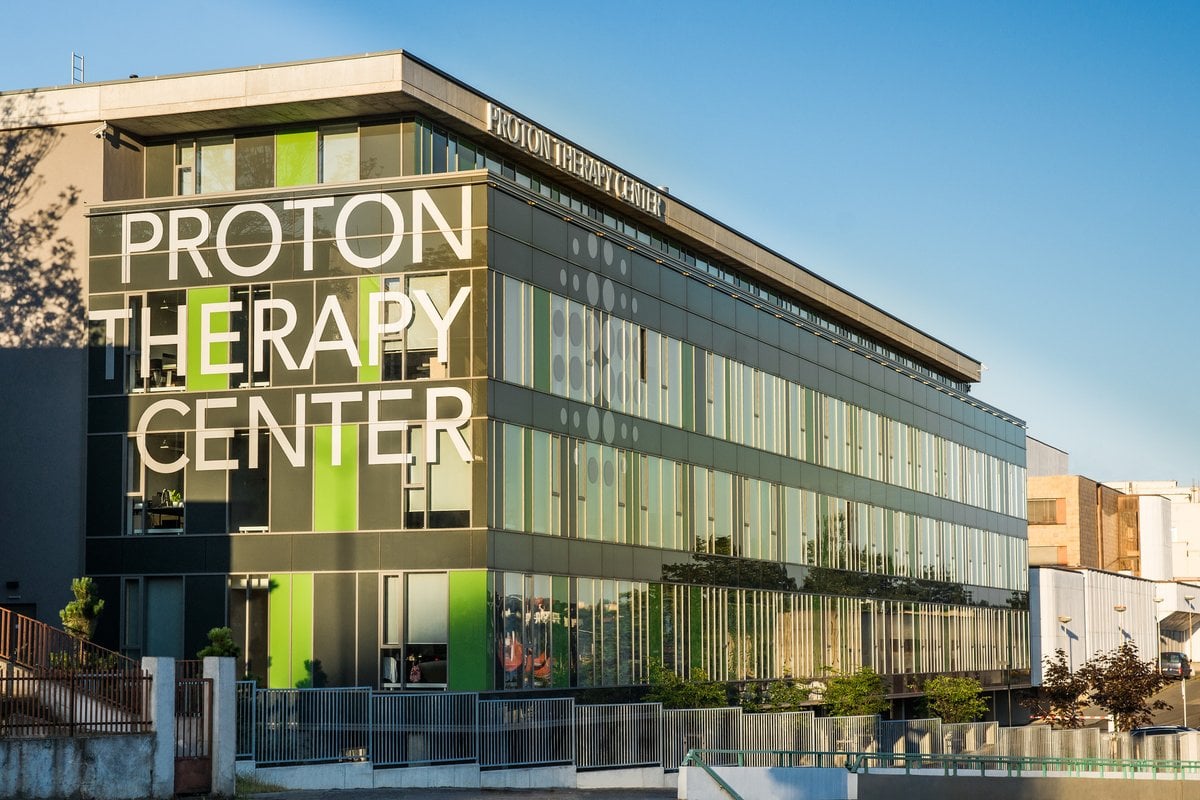
Proton Therapy Center
جمهورية التشيك, Prag


تمت مراجعة المقالة طبيا من قبل
فهد مولود
من $760. تتراوح تكاليف العلاجات الأولية مثل الانصمام الكيميائي للكبد من السعر عند الطلب إلى السعر عند الطلب، بينما تتراوح تكلفة العلاج المتخصص بحزمة البروتون بين $24,000 و $34,000. تعتمد التكاليف الإجمالية على مرحلة السرطان والتكنولوجيا المستخدمة. يمكن للمرضى توفير ما يقرب من 75-85% مقارنة بالولايات المتحدة. تقع أفضل مراكز العلاج في براغ، وبرنو، وفيلكي ميزيريتشي.
تكاليف علاج سرطان الكبد النموذجية في جمهورية التشيك
رؤية خبراء Bookimed: بالنسبة للمرضى الذين يحتاجون إلى رعاية أورام عالية الدقة، توفر جمهورية التشيك تقنيات روبوتية وبروتونية عالمية المستوى. يُعد مركز الجراحة الروبوتية في مستشفى القديسة زديسلافا (St. Zdislava Hospital) خياراً أولياً لإزالة الأورام طفيفة التوغل. وقد أجرى الدكتور ياروسلاف تفاروزيك أكثر من 3500 عملية روبوتية هناك. بالنسبة للحالات المتقدمة غير الجراحية، يوفر مركز علاج البروتون في براغ إمكانية الوصول إلى أكبر منشأة متخصصة في أوروبا. تضمن هذه المراكز متعددة التخصصات معايير أوروبية عالية بجزء بسيط من تكاليف الدول الغربية.
| جمهورية التشيك | تركيا | إسبانيا | |
|---|---|---|---|
| نانو نايف NanoKnife | ≈ $9,500 | ≈ $9,500 | ≈ $9,500 |
| سايبر نايف CyberKnife | ≈ $25,000 | من $4,900 | من $14,800 |
| المعالجة المقطعية | ≈ $6,500 | من $6,700 | ≈ $7,500 |
| العلاج بالبروتون (انظر العلاج بحزم البروتون) | ≈ $24,000 | من $25,000 | من $43,300 |
| العلاج الكيميائي لسرطان الكبد | ≈ $3,800 | من $2,400 | من $2,300 |
Bookimed لا يضيف رسوماً إضافية على أسعار علاج سرطان الكبد. الأسعار مأخوذة من قوائم الأسعار الرسمية للعيادات. تدفع مباشرة في العيادة مقابل علاجك عند وصولك إلى البلد.
Bookimed ملتزم بسلامتك. نحن نعمل فقط مع المؤسسات الطبية التي تحافظ على معايير دولية عالية في علاج سرطان الكبد ولديها التراخيص اللازمة لخدمة المرضى الدوليين في جميع أنحاء العالم.
Bookimed يقدم مساعدة خبراء مجانية. منسق طبي شخصي يدعمك قبل وأثناء وبعد العلاج، ويحل أي مشاكل. لن تكون وحيداً أبداً في رحلة علاج سرطان الكبد.


أكثر من 3500 عملية جراحية روبوتية تم إجراؤها – يقود الدكتور تفاروزيك مركز الجراحة الروبوتية في مستشفى سانت زديسلافا وهو حاصل على شهادة من شركة Intuitive Surgical.

كتب بواسطة Halina Shubala

كتب بواسطة Veronika Kazina
كتب بواسطة Veronika Kazina
 Anna Leonova
يركز علاج سرطان الكبد في جمهورية التشيك على الاستئصال الجراحي، والعلاج بالبروتونات، والجراحة الروبوتية المتقدمة. تشمل الإجراءات استئصال الكبد، والاستئصال بالترددات الراديوية، والكيماوي الشرياني (TACE). تتبع المرافق الرائدة في براغ وبرنو البروتوكولات الدولية للجمعية الأوروبية لعلم الأورام الطبي.
رؤية خبير Bookimed: توفر الجراحة الروبوتية التشيكية ميزة خبرة كبيرة لمرضى الأورام. أجرى الدكتور ياروسلاف تفاروزيك في مستشفى سانت زدسلافا أكثر من 3500 إجراء روبوتي. غالبًا ما يترجم هذا الحجم الكبير إلى الحفاظ على وظائف الكبد بعد إزالة الأورام المعقدة. بينما تقدم العديد من العيادات خيارات روبوتية، تظهر المراكز المحلية المتخصصة في جراحة الجهاز الهضمي سجلات سلامة عالية بشكل ملحوظ.
إجماع المرضى: يشير المرضى إلى أن الاستئصال بالترددات الراديوية للأورام في مراحلها المبكرة غالبًا ما يكون متاحًا في غضون أسبوعين. يوصي الكثيرون بإحضار مترجم للمساعدة في التواصل في المستشفيات العامة مثل مستشفى جامعة موتول.
تحافظ مراكز سرطان الكبد التشيكية على معايير سلامة عالية من خلال توجيهات طبية صارمة للاتحاد الأوروبي. توظف المرافق المتخصصة مثل مركز الجراحة الروبوتية في مستشفى سانت زدسلافا جراحين معتمدين من قبل شركة Intuitive Surgical. تستخدم هذه المراكز تقنيات متقدمة مثل روبوت دا فينشي والعلاج بالبروتون.
رؤية خبير Bookimed: في حين أن المستشفيات التشيكية معروفة بدقتها التقنية، تظهر البيانات تركيزاً كبيراً على التكنولوجيا طفيفة التوغل. يعد مستشفى سانت زدسلافا أكبر مركز روبوتي على المستوى الوطني، ولكنه يقع في محمية طبيعية على بعد 130 كم من براغ. يجب على المرضى إعطاء الأولوية للمراكز ذات الأحجام الجراحية العالية، مثل تلك التي تجري أكثر من 4000 عملية روبوتية، لضمان نتائج أفضل.
إجماع المرضى: يشير المرضى إلى أنه على الرغم من أن إحصاءات البقاء على قيد الحياة العامة محدودة أحياناً، إلا أن المهارة التقنية في المستشفيات التعليمية في براغ تظل عالية. من المهم التحقق من خبرة الجراح المحددة في استئصال الكبد أو الاستئصال قبل بدء العلاج.
يتطلب استئصال الكبد في جمهورية التشيك عادةً إقامة في المستشفى تتراوح من 3 إلى 7 أيام. بعد الخروج، يحقق المرضى عمومًا تعافيًا كاملاً في غضون 4 إلى 8 أسابيع. غالبًا ما تقلل التقنيات الروبوتية طفيفة التوغل فترة الاستشفاء الأولية إلى يوم واحد إلى 3 أيام فقط للحالات غير المعقدة.
رؤية خبير Bookimed: تتخصص المراكز التشيكية مثل مستشفى سانت زدسلافا في الجراحة الروبوتية، حيث أجرت أكثر من 4000 إجراء. تظهر البيانات أن عمليات الاستئصال الروبوتية التي يجريها خبراء مثل الدكتور ياروسلاف تفاروزيك تنطوي على صدمة أقل للأنسجة. تدعم هذه التكنولوجيا تجدد الكبد بشكل أسرع وتقلل بشكل كبير من خطر التعب بعد الجراحة. اختيار المراكز المدعومة بالروبوت قد يقلل من وقت إقامتك في المستشفى بنسبة تصل إلى 50٪.
إجماع المرضى: يلاحظ العديد من المرضى أن المشي مبكرًا واستخدام مخفوقات البروتين يسرع من تعافيهم. يؤكد معظمهم أنه على الرغم من أن الألم يصل إلى ذروته حوالي اليوم الخامس، إلا أن التعب هو التحدي ال
تتطلب جراحة سرطان الكبد في جمهورية التشيك إجراء أشعة مقطعية على البطن أو تصوير بالرنين المغناطيسي متعدد الأطوار مع صبغة لتعيين الأوعية الدموية. تقوم العيادات المتخصصة عادةً بجدولة الإجراءات في غضون أسبوع إلى 4 أسابيع بمجرد اكتمال التصوير. يعتمد هذا الجدول الزمني على مرحلة الورم وتوافر الأنظمة الروبوتية المتقدمة مثل دافنشي.
رؤية خبير Bookimed: تجري المراكز الروبوتية التشيكية مثل مستشفى سانت زدسلافا أكثر من 4000 إجراء باستخدام تقنية دافنشي. وقد أكمل متخصصون مثل الدكتور ياروسلاف تفاروزيك شخصياً 3500 عملية. غالباً ما يؤدي هذا الحجم الكبير إلى تصريح أسرع قبل الجراحة مقارنة بالمراكز الإقليمية الأصغر.
إجماع المرضى: يشير المرضى إلى أن اختيار مراكز خاصة أو متخصصة يقلل بشكل كبير من وقت الانتظار. ويؤكدون أن البدء في التصوير فوراً أمر حيوي لأن طوابير الانتظار العامة تستغرق عادةً عدة أسابيع.
تتطلب المتابعة القياسية لسرطان الكبد في جمهورية التشيك إجراء فحوصات كل 3 إلى 4 أشهر خلال السنوات الثلاث الأولى. تشمل هذه الزيارات فحوصات PET/CT، وتحاليل الدم، واستشارات الأورام. تضمن المراقبة الكشف المبكر عن تكرار الإصابة بينما يكون المرض أكثر قابلية للعلاج.
رؤية خبراء Bookimed: تعطي المراكز التشيكية مثل Nemocnice Na Homolce الأولوية لنهج متعدد التخصصات لأكثر من 20,000 مريض سنويًا. غالبًا ما تدمج مراكز الروبوتات ذات الحجم الكبير بروتوكولات تصوير محددة مباشرة في خطط التعافي الجراحي. وهذا يضمن بقاء الأخصائي الذي أجرى الاستئصال الأولي مشاركًا في المراقبة طويلة المدى.
إجماع المرضى: يؤكد المرضى على الحاجة إلى التصوير المنتظم بدلاً من مجرد اختبارات الدم. يلاحظ الكثيرون أن تتبع عوامل الخطر مثل تليف الكبد يساعد في المطالبة بإجراء فحوصات أكثر تكرارًا.