علاج تشوهات وريدية شريانية في تركيا: 34 مستشفيات


تمت مراجعة المقالة طبيا من قبل
فهد مولود
كيف نعمل؟
ما هي تكلفة تشوهات وريدية شريانية إجراءات التشخيص والعلاج في تركيا؟ اعرف الآن
تختلف تكلفة علاج التشوه الشرياني الوريدي (AVM) في تركيا بناءً على طريقة العلاج والخدمات المرتبطة بها. على سبيل المثال، تتراوح تكلفة إجراء سكين جاما عادةً بين $6,000 و $7,000. تبلغ تكلفة الانصمام داخل الأوعية، وهو نهج طفيف التوغل، حوالي $9,000. يمكن أن تصل تكلفة خطة علاجية أكثر شمولاً تشمل تصوير الأوعية الدماغية DSA والانصمام إلى $29,000. تتوفر الجراحة المفتوحة بحوالي $34,000. عادةً ما تشمل هذه الأسعار استشارات الأطباء، والإقامة في المستشفى، والأدوية اللازمة. يتم تحديد التكلفة النهائية بعد تقييم طبي مفصل من قبل الأخصائيين.
اكتشف أفضل تشوهات وريدية شريانية العيادات في تركيا: 34 خيارات معتمدة والأسعار






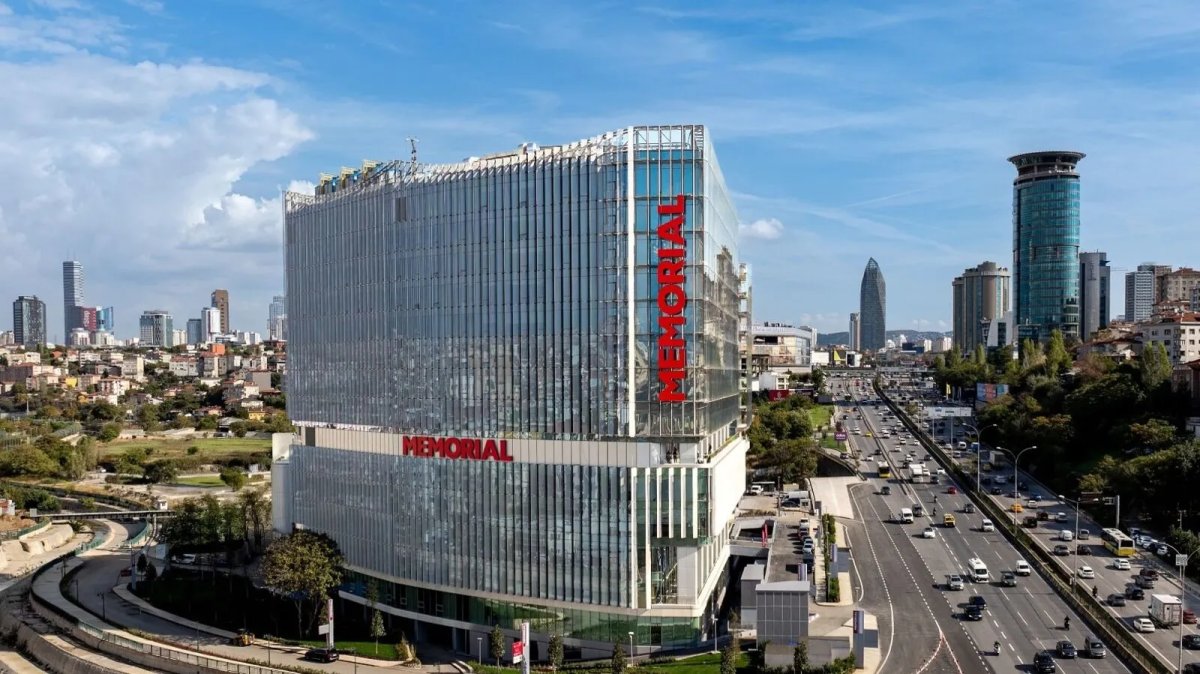
Memorial Göztepe Hospital



احصل على تقييم طبي لـ في تركيا. استشر الآن 45 أطباء ذوي الخبرة.
عرض جميع الأطباء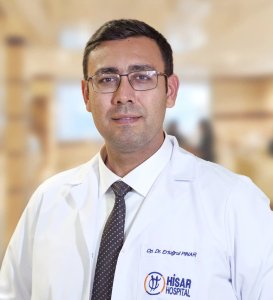
Ertugrul Pinar
متخصص في التشوهات الشريانية الوريدية الدماغية (AVMs) – يعالج الدكتور بينار حالات البالغين والأطفال في مستشفى هيسار إنتركونتيننتال.
- تدرب في جراحة الأعصاب في جامعة مرمرة
- خبرة في أورام المخ والتشوهات الوعائية
- يعمل على الأورام الدبقية والأورام السحائية
- ماهر في إدارة نزيف الدماغ المعقد

Murat Dokdok
الطبيب هو أخصائي أشعة ذو خبرة عالية وأخصائي أشعة تداخلية مرتبط بمركز الأناضول الطبي منذ عام 2005. مع زمالة في الأشعة العصبية التداخلية من مستشفى جامعة زيورخ وزمالة قصيرة الأجل من كلية الطب بجامعة هارفارد، يمتلك الطبيب خبرة واسعة في الأشعة العصبية وتقنيات التصوير المتقدمة.<\/p>
معتمد من الجمعية الأوروبية للأشعة العصبية والجمعية الأوروبية للأشعة القلبية الوعائية والتداخلية، يحمل الطبيب دبلومات في العلاج العصبي الأقل توغلاً والأشعة العصبية. كونه مساهمًا غزير الإنتاج في هذا المجال، يم
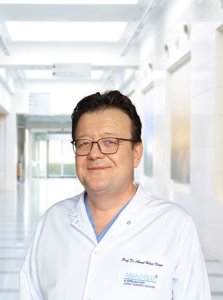
Ahmet Hilmi Kaya
البروفيسور الدكتور أحمد حلمي كايا أستاذ جراحة الأعصاب في مركز الأناضول الطبي في غبزة، تركيا. حصل على شهادة الطب من جامعة إسطنبول - جراح باشا (البرنامج الإنجليزي)، وأكمل فيها اختصاص جراحة الأعصاب بين 1996 و2003. نال لقب أستاذ عام 2015، وأتم فترتي ملاحظة في جامعة ماسترخت عامي 2007 و2009.
يركز عمله السريري على جراحة الأعصاب الوظيفية والتوضيعية (التجسيمية)، بما في ذلك التحفيز العميق للدماغ لعلاج مرض باركنسون والرعاش الأساسي. كما يعالج أورام العمود الفقري وتضيق القناة الشوكية ويجري تثبيتات

Hasan Ozgur Ozdemir
يتخصص الأستاذ الدكتور حسن أوزغور أوزدمير في جراحة الأعصاب الوعائية، بما في ذلك عمليات التشوه الشرياني الوريدي (AVM) المعقدة في مجمع مستشفيات ميديكال بارك أنطاليا.
- أكثر من _doctor_9311_ سنوات من الخبرة في جراحة الأعصاب
- خبير في تقنيات جراحة الدماغ بالمنظار
- الحائز على المركز الأول في امتحان الكفاءة للجمعية التركية لجراحة الأعصاب لعام 2008
- عضو في الجمعية التركية لجراحة الأعصاب
المراجعات
جميع المراجعاتمشاركة المحتوى
قصص فيديو من مرضى Bookimed
 Anna Leonova
أسئلة متكررة حول علاج تشوهات وريدية شريانية في تركيا
ما هو معدل نجاح علاج التشوه الشرياني الوريدي (AVM) في المستشفيات التركية؟
يحقق علاج التشوه الشرياني الوريدي في تركيا معدلات نجاح تصل إلى 95% للآفات الأصغر التي يقل حجمها عن 3 سم. تستخدم المستشفيات المعتمدة من اللجنة الدولية المشتركة (JCI) تقنيتي CyberKnife و Gamma Knife لوقف تدفق الدم في هذه الحالات. وغالبًا ما يجري جراحو الأعصاب المتخصصون أكثر من 900 عملية لضمان أفضل النتائج للمرضى.
- نجاح الجراحة الإشعاعية: تبلغ المراكز المتخصصة عن توقف تدفق الدم بنسبة 95% للآفات التي يقل حجمها عن 3 سم.
- الخبرة الجراحية: يجري كبار جراحي الأعصاب في المرافق التركية أكثر من 1,000 إجراء وعائي.
- التكنولوجيا المتقدمة: تستخدم العيادات تقنيتي CyberKnife و Gamma Knife للعلاج غير الجراحي للآفات العميقة.
- المرافق المعتمدة: تحمل أفضل المستشفيات شهادات JCI و ISO لمعايير السلامة الدولية.
رؤية خبير Bookimed: غالبًا ما يشير حجم تدفق المرضى إلى مكان وجود أعلى الخبرات للحالات الوعائية النادرة. يعالج مستشفى Medipol Mega الجامعي 1,000,000 مريض سنويًا ويوفر تقنيتي Cyber و Gamma Knife. تشير هذه البيئة ذات الحجم الكبير إلى عمق الخبرة السريرية التي تعد حيوية لإدارة حالات التشوه الشرياني الوريدي المعقدة.
إجماع المرضى: يؤكد المرضى أن النجاح فردي للغاية ويعتمد بشكل كبير على الخصائص المحددة للتشوه الشرياني الوريدي لديهم. ويلاحظون أن الدعم الشخصي من المترجمين والمنسقين يجعل إدارة الجداول الزمنية الجراحية العصبية المعقدة أسهل بكثير.
ما هي أنواع علاج التشوهات الشريانية الوريدية (AVM) المتاحة في تركيا؟
توفر المراكز التركية المعتمدة من اللجنة الدولية المشتركة (JCI) علاجات شاملة للتشوهات الشريانية الوريدية (AVM). وتشمل هذه العلاجات الاستئصال الجراحي المجهري، والانصمام داخل الأوعية الدموية، والجراحة الإشعاعية التجسيمية مثل غاما نايف (Gamma Knife). يستخدم جراحو الأعصاب المتخصصون الأشعة المقطعية بـ 512 شريحة والرنين المغناطيسي بقوة 3 تسلا لتخطيط دقيق. غالباً ما تنسق مجالس الأورام متعددة التخصصات هذه التدخلات الوعائية المعقدة.
- الاستئصال الجراحي المجهري: يقوم الجراحون بإزالة التشابك الوعائي لمنع النزيف والحفاظ على الأنسجة.
- الانصمام داخل الأوعية الدموية: تقوم قسطرة طفيفة التوغل بحقن مواد لسد تدفق الدم داخل الآفات.
- الجراحة الإشعاعية التجسيمية: يستهدف الإشعاع الدقيق التشوهات العميقة أو التي لا يمكن جراحتها لإغلاقها بأمان.
- البروتوكولات المشتركة: قد تجمع الفرق بين الانصمام والجراحة لتقليل تدفق الدم أولاً.
رؤية خبراء Bookimed: تعمل المستشفيات التركية مثل ميديبول ميغا وفلورنس نايتنجيل كمراكز ذات حجم كبير. يخدم ميديبول وحده 1,000,000 مريض سنوياً. يخلق هذا الحجم نظاماً بيئياً متخصصاً حيث يركز جراحو الأعصاب مثل الدكتور جودت غوكشيك أو الدكتور أكين أكاكين بشكل خاص على التشوهات الوعائية. تُظهر بياناتنا أن المراكز الأولى تعطي الأولوية لغرف العمليات الهجينة. تسمح هذه الغرف للأطباء بإجراء تصوير الأوعية والجراحة في جلسة واحدة. يقلل هذا التكامل من المخاطر ويقلل من الوقت الذي يقضيه المريض تحت التخدير.
إجماع المرضى: يشير المرضى إلى أنه م
لماذا تُعتبر تركيا وجهة مفضلة لعلاج التشوهات الشريانية الوريدية (AVM)؟
تُعد تركيا مركزاً رئيسياً للأعصاب والأوعية الدموية، حيث تقدم تدخلات متقدمة لعلاج التشوهات الشريانية الوريدية (AVM) بمعدلات فعالية تتراوح بين 85% و 90%. توفر مرافق مثل مستشفى إسطنبول فلورنس نايتنجيل وميديبول ميغا رعاية معتمدة من اللجنة الدولية المشتركة (JCI). وغالباً ما يتمتع جراحو الأعصاب الخبراء بأكثر من 30 عاماً من الخبرة في الحالات المعقدة.
- تكنولوجيا متخصصة: تستخدم المراكز تقنيات غاما نايف (Gamma Knife)، سايبر نايف (Cyber Knife)، وأنظمة الانصمام السائل Onyx.
- فرق جراحية خبيرة: يتخصص أساتذة مثل الدكتور مصطفى بوزبوغا في جراحة قاع الجمجمة العصبية الوعائية المعقدة.
- الوصول السريع: توفر المؤسسات الخاصة جدولة سريعة واستشارات فورية للمرضى الدوليين.
- اعتماد عالمي: تحمل العيادات التركية العديد من شهادات JCI وISO لسلامة الأعصاب.
رؤية خبراء Bookimed: يُعتبر حجم المرضى مؤشراً رئيسياً للجودة في إسطنبول. يخدم مستشفى جامعة ميديبول ميغا حوالي 1,000,000 مريض سنوياً. يتيح هذا النطاق الضخم للمتخصصين مثل الدكتور جودت غوكشيك الحفاظ على معدلات نجاح تصل إلى 100% في إجراءات وعائية محددة. غالباً ما تمتلك المراكز ذات الحجم الكبير أدوات تصوير أكثر تنوعاً مثل الأشعة المقطعية بـ 512 شريحة والرنين المغناطيسي بقوة 3 تسلا.
إجماع المرضى: يقدّر المرضى وجود أقسام دولية مخصصة تقوم بتنسيق عمليات النقل والمترجمين. يشير الكثيرون إلى أنه من الضروري مراجعة التصوير من قبل العديد من المتخصصين قبل السفر لإجراء جراحة عصبية وعائية معقدة.
كم من الوقت يجب أن أتوقع البقاء في تركيا لعلاج التشوه الشرياني الوريدي (AVM)؟
يجب على المرضى التخطيط لإقامة تتراوح بين 7 إلى 14 يومًا في تركيا لعلاج التشوه الشرياني الوريدي. تعتمد المدة الإجمالية على نوع الإجراء، مثل جراحة الأعصاب، أو الانصمام، أو الجراحة الإشعاعية بجاما نايف (Gamma Knife). يقضي معظم الأفراد حوالي 5 أيام في المستشفى للمراقبة والتعافي الأولي.
- الإقامة في المستشفى: توقع قضاء من 3 إلى 7 أيام لإجراءات الاستئصال الجراحي أو الانصمام داخل الأوعية الدموية.
- مرحلة ما قبل العلاج: خصص يومين للتصوير المتقدم مثل التصوير المقطعي المحوسب (512 شريحة) أو التصوير المقطعي بالإصدار البوزيتروني/المقطعي الرقمي.
- التعافي الخارجي: ابقَ لمدة 4 إلى 5 أيام إضافية لاستشارات المتابعة قبل السفر إلى المنزل.
- طريقة العلاج: تتطلب الجراحة الإشعاعية بجاما نايف في مستشفى Medipol Mega عادةً إقامات جراحية أقصر في المستشفى.
رؤية خبراء Bookimed: يؤثر اختيار المنشأة بشكل كبير على لوجستيات الإقامة. تخدم المستشفيات الجامعية الكبيرة مثل Medipol Mega مليون مريض سنويًا وغالبًا ما توحد التشخيصات لتقليل أوقات الانتظار. إذا كنت تزور متخصصين مثل البروفيسور الدكتور إلهان إلماسي، الذي يتمتع بخبرة تزيد عن 30 عامًا، فخطط لتقييم مفصل قبل الجراحة لمدة 3 أيام لضمان السلامة أثناء عمليات إعادة البناء الوعائي المعقدة.
إجماع المرضى: يشير المرضى إلى أنه من الضروري تجنب جداول السفر الضيقة نظرًا لاختلاف وقت التعافي. وهم يؤكدون على أهمية انتظار تأكيد الفريق الطبي بأن السفر جوًا آمن قبل الانتهاء من حجز تذاكر العودة.
كيف تختار العيادة الأنسب في تركيا لعلاج التشوه الشرياني الوريدي (AVM)؟
اختر عيادة تركية بناءً على اعتماد اللجنة الدولية المشتركة (JCI) ووجود فرق جراحة أعصاب متعددة التخصصات. أعط الأولوية للمراكز التي تقدم جراحة إشعاعية شاملة باستخدام "جاما نايف" والأشعة التداخلية العصبية. يضمن جراحو الأعصاب ذوو الخبرة التي تزيد عن 20 عاماً في علاج أمراض الأوعية الدموية الدماغية سلامة أعلى عند إجراء عمليات الانصمام أو استئصال التشوه الشرياني الوريدي المعقدة.
- الاعتماد المتخصص: اختر المراكز الحاصلة على اعتماد JCI، مثل Memorial Şişli أو مستشفى إسطنبول فلورنس نايتنجيل.
- خبرة الطبيب: ابحث عن متخصصين مثل الدكتور مصطفى بوزبوغا (Dr. Mustafa Bozbuga)، الذي يتمتع بخبرة تزيد عن 30 عاماً.
- المؤهلات العالية: أعط الأولوية للأطباء الحاصلين على شهادات من المجلس الأوروبي للأشعة التداخلية (EBIR) أو الذين تدربوا في هارفارد.
- المؤسسات المتخصصة في الأعصاب: ضع في اعتبارك مستشفى NP Istanbul Brain Hospital، ثاني أفضل عيادة جراحة أعصاب في أوروبا.
رأي خبراء Bookimed: يُظهر التحليل أن كبار المتخصصين الأتراك، مثل الدكتور مراد دوكدوك (Dr. Murat Dokdok)، غالباً ما يحملون شهادات مزدوجة من المجالس الأوروبية والمعاهد الأمريكية. هذا التدريب الدولي هو مؤشر مهم على الجودة. على الرغم من أن العديد من العيادات تعالج أمراض الدماغ العامة، ابحث عن الأطباء الذين يحددون جراحة الأوعية العصبية والتشوه الشرياني الوريدي كتخصص أساسي لهم. هذه الخبرة المتخصصة حاسمة لنجاح العملية، على عكس العدد الإجمالي للأسرة في المستشفى.
آراء المرضى: يؤكد المرضى أن علا
هل الاستشارة عن بعد ممكنة قبل السفر إلى تركيا لتقييم التشوه الشرياني الوريدي (AVM)؟
تعد الاستشارات عن بعد ممارسة قياسية لتقييم التشوه الشرياني الوريدي (AVM) في تركيا. يقوم جراحو الأعصاب الأتراك بتحليل صور DICOM الأصلية قبل سفر المرضى. تؤكد هذه المراجعة الأولية مدى جدوى العلاج باستخدام سكين جاما (Gamma Knife) أو الجراحة المجهرية. عادة ما تقدم المراكز المتخصصة آراء أولية في غضون 24 إلى 72 ساعة.
- متطلبات التصوير: استخدم ملفات DICOM غير المضغوطة من التصوير بالرنين المغناطيسي أو تصوير الأوعية المقطعي لإجراء مراجعات دقيقة.
- الوصول إلى المتخصصين: يقدم جراحون مثل الدكتور إلهان إلماسي تقييمات جراحية مجهرية وعصبية وعائية متقدمة عن بعد.
- كفاءة العملية: يمكن للمراجعات الرقمية تحديد ما إذا كانت هناك حاجة إلى تصوير إضافي محدد قبل السفر.
- التأكيد السريري: يتم تأكيد خطط العلاج النهائية أثناء الفحوصات الشخصية في المرافق المعتمدة من JCI.
رؤية خبير Bookimed: تتعامل مراكز جراحة الأعصاب التركية مثل مستشفى إسطنبول فلورنس نايتنجيل مع 300,000 مريض سنويًا وغالبًا ما تستخدم نظام مراجعة متعدد المستويات. يقوم المنسق بالتحقق من ملفاتك أولًا، يليها تقييم من قبل بروفيسور كبير. تضمن هذه العملية المكونة من خطوتين أن الحالات المعقدة لا تصل إلى خبراء مثل الدكتور صالح مراد إيمير، الذي يتمتع بخبرة تزيد عن 40 عامًا، إلا عند اكتمال جميع بيانات التشخيص.
إجماع المرضى: يؤكد المرضى على أهمية إرسال روابط سحابية عالية الجودة للمسحات للحصول على ردود أسرع. يشير الكثيرون إلى أن المراجعة عن بعد يمكن أن تمنع السفر غير الضروري إذا قرر الجراح أن الـ