العلاج بالخلايا الجذعية متعددة القدرات المستحثة في تايلاند — احصل على 3 عيادات مطابقة مع التكاليف


تمت مراجعة المقالة طبيا من قبل
فهد مولود
ما هي تكلفة العلاج بالخلايا الجذعية متعددة القدرات المستحثة في تايلاند؟ اكتشف الآن
مزاياك وضماناتك مع Bookimed
أسعار مباشرة
Bookimed لا يضيف رسوماً إضافية على أسعار العلاج بالخلايا الجذعية متعددة القدرات المستحثة. الأسعار مأخوذة من قوائم الأسعار الرسمية للعيادات. تدفع مباشرة في العيادة مقابل العلاج بالخلايا الجذعية متعددة القدرات المستحثة عند وصولك.
عيادات وأطباء معتمدون فقط
Bookimed ملتزم بسلامتك. نحن نعمل فقط مع المؤسسات الطبية التي تحافظ على معايير دولية عالية في العلاج بالخلايا الجذعية متعددة القدرات المستحثة ولديها التراخيص اللازمة لخدمة المرضى الدوليين في جميع أنحاء العالم.
مساعدة مجانية على مدار الساعة
Bookimed يقدم مساعدة خبراء مجانية. منسق طبي شخصي يدعمك قبل وأثناء وبعد العلاج، ويحل أي مشاكل. لن تكون وحيداً أبداً في رحلة العلاج بالخلايا الجذعية متعددة القدرات المستحثة.

منسقك الطبي الشخصي في Bookimed
- يدعمك في كل مرحلة
- المساعدة في اختيار العيادة الطبية المناسبة والطبيب المناسب
- يضمن الوصول السريع والمريح إلى المعلومات
اكتشف أفضل العلاج بالخلايا الجذعية متعددة القدرات المستحثة العيادات في تايلاند: 1 خيار معتمدة والأسعار

نظرة عامة على العلاج بالخلايا الجذعية متعددة القدرات المستحثة في تايلاند
- العلاج بالخلايا الجذعية - من $1,800
هذا العلاج هو علاج باستخدام خلايا الجسم لإصلاح الأنسجة التالفة. إنه فعال وآمن ومتعدد الاستخدامات.
- العلاج بالخلايا الجذعية لالتهاب المفاصل - من $2,700
يستخدم هذا العلاج خلايا الشخص لإصلاح المفاصل التالفة ، وتقليل الألم والالتهابات المصاحبة لالتهاب المفاصل.
- علاج التوحد بالخلايا الجذعية - من $5,300
يستخدم هذا العلاج خلايا الجسم لإصلاح تلف الدماغ المرتبط بالتوحد ، مما يوفر سلوكًا اجتماعيًا محسنًا.
- علاج الشلل الدماغي بالخلايا الجذعية - من $5,000
يستخدم هذا العلاج الخلايا المتجددة لعلاج تلف الدماغ وتحسين الوظائف الحركية لدى الأشخاص المصابين بالشلل الدماغي.
- علاج مرض باركنسون بالخلايا الجذعية - من $6,900
يستخدم هذا العلاج الخلايا التي يحافظ عليها الجسم لإبطاء تقدم مرض باركنسون ، وتعزيز وظائف المخ وقدرته على الحركة.
- علاج مرض السكري بالخلايا الجذعية - من $5,000
يستخدم هذا العلاج الخلايا الجذعية لإصلاح خلايا البنكرياس التالفة ، والسيطرة على أعراض مرض السكري.
- العلاج بالخلايا الجذعية للركبتين - من $2,400
يعتمد هذا العلاج على إمكانات الشفاء الذاتي ، عن طريق حقن الخلايا المحصودة في مفاصل الركبة لإصلاح الغضروف التالف.
- برنامج علاج بالخلايا الجذعية الخاصة - من $6,500
يستخدم هذا العلاج الخلايا الجذعية لإصلاح الخلايا والأنسجة التالفة وتحسين صحتك.
- إيداع Bookimed: 200 دولار أو 200 يورو.
- وديعة العيادة: ادفع نسبة محددة مقدمًا.
المراجعات
جميع المراجعاتمشاركة المحتوى
قصص فيديو من مرضى Bookimed
 Anna Leonova
أسئلة متكررة حول العلاج بالخلايا الجذعية متعددة القدرات المستحثة في تايلاند
هل علاج iPSC قانوني في تايلاند؟
يعد علاج الخلايا الجذعية المستحثة متعددة القدرات (iPSC) قانونياً في تايلاند ولكنه يظل تخصصياً للغاية. ينظم المجلس الطبي التايلاندي وإدارة الغذاء والدواء التايلاندية هذه العلاجات التجديدية المتقدمة. تتم معظم الإجراءات في مستشفيات معتمدة من قبل JCI باستخدام مختبرات معتمدة من ممارسات التصنيع الجيدة (GMP) لضمان سلامة الخلايا ومعايير المعالجة الأخلاقية.
- الرقابة التنظيمية: تراقب إدارة الغذاء والدواء التايلاندية ووزارة الصحة العامة جميع العلاجات الخلوية.
- المعايير السريرية: يجب على المرافق ذات السمعة الطيبة استخدام مختبرات معتمدة من GMP لمعالجة خطوط iPSC.
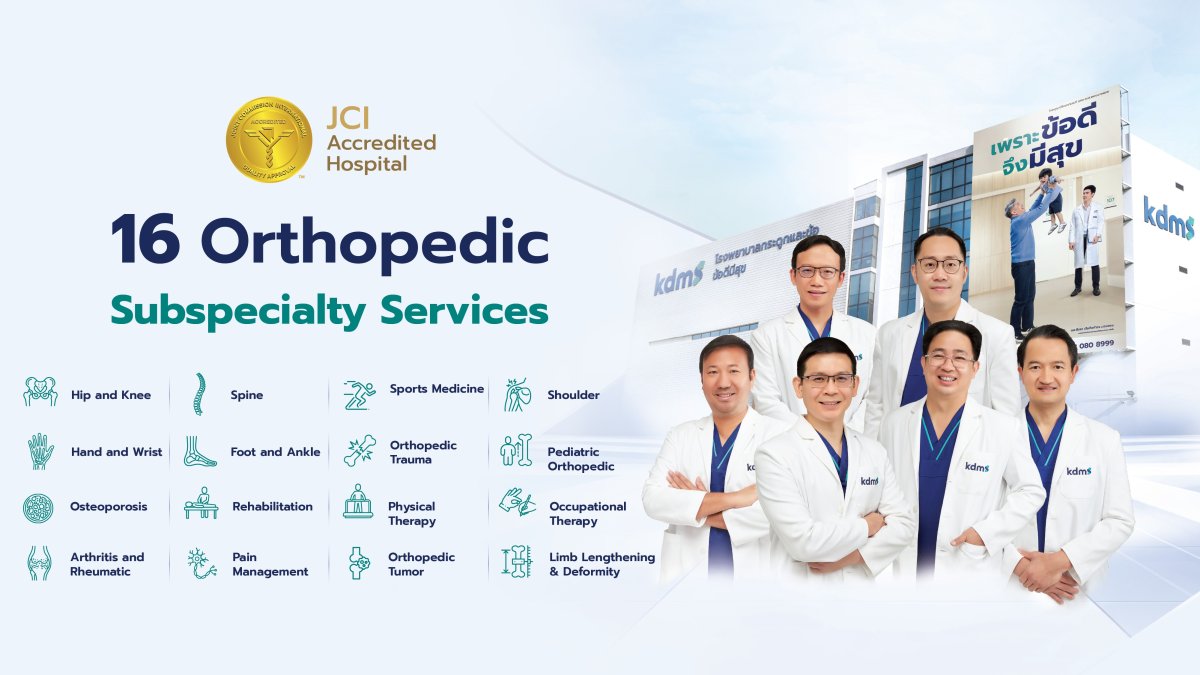
- الاعتماد المؤسسي: تحافظ المراكز الرائدة مثل مستشفى KDMS لجراحة العظام التخصصي على تصنيفات سلامة عالية.
- الحالة التجريبية: تعتبر العديد من تطبيقات iPSC المتقدمة تجريبية على الرغم من توفرها القانوني.
رؤية خبير Bookimed: تحتل تايلاند المرتبة الثانية كأكثر الوجهات طلباً للعلاجات المتقدمة عالمياً. في حين أن الخلايا الجذعية الوسيطة (MSCs) شائعة، يعكس مستشفى KDMS لجراحة العظام التخصصي تحولاً نحو العيادات المتخصصة. غالباً ما تجمع هذه المرافق بين الخبرة في جراحة العظام والطب التجديدي لأكثر من 1000 مريض سنوياً.
إجماع المرضى: يذكر بعض المرضى أن العلاج يعمل في بيئة تنظيمية معقدة مقارنة بالدول الغربية. يقترح الأفراد التحقق من تراخيص العيادات مباشرة لأن الرقابة الرسمية قد تبدو أقل مركزية.
ما هي الحالات التي يتم علاجها باستخدام الخلايا الجذعية المستحثة متعددة القدرات (iPSCs) في تايلاند؟
تعالج المراكز الطبية التايلاندية الحالات التنكسية العصبية والأيضية والقلبية الوعائية المتقدمة باستخدام الخلايا الجذعية المستحثة متعددة القدرات (iPSCs). تستهدف البروتوكولات المتخصصة مرض باركنسون، ومرض السكري من النوع الأول، وفشل القلب عن طريق إعادة برمجة الخلايا إلى أنسجة محددة. كما تعالج مرافق الأبحاث الرائدة في بانكوك اضطرابات الدم الوراثية مثل الثلاسيميا.
- الاضطرابات العصبية: تستهدف مرض باركنسون، ومرض الزهايمر، والتصلب الجانبي الضموري (ALS).
- الحالات الأيضية: تجدد الخلايا المنتجة للهرمونات لمرض السكري من النوع الأول وقصور الغدة الدرقية.
- تجديد القلب: تستخدم خلايا عضلة القلب المشتقة من iPSC لإصلاح الأنسجة بعد فشل القلب الاحتقاني.
- الإصابات المتخصصة: تعالج تلف الحبل الشوكي، والرنح، وإصابات الدماغ الرضية الشديدة.
رؤية خبير Bookimed: بينما يبحث الكثيرون عن علاجات عصبية، تظهر الخلايا الجذعية المستحثة متعددة القدرات (iPSCs) في تايلاند طلباً مرتفعاً لمكافحة الشيخوخة. غالباً ما تفضل التطبيقات الواقعية تجديد شباب الجلد على علاج الأمراض المعقدة. تحقق مما إذا كانت العيادات تقدم مكالمات فيديو مع مرضى سابقين. تساعد هذه الشفافية في التحقق من الادعاءات بما يتجاوز مواد التسويق القياسية. تحتل تايلاند المرتبة الثانية عالمياً في طلبات السياحة العلاجية على Bookimed. يضمن هذا الحجم الكبير أن الأطباء يتعاملون مع حالات مرضى متنوعة بشكل متكرر.
إجماع المرضى: يبلغ المرضى عن مكاسب جزئية في الحركة في علاجات الحبل الشوكي، لكنهم ينصحون بتتبع ال
كيف أختار عيادة ذات سمعة طيبة؟
يتطلب اختيار عيادة ذات سمعة طيبة للخلايا الجذعية المستحثة متعددة القدرات (iPSC) في تايلاند التحقق من اعتماد اللجنة الدولية المشتركة (JCI) وعلاقات البحث الدولية. اختر المرافق التي تقدم بيانات خضعت لمراجعة الأقران من تجارب سريرية في المرحلة 2 أو 3 وتوظف جراحين لديهم عضوية موثقة في الجمعية الدولية لأبحاث الخلايا الجذعية (ISSCR).
- بيانات التجارب السريرية: اطلب نتائج تجارب المرحلة 2 أو 3 المحددة لحالتك.
- الرقابة الدولية: أعط الأولوية للعيادات الحاصلة على اعتماد JCI والمديرين الطبيين المدربين في الغرب.
- أوراق اعتماد الجراح: تحقق من التدريب المتخصص ومنشورات الأبحاث الحديثة على PubMed أو Google Scholar.
- الامتثال التنظيمي: تأكد من أن المنشأة حاصلة على موافقة هيئة الغذاء والدواء التايلاندية خصيصاً لتطبيقات الطب التجديدي.
رؤية خبير Bookimed: تحتل تايلاند المرتبة الثانية عالمياً من حيث حجم السياحة العلاجية بوجود 146 عيادة متخصصة. تظهر البيانات أن المرافق ذات القدرة العالية مثل مستشفى KDMS تخدم 1000 مريض سنوياً على الرغم من تأسيسها مؤخراً. تبلغ الخبرة ذروتها في المستشفيات التي تضم أكثر من 50 طبيباً متخصصاً وأقساماً متعددة.
إجماع المرضى: ينصح الكثيرون بتوخي الحذر الشديد فيما يتعلق بالضجيج حول مكافحة الشيخوخة ويوصون بجدولة استشارة مستقلة مع أخصائي محلي أولاً. تأكد من حصولك على تأمين إخلاء شامل لتغطية أي مضاعفات محتملة من البروتوكولات التجريبية.
هل تتوفر تجارب سريرية للخلايا الجذعية المستحثة متعددة القدرات (iPSCs) في تايلاند؟
لا توجد حاليًا تجارب سريرية تدخلية نشطة تقدم علاجات بالخلايا الجذعية المستحثة متعددة القدرات (iPSCs) للعلاج المباشر للمرضى في تايلاند. لا تزال الأبحاث الحالية التي تركز على iPSCs في المرحلة المختبرية. تستخدم معظم التطبيقات السريرية في المراكز الطبية التايلاندية الخلايا الجذعية الوسيطة للحالات العظمية والتنكسية.
- تركيز البحث: أنشأت جامعة ماهيدول خطوط iPSC ذات درجة سريرية للتطبيقات البشرية المستقبلية.
- نمذجة الأمراض: تستخدم المختبرات iPSCs لدراسة اضطرابات الدم الوراثية وعلاجات بيتا ثلاسيميا.
- الحالة قبل السريرية: تنشئ جامعة شولالونغكورن منصات زرع للخلايا المنتجة للأنسولين في عام 2025.
- التتبع التنظيمي: يجب على المرضى التحقق من أي ادعاءات تجريبية من خلال سجل التجارب السريرية التايلاندي (Thai Clinical Trials Registry).
رؤية خبير Bookimed: تحتفظ تايلاند بـ 146 عيادة تخدم أكثر من 580 طلبًا دوليًا للطب التجديدي. يركز هذا الحجم الكبير بشكل شبه حصري على الخلايا الجذعية الوسيطة للمفاصل. تطبيقات iPSC الحقيقية أكثر تعقيدًا بكثير. يجب أن تتعامل مع أي عيادة تقدم حقن iPSC مدفوعة الأجر على أنها تجريبية. هذه ليست جزءًا من تجارب سريرية مسجلة ومراجعة من قبل الأقران.
إجماع المرضى: يبلغ العديد من المرضى عن مخاوف كبيرة بشأن العيادات غير المنظمة التي تقدم iPSCs من أجل الربح بدلاً من البحث. التجارب السريرية الحقيقية لهذه الخلايا المحددة مركزة حاليًا في اليابان أو الولايات المتحدة.