تعتبر علاجات الخلايا الجذعية للتوحد قانونية ومنظمة للغاية في تايلاند من قبل المجلس الطبي التايلاندي. تعتبر الإجراءات آمنة في العيادات المعتمدة التي تستخدم مختبرات حاصلة على شهادة ممارسات التصنيع الجيدة (GMP). تستخدم المرافق حقنًا وريدية (IV) أو حقنًا داخل القراب (IT) مفحوصة للخلايا الجذعية الوسيطة من الحبل السري.
- الرقابة التنظيمية: يراقب المجلس الطبي التايلاندي البروتوكولات الأخلاقية ومعايير السلامة على الصعيد الوطني.
- جودة الخلايا: تستخدم العيادات خلايا الحبل السري ذات الامتياز المناعي المعالجة في مختبرات معتمدة من AABB أو ISO.
- طاقم الخبراء: يشمل المتخصصون أطباء معتمدين من البورد الأمريكي وجراحي أعصاب مدربين في ألمانيا وتايلاند.
- البروتوكولات السريرية: تتضمن العلاجات القياسية إعطاء 20 إلى 70 مليون خلية جذعية وسيطة عن طريق الوريد.
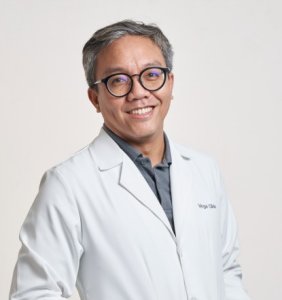
رؤية خبير Bookimed: نضج الإطار التنظيمي في تايلاند بشكل كبير، حيث تقوم وزارة الصحة الآن بالموافقة على عيادات محددة للعلاجات الخيفية. تظهر بيانات Bookimed أن عيادات مثل Vega Clinic وThe Demarest Clinic تخدم أكثر من 1000 مريض دولي سنويًا. غالبًا ما يؤدي هذا الحجم الكبير إلى توثيق أكثر قوة لمصادر الخلايا مما يظهر في المراكز الطبية الأقل رسوخًا.
إجماع المرضى: تؤكد العائلات على الحاجة إلى توثيق شفاف لمصادر الخلايا لتجنب عمليات الاحتيال المحتملة. يوصي الكثيرون بدمج العلاج بالخلايا الجذعية مع علاجات النطق والسلوك التقليدية للحصول على أفضل النتائج الداعمة.




 برنامج علاج التوحد بالخلايا الجذعية